

Have you ever wondered how hard it really is to replace a fuel filter? If you’re facing this task, you might be feeling a bit overwhelmed.
But here’s the good news: with the right know-how, it’s not as tricky as it sounds. You’ll discover exactly what’s involved, the tools you’ll need, and some simple tips to make the job easier. By the end, you’ll know if this is something you can tackle yourself or if it’s better left to a pro.
Ready to take control of your car’s health? Keep reading.
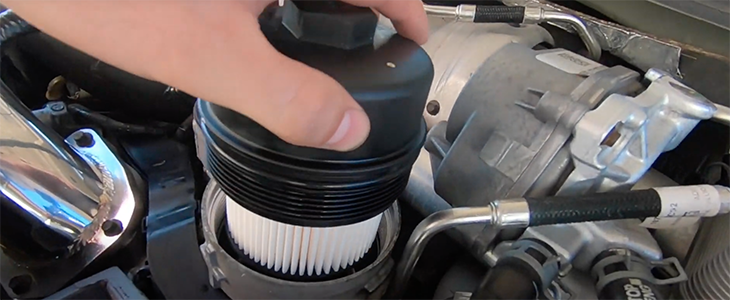
Credit: ecogard.com
Signs Of A Clogged Fuel Filter
A clogged fuel filter can cause many problems in your vehicle. It blocks the flow of fuel to the engine. This makes the engine work harder and less efficiently. Recognizing the signs early helps avoid bigger issues.
Engine Performance Issues
The engine may run rough or stall often. You might notice a loss of power during acceleration. Hesitation or jerking while driving is common. These happen because the engine does not get enough fuel.
Fuel Efficiency Drops
Your car uses more fuel than usual. The clogged filter forces the engine to burn fuel less efficiently. This means fewer miles per gallon. Fuel costs rise without obvious reasons.
Starting Problems
The engine takes longer to start or does not start at all. A clogged fuel filter limits fuel supply to the engine. This makes it hard to ignite the fuel-air mix. Starting problems signal urgent attention is needed.
Credit: germanformula.com
Tools And Materials Needed
Replacing a fuel filter requires specific tools and materials. Having the right items makes the job easier and safer. Prepare everything before starting to avoid interruptions. Below are the key tools and materials you will need.
Basic Hand Tools
You need simple hand tools for this task. A wrench set helps loosen fuel lines. Screwdrivers assist in removing clamps or covers. Pliers are useful to grip and pull hoses. Keep these tools handy and organized.
Safety Equipment
Safety is very important when working with fuel. Wear gloves to protect your hands from fuel spills. Use safety glasses to shield your eyes from splashes. Have a fire extinguisher nearby in case of emergencies. Work in a well-ventilated area to avoid inhaling fumes.
Replacement Filters
Choose the correct fuel filter for your vehicle model. Using the wrong filter can cause engine problems. Check the part number before purchasing. Keep the new filter clean and free of dirt. Replace any old clamps or seals with new ones if needed.
Locating The Fuel Filter
Finding the fuel filter is the first step in replacing it. The location varies by car model and year. Knowing where it sits makes the job easier and faster.
Fuel filters help keep dirt and debris out of the engine. Dirt buildup can cause engine problems. Checking the filter often helps keep your car running well.
Common Fuel Filter Locations
Many fuel filters are near the fuel tank under the car. Others sit along the fuel line, under the hood. Some filters are inside the fuel pump assembly. Look near the engine or along the frame rail. The filter often looks like a small metal or plastic cylinder.
Consulting The Vehicle Manual
The vehicle manual gives exact filter location details. It shows diagrams and step-by-step instructions. The manual helps find the filter without guesswork. It also lists tools needed for replacement. Always check the manual before starting work.
Preparing For Replacement
Preparing for a fuel filter replacement is important to avoid problems and keep safe. The process requires a few simple steps before starting the actual work. These steps help reduce risks and make the replacement smoother.
Understanding how to prepare can save time and prevent damage. It also ensures the fuel system works properly after the new filter is in place. Read on to learn the key preparation tasks.
Relieving Fuel System Pressure
Fuel systems store pressure even after the engine stops. This pressure can spray fuel when the filter is removed. Releasing it first lowers the risk of fuel leaks or injury.
Locate the fuel pump fuse or relay and remove it. Start the engine and let it run until it dies. This step uses leftover fuel and drops system pressure.
After the engine stops, turn off the ignition. Press the gas pedal a few times to clear any remaining pressure. Now the fuel system is safe to work on.
Ensuring Safety Precautions
Fuel is flammable and harmful if handled carelessly. Wear safety glasses and gloves before working on the fuel filter. Keep a fire extinguisher nearby for emergencies.
Work in a well-ventilated area to avoid inhaling fumes. Avoid open flames or sparks around the workspace. Have rags ready to clean up any spills quickly.
Proper tools make the job easier and reduce the chance of damage. Use the correct size wrenches and clamps. Double-check the car’s manual for any special instructions.
Step-by-step Replacement Process
Replacing a fuel filter is a task many car owners can do with some care. The process involves a few clear steps. Following them will help you change the filter safely and correctly. This guide breaks down the replacement into simple actions.
Removing The Old Fuel Filter
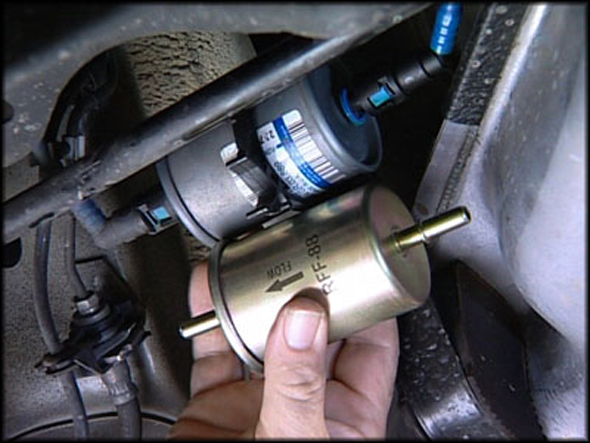
First, locate the fuel filter under the car or near the engine. Wear gloves to protect your hands from fuel. Use a wrench to loosen the clamps or bolts holding the filter. Be ready to catch any fuel that might spill out. Carefully disconnect the fuel lines from the filter ends. Remove the old filter and set it aside for proper disposal.
Installing The New Filter
Check the new filter for the correct size and direction. Install it in the same position as the old one. Attach the fuel lines back to the filter securely. Tighten the clamps or bolts firmly but avoid over-tightening. Make sure the filter is stable and does not move easily.
Checking For Leaks
Turn the car’s ignition on but do not start the engine. This action pressurizes the fuel system and shows any leaks. Look carefully around the filter connections for drops of fuel. If leaks appear, tighten the clamps more. Once no leaks show, start the engine and watch again. A leak-free filter ensures safe and smooth running.
Testing After Replacement
Testing the fuel filter after replacement is crucial for your vehicle’s health. It helps ensure the new filter works well and your engine runs smoothly. Proper testing can spot issues early, saving time and money.
Starting The Engine
Turn the key and start the engine. Listen for any strange sounds or rough starts. A smooth start means fuel flows freely through the new filter. If the engine struggles, check for air bubbles or loose connections. Restart the engine a few times to confirm steady operation.
Monitoring Performance
Drive the vehicle gently at first. Notice any hesitation or loss of power. Watch the fuel gauge and engine temperature. The engine should run steady without stalling. Good performance shows the fuel filter is clean and working well. Keep checking for unusual smells or noises during the drive.
Common Challenges And Tips
Replacing a fuel filter can be tricky. Some parts do not come off easily. Small mistakes can cause fuel leaks or damage. Knowing common challenges helps avoid problems. Here are useful tips to make the job easier and safer.
Dealing With Stubborn Clips
Fuel filters often attach with clips. These clips can be tight or rusted. Use a flat screwdriver to gently pry them open. Avoid using too much force. Damaged clips can break and stop the filter from fitting properly. Wearing gloves can protect your hands from sharp edges.
Avoiding Fuel Spills
Fuel spills are dangerous and messy. Always work in a well-ventilated area. Place a container under the filter to catch drips. Use rags to soak up any spills quickly. Turn off the engine and relieve fuel pressure before starting. This reduces the chance of fuel spraying out.

Credit: www.goldeagle.com
When To Seek Professional Help
Replacing a fuel filter can be a simple task for some, but there are moments to ask for professional help. Knowing when to stop and call an expert saves time and avoids damage. Some signs show that a job is better left to a mechanic.
Signs Of A Complex Fuel System
Modern cars often have complex fuel systems. Some require special tools and knowledge. If your car has a hard-to-reach filter or electric parts, a professional should handle it. Trying to fix these yourself can cause more problems.
Experiencing Fuel System Problems
If your car shows issues like stalling, rough idling, or poor acceleration, the fuel filter might be the cause. These problems need a full check-up. A mechanic can diagnose and fix the problem safely. Don’t risk worsening the situation by guessing.
Lack Of Proper Tools And Experience
Fuel filter replacement needs certain tools. Without them, the job can be hard or unsafe. Also, experience helps avoid mistakes like fuel spills or damage. If you don’t have the right tools or skills, better call a professional.
Safety Concerns
Fuel is flammable and dangerous to handle. Incorrect removal or installation can cause leaks or fires. Safety equipment and knowledge are important. Professionals know how to work safely with fuel systems and protect themselves and your car.
Frequently Asked Questions
How Difficult Is It To Replace A Fuel Filter?
Replacing a fuel filter is moderately difficult. It requires basic mechanical skills and safety precautions. Accessing the filter can be tricky depending on the vehicle model. With the right tools and instructions, many DIYers can complete the task in under an hour.
What Tools Are Needed To Replace A Fuel Filter?
You need a wrench set, screwdrivers, and possibly fuel line disconnect tools. Safety gloves and eye protection are also important. Some filters require specific tools, so check your vehicle’s manual before starting to ensure you have everything needed.
How Often Should A Fuel Filter Be Replaced?
Most manufacturers recommend replacing the fuel filter every 20,000 to 40,000 miles. However, this can vary based on driving conditions and fuel quality. Regular replacement helps maintain engine performance and fuel efficiency, preventing clogs and damage.
Can A Clogged Fuel Filter Cause Engine Problems?
Yes, a clogged fuel filter can reduce fuel flow, causing engine stalling, rough idling, or poor acceleration. It stresses the fuel pump and can lead to costly repairs if ignored. Timely replacement prevents these issues and ensures smooth engine operation.
Conclusion
Replacing a fuel filter is not very hard for most people. It takes some basic tools and careful steps. Knowing where the filter is helps a lot. Taking your time can prevent mistakes and spills. If you follow the right steps, you can do it yourself.
This saves money and keeps your car running well. Regular filter changes help your engine stay clean. Simple tasks like this help you understand your car better. Give it a try—you might be surprised how easy it is.

