

Do you know when your car really needs an oil change? Ignoring this simple task can lead to costly repairs and reduce your car’s performance.
But how can you tell if it’s time without guessing? You’ll discover clear signs and easy ways to check your oil. By the end, you’ll feel confident keeping your engine running smoothly and avoiding unexpected breakdowns. Keep reading to learn exactly what your car is trying to tell you.
Oil Change Basics
Knowing the basics of oil changes helps keep your car running smooth. Oil lubricates the engine parts and stops them from wearing out. It also helps cool the engine and removes dirt. Over time, oil breaks down and gets dirty. This lowers its ability to protect the engine. Changing the oil on time keeps the engine healthy and saves money on repairs.
Why Oil Changes Matter
Oil keeps engine parts moving easily without friction. Dirty oil can cause parts to grind and wear out fast. Old oil also makes the engine work harder and use more fuel. Fresh oil improves engine performance and fuel efficiency. It also reduces harmful emissions. Regular oil changes extend the engine’s life and prevent costly damage.
Recommended Change Intervals
Most cars need an oil change every 3,000 to 5,000 miles. Some newer cars can go 7,500 or even 10,000 miles. Check the owner’s manual for the exact interval. Driving habits affect oil life too. Short trips and stop-and-go traffic wear oil faster. Change oil more often in these conditions. Use the right oil type and grade as the manual suggests.
Credit: www.hollenshades.com
Visual Indicators
Visual signs can tell you if your car needs an oil change soon. Checking your oil regularly helps avoid engine problems and keeps your car running smoothly. Simple visual checks save time and money. Here are two main visual indicators to watch for.
Dark Or Dirty Oil
Fresh oil is usually light amber in color and clear. Over time, oil collects dirt and particles from the engine. This makes the oil look dark or black. Dark oil cannot protect the engine well. It causes more wear and tear.
Check the oil on the dipstick. If the oil looks very dark or thick, it is time to change it. Clean oil keeps the engine parts moving easily. Dirty oil can slow down the engine and cause damage.
Oil Level Drops
Oil level drops as the engine uses oil during driving. Check the oil level with the dipstick regularly. If the level is below the recommended mark, add oil or get a change.
Low oil levels can cause the engine to overheat or seize. Watch for leaks or burning oil smells too. Both show oil is low or old and needs changing. Keeping the right oil level protects your engine well.
Performance Clues
Performance clues show how your car behaves when oil needs changing. Your car uses oil to keep the engine parts moving smoothly. Old or dirty oil can cause problems in engine performance. Watch for signs in how your car sounds and runs.
Engine Noise And Knocking
Fresh oil cushions engine parts and reduces noise. When oil gets old, it loses this ability. You may hear knocking or tapping sounds from the engine. These noises mean the engine parts are rubbing too hard. This can cause damage if ignored. Engine noise is a clear sign to check the oil.
Reduced Fuel Efficiency
Oil helps the engine run smoothly and use fuel well. Dirty oil makes the engine work harder. This uses more fuel than usual. You might notice you fill up your tank more often. Lower fuel efficiency can point to the need for an oil change. It saves money and keeps your car healthy.
Dashboard Warnings
Your car’s dashboard has many warning lights. These lights help you know when your car needs care. Some lights tell you about oil problems. Paying attention to these warnings can save your engine from damage. It also keeps your car running smoothly.
Oil Change Light
The oil change light shows when your oil needs changing. It usually looks like an oil can. This light comes on after many miles of driving. It means the oil is dirty or low. Driving with old oil can harm the engine. Change the oil soon when this light appears. It keeps the engine clean and protects parts.
Oil Pressure Warning
The oil pressure warning light is a serious sign. It looks like an oil can with a drop. This light means oil is not flowing right. Low oil pressure can cause engine parts to wear fast. Stop driving and check the oil level. Add oil if it is low. If the light stays on, get help from a mechanic. Ignoring this warning can cause engine failure.
Additional Signs
Sometimes, oil change needs show up in ways beyond time or mileage. These extra signs help you catch problems early. Watch your car closely for these clues.
Exhaust Smoke
Thick, dark smoke from the exhaust can mean oil issues. It may signal burning oil inside the engine. This happens if oil leaks into the combustion chamber. Keep an eye on smoke color and amount. White or blue smoke often points to oil problems. This sign warns you to check the oil soon.
Overheating Engine
An engine that runs hot can mean low or dirty oil. Oil cools and lubricates engine parts. Without enough clean oil, heat builds up fast. The temperature gauge may rise above normal. The engine might feel hotter than usual. Overheating can cause serious damage if ignored. Check oil levels and quality if the engine heats up.

Credit: www.fram.com
Checking Oil Yourself
Checking your car’s oil is a simple task anyone can do. It helps you know when your vehicle needs an oil change. This saves money and prevents engine problems. You only need a few minutes and a clean cloth. Follow these steps to check your oil like a pro.
How To Use The Dipstick
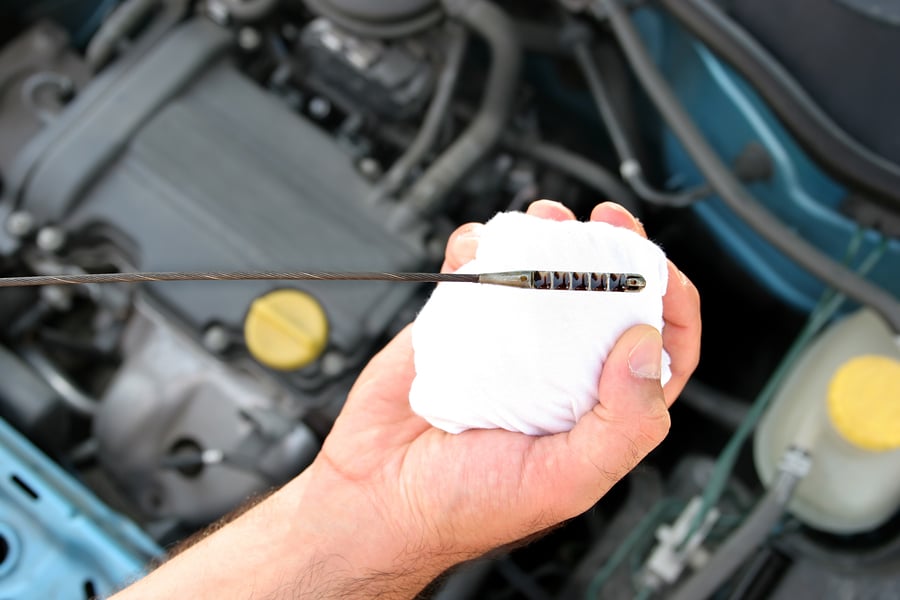
Open your car’s hood and find the dipstick. It usually has a bright handle. Pull the dipstick out carefully. Wipe it clean with a cloth. Push it back all the way in. Pull it out again to check the oil level.
What To Look For
Check the oil level on the dipstick. It should be between the low and full marks. Look at the oil color. Clean oil is light brown or amber. Dark or black oil means it needs changing. Also, check for thick or gritty oil. This can harm the engine and needs a change.
Consequences Of Neglect
Ignoring the need for an oil change can harm your car in many ways. Oil keeps the engine parts moving smoothly. Old or dirty oil loses this ability. Problems start to build up quickly. Small issues turn into big troubles. Knowing these consequences helps you care for your car better.
Engine Damage Risks
Dirty oil causes engine parts to wear out fast. Without clean oil, friction increases. Metal parts rub harshly, leading to damage. Over time, this can cause engine failure. The engine might overheat or seize up. Fixing this damage often means replacing major parts. Avoiding oil changes puts your engine at risk.
Costly Repairs
Skipping oil changes leads to expensive repairs. Engine damage can cost thousands of dollars. Repair shops charge more for fixing worn engines. Regular oil changes are much cheaper than repairs. Neglecting oil can drain your wallet. Protect your money by maintaining proper oil care.

Credit: www.youtube.com
Tips For Timely Changes
Knowing the right time to change your car’s oil keeps your engine healthy. Timely oil changes prevent damage and costly repairs. Simple habits help you stay on track with oil changes. These tips make it easy to remember and act fast.
Using Maintenance Apps
Maintenance apps track your car’s oil change schedule. They send reminders based on miles or time. You can log each oil change in the app. Some apps show nearby service centers. This tool helps avoid missing important oil changes.
Keeping A Service Log
Write down every oil change in a notebook or file. Note the date, mileage, and type of oil used. This record shows your car’s maintenance history. It helps you plan the next oil change. A service log keeps your car running smooth and safe.
Frequently Asked Questions
How Often Should I Change My Car’s Oil?
Most experts recommend changing oil every 3,000 to 5,000 miles. Check your owner’s manual for exact intervals. Regular oil changes keep your engine healthy and running smoothly.
What Are Signs My Car Needs An Oil Change?
Look for dark, dirty oil on the dipstick, engine noise, or a burning smell. Also, check if the oil change light appears on your dashboard.
Can I Drive With Old Engine Oil?
It’s not advisable. Old oil loses its ability to lubricate and protect your engine. Driving with degraded oil can cause engine wear and costly damage.
How Does Oil Change Affect Car Performance?
Fresh oil improves engine efficiency and fuel economy. It reduces friction and prevents overheating. Regular oil changes help maintain optimal car performance and longevity.
Conclusion
Keeping track of your car’s oil change is key. Clean oil helps your engine run smoothly. Watch for signs like dark oil, engine noise, or warning lights. Regular checks prevent costly repairs later. Use your owner’s manual for the right oil type and schedule.
Taking care of your car today saves money and trouble tomorrow. Don’t wait until problems start. A little attention keeps your vehicle healthy and strong. Simple steps make a big difference. Stay on top of oil changes to enjoy safe driving every day.


