

Are you ready to make your car stand out at the next show? A well-crafted car show display board can grab attention, tell your car’s story, and make a lasting impression.
But how do you create one that looks professional and highlights all the best features? You’re about to discover simple steps that anyone can follow to build a display board that draws eyes and sparks conversations. Keep reading, and you’ll learn how to showcase your car like a pro—no fancy tools or experience needed.
Your car deserves to shine, and your display board is the first step.
Choosing The Right Board
Choosing the right board for your car show display is very important. The board is the base of your entire presentation. It shows your information clearly and attracts visitors. Picking the best board helps you share your passion easily and professionally.
Materials And Sizes
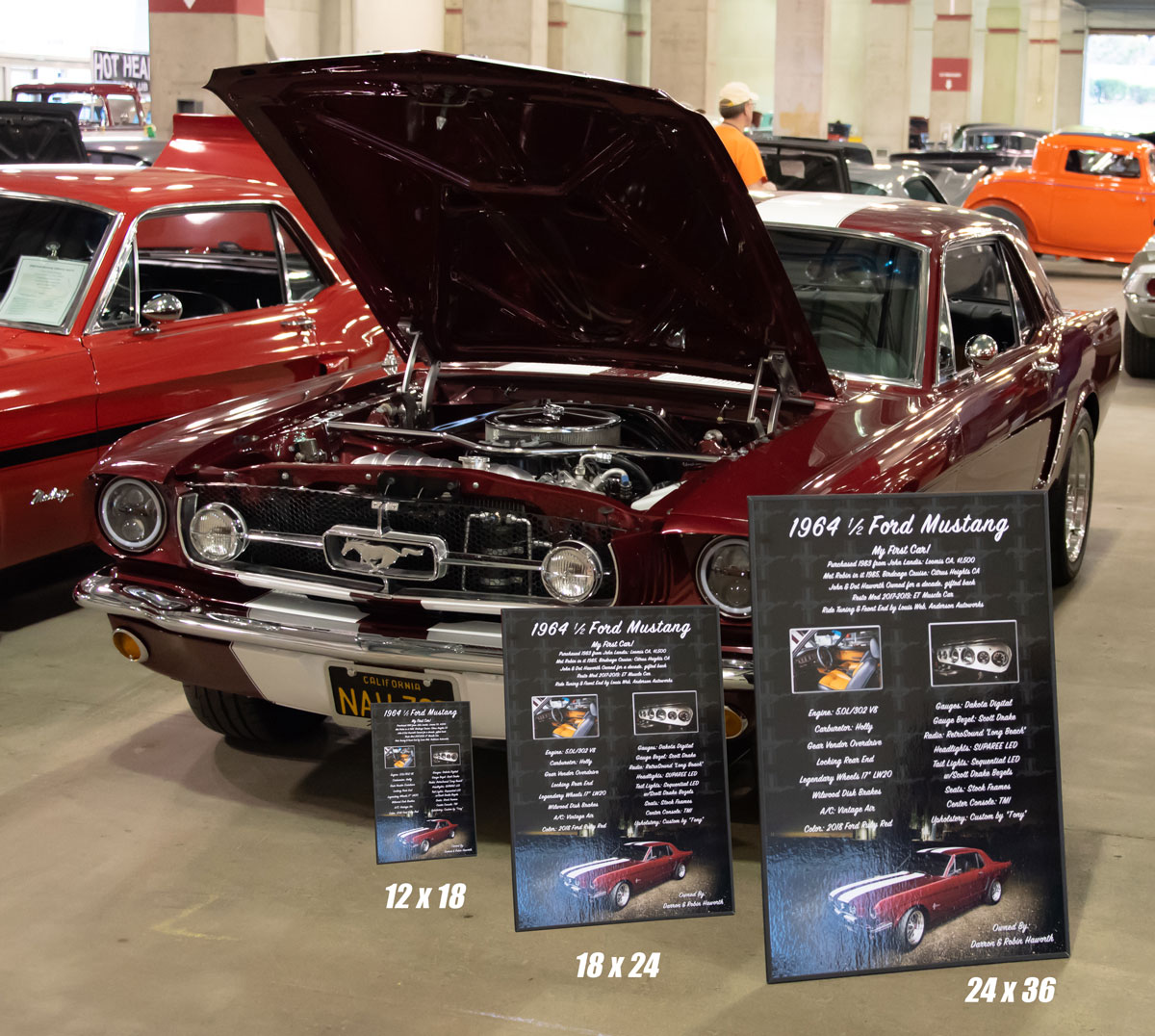
Boards come in different materials. Foam core is light and easy to carry. Cardboard is cheap but less sturdy. Acrylic or wood boards last longer and look neat. Choose a size that fits your car and space. Too big can be hard to move. Too small may not hold all info.
Durability And Portability
Durability matters for outdoor shows. Strong boards resist wind and rain. Portability helps if you travel a lot. Lightweight boards make setup faster. Some boards fold for easy transport. Balance strength with how easy it is to carry.
Design And Color Options
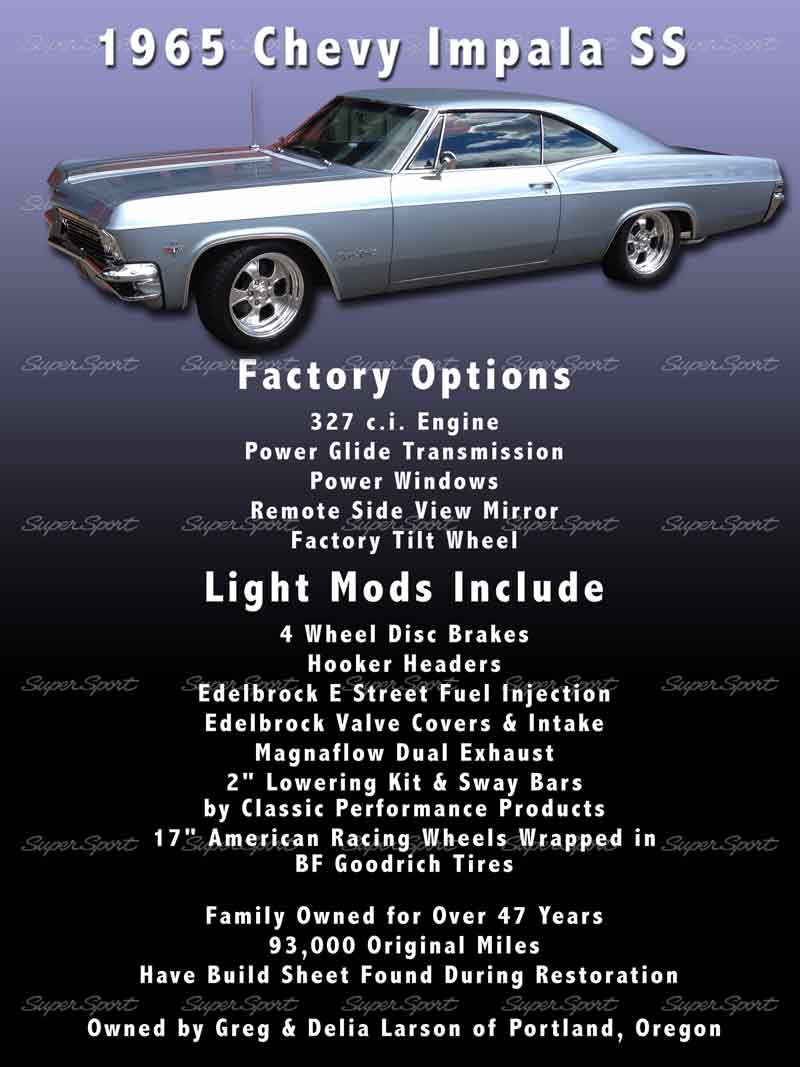
Design your board to catch attention. Use colors that match your car or theme. Bright colors stand out but stay clear and neat. Avoid too many fonts or clutter. Simple designs help visitors read quickly. A clean look makes your display professional.
Credit: showcarsign.com
Planning Your Content
Planning your content is the first step in making a great car show display board. It helps you share the right details clearly. A well-planned board makes your car stand out to viewers and judges. Take time to think about what you want to say and show.
Highlighting Key Features
Focus on the most important parts of your car. Mention unique upgrades or rare details. Show what makes your car special. Use simple phrases to describe the engine, paint, or wheels. Keep it short and interesting.
Organizing Information
Arrange your facts in a clear order. Group similar details together. Use headings or bullet points to separate sections. Make sure the board flows from one point to the next. This helps visitors find information quickly.
Using Photos And Graphics
Include pictures that show your car’s best angles. Use close-ups for special parts or custom work. Add simple graphics like arrows or labels to explain features. Keep images clean and easy to see. Avoid clutter to keep the board neat.
Design Tips For Impact
Designing a car show display board requires careful planning. The right design grabs attention and shares your message clearly. Focus on balance, readability, and colors to create a strong impact. These tips help your display stand out and make your car shine.
Balancing Text And Images
Use images and text in equal parts. Too much text makes the board look crowded. Big pictures catch the eye quickly. Short, clear sentences explain the features of your car. Leave some empty space to avoid clutter. This balance keeps your display neat and easy to read.
Font Choices And Readability
Pick simple fonts that everyone can read. Avoid fancy or thin fonts that blur from a distance. Use large font sizes for titles and smaller sizes for details. Keep text left-aligned for easy scanning. Make sure your words stand out against the background color.
Color Coordination
Choose colors that match your car and theme. Use two or three main colors for a clean look. Contrast light and dark colors to improve visibility. Avoid using too many bright colors together. A well-matched color scheme makes your display more attractive and professional.
Credit: showcarsign.com
Assembling The Display Board
Assembling the display board is the key step to showcase your car proudly. It combines creativity with organization. A well-made board attracts attention and tells a story about your car. Every element you add should fit well and look neat. This section breaks down the process into easy tasks.
Cutting And Mounting Materials
Start by choosing a sturdy board like foam core or cardboard. Cut it to the right size using a ruler and sharp blade. Make clean, straight cuts to keep the edges neat. Mount a backing paper or fabric to cover the board. Use spray adhesive or double-sided tape for smooth attachment. This base sets the tone for your display.
Securing Photos And Text
Select clear photos of your car from different angles. Print your text in a simple font with readable size. Use photo corners or glue dots to attach photos gently. Glue or tape the text blocks evenly spaced around the images. Avoid overcrowding. Leave some empty space to give the eyes a break.
Adding Decorative Elements
Decorative elements bring life to your board. Use stickers, borders, or small car parts for interest. Add color with markers or colored paper strips. Keep decorations related to your car’s theme or color. Avoid too many decorations that distract from your main content. Balance is the secret to a strong display.
Enhancing Presentation
Enhancing the presentation of a car show display board makes your exhibit stand out. A well-presented board attracts attention and keeps visitors interested. Simple upgrades can improve visibility and engagement. Focus on lighting, support, and interactive elements. These details create a memorable experience.
Lighting Techniques
Good lighting highlights important details on your board. Use small LED lights to brighten key areas. Avoid harsh light that causes glare or shadows. Soft, even lighting works best. Consider battery-operated lights for easy setup. Position lights to draw the eye to titles and photos. Lighting can make colors look richer and more vibrant.
Using Stands And Supports
Stands keep your display board steady and visible. Choose lightweight but strong supports for easy transport. Adjustable stands help set the perfect height. A tilted board improves readability. Secure the board to prevent tipping or falling. Use non-slip pads on stand legs for stability. Proper support makes your display professional and accessible.
Interactive Features
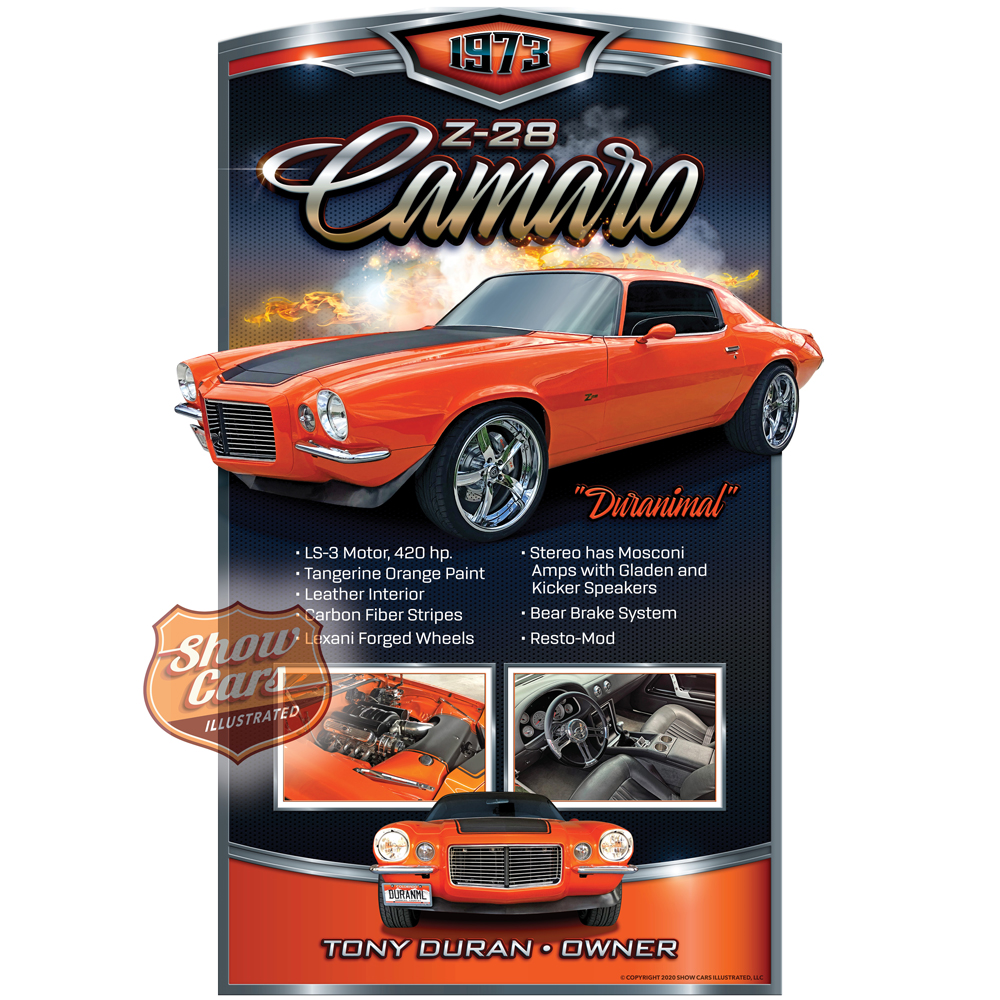
Interactive features engage visitors and invite exploration. Add QR codes linked to videos or car history. Include flip panels or pockets with extra info. Use touch-friendly materials for easy interaction. Small props related to the car add interest. Interactive elements encourage visitors to spend more time. They create a fun and educational experience.
Credit: showcarsillustrated.com
Common Mistakes To Avoid
Creating a car show display board can be fun and rewarding. Avoiding common mistakes helps your board stand out. Mistakes can distract visitors or make your display hard to read. Keep your board clear, neat, and interesting to attract attention.
Overcrowding The Board
Too many photos, text, or decorations can overwhelm viewers. Crowded boards look messy and confuse the message. Leave space between items to give the eyes a rest. Focus on key points and clear visuals to keep it simple. Less is often more for display boards.
Poor Quality Images
Blurry or pixelated photos reduce the board’s impact. Use clear, high-resolution images for better presentation. Good pictures help visitors connect with your car’s story. Avoid stretching small images to fit the space. Clear visuals show professionalism and care.
Ignoring Audience Engagement
A display board should invite visitors to learn more. Avoid just listing facts or specs without interest. Add questions, fun facts, or stories to involve the audience. Interactive elements make your display memorable. Think about what visitors want to see and know.
Tips From Winning Displays
Winning car show display boards catch attention and tell a story. They mix clear design with personal style. These tips come from boards that impressed judges and visitors alike. Use these ideas to build your own standout display.
Successful Layouts
Keep the layout simple and neat. Use bold titles for each section. Organize information so it flows from one part to the next. Balance photos and text so neither feels crowded. Use colors that match the car but do not clash. Make sure all text is easy to read from a distance.
Unique Personal Touches
Add items that show your passion for the car. Include small details like vintage tools or model parts. Use photos from different stages of the car’s restoration. Personal stories or quotes bring the display to life. These touches make your board memorable and special.
Feedback From Judges
Judges look for clarity and effort. They prefer displays that explain the car’s history well. Avoid too much technical jargon. Proofread for spelling and grammar errors. Judges also appreciate creativity but value organization most. Take their feedback to improve future displays.
Frequently Asked Questions
What Materials Are Needed For A Car Show Display Board?
You need foam board, printed photos, adhesive, markers, and decorative tape. These materials help create a sturdy, attractive display.
How Do I Design An Eye-catching Car Show Board?
Use bold titles, clear images, and contrasting colors. Keep the layout simple and organized to grab attention.
What Information Should Be Included On The Display Board?
Include the car’s make, model, year, and special features. Add restoration details and awards to engage viewers.
How Can I Make My Display Board Stand Out At A Show?
Add 3D elements, use glossy photos, and incorporate LED lights. Unique touches draw more interest and highlight your car.
Conclusion
Creating a car show display board is simple and fun. Use clear photos and easy-to-read text. Keep your design neat and organized. Add interesting facts about your car. This helps visitors understand and enjoy your display. Take your time and be creative.
Your effort will make your car stand out. Display boards add value to any car show. Now, you’re ready to impress at your next event!


