Your steering wheel is something you touch every time you drive. So why not make it more comfortable and stylish?
A fabric steering wheel cover can do just that. It protects your wheel, adds a personal touch, and feels great in your hands. Plus, making one yourself is easier than you might think. In this guide, you’ll discover simple steps to create a cover that fits perfectly and looks amazing.
Ready to transform your driving experience? Keep reading, and let’s get started!
Materials Needed
Gathering the right materials is the first step to making a fabric steering wheel cover. Using suitable fabric and tools makes the project easier and the cover more durable. Prepare everything before starting to sew.
Choosing The Right Fabric
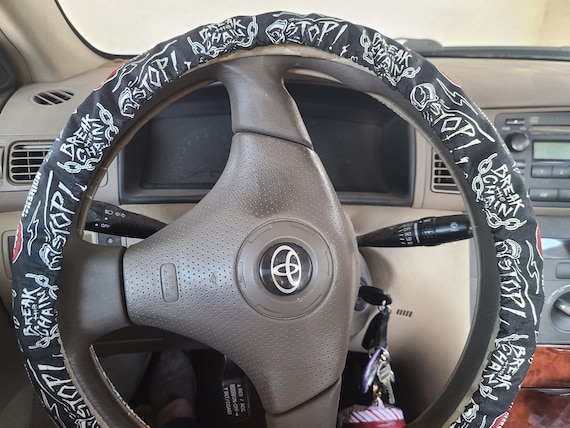
Select a fabric that feels comfortable and lasts long. Cotton and denim are soft and breathable. Faux leather offers a stylish look and good grip. Avoid slippery or very thin fabrics. Pick colors or patterns that match your car interior.
Essential Tools
You need basic sewing tools for this project. A sewing machine speeds up the work but hand sewing is fine too. Scissors should be sharp to cut fabric cleanly. Use measuring tape to get exact sizes. Pins hold fabric pieces together while sewing.
Additional Supplies
Thread must match or contrast the fabric color. Elastic band keeps the cover tight on the wheel. A fabric marker or chalk helps to mark cutting lines. Use a needle suitable for the fabric type. Iron helps flatten fabric before sewing for neat edges.
Measuring Your Steering Wheel
Measuring your steering wheel is the first step to making a fabric cover. Accurate measurements ensure a perfect fit and a neat look. It also helps you buy the right amount of fabric. Take your time and be precise.
Finding The Diameter
Use a tape measure or ruler to find the diameter of your steering wheel. Measure straight across the center from one edge to the other. This is the diameter. Write down this number. It is needed for cutting your fabric.
Calculating Fabric Size
To calculate fabric size, add extra length for seams and stretch. Add about 2 to 3 inches to the diameter. Also, add 4 to 5 inches for the width to wrap around the wheel. This extra fabric allows for sewing and a snug fit.
Cutting The Fabric
Cutting the fabric is a key step in making a fabric steering wheel cover. It shapes the material to fit perfectly around the wheel. Careful cutting ensures the cover looks neat and fits snugly. This step requires attention and simple tools.
Marking The Pattern
Start by placing your pattern on the fabric. Use a fabric chalk or pencil to trace the shape. Mark all edges clearly to avoid mistakes. Double-check the size before cutting. Remember to add a little extra for seam allowance. This space helps sew the cover without shrinking it.
Tips For Precise Cutting
Use sharp fabric scissors for clean edges. Cut slowly and follow the marked lines exactly. Keep the fabric flat on a table to prevent slipping. Avoid lifting the fabric while cutting; it can distort the shape. Cutting carefully saves time during sewing and improves the final look.

Credit: www.heatherhandmade.com
Sewing The Cover
Sewing the fabric steering wheel cover is a simple task with the right steps. This part makes sure the cover fits well and looks neat. Careful sewing keeps the fabric strong and durable. Follow clear steps to stitch and join the pieces perfectly.
Stitching Techniques
Use a straight stitch for the main seams. It holds the fabric firmly together. A tight stitch length avoids gaps and loose threads. Backstitch at the start and end to lock stitches. For curved parts, sew slowly to keep the line smooth. A zigzag stitch on raw edges stops fraying.
Creating A Seam Allowance
Leave about 1/4 inch for seam allowance. This extra fabric helps join pieces without shrinking the cover. Mark the allowance with a fabric pencil or chalk. Sew just inside the allowance line for a clean edge. Press the seams open with an iron. This makes the cover lie flat and look professional.
Adding Elastic Or Fasteners
Adding elastic or fasteners is key to making your fabric steering wheel cover fit snugly. This step keeps the cover from slipping while driving. Choose the right method to match your sewing skills and style.
Choosing Between Elastic And Ties
Elastic offers a tight, stretchable fit. It is easy to sew and keeps the cover in place. Elastic works well for most steering wheels.
Ties give a custom look and allow adjustments. They require sewing loops or buttonholes. Ties suit those who want a decorative touch.
Attaching For A Secure Fit
Pin elastic or ties evenly along the cover edges. Sew carefully to avoid puckering the fabric. Stretch the elastic slightly as you sew for a snug fit.
For ties, sew them in pairs on opposite sides. Make sure they are long enough to tie firmly. Test the cover on your steering wheel before finishing.

Credit: therenegadeseamstress.com
Finishing Touches
Finishing touches make your fabric steering wheel cover look neat and complete. This step helps improve durability and style. Small details can make a big difference in the final product.
Trimming Excess Threads
Cut all loose threads close to the fabric. Use sharp scissors for a clean cut. Avoid pulling on threads to stop fraying. Trim evenly around the cover for a smooth look. This step keeps the cover tidy and safe from unraveling.
Optional Decorative Elements
Add personal style with simple decorations. Sew small buttons or patches on the cover edges. Use fabric paint to draw designs or patterns. Choose decorations that do not affect grip or safety. These touches make your cover unique and fun.
Installing The Cover
Installing your fabric steering wheel cover is the final step. It ensures a snug fit and comfortable grip. This process takes only a few minutes and makes your wheel look fresh and feel better. Follow these simple steps to install the cover correctly.
Stretching Over The Wheel
Start by holding the cover with both hands. Stretch it wide enough to fit over the top of the steering wheel. Pull the cover down slowly, moving around the wheel. Use steady pressure to avoid tearing the fabric. Keep pulling until the cover fully wraps around the wheel. Make sure the fabric lies flat without wrinkles.
Adjusting For Comfort
Check the cover’s position on the wheel. Shift it slightly to center the seam at the back. Smooth out any folds or bunches in the fabric. Test your grip by holding the wheel with both hands. Adjust the cover until it feels tight but not too tight. The cover should not slip or move during driving.
Maintenance Tips
Taking care of your fabric steering wheel cover keeps it fresh and comfy. Simple maintenance extends its life and look. Follow easy steps to clean and protect your cover. Regular care saves time and money.
Cleaning The Cover
Remove the cover gently from the steering wheel. Use a soft brush to clear loose dirt. Hand wash the cover with mild soap and cold water. Avoid harsh chemicals that can damage fabric. Rinse thoroughly to remove all soap. Let the cover air dry completely before reuse. Avoid direct sunlight to prevent fading.
Prolonging Durability
Keep your hands clean when driving. Dirt and oils shorten fabric life. Store the car in shade to protect the cover from heat. Avoid sharp objects near the steering wheel. Regularly check the cover for signs of wear. Repair small tears quickly to stop spreading. Rotate the cover occasionally for even wear.
Credit: www.etsy.com
Frequently Asked Questions
How Do I Measure My Steering Wheel For A Cover?
Measure your steering wheel’s circumference and diameter accurately. Use a tape measure to ensure a snug fabric cover fit. Proper measurements prevent loose or tight covers, ensuring comfort and safety while driving.
What Fabric Types Are Best For Steering Wheel Covers?
Choose durable, breathable fabrics like cotton, neoprene, or microfiber. These materials offer comfort, grip, and easy cleaning. Avoid slippery or non-breathable fabrics to maintain control and reduce hand sweating.
How Do I Sew A Fabric Steering Wheel Cover?
Cut fabric to size, sew edges with a sewing machine or hand stitch. Include an elastic band or drawstring for a secure fit. Follow a simple pattern for even coverage and durability.
Can I Customize My Steering Wheel Cover Design?
Yes, personalize your cover with embroidery, patches, or fabric paint. Custom designs reflect your style and add uniqueness. Ensure decorations don’t affect grip or comfort during driving.
Conclusion
Making a fabric steering wheel cover is simple and fun. You only need basic materials and tools. The steps are easy to follow, even for beginners. A handmade cover can protect your steering wheel and add style. It also feels comfortable while driving.
Try different fabrics to match your car’s interior. Enjoy the process and your new, cozy steering wheel cover. You can refresh it anytime with new designs. Start your project today and see the difference yourself.