
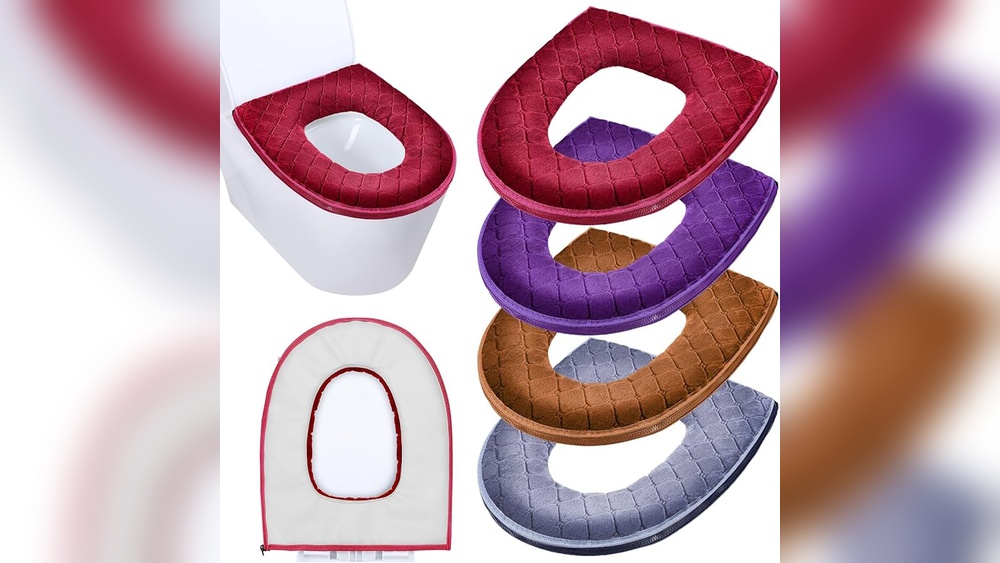
Have you ever stopped to think about what kind of material your toilet seat cover is made of? It might seem like a small detail, but the material plays a big role in your comfort, hygiene, and even the durability of your bathroom essentials.
Knowing what goes into these everyday items can help you make smarter choices for your home. Keep reading, and you’ll discover the common materials used in toilet seat covers and why they matter for your daily routine.
Credit: www.walmart.com
Types Of Toilet Seat Cover Materials
Toilet seat covers come in various materials. Each type offers different comfort, durability, and hygiene levels. Choosing the right material depends on your needs and preferences. Below are common types of toilet seat cover materials.
Plastic Covers
Plastic covers are lightweight and easy to clean. They resist stains and water damage well. These covers often come in many colors and styles. Plastic is a budget-friendly option for many bathrooms.
Paper Covers
Paper covers are thin and disposable. They provide a clean surface for one-time use. These covers are common in public restrooms. Paper covers help maintain hygiene but tear easily.
Foam Covers
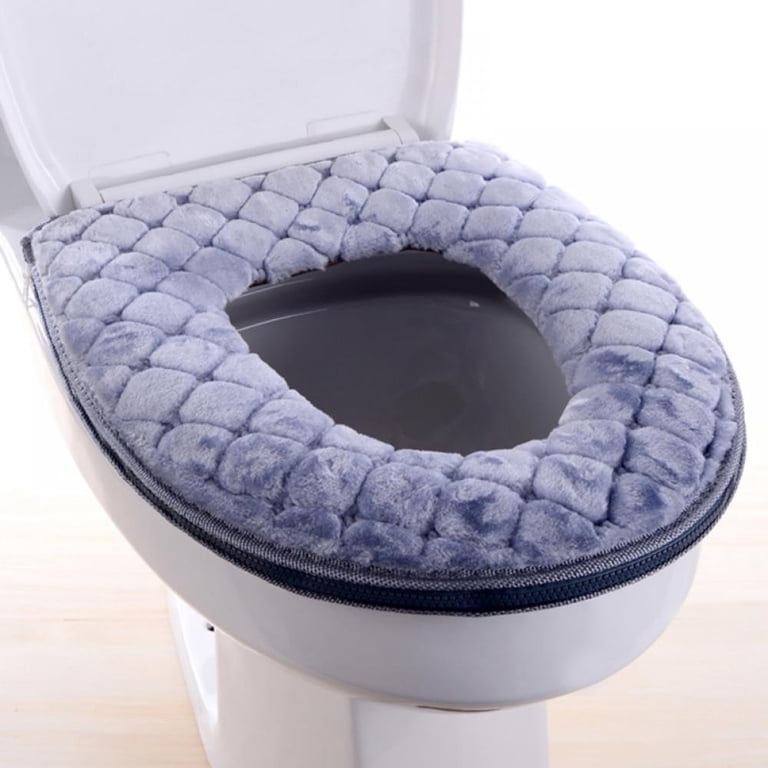
Foam covers offer soft and comfortable seating. They provide warmth during cold weather. Foam absorbs moisture quickly, so it needs regular cleaning. These covers add a cozy touch to the bathroom.
Wooden Covers
Wooden covers look classic and sturdy. They add a natural feel to the space. Wood is warm to touch but can absorb moisture. Regular sealing helps protect wooden covers from damage.
Vinyl Covers
Vinyl covers are smooth and water-resistant. They are easy to wipe clean and maintain. Vinyl can be padded for extra comfort. These covers are durable and good for busy bathrooms.

Credit: www.walmart.com
Advantages Of Different Materials
Toilet seat covers come in different materials, each with unique benefits. Choosing the right material affects how long the cover lasts, how clean it stays, and how comfortable it feels. Understanding these advantages helps pick the best seat cover for any bathroom.
Durability And Strength
Plastic covers are strong and resist cracks. They handle daily use without breaking easily. Wood covers offer solid support and last for years. Some materials resist stains and scratches well, keeping the seat cover looking new.
Hygiene And Cleanliness
Plastic and vinyl covers are easy to clean. They do not absorb water or germs. Paper covers are disposable, reducing bacteria spread. Some materials dry quickly, preventing mold and bad smells.
Comfort And Softness
Foam and padded covers feel soft on the skin. They add warmth, especially in cold bathrooms. Wood covers can be less comfy but offer a solid seat. Soft materials improve the overall bathroom experience.
Eco-friendliness
Biodegradable paper covers break down quickly after use. Bamboo and wood covers come from renewable sources. Some plastics can be recycled to reduce waste. Choosing eco-friendly materials helps protect the environment.
Choosing The Right Material For Your Needs
Choosing the right material for your toilet seat cover affects comfort, hygiene, and durability. Different materials suit different settings. Your choice depends on where you use it, your budget, allergies, and how often you clean it. Understanding these factors helps you pick the best option.
Home Use Vs Public Restrooms
At home, comfort matters most. Soft materials like cushioned vinyl or wood feel warm and cozy. They add style to your bathroom.
In public restrooms, hygiene is key. Hard plastic or disposable paper covers work best. They are easy to clean and replace often. These materials resist germs and wear well.
Budget Considerations
Plastic seat covers are usually the cheapest option. They last long and are easy to find. Wood or cushioned seats cost more but offer extra comfort.
Disposable paper covers are low cost for short-term use. Think about how much you want to spend over time. A higher price may mean better quality and comfort.
Allergy And Sensitivity Factors
Some materials cause skin irritation or allergic reactions. Avoid seats with strong chemicals or rough textures.
Hypoallergenic materials like smooth plastic or wood reduce risks. Soft vinyl can irritate sensitive skin. Always check product labels for allergens.
Maintenance And Cleaning
Plastic and wood covers clean easily with a damp cloth and mild soap. They resist stains and moisture well.
Fabric or cushioned seats need more care. They may absorb moisture and odors. Replace them more often to keep hygiene high.
Environmental Impact Of Toilet Seat Covers
Toilet seat covers are common in public and private restrooms. Their environmental impact depends on the materials used. Some covers break down quickly, while others stay in landfills for years. Choosing the right material helps protect the planet. Understanding these impacts guides better choices.
Biodegradable Options
Biodegradable toilet seat covers are made from natural fibers. Materials like bamboo, sugarcane, and recycled paper are common. These covers decompose quickly after use. They reduce waste and lower pollution. Using biodegradable covers supports a cleaner environment.
Recyclability
Some toilet seat covers are recyclable. Covers made of certain plastics can be processed and reused. Clear labeling helps users recycle properly. Recycling reduces the need for new materials. This lowers energy use and carbon emissions.
Waste Reduction Tips
Choose covers with minimal packaging to cut waste. Use reusable toilet seat covers if possible. Dispose of covers in the right bins to aid recycling. Support brands that focus on sustainable products. Small actions combine to reduce environmental harm.
Innovations In Toilet Seat Cover Materials
Toilet seat covers have changed a lot over the years. New materials make them safer, cleaner, and better for the environment. These innovations help keep bathrooms more hygienic and comfortable for everyone.
Modern technology and new ideas shape the future of toilet seat covers. They are no longer just plastic or wood. Today’s covers include special coatings and smart features that improve health and convenience.
Antimicrobial Coatings
Antimicrobial coatings stop germs from growing on the seat. These coatings kill bacteria and viruses on contact. They make the toilet seat much cleaner without extra cleaning effort. This helps reduce the spread of infections in public and home bathrooms.
Sustainable Materials
Many toilet seat covers now use eco-friendly materials. Bamboo and recycled plastics are popular choices. These materials reduce waste and lower environmental impact. They are strong, safe, and often biodegradable. Choosing sustainable covers helps protect the planet for the future.
Smart Toilet Seat Covers
Smart toilet seat covers add useful technology. Some have sensors that detect when you sit down. Others can warm the seat or clean it automatically. These features improve comfort and hygiene. Smart covers make bathroom use easier and more pleasant for everyone.

Credit: www.amazon.com
Frequently Asked Questions
What Materials Are Commonly Used For Toilet Seat Covers?
Toilet seat covers are mainly made from paper, plastic, or wood. Paper covers are disposable and hygienic. Plastic covers offer durability and easy cleaning. Wood or molded wood provides comfort and style but requires regular maintenance.
Are Disposable Toilet Seat Covers Hygienic?
Yes, disposable toilet seat covers are hygienic. They provide a clean barrier between the user and the toilet seat. Made from thin paper, they are designed for single use. This minimizes the risk of germs and bacteria transmission in public restrooms.
Can Toilet Seat Covers Be Recycled Or Composted?
Most paper toilet seat covers are biodegradable and compostable. However, plastic covers usually cannot be recycled easily. Always check local recycling guidelines. Choosing eco-friendly, compostable covers helps reduce environmental impact effectively.
How Do Plastic Toilet Seat Covers Differ From Paper Ones?
Plastic covers are durable and reusable, while paper covers are disposable. Plastic offers better moisture resistance and longevity. Paper covers prioritize hygiene and convenience with single use. The choice depends on the setting and user preference.
Conclusion
Toilet seat covers come in many materials. Each type has its own benefits and uses. Some are soft and warm, while others are strong and easy to clean. Choosing the right material depends on comfort and hygiene needs. Knowing these options helps make better choices for bathrooms.
Simple materials often work best for daily use. Always consider what feels best and stays clean. This way, your bathroom stays fresh and comfortable for everyone.


