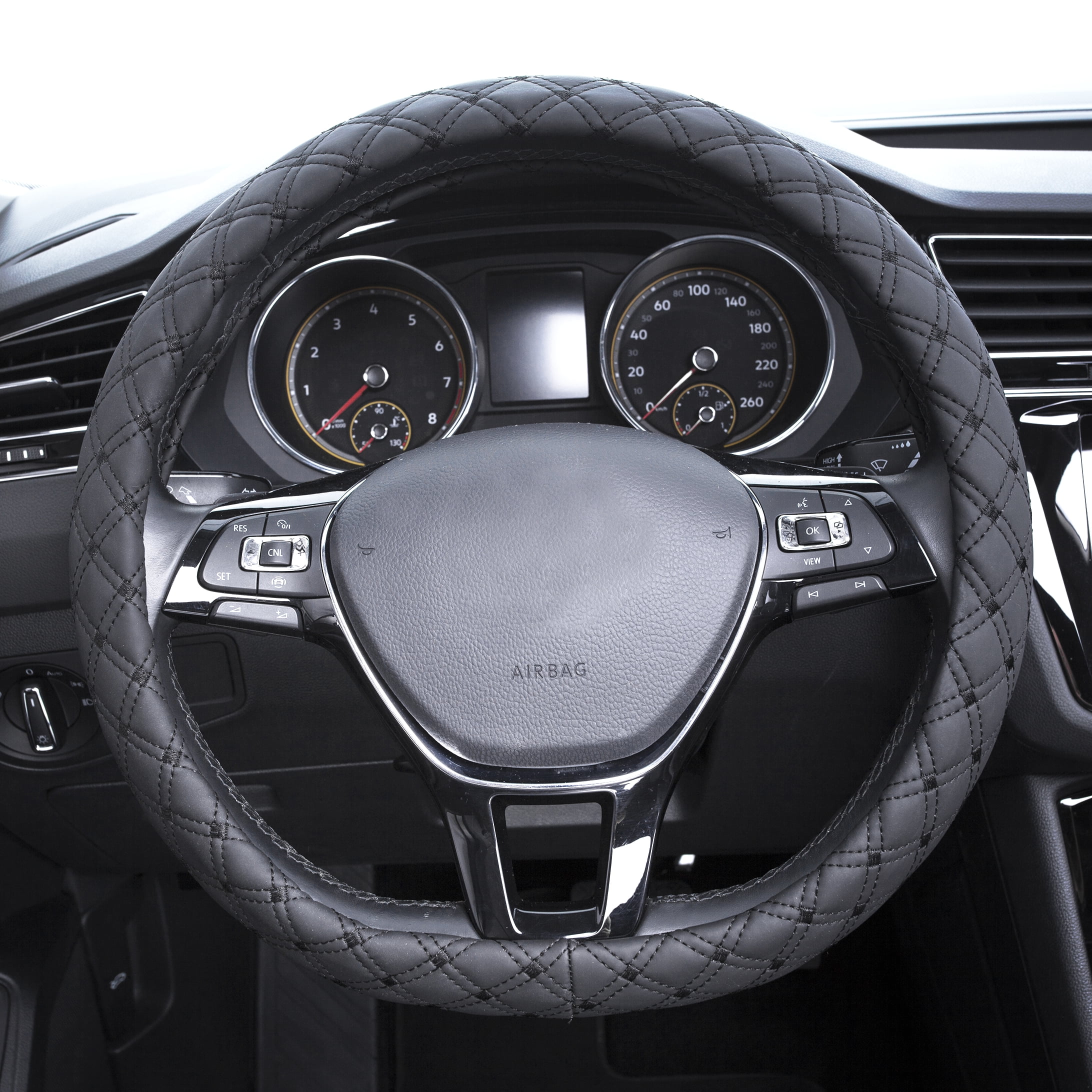
Your car’s steering wheel is something you touch every time you drive, so why not make it feel special? Imagine having a leather cover that fits perfectly, looks great, and gives you a better grip—all made by you.
Making your own leather steering wheel cover is easier than you think. In this guide, you’ll learn simple steps to create a stylish, durable cover that adds comfort and personality to your ride. Ready to transform your driving experience? Keep reading, and let’s get started!
Credit: www.nutco.es
Materials Needed
Making a leather car steering wheel cover needs the right materials. Choosing good quality materials helps create a durable and stylish cover. This section lists the essential items for this project. Gather all materials before starting to avoid interruptions.
Types Of Leather
Pick soft, flexible leather for easy wrapping. Cowhide leather is strong and lasts long. Lambskin feels smooth and looks elegant. Avoid stiff or thick leather that is hard to sew. Choose leather that matches your car’s interior color.
Tools Required
You need sharp scissors to cut the leather precisely. Use a strong needle designed for leather sewing. Heavy-duty thread prevents the cover from falling apart. A leather punch makes holes for stitching. A ruler helps measure your steering wheel accurately.
Additional Supplies
Use fabric glue to hold leather pieces before sewing. Sandpaper smooths rough edges of leather. Clips or clamps keep leather in place while working. A marker or chalk helps mark cutting lines clearly. A measuring tape checks the leather size perfectly.

Credit: www.youtube.com
Preparing The Steering Wheel
Preparing the steering wheel is the first step in making a leather cover. A clean and well-measured wheel makes the cover fit perfectly. This step ensures the leather sticks well and looks neat. Take your time to prepare the wheel carefully. It will help you avoid problems later.
Cleaning The Surface
Start by cleaning the steering wheel thoroughly. Use a mild soap and water solution. Wipe the wheel with a soft cloth to remove dirt and oils. Avoid harsh chemicals that can damage the wheel material. Let the wheel dry completely before moving on. A clean surface helps the leather grip better and last longer.
Measuring The Wheel
Measure the steering wheel’s diameter and thickness. Use a flexible tape measure for accuracy. Note down the measurements carefully. Add a little extra length to cover the wheel fully. Proper measurements help you cut the leather pieces correctly. This step ensures a snug and smooth leather cover.
Cutting The Leather
Cutting the leather is an important step in making a leather car steering wheel cover. It shapes the cover to fit perfectly around the wheel. Careful cutting helps avoid waste and ensures a neat look. Use a sharp blade and a good pattern to guide you.
Marking The Pattern
Start by placing your pattern on the leather. Use a pencil or chalk to mark the outline. Draw clearly but gently to avoid damaging the leather. Double-check the marks to make sure they match the size of your steering wheel. Mark any holes or stitching lines as well.
Cutting Techniques
Use a sharp utility knife or leather scissors for clean cuts. Cut slowly along the marked lines to prevent mistakes. Keep the leather flat on a hard surface while cutting. Avoid pulling or stretching the leather during this step. Smooth, steady cuts give the best results and make assembly easier.
Sewing The Cover
Sewing the cover is the key step in making a leather steering wheel cover. It holds the leather pieces tightly around the wheel. This part needs care and patience. Good sewing keeps the cover strong and neat. It also makes the cover last longer and look better.
Choosing The Stitch Style
Pick a stitch style that fits the leather and wheel shape. The most common choice is the saddle stitch. It is strong and looks classic on leather. Another option is the running stitch. It is faster but less durable. Choose a stitch that feels comfortable for your skill level.
Hand Sewing Tips
Use a thick needle made for leather. Thread the needle with strong waxed thread. Pull the thread tight but not too much to avoid tearing. Work slowly and keep your stitches even. Use a stitching pony or clamp to hold the leather steady. This helps keep your hands free and your stitches straight.
Using A Sewing Machine
Select a heavy-duty sewing machine that can sew leather. Use a leather needle and strong polyester thread. Set the machine to a longer stitch length to avoid holes that weaken the leather. Sew slowly and guide the leather carefully. Keep the leather flat and avoid stretching it as you sew.
Fitting The Cover
Fitting the leather cover on your car steering wheel is an important step. It ensures the cover stays tight and looks good. Proper fitting also makes driving comfortable and safe. Take your time to fit the cover well. This section explains how to stretch and secure the leather cover properly.
Stretching The Leather
Start by loosening the leather cover. Gently pull the edges to stretch it. Stretching makes the leather soft and flexible. It helps the cover fit tightly on the wheel. Avoid pulling too hard to prevent damage. Use your hands evenly around the cover. This avoids wrinkles or lumps on the leather.
Securing The Cover In Place
Place the stretched cover over the steering wheel. Push it down slowly and evenly. Make sure the cover fits snugly all around. Use a strong thread or lace to sew the edges. Tighten the lace carefully to hold the cover in place. Knot the lace securely at the end. Check the cover for any loose spots. Adjust and tighten as needed for a perfect fit.
Finishing Touches
Finishing touches give your leather steering wheel cover a polished look. These final steps protect the leather and add style. Take your time to make the cover last long and look great.
Conditioning The Leather
Conditioning keeps the leather soft and prevents cracks. Use a small amount of leather conditioner on a clean cloth. Rub it gently over the entire surface. Let it soak in for a few minutes. Wipe off any extra conditioner with a dry cloth. This step makes the leather flexible and shiny.
Adding Decorative Elements
Decorative elements make your cover unique and stylish. You can sew on small patches or use leather paint for designs. Choose simple shapes or patterns that match your car’s interior. Avoid heavy decorations that might distract while driving. Keep it neat and balanced for the best look.
Maintenance Tips
Proper care keeps your leather steering wheel cover looking great. Regular maintenance extends its life. It also keeps the leather soft and comfortable to hold. Follow these easy tips to care for your cover and protect your investment.
Cleaning The Cover
Dust and dirt build up over time on the leather surface. Use a soft cloth to wipe the cover gently. A damp cloth with mild soap works well for deeper cleaning. Avoid soaking the leather. Let it air dry naturally. Do not use harsh chemicals or abrasive materials. These can damage the leather’s finish and texture.
Avoiding Wear And Tear
Wear happens fast if you neglect the cover. Avoid exposing it to direct sunlight for long periods. Heat can dry out and crack the leather. Remove the cover carefully when not in use to prevent stretching. Avoid sharp objects that might scratch the surface. Rotate the cover occasionally for even wear. This simple step helps maintain its shape and look.

Credit: battledental.com
Frequently Asked Questions
How Do I Start Making A Leather Steering Wheel Cover?
Begin by measuring your steering wheel’s diameter and circumference. Choose quality leather and cut it to fit. Prepare stitching holes for easy sewing and gather necessary tools like needles and thread.
What Tools Are Needed For A Leather Cover?
You need leather, strong thread, needles, scissors, a ruler, and a leather punch. These tools help cut, stitch, and secure the cover properly on the wheel.
How Long Does It Take To Make The Cover?
Making a leather steering wheel cover usually takes 2 to 4 hours. Time varies based on skill and complexity of stitching techniques used.
Can I Customize The Cover Design?
Yes, you can add embroidery, colored stitching, or stamped patterns to personalize your cover. Customization enhances grip and style.
Conclusion
Making a leather steering wheel cover is simple and rewarding. You only need basic tools and some patience. The cover adds comfort and style to your car. It also protects the wheel from wear and tear. Take your time cutting and sewing the leather carefully.
A well-made cover fits snugly and looks great. Try this project to give your car a personal touch. Enjoy the feeling of a smooth, leather-covered steering wheel every time you drive.