

Have you ever wondered why your car seems to guzzle more fuel than it should? The answer might be hiding in a small, often overlooked part—your air filter.
This simple component plays a bigger role in your vehicle’s fuel efficiency than you might think. By keeping your engine clean and running smoothly, an air filter can actually help you save money at the pump. Curious to know how it works and what you can do to improve your fuel mileage starting today?
Keep reading, because understanding this could change the way you drive—and save you more money than you expect.
Role Of Air Filters In Engines
Air filters play a key role in an engine’s health and efficiency. They stop dirt, dust, and debris from entering the engine. Clean air is vital for the engine to work well. Without a good air filter, harmful particles can damage engine parts. This damage lowers engine performance and fuel efficiency. A clean air filter helps the engine breathe better. Better breathing means better fuel use and smoother running.
Air Intake And Combustion
The air filter cleans the air before it reaches the engine. The engine mixes this clean air with fuel to create power. If the air is dirty, the fuel does not burn fully. Poor combustion wastes fuel and reduces power. A clean air filter ensures the engine gets enough clean air. This helps the fuel burn completely and efficiently. Proper air intake improves engine power and fuel mileage.
Impact On Engine Performance
A clean air filter supports strong engine performance. It keeps the engine parts safe from damage. A damaged engine works harder and uses more fuel. Clean air filters also help keep engine sensors working well. These sensors adjust the fuel and air mix for best results. Good air flow improves acceleration and saves fuel. Regular air filter checks can keep your engine running smooth and save money on fuel.
Credit: www.youtube.com
Air Filters And Fuel Efficiency
Air filters play a key role in how your car uses fuel. They clean the air before it reaches the engine. Clean air helps the engine burn fuel better. This can improve fuel efficiency and save money on gas.
Clean Air For Optimal Combustion
Engines need air to mix with fuel for combustion. Dirt and dust in the air can clog the engine. A clean air filter blocks these particles. This allows more fresh air to reach the engine. More air means better fuel burning and power.
Reducing Fuel Consumption
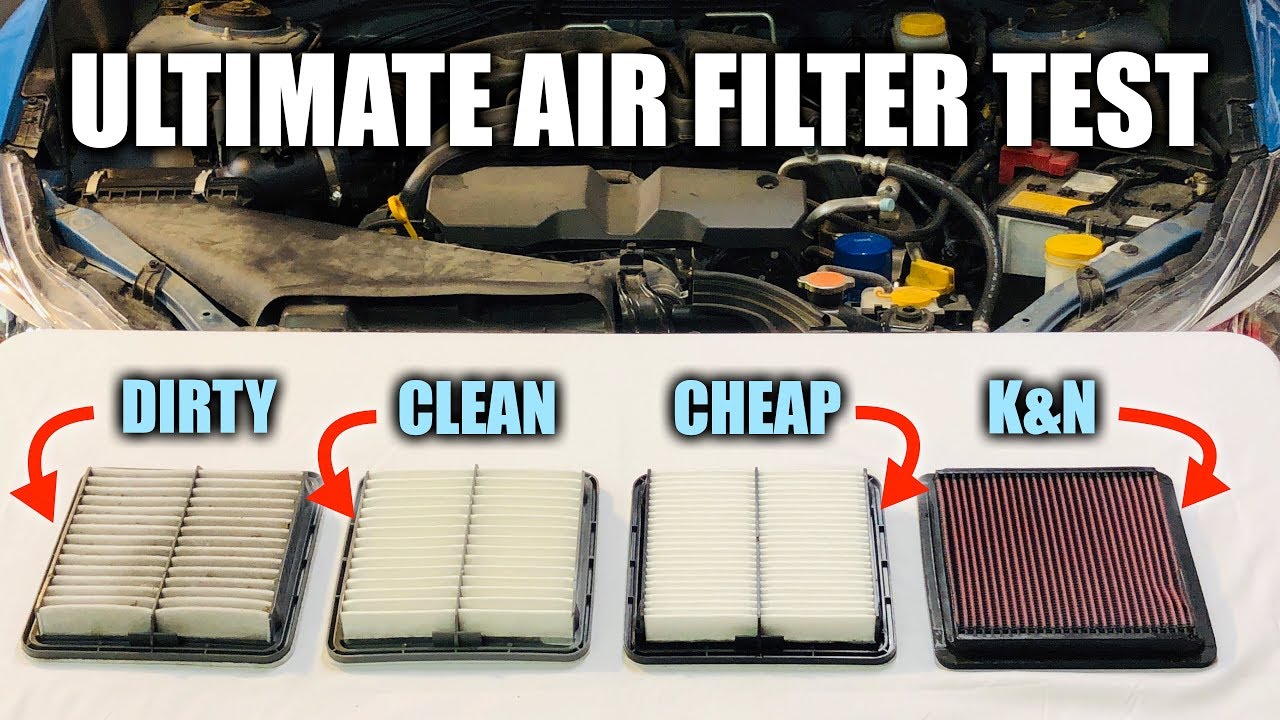
A dirty air filter makes the engine work harder. The engine uses more fuel to compensate for less air. This leads to higher fuel consumption. Changing air filters regularly keeps fuel use low. It helps your car run smoothly and saves fuel.
Signs Of A Dirty Air Filter
A dirty air filter affects your car’s fuel efficiency and engine health. It blocks airflow, making the engine work harder. You may notice changes that tell you the filter needs cleaning or replacing. Recognizing these signs helps keep your car running smoothly and saves fuel.
Decreased Fuel Mileage
One common sign is lower fuel mileage. Your car uses more gas to move the same distance. The engine gets less air, so it burns more fuel. This means you fill up your tank more often than usual. Paying attention to fuel use helps spot a dirty air filter early.
Engine Struggles And Emissions
The engine may struggle to start or run smoothly. It can hesitate or stall during driving. Dirty air filters cause incomplete combustion, leading to more smoke and pollution. You might see black smoke from the exhaust. These issues affect your car’s performance and the environment.

Credit: www.reddit.com
Choosing The Right Air Filter
Choosing the right air filter is important for better fuel mileage. A good filter keeps dirt out of the engine. It helps air flow smoothly. Clean air helps the engine burn fuel well. This saves gas and improves mileage.
Types Of Air Filters
There are several types of air filters for cars. Paper filters are common and cheap. They trap dirt well but need changing often. Foam filters are reusable and wash easily. They allow good airflow but need care. Cotton filters are high quality and last longer. They improve airflow more than paper filters. Each type fits different engines and needs.
Filter Materials And Lifespan
Air filters come in different materials. Paper is thin and disposable. It works well but wears out fast. Foam is soft and can be cleaned. It lasts longer but needs regular washing. Cotton filters use layers of fabric. They last the longest and can be oiled for better filtering. Lifespan depends on driving conditions. Dusty roads mean changing filters more often. Clean filters keep fuel use low and engines healthy.
Maintaining Your Air Filter
Maintaining your air filter is key to better fuel mileage. A clean air filter allows your engine to breathe properly. This helps the engine burn fuel efficiently. Dirty or clogged filters reduce airflow. This makes the engine work harder and use more fuel.
Regular care of your air filter keeps your car running smoothly. It also saves you money on gas. Simple steps can make a big difference in fuel economy.
Replacement Intervals
Check your air filter every 12,000 to 15,000 miles. Replace it sooner if you drive in dusty areas. Old filters block air and reduce fuel efficiency. Follow the car maker’s guide for exact intervals. Timely replacement keeps your engine clean and efficient.
Diy Cleaning Tips
Some air filters can be cleaned at home. Remove the filter carefully from its housing. Use compressed air to blow dirt out from the inside. Avoid damaging the filter material. Let it dry completely before reinstalling. Cleaning extends filter life and improves fuel mileage.
Additional Tips To Boost Fuel Efficiency
Better fuel mileage depends on more than just a clean air filter. Small habits and regular care can help your car use fuel smarter. These additional tips support your efforts to save gas and reduce emissions. They keep your vehicle running smoothly and efficiently.
Regular Vehicle Maintenance
Keep your car in good shape with routine checks. Change oil and filters on time. Check tire pressure often; low tires waste fuel. Replace spark plugs if your car runs rough. Clean or replace the air filter regularly. Well-maintained parts help the engine run better. This cuts fuel use and saves money on repairs.
Driving Habits That Save Fuel
Drive with care to reduce gas use. Avoid sudden starts and hard braking. Smooth acceleration uses less fuel. Slow down on highways; high speeds burn more gas. Turn off the engine if you stop for long. Use cruise control on flat roads to keep steady speed. Lighten your load; extra weight lowers fuel efficiency.
Credit: lepaystchad.com
Frequently Asked Questions
How Does A Clean Air Filter Improve Fuel Efficiency?
A clean air filter ensures proper airflow to the engine. This helps the engine burn fuel more efficiently. Improved combustion reduces fuel consumption, boosting mileage and saving money on gas.
Can A Dirty Air Filter Reduce Gas Mileage?
Yes, a dirty air filter restricts airflow, causing the engine to work harder. This leads to poor fuel combustion and increased fuel consumption, lowering your vehicle’s gas mileage.
How Often Should I Replace My Air Filter?
Replace your air filter every 12,000 to 15,000 miles. Check it more often if you drive in dusty conditions. Regular replacement maintains good airflow and optimal fuel efficiency.
Does An Air Filter Affect Engine Performance?
Yes, a clogged air filter limits airflow, reducing engine power. A clean filter improves airflow, enhancing engine performance and fuel economy. It also prevents engine damage from dust and debris.
Conclusion
A clean air filter helps your engine breathe better air. This improves fuel burning and saves gas. Dirty filters block airflow and waste fuel. Changing filters regularly keeps your car running well. It also lowers pollution and engine wear. Simple care can bring steady fuel savings.
Small steps add up to big benefits. Keep your air filter clean for better mileage.


