

If you’ve ever wondered how to quietly reduce noise using everyday items, you’re in the right place. Making a silencer out of a fuel filter might sound unusual, but it’s a clever trick that could save you time and money.
Imagine having a simple, effective way to muffle sound without buying expensive gear. In this guide, you’ll discover step-by-step how to turn a common fuel filter into a working silencer. Ready to learn something practical and surprising? Keep reading, and you’ll be able to create your own silencer quickly and safely.

Credit: airgunforums.co.uk
Materials Needed
Gathering the right materials is the first step. This ensures the silencer works well and stays safe. Use items that are easy to find and handle.
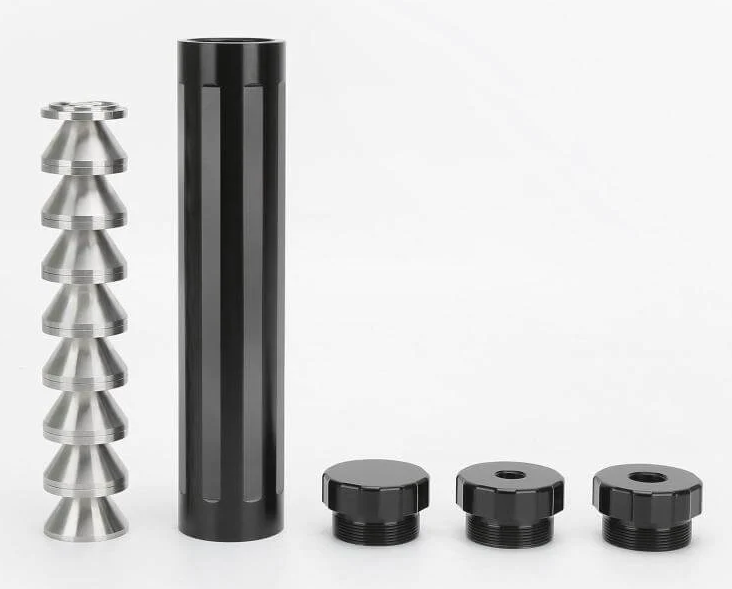
Each material has a role. Fuel filters are key because they help reduce noise. Other parts help hold the silencer together and make it fit properly.
Fuel Filter
Choose a clean, unused fuel filter. It acts as the main body of the silencer. The filter material inside absorbs sound effectively.
Metal Tubing
Metal tubing fits around the filter. It keeps the parts together and adds strength. Use tubing that matches the filter size.
Rubber Seals
Rubber seals prevent air leaks. They ensure the silencer works quietly. Pick seals that fit tightly around the tubing and filter.
Clamps Or Hose Clips
Clamps hold the tubing and filter firmly. They stop the parts from moving or slipping. Use strong clamps that can be tightened well.
Basic Tools
Tools like screwdrivers and pliers help with assembly. You may need a knife to trim parts. Keep tools ready before starting the build.
Choosing The Right Fuel Filter
Choosing the right fuel filter is a key step in making a silencer out of it. Not all fuel filters work the same for this purpose. Picking the correct one ensures better sound reduction and easier assembly.
Fuel filters come in different shapes and sizes. Some are designed for cars, others for motorcycles or small engines. The size affects how well the silencer will fit and perform.
Material Matters
Fuel filters are made from metal, plastic, or a mix of both. Metal filters are stronger and handle heat better. Plastic filters may melt or break under high temperature. Choose metal for durability and safety.
Size And Shape
Look for a fuel filter with a cylindrical shape. This shape fits well and allows sound waves to bounce inside. The filter should be large enough to hold sound but small enough to fit your device.
Internal Filter Type
Fuel filters use paper, mesh, or foam inside. Paper filters trap dirt but may block sound too much. Mesh and foam filters let sound pass but still reduce noise. Pick one that balances filtering and sound dampening.
Connection Type
Check how the filter connects to pipes. Some have threaded ends, others use clips or clamps. Choose a filter with easy-to-use connectors for better installation and removal.
Tools Required
Gathering the right tools is the first step to making a silencer from a fuel filter. Each tool plays a key role in shaping and assembling the parts safely. Having them ready makes the process smoother and faster.
Some tools help cut and shape metal, while others secure parts together. Using the right equipment ensures a clean and precise build. Without these tools, the project can become difficult and unsafe.
Cutting Tools
Sharp cutting tools like a hacksaw or rotary tool are needed to trim the fuel filter. These help remove unwanted parts and create openings. A steady hand and sharp blades make clean cuts easier.
Drilling Tools
A drill with metal bits is important to make holes for screws or attachments. These holes allow parts to fit together tightly. Drilling helps keep everything aligned and secure.
Measuring Tools
Rulers, tape measures, or calipers help measure parts accurately. Precise measurements prevent mistakes during cutting and drilling. Proper size ensures the silencer works well.
Fastening Tools
Screwdrivers, pliers, and wrenches are needed to fasten screws and bolts. These tools hold the parts tightly, preventing gaps or loose pieces. Tight fastening improves the silencer’s durability.
Safety Gear
Gloves, safety glasses, and masks protect your hands, eyes, and lungs. Handling metal and dust can be dangerous without protection. Always use safety gear to avoid injuries.
Credit: smokinggun.org
Preparing The Fuel Filter
Preparing the fuel filter is the first key step in making a silencer. It must be clean and free from any parts inside. This ensures better sound reduction and safety. Take your time and follow each step carefully to get the best result.
Cleaning The Filter
Start by rinsing the fuel filter with warm water. Remove any dirt or fuel residue. Use a soft brush to scrub the outside gently. Dry it well with a clean cloth. Make sure no moisture stays inside the filter. This prevents rust and damage later on.
Removing Internal Components
Next, open the fuel filter carefully. Use pliers or a small tool to take out the internal parts. These parts can block airflow and reduce silencing. Dispose of them safely to avoid any hazards. After removal, check the inside for leftover pieces. Clean the inside again if needed to keep it clear.
Modifying The Filter For Sound Reduction
Modifying the fuel filter is key to reduce noise effectively. The filter’s original design does not block sound well. Changes help trap sound waves and lower the noise output. Two main steps improve the filter’s function as a silencer. These are adding sound-absorbing material and sealing the ends tightly.
Adding Sound-absorbing Material
Fill the inside of the filter with soft material. Cotton, foam, or steel wool work well. These materials absorb sound waves and stop them from escaping. Avoid packing the filter too tight. Leave some space for air to flow through easily. The right balance cuts noise without blocking airflow.
Sealing The Ends
Seal both ends of the filter to trap sound inside. Use rubber caps or silicone seals. Make sure the seals fit tightly around the pipe. This stops sound from leaking through gaps. A good seal also holds the absorbing material in place. Check the seals regularly to keep them secure and intact.
Credit: www.recoilweb.com
Attaching The Silencer To The Device
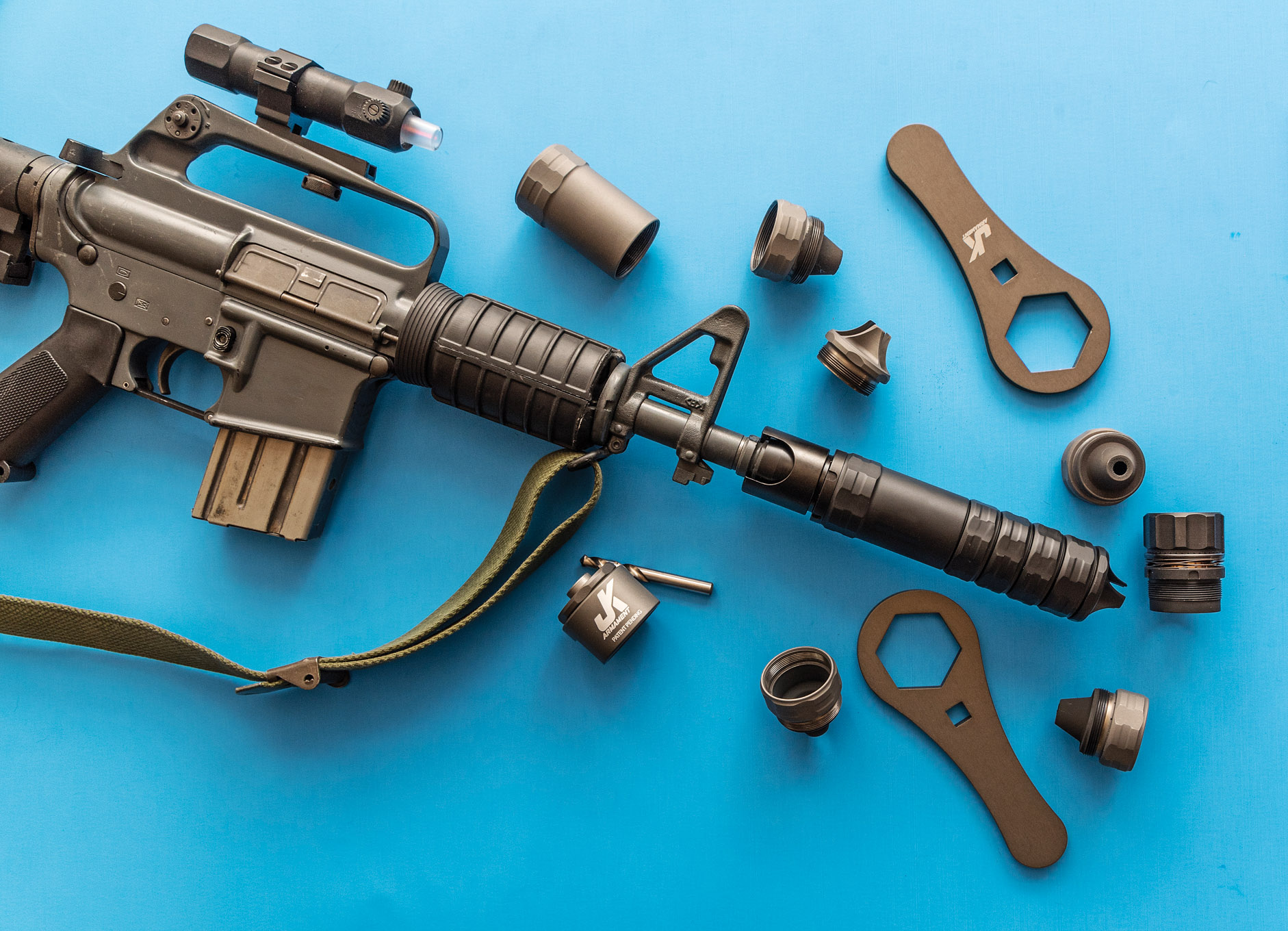
Attaching the silencer made from a fuel filter is a key step. It affects how well the device works and stays safe. A solid connection reduces noise and prevents accidents. Use the right method to join the silencer to the device. This section explains easy ways to fit and secure the silencer properly.
Fitting Techniques
Start by cleaning both the device outlet and the fuel filter silencer. Dirt or oil can stop a tight fit. Slide the silencer onto the device’s barrel or opening. Twist gently to align parts correctly. Use a clamp or strong tape for a firmer hold. Avoid forcing parts together to prevent damage. Check that the silencer sits straight and covers the outlet fully.
Ensuring Secure Attachment
After fitting, test the silencer by moving the device carefully. It should not wobble or loosen. Tighten clamps or tape if needed. Use heat-shrink tubing for extra security if available. Always keep safety in mind; loose parts can cause harm. Regularly inspect the connection before each use. A secure attachment ensures quieter and safer operation every time.
Testing The Silencer
Testing the silencer is an important step after making it from a fuel filter. This step shows how well it lowers the noise. It helps find any parts that need fixing or changing. Careful testing makes sure the silencer works safely and quietly. Follow the steps below to check and improve your silencer’s performance.
Checking Noise Reduction
Start by turning on the device with the silencer attached. Listen closely to the sound it makes. Compare this sound to the noise without the silencer. Notice if the noise is softer or less sharp. Move the silencer slightly and listen again. Try to find the quietest position for the silencer. Use a sound meter app if you want exact noise levels. This helps measure how much noise the silencer blocks.
Making Adjustments
If the noise is still loud, adjust the silencer inside the fuel filter. Add or remove cotton or foam to change how sound travels. Tighten or loosen parts to stop air leaks. Test the noise after each change. Keep adjusting until the sound is much lower. Also, check if the silencer fits well and stays in place. Small changes can make a big difference in noise reduction.
Safety Tips
Safety is the most important part of making a silencer out of a fuel filter. This process involves tools and materials that can be dangerous. Always take the right steps to protect yourself and others around you. Follow these safety tips to avoid accidents and injuries.
Wear Protective Gear
Always wear safety glasses to protect your eyes from sparks and debris. Use gloves to protect your hands from sharp edges and hot surfaces. Consider wearing a mask to avoid inhaling dust or fumes.
Work In A Well-ventilated Area
Choose a place with fresh air to avoid breathing harmful fumes. Avoid working in closed spaces. Good airflow reduces the risk of inhaling dangerous gases.
Handle Tools Carefully
Use tools only as they are meant to be used. Keep your hands steady and focused. Turn off tools when not in use. Keep sharp tools away from your body.
Check The Fuel Filter For Safety
Make sure the fuel filter is empty and clean before starting. Residual fuel can catch fire or explode. Inspect the filter for cracks or damage that could cause leaks.
Keep A Fire Extinguisher Nearby
Always have a fire extinguisher ready. Sparks from cutting or grinding can start fires. Be prepared to act fast if needed.
Legal Considerations
Making a silencer out of a fuel filter might sound simple. Yet, the legal risks are serious. Laws about silencers vary by country and state. Ignoring these rules can lead to heavy penalties. Understanding the legal side protects you and others.
Understanding Local Laws
Each place has its own rules on silencers. Some areas ban making or owning them. Others allow them only with special permits. Check your local laws before starting any project. This stops you from breaking the law unknowingly.
Permits And Licensing
Many places require a permit to own or build a silencer. The process to get one may be strict. It can include background checks and fees. Never skip this step if your area demands it. Legal permits keep you safe and legal.
Consequences Of Illegal Use
Illegal silencers carry serious punishments. These can include fines, jail time, or both. Police take silencer laws very seriously. Being caught can damage your future opportunities. Respecting the law avoids these harsh outcomes.
Safe And Legal Alternatives
Consider legal options to reduce noise. Commercial silencers often meet legal standards. These products come with safety and compliance guarantees. Using approved devices is the safest path. It keeps you within the law and protects others.
Frequently Asked Questions
How Effective Is A Fuel Filter As A Silencer?
A fuel filter can reduce noise by dampening sound waves. It’s not as efficient as commercial silencers but offers a budget-friendly option. Effectiveness depends on filter quality and installation method. Always test for safety and noise reduction before regular use.
What Materials Are Needed To Make This Silencer?
You need a clean fuel filter, basic hand tools, and sealing tape. Optionally, use rubber gaskets for better noise isolation. Ensure the filter is metal or sturdy plastic for durability. Using only the right materials improves silencer performance and safety.
Is It Legal To Use A Homemade Silencer?
Homemade silencers may be illegal depending on your country or state laws. Always check local regulations before making or using one. Unauthorized silencers can lead to fines or legal trouble. Prioritize safety and compliance in all projects involving silencers.
How Do You Install A Fuel Filter Silencer Correctly?
Install the silencer between the exhaust pipe and the muffler. Secure it tightly to prevent leaks and rattling. Ensure no fuel flow is blocked or affected. Proper installation maximizes noise reduction and maintains engine performance.
Conclusion
Making a silencer from a fuel filter is simple and clear. This method uses easy-to-find parts and basic tools. It helps reduce noise quietly and safely. Always check local laws before making or using one. Safety should be your top priority at all times.
Now you have a practical way to create a silencer. Try it carefully and enjoy the quiet results.


