Are you ready to add a personal touch to your car and sharpen your SolidWorks skills? Making a steering wheel cover in SolidWorks is easier than you might think, and it’s a great way to create something both functional and stylish.
In this guide, you’ll discover step-by-step instructions that break down the process into simple parts. Whether you’re a beginner or looking to improve your design techniques, you’ll find tips that save time and boost your confidence. Keep reading to unlock the secrets of designing your own perfect steering wheel cover!
Preparing Your Workspace
Creating the base sketch is the first step in making a steering wheel cover in SolidWorks. This sketch forms the foundation of your design. It helps to shape the cover to fit the steering wheel perfectly. A clear and accurate base sketch saves time later. It also ensures the cover fits well and looks good.
Focus on drawing the main profile of the steering wheel first. Then, define the key dimensions carefully. These steps guide you in shaping the steering wheel cover correctly.
Drawing The Steering Wheel Profile
Start by opening a new sketch on the front plane. Use the circle tool to draw the outer edge of the steering wheel. Then, draw the inner circle that matches the wheel’s inner diameter. Connect the circles smoothly to mimic the wheel’s shape. Use the spline or line tool for any curves or details. Keep the sketch simple but accurate.
Defining Key Dimensions
Use the smart dimension tool to set the exact sizes. Measure the outer and inner diameter of the steering wheel. Add dimensions for thickness and any special shapes. Make sure all parts of the sketch have clear, fixed sizes. This prevents errors in later steps. Double-check the measurements for accuracy.
Creating The Base Sketch
Modeling the cover shape is a key step in creating a steering wheel cover in SolidWorks. This process shapes the basic form before adding details. It sets the foundation for the final design.
Start with a clear sketch of the cover’s profile. Use simple shapes that match the steering wheel’s curve. Precision here ensures a good fit later.
Extruding The Base Sketch
Begin by selecting the sketch you created for the cover’s outline. Use the Extrude Boss/Base tool to pull the shape into 3D. Choose the right thickness to match the steering wheel size. Keep the extrusion uniform for a smooth shape. Check the preview to avoid errors. Extruding turns your flat sketch into a solid base.
Adding Thickness To The Cover
After extruding the base, add thickness to the cover for strength and realism. Use the Shell feature to hollow out the solid. Set a thickness that fits over the wheel comfortably. This step creates the cover’s inner space. Ensure the thickness is even all around. The cover should look like a real product, not just a solid block.
Modeling The Cover Shape
Adding design features enhances the look and feel of your steering wheel cover. It also improves grip and comfort. SolidWorks offers tools to customize your design with ease. Focus on grip patterns and smooth edges for better usability. These features make your cover both practical and stylish.
Incorporating Grip Patterns
Grip patterns increase the steering wheel cover’s traction. Use the sketch tool to create small shapes on the surface. Circles, diamonds, or grooves work well. Apply the pattern using the linear or circular pattern features. This step adds texture that helps prevent slipping while driving.
Applying Fillets And Chamfers
Fillets and chamfers smooth out sharp edges on your design. Select edges you want to round or bevel. Fillets create rounded corners, improving comfort. Chamfers cut edges at an angle, giving a clean look. These features reduce wear and make handling easier.
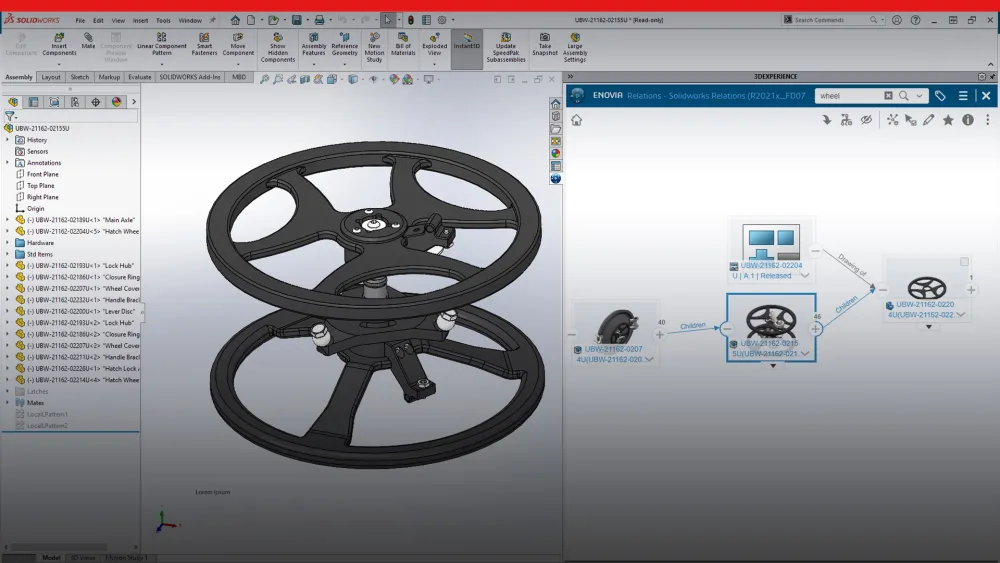
Credit: www.solidworks.com
Adding Design Features
Using surface tools in SolidWorks helps shape the steering wheel cover with precision. These tools allow you to create smooth and complex shapes that fit perfectly. Surfaces offer flexibility to design curved parts that solid features cannot achieve easily.
Working with surfaces lets you build the outer and inner layers of the cover. You can adjust the curves to match the steering wheel’s contour. This method also helps in refining the design without starting over.
Creating Complex Curves
Start by sketching the basic outline of the steering wheel cover. Use spline or arc tools to draw curves that follow the wheel’s shape. Surface tools like “Boundary Surface” or “Lofted Surface” create smooth transitions between these curves.
Adjust control points to fine-tune the curve shape. The goal is a natural, comfortable fit around the wheel. These curves form the base for the cover’s surface.
Trimming And Extending Surfaces
After creating surfaces, trim excess parts to match the design limits. Use the “Trim Surface” tool to cut unwanted areas cleanly. This step ensures the cover fits without extra material.
Extend surfaces if edges do not meet perfectly. The “Extend Surface” command fills gaps and smooths transitions. These adjustments finalize the cover’s shape before thickening or adding details.
Using Surface Tools
Assembling the steering wheel cover in SolidWorks is a key step to see how all parts fit together. This process helps you check the design’s accuracy and functionality. It also prepares the model for final adjustments and testing.
Start by positioning all components in the assembly workspace. Make sure each part is visible and ready to be connected. This stage sets the foundation for a smooth assembly process and helps avoid errors later.
Mating Components
Mating components means connecting parts to each other in the correct position. Use SolidWorks’ Mate feature to join surfaces, edges, or points. This keeps parts aligned and fixed during movement or rotation.
Choose the right mate type for your parts. For example, use concentric mates for circular parts. Use coincident mates to align flat surfaces together. This ensures the cover fits perfectly around the steering wheel.
Test the mates by moving parts slightly. Make sure they stay connected and behave as expected. Adjust mates if the parts shift or overlap incorrectly.
Checking For Interferences
Interferences happen when parts overlap or collide in the assembly. These can cause problems in real-world use. Use SolidWorks’ interference detection tool to find these issues quickly.
Run the tool after mating all components. It highlights areas where parts clash or penetrate each other. Fix these by adjusting mates or redesigning parts as needed.
Clear any interferences before moving to the next step. This ensures the steering wheel cover will fit and work correctly without damage.

Credit: www.youtube.com
Assembling The Cover
Finalizing the model is the last step in creating your steering wheel cover in SolidWorks. This phase makes your design look real and ready for use. It involves adding materials and textures, then rendering the model to see how it will appear in real life. These details help you present a professional and polished design.
Applying Materials And Textures
Start by selecting suitable materials for your steering wheel cover. Choose materials that match the real product, like leather or rubber. Apply textures to give the surface a realistic feel. Use SolidWorks’ material library to find the right options. Adjust the color and finish to suit your design style. Small details like stitching or grain patterns improve the model’s look. This step helps others understand how your cover will feel and appear.
Rendering The Steering Wheel Cover
Rendering creates a high-quality image of your model. Use SolidWorks Visualize or the built-in rendering tools. Set up lighting to highlight the cover’s shape and texture. Choose camera angles that show important features clearly. Rendering helps you check for any design flaws. It also makes your presentation more attractive and convincing. Save your render in a common image format for easy sharing.

Credit: www.javelin-tech.com
Frequently Asked Questions
How Do I Start Designing A Steering Wheel Cover In Solidworks?
Begin by measuring your steering wheel’s dimensions accurately. Then, create a 2D sketch of the cover profile. Use extrusion and surface tools to form the 3D shape. This approach ensures a precise and custom fit for your steering wheel cover.
What Materials Can I Simulate For The Cover In Solidworks?
Solidworks allows you to simulate materials like leather, rubber, and fabric. Choose materials based on flexibility, durability, and grip. Applying realistic material properties helps visualize the final product and improves design decisions.
How Can I Ensure The Cover Fits Perfectly In Solidworks?
Use exact steering wheel measurements for your sketches. Apply assembly mates to check fit and alignment. Testing the model in an assembly helps detect design flaws before manufacturing.
Can I Customize Textures And Patterns On The Cover?
Yes, Solidworks supports applying custom textures and decals. You can import patterns or create embossed designs. This enhances the cover’s aesthetic and makes your design unique.
Conclusion
Creating a steering wheel cover in SolidWorks is simple and fun. Follow each step carefully to get the best result. Practice helps you improve your design skills. Use the software tools to shape and size the cover just right. Try different textures and colors to make it unique.
This project builds your confidence in 3D modeling. Keep experimenting and learning with SolidWorks. Soon, you will design more complex parts easily. Enjoy the process and watch your skills grow!