

Wrapping vinyl around corners can feel tricky, but it doesn’t have to be. If you want your project to look smooth and professional, knowing the right techniques is key.
In this guide, you’ll learn simple steps that make handling corners easier, saving you time and frustration. Whether you’re new to vinyl wrapping or looking to improve your skills, this article will help you get the perfect finish every time.
Keep reading, and you’ll discover how to master vinyl wrapping around corners like a pro.

Credit: www.reddit.com
Choosing The Right Vinyl
Choosing the right vinyl is key to a smooth wrap around corners. The vinyl must bend without tearing or losing grip. It should also look good and last long. Picking the best type of vinyl helps avoid bubbles and wrinkles. It makes your project easier and results neater. Here is what to consider when selecting vinyl for corners.
Types Of Vinyl For Corners
Cast vinyl is the best choice for wrapping corners. It stretches and molds easily without damage. Calendared vinyl works well on flat surfaces but may crack on sharp bends. Cast vinyl also resists fading and shrinking better. Choose cast vinyl for a professional, clean finish around corners.
Thickness And Flexibility
Thin vinyl wraps better around curves and edges. Thicker vinyl can be hard to stretch and may peel. Look for vinyl with good flexibility to follow the shape smoothly. A thickness around 2 to 3 mil works well. Flexible vinyl reduces bubbles and wrinkles on corners.
Color And Finish Options
Vinyl comes in many colors and finishes. Glossy vinyl reflects light and looks shiny. Matte vinyl hides fingerprints and glare. Satin finish gives a soft shine between matte and gloss. Pick a color and finish that matches your style and surface. This choice affects the final look of your wrap.
Preparing The Surface
Preparing the surface is the first step to a smooth vinyl wrap on corners. A clean and even base helps the vinyl stick well. It prevents bubbles and wrinkles during application. Taking time here saves effort later.
Cleaning And Drying
Clean the surface with soap and water. Remove dirt, dust, and grease. Use a soft cloth or sponge to avoid scratches. After washing, dry the surface completely. Moisture can stop the vinyl from sticking properly.
Removing Old Wraps And Residue
Peel off any old vinyl wrap carefully. Use a heat gun or warm water to soften the adhesive. Remove leftover glue with a cleaner made for adhesives. Do not leave sticky patches. They block the new wrap from sticking.
Smoothing Out Imperfections
Check the surface for bumps and dents. Sand down rough spots gently with fine sandpaper. Fill deep scratches or holes with a filler. Let it dry and sand smooth again. A flat surface makes the wrap look neat and lasts longer.
Tools Needed
Vinyl wrapping around corners needs the right tools. Using proper tools helps apply vinyl smoothly and avoid bubbles or wrinkles. This section covers the main tools you need for a neat wrap. Understanding these tools makes the process easier and faster.
Essential Application Tools
Start with a squeegee. It pushes air out and smooths the vinyl. Choose one with a soft edge to avoid scratches. Clean cloths help wipe the surface before and after application. A spray bottle with soapy water can make repositioning easier. Gloves protect your hands and keep the vinyl clean.
Heat Guns And Their Uses
Heat guns soften vinyl for bending around corners. Warm vinyl stretches without tearing. Use low to medium heat. High heat can burn or melt the vinyl. Keep the heat moving to avoid damage. Heat guns also help set the vinyl after application.
Cutting And Trimming Tools
A sharp utility knife or craft blade cuts vinyl precisely. Use a new blade for clean cuts. Scissors work for small or curved cuts. A straight edge or ruler guides your cuts. Trim excess vinyl carefully to avoid damaging the wrap. Replace blades often for best results.
Techniques For Wrapping Corners
Wrapping vinyl around corners is a key skill for a smooth, professional finish. Corners can be tricky because the vinyl needs to fit snugly without wrinkles or bubbles. Using the right techniques helps the vinyl conform perfectly to the surface. These methods also protect the vinyl from damage and ensure long-lasting results.
Stretching And Heating Vinyl
Heat makes vinyl soft and flexible. Use a heat gun to warm the vinyl gently. Stretch the vinyl slowly over the corner while heating. This helps the vinyl fit curves without tearing. Avoid overheating, which can damage the vinyl. Keep the heat moving to prevent burns or bubbles.
Folding Vs. Tucking Edges
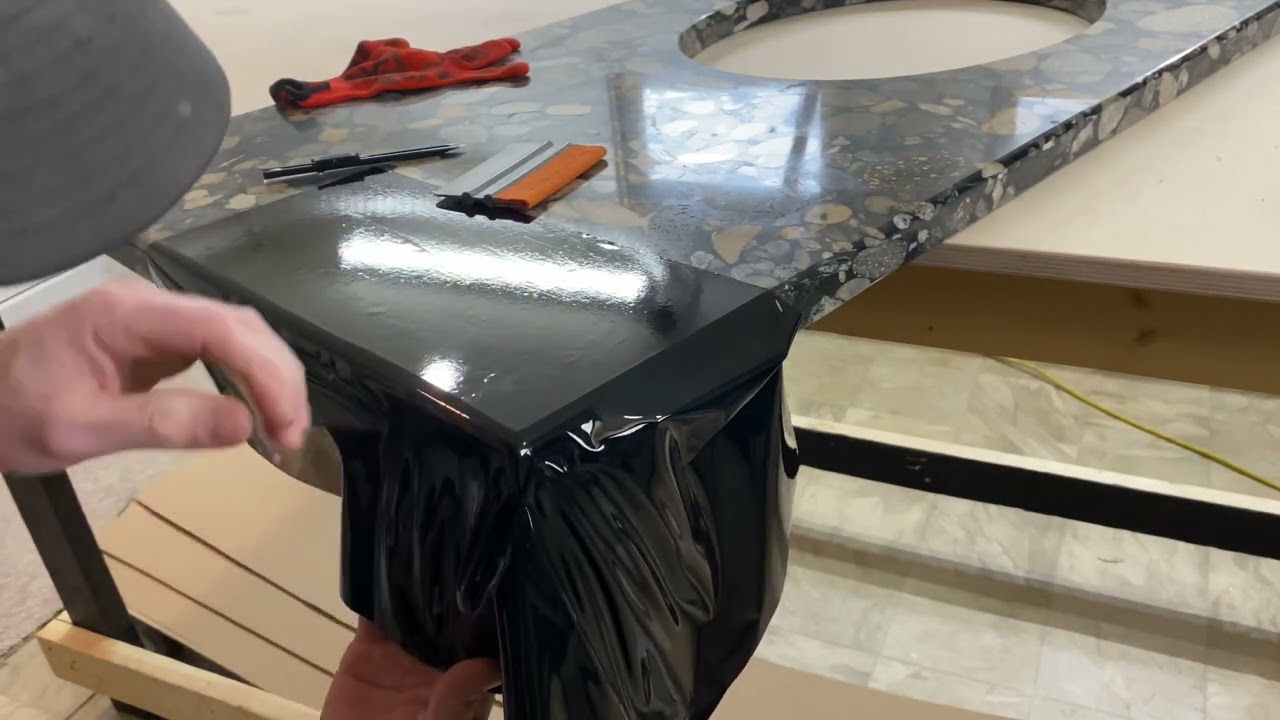
Decide whether to fold or tuck vinyl edges at the corner. Folding creates a sharp, clean line on straight corners. Tucking works better for rounded or complex shapes. Use a squeegee to press folds or tucks firmly. This stops lifting or peeling over time. Choose the method that best fits the corner shape.
Handling Sharp Vs. Rounded Corners
Sharp corners need precise vinyl cuts. Cut small slits to help the vinyl wrap tightly. Avoid large cuts that may show or weaken the wrap. Rounded corners require gentle stretching and heating. Use slow, steady pressure to mold the vinyl. The goal is a smooth surface with no wrinkles.
Avoiding Common Mistakes
Vinyl wrapping around corners can be tricky. Mistakes often happen and can spoil the look. Avoiding common errors helps create a smooth, clean finish. Careful steps make the process easier and results better.
Preventing Air Bubbles
Air bubbles form when air gets trapped under the vinyl. They cause bumps and gaps on the surface. Start by cleaning the area well. Use a squeegee to press the vinyl slowly. Work from the center out to push air out. Heat the vinyl gently to make it more flexible. This helps remove small bubbles. Use a pin to pop stubborn bubbles carefully.
Avoiding Wrinkles And Creases
Wrinkles appear when the vinyl folds or stretches too much. Avoid pulling the vinyl too hard. Heat the vinyl to soften it before wrapping corners. Stretch gently and smooth the vinyl with a squeegee. Work slowly around curves to keep the vinyl flat. If creases form, lift the vinyl slightly and reposition. Patience prevents permanent marks.
Proper Edge Sealing
Edges can lift if not sealed well. Use a heat gun to warm edges for better adhesion. Press edges firmly with a squeegee or cloth. Seal corners by folding vinyl neatly and cutting excess material. Good edge sealing stops peeling and water damage. Check edges after wrapping to fix any loose spots.
Credit: www.youtube.com
Finishing Touches
Finishing touches are crucial for a clean, professional vinyl wrap around corners. These steps ensure the vinyl stays smooth and lasts longer. Take your time and work carefully to avoid mistakes. This final phase brings the wrap to life with a perfect fit and finish.
Trimming Excess Vinyl
Use a sharp blade to cut away extra vinyl near edges. Cut slowly and close to the surface to avoid damage. Keep the blade steady to make smooth, clean cuts. Removing excess vinyl prevents peeling and wrinkling later on.
Post-application Heating
Heat the vinyl gently with a heat gun to soften it. This helps the wrap mold to the corner’s shape better. Move the heat source evenly to avoid burns or bubbles. Heating activates the adhesive for a stronger bond on curves.
Curing Time And Care
Let the vinyl rest for at least 24 hours after application. Avoid washing or touching the wrap during this time. Curing helps the glue stick firmly and the vinyl to settle. Proper care extends the life of your vinyl wrap and keeps it looking fresh.
Troubleshooting Wrap Issues
Troubleshooting wrap issues is a key skill for vinyl wrapping around corners. Small problems can stop the whole job. Fixing these issues quickly keeps the wrap looking smooth and neat. This section covers common problems and easy fixes.
Fixing Lifting Edges
Lifting edges happen when the vinyl does not stick well. Warm the area with a heat gun to soften the vinyl. Press the edge back down firmly with a squeegee. Use an adhesive promoter if the edge keeps lifting. This helps the vinyl stick better to the surface.
Repairing Small Tears
Small tears can ruin the look of your wrap. Clean the area around the tear with alcohol. Use a small patch of matching vinyl behind the tear. Press the patch firmly and smooth out bubbles. Heat the patch slightly to bond it well. Avoid stretching the vinyl too much during repair.
When To Reapply
Sometimes, the wrap needs a full redo. Reapply if the vinyl is heavily damaged or peeling. Remove the old wrap carefully to avoid surface damage. Clean the surface before applying new vinyl. Use good quality vinyl for longer-lasting results. Take your time to apply evenly and without bubbles.
Credit: www.vinylfrog.com
Frequently Asked Questions
How Do You Prepare Corners For Vinyl Wrapping?
Clean the surface thoroughly to remove dirt and oils. Use isopropyl alcohol and a lint-free cloth. Heat the vinyl gently before applying around corners for better flexibility and adhesion.
What Tools Help Wrap Vinyl Around Corners Perfectly?
Key tools include a heat gun, squeegee, and sharp utility knife. The heat gun softens vinyl, the squeegee removes air bubbles, and the knife trims excess material.
Can Vinyl Wrap Stretch Over Sharp Corners?
Yes, vinyl wrap can stretch slightly, but overheating may cause damage. Use controlled heat and avoid overstretching to maintain the vinyl’s integrity and appearance.
How Do You Avoid Wrinkles On Corners During Wrapping?
Apply heat evenly and stretch the vinyl gradually. Use a squeegee to smooth out bubbles and wrinkles while wrapping corners carefully.
Conclusion
Vinyl wrapping around corners takes patience and practice. Start with clean, dry surfaces for best results. Use heat carefully to soften the vinyl and shape it smoothly. Stretch gently to avoid wrinkles or bubbles. Take your time to press edges firmly.
Small cuts help the vinyl fit tight around curves. Remember, each project improves your skill and confidence. Keep these tips in mind for a neat finish every time. You can achieve a professional look with simple steps and care.


