

Your steering wheel is one of the most touched parts of your car, yet it often gets overlooked. Imagine driving with a cover that feels just right—soft, comfortable, and made exactly to your taste.
Making your own steering wheel cover isn’t as hard as you might think. In fact, it’s a simple project that can save you money and give your car a personal touch. If you want a cover that fits perfectly and reflects your style, keep reading.
You’ll learn easy steps that anyone can follow to create a steering wheel cover that you’ll love every time you get behind the wheel.

Credit: happiestcamper.com
Materials Needed
Making a steering wheel cover starts with choosing the right materials. The quality of fabric and tools affects the final look and comfort. Gather all items before beginning to save time. Use materials that fit your style and needs.
Types Of Fabric
Leather gives a classic, durable feel. It is easy to clean and lasts long. Faux leather offers a budget-friendly option with a similar look. Cloth fabrics like cotton or microfiber feel soft and breathable. They work well for hot weather. Neoprene adds water resistance and a sporty touch. Pick fabric that feels good in your hand and suits your car interior.
Tools Required
Strong scissors cut fabric neatly. A needle and thread help sew the cover. Use thick thread for extra strength. A sewing machine speeds up the process but is not mandatory. Measuring tape ensures the cover fits perfectly. Marking chalk or pencil helps outline fabric pieces.
Optional Accessories
Elastic bands keep the cover tight on the wheel. Foam padding adds extra comfort and grip. Decorative stitching can enhance the look. Fabric glue offers an easy way to attach parts. Adding these accessories can improve fit and style.

Credit: www.youtube.com
Measuring Your Steering Wheel
Measuring your steering wheel is the first step to making a perfect cover. Accurate measurements help the cover fit snugly and feel comfortable. Take your time to measure carefully. Use a flexible tape measure or a piece of string and a ruler. Note down every number clearly for later use.
Measuring Diameter
Measure the diameter by placing the tape measure across the center. Go from one edge directly to the opposite edge. This distance is the diameter of your steering wheel. Write down the number in inches or centimeters. It is the main size to know.
Measuring Thickness
Next, measure the thickness of the steering wheel rim. Wrap the tape measure around the wheel’s edge. Divide this length by 3.14 (pi) to get the thickness. This step ensures the cover fits the wheel’s width well.
Recording Measurements
Write down both diameter and thickness clearly on paper. Double-check the numbers to avoid mistakes. Keep the measurements handy while making the cover. Accurate recording saves time and effort later.
Cutting The Fabric
Cutting the fabric is a key step in making a steering wheel cover. It shapes the material to fit snugly and look great. Careful cutting ensures the cover fits well and feels comfortable. This section guides you through creating a template, marking the fabric, and cutting tips.
Creating A Template
Start by making a paper template of your steering wheel. Use a large sheet of paper or newspaper. Wrap it around the wheel and mark the edges. Add extra space for seams and stitching. Cut out the paper shape carefully. This template helps you cut fabric accurately.
Marking The Fabric
Place the paper template on your fabric. Use tailor’s chalk or a fabric marker to trace around it. Mark the fabric on the wrong side to keep the design clean. Double-check measurements before cutting. Mark seam allowances clearly for easier sewing later.
Cutting Tips
Use sharp fabric scissors for clean cuts. Cut slowly along the marked lines to avoid mistakes. Keep the fabric flat and steady. Avoid lifting the fabric too much while cutting. Trim any loose threads or uneven edges after cutting.
Sewing The Cover
Sewing the cover is a key step in making a steering wheel cover. It holds the pieces together and shapes the cover to fit perfectly. Careful sewing ensures durability and a neat look. This section explains how to choose the right stitch, use good sewing techniques, and finish the edges cleanly.
Choosing The Stitch Type
Select a stitch that is strong and flexible. A backstitch or a lockstitch works well for steering wheel covers. These stitches keep the fabric tight and hold under pressure. Avoid stitches that can easily come undone or stretch out.
Choose thread that matches your fabric. Thick, polyester thread lasts longer and resists wear. Use a color close to the cover material for a clean finish.
Sewing Techniques
Start sewing slowly and carefully to align the fabric edges. Use pins or clips to hold the cover pieces together. Sew in small, even stitches to avoid gaps or puckering.
Keep the tension steady on your sewing machine or by hand. This helps keep stitches uniform. Take your time around curves to maintain a smooth shape.
Finishing Edges
Trim any excess fabric near the seams to prevent bulk. Use a zigzag stitch or pinking shears to stop fraying. Fold the edges inward and sew a topstitch for strength.
A neat edge adds to the cover’s comfort and look. It also increases the cover’s lifespan by stopping wear and tear.
Fitting The Cover
Fitting the steering wheel cover properly is key to a good look and safe driving. A cover that fits well feels comfortable and stays in place. Follow simple steps to make sure your cover fits just right.
Stretching Over The Wheel
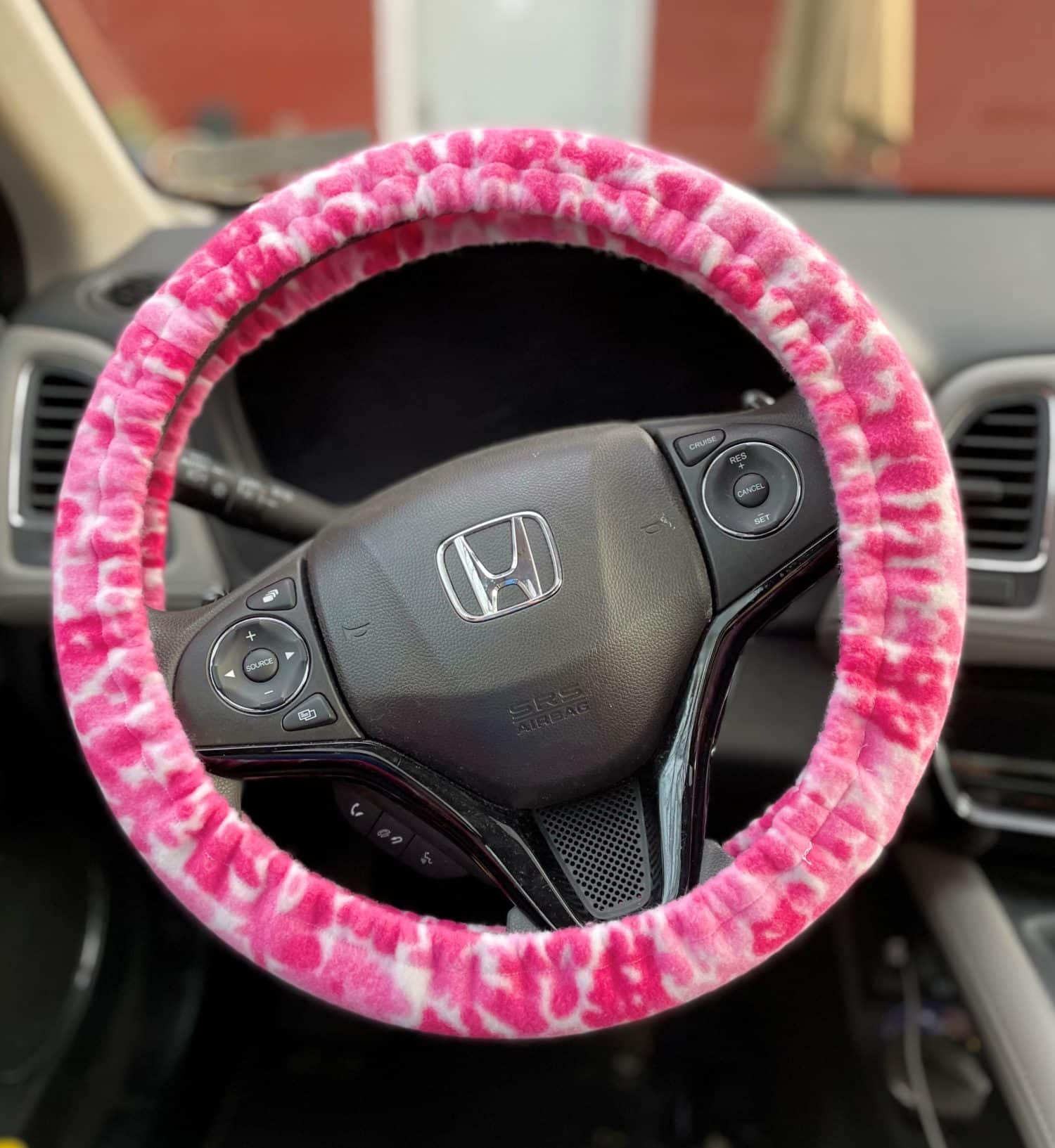
Start by holding the cover with both hands. Stretch it carefully over the top of the steering wheel. Pull down slowly, moving around the wheel evenly. Take your time to avoid tearing the material. The cover should cover the entire wheel surface.
Adjusting For A Snug Fit
After the cover is over the wheel, check for loose areas. Push and pull the cover to remove wrinkles. Make sure it fits tight but not too tight. A snug fit keeps the cover from slipping while driving. Smooth out any folds for a clean look.
Securing The Cover
Some covers have extra straps or elastic bands. Use these to lock the cover in place. If your cover has none, pressing firmly around the wheel edges helps. The cover should stay secure even during sharp turns. Test by turning the wheel a few times to be sure.
Credit: 5outof4.com
Maintenance Tips
Maintaining your steering wheel cover keeps it looking good and lasting longer. Proper care helps prevent dirt buildup and damage. Small efforts make a big difference in the cover’s life.
Cleaning Instructions
Use a soft cloth to wipe the cover regularly. Mild soap and water work well for cleaning. Avoid harsh chemicals that can damage the material. Dry the cover completely after cleaning. Regular cleaning stops stains and dirt from settling deep.
Repairing Minor Damage
Check the cover for small tears or loose threads. Use fabric glue or needle and thread to fix minor rips. Act quickly to prevent damage from spreading. Small repairs keep the cover strong and usable.
Extending Cover Life
Keep the cover away from direct sunlight when parked. Heat and sun can cause fading and cracking. Remove the cover occasionally to air it out. Store the cover properly if you take it off. These steps help the cover stay fresh and durable.
Frequently Asked Questions
What Materials Do I Need To Make A Steering Wheel Cover?
You need fabric or leather, foam padding, strong thread, needle, and scissors. Optional items include glue and a sewing machine for durability.
How Long Does It Take To Make A Steering Wheel Cover?
Typically, it takes 1 to 2 hours depending on skill level and complexity. Beginners may take longer to ensure proper fitting and stitching.
Can I Customize The Steering Wheel Cover Design?
Yes, you can choose colors, patterns, and textures to match your car’s interior. Personalizing adds style and comfort while protecting the wheel.
How Do I Ensure A Perfect Fit For The Cover?
Measure your steering wheel’s diameter and thickness precisely. Use these dimensions when cutting fabric and padding to ensure a snug fit.
Conclusion
Making a steering wheel cover is simple and fun. It protects your wheel and adds style. Use the right materials for a good fit. Take your time to measure and sew carefully. A handmade cover saves money and feels personal.
Try this project to improve your car’s look. Enjoy driving with a fresh, comfortable grip. Small effort, big difference. Give it a try today!


