Are you ready to give your wheels a sleek, modern look without spending a fortune? Making turbofan wheel covers yourself is easier than you think.
These covers don’t just boost your car’s style—they can improve airflow and protect your wheels too. In this guide, you’ll discover simple steps and handy tips that anyone can follow. By the end, you’ll have the skills to create stunning turbofan wheel covers that turn heads wherever you go.
Keep reading, and let’s get started on transforming your ride!
Materials Needed
Creating turbofan wheel covers requires some basic materials and tools. Having the right items ready makes the process smoother. This section covers what you need to gather before starting.
Essential Tools
Start with a measuring tape to get exact dimensions. A pencil helps mark cutting lines clearly. Use scissors or a utility knife for clean cuts. A drill with small bits is useful for making holes. Sandpaper smooths rough edges. Finally, a screwdriver helps to fix parts together.
Types Of Materials
Choose lightweight but sturdy materials. Plastic sheets work well for the main structure. Thin aluminum sheets give strength and a sleek look. Spray paint adds color and protection. Use strong glue or double-sided tape for sticking parts. Small screws or rivets hold pieces securely.
Where To Buy Supplies
Hardware stores have most tools and materials. Craft shops carry paints and adhesives. Online marketplaces offer a wide range of items. Check local stores for plastic and metal sheets. Buying from trusted sellers ensures good quality supplies.
Design Planning
Design planning is the first step to make turbofan wheel covers. It helps you create covers that fit well and look great. Good planning saves time and avoids mistakes. Focus on style, size, and shape before starting the project.
Choosing A Style
Pick a style that matches your car’s look. Turbofan wheel covers can be sleek or bold. Think about smooth curves or sharp edges. Choose a design that fits your taste and car type. Simple styles are easier to make and clean.
Measuring Your Wheels
Measure the wheel diameter carefully. Use a tape measure to get exact numbers. Note the width and depth too. Write down all measurements clearly. Accurate size ensures the cover fits tightly and safely.
Sketching Your Design
Draw your design on paper first. Start with the wheel shape and add fan blades. Keep lines clean and clear. Use simple shapes to show the main features. This sketch guides you in cutting and shaping materials.
Cutting The Base
Cutting the base is an important step in making turbofan wheel covers. It sets the shape and size of the cover. A clean, precise cut helps the cover fit well on the wheel. Take your time and prepare carefully before cutting. This will save effort and improve the final look.
Selecting The Right Template
Choose a template that matches your wheel size. Use paper or thin cardboard for the template. This makes it easy to trace on the material. Check the wheel diameter and width before picking a template. A good template ensures the cover will fit snugly and look balanced.
Marking The Material
Place the template on the material firmly. Use a pencil or marker to trace around it. Draw clear, visible lines for easy cutting. Double-check the marks to avoid mistakes. Mark any extra space needed for edges or attachment parts. Clear marking helps keep cuts accurate.
Safe Cutting Techniques
Use sharp scissors or a utility knife for clean cuts. Cut slowly along the marked lines to avoid slipping. Work on a flat, stable surface to stay safe. Wear gloves to protect your hands during cutting. Keep fingers away from the blade path. Careful cutting prevents accidents and keeps edges neat.
Creating Turbofan Blades
Creating turbofan blades is a key step in making wheel covers that look like real jet engines. The blades give the cover its unique style and add a cool, dynamic effect. Careful crafting of each blade ensures the final product is sturdy and visually appealing. Follow these simple steps for shaping and arranging the blades.
Blade Shape Options
Choose from several blade shapes to match your design. Straight blades offer a simple, modern look. Curved blades add a sense of motion and flow. Tapered blades create a sharp, aerodynamic feel. Select a shape that fits your style and skill level.
Cutting And Shaping Blades
Use lightweight materials like plastic or thin metal sheets for the blades. Mark the blade shapes on the material with a pencil. Cut carefully using scissors or a utility knife. Smooth the edges with sandpaper to avoid sharp points. Slightly bend the blades to mimic real turbofan curves.
Arranging Blades On Base
Place blades evenly around the base circle for balance. Start by marking equal points on the base to guide blade placement. Attach each blade securely using glue or small screws. Tilt blades slightly forward to enhance the 3D effect. Check that blades are aligned and firmly fixed before final use.
Assembly Process
The assembly process is a key step in making turbofan wheel covers. It brings all parts together to create a strong and smooth design. Careful assembly ensures the wheel covers look great and last long. Follow these simple steps for a neat and durable finish.
Attaching Blades Securely
Start by placing the blades evenly around the center hub. Use clamps or tape to hold them in place. Check each blade to make sure it aligns correctly. Tight connections prevent wobbling and keep the design stable.
Using Adhesives Or Fasteners
Select strong adhesives designed for plastic or metal surfaces. Apply glue to the blade bases and press firmly. For extra strength, use small screws or rivets. Fasteners add durability and keep blades from loosening over time.
Ensuring Durability
Allow adhesives to dry fully before handling. Inspect all joints for gaps or weak spots. Sand any rough edges to avoid cracks. A solid assembly resists damage from road bumps and weather.

Credit: www.youtube.com
Painting And Finishing
Painting and finishing give turbofan wheel covers a polished look. They also protect the surface from weather and wear. Proper painting steps ensure long-lasting beauty and durability. Follow these tips to get a smooth and even finish.
Choosing Paint Types
Select paint made for metal or plastic, based on your wheel covers. Spray paints offer smooth coverage and reduce brush marks. Look for paints that resist rust and UV rays. Bright colors or metallic finishes can highlight the turbofan design.
Applying Primer And Paint
Start by cleaning the surface to remove dust and grease. Apply a thin coat of primer for better paint adhesion. Let the primer dry completely before painting. Use light, even spray strokes to avoid drips. Apply two or three thin paint layers, allowing drying time between coats.
Adding Protective Coating
Seal the paint with a clear protective coat. This layer guards against scratches and fading. Choose a matte or glossy finish, depending on your style. Spray the coating evenly and let it dry fully. A good finish keeps your turbofan wheel covers looking new longer.
Installing Wheel Covers
Installing turbofan wheel covers is a simple task that improves your vehicle’s look and protects the wheels. The process requires some basic steps to ensure the covers fit well and stay secure. Follow these clear steps to install your wheel covers correctly and safely.
Preparing The Wheels
Start by cleaning the wheels thoroughly. Remove dirt and grease to help the covers stick better. Use a cloth and mild soap, then dry the wheels completely. Check the wheels for damage or rust. Fix any issues before moving forward.
Mounting The Covers
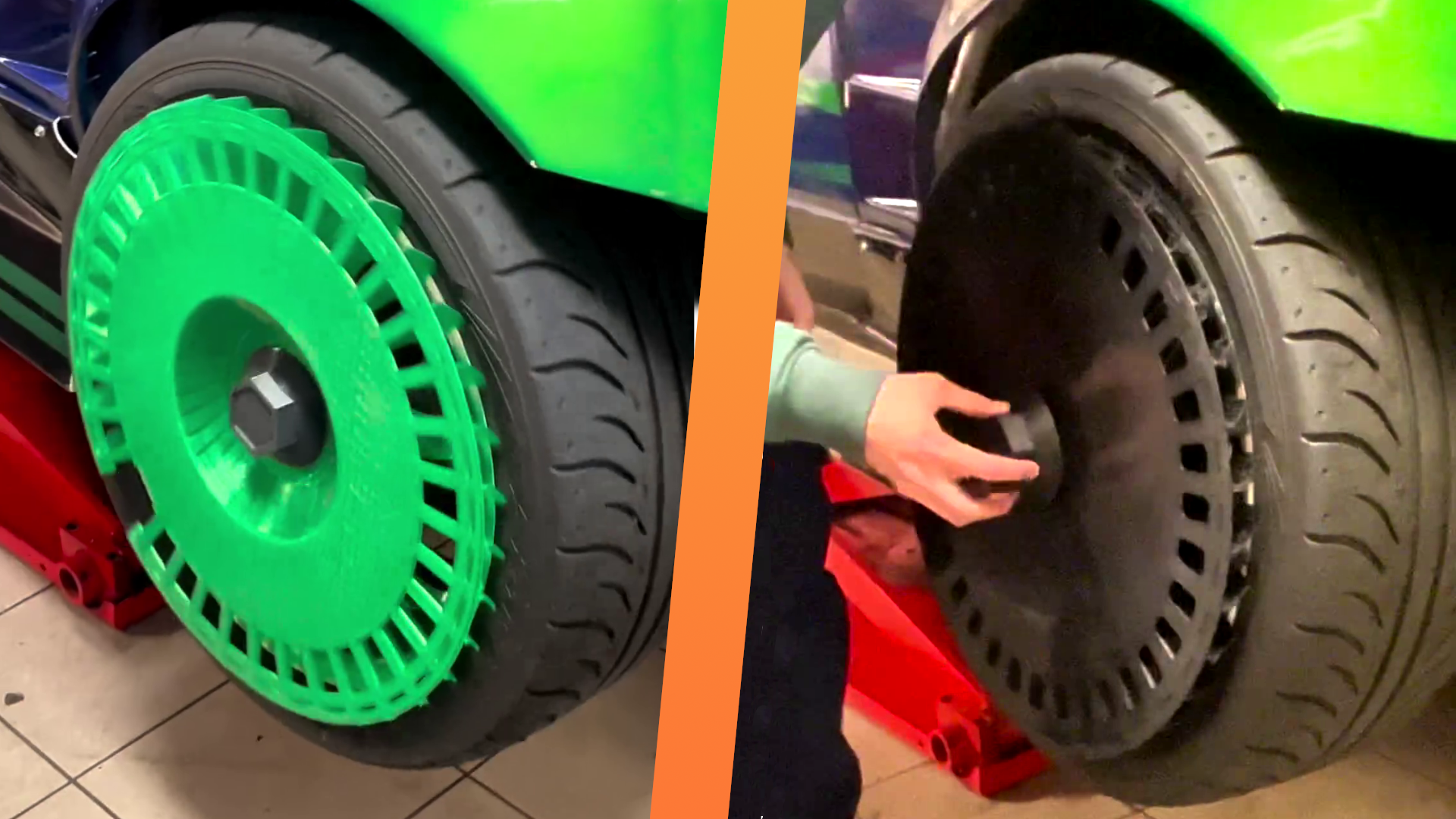
Align the turbofan wheel cover with the wheel. Match the cover’s clips or hooks to the wheel’s rim. Press the cover firmly but gently onto the wheel. Make sure it snaps into place evenly all around. Avoid forcing it, which can cause damage.
Safety Checks
After mounting, spin the wheel by hand to test the cover’s fit. It should stay in place without wobbling or coming loose. Inspect the cover for gaps or loose edges. Tighten or adjust if needed. Repeat the process on all wheels.

Credit: 3dprinting.com
Maintenance Tips
Maintaining your turbofan wheel covers keeps them looking fresh and working well. Regular care stops dirt buildup and prevents damage. Simple steps extend their life and save money. Follow these easy maintenance tips to keep your covers in top shape.
Cleaning Methods
Use a soft cloth or sponge for cleaning. Warm water with mild soap works best. Avoid harsh chemicals that can damage the surface. Gently scrub to remove dirt and grime. Rinse thoroughly with clean water. Dry with a soft towel to avoid water spots.
Repairing Damage
Small cracks or chips need quick attention. Use a plastic repair kit for minor fixes. Sand the damaged area lightly before applying repair. Allow the repair to dry fully. For bigger damage, consider professional help. Regular checks catch damage early and prevent worsening.
Storage Advice
Store wheel covers in a cool, dry place. Avoid direct sunlight to prevent fading. Keep them away from heavy objects to stop bending. Use a soft cloth or bag for protection. Proper storage reduces wear and keeps covers ready for use.
Credit: www.thedrive.com
Frequently Asked Questions
What Materials Are Needed To Make Turbofan Wheel Covers?
To make turbofan wheel covers, you need plastic sheets, spray paint, adhesive, and cutting tools. Quality materials ensure durability and a smooth finish. Using lightweight materials helps maintain wheel balance and performance.
How Do You Shape Turbofan Wheel Covers Properly?
Shape turbofan wheel covers by cutting the plastic sheets into fan blade shapes. Use heat to mold curves for a realistic look. Precise shaping ensures aerodynamic efficiency and aesthetic appeal.
Can Turbofan Wheel Covers Improve Vehicle Aerodynamics?
Yes, turbofan wheel covers can enhance aerodynamics by reducing air drag. Their design channels airflow smoothly around wheels, improving fuel efficiency. Proper installation is essential for optimal performance.
How Long Does It Take To Make Turbofan Wheel Covers?
Making turbofan wheel covers typically takes 2 to 4 hours. Time varies depending on design complexity and material drying times. Patience ensures a quality, professional-looking finish.
Conclusion
Making turbofan wheel covers can be simple and fun. Follow each step with care and patience. Use the right tools for best results. These covers can protect your wheels and add style. You can customize them to fit your taste.
Practice will improve your skills over time. Keep safety in mind while working. Start small, then try more detailed designs. Enjoy the process and be proud of your work. Creating turbofan wheel covers is a rewarding project anyone can try.