

Are you ready to transform your ride or project with a sleek vinyl wrap but worried about those tricky curves? Wrapping curves can feel like a challenge, but with the right techniques, you can achieve a smooth, professional look that turns heads.
In this guide, you’ll discover simple steps and insider tips to make vinyl wrapping curves easier than you ever thought possible. Keep reading, and you’ll gain the confidence to tackle any curved surface and get stunning results every time.
Credit: wmtuckerexcavating.com
Choosing The Right Vinyl
Choosing the right vinyl is key for a smooth wrap on curves. The wrong vinyl can wrinkle, bubble, or peel off. Selecting vinyl made for curves helps achieve a clean, professional look. This section explains the types of vinyl and key features to consider.
Types Of Vinyl For Curves
Cast vinyl is best for wrapping curves. It is thin, flexible, and stretches easily without damage. Calendered vinyl is thicker and less flexible. It works well on flat surfaces but struggles on tight curves. Air-release vinyl has tiny channels that let air escape. This feature prevents bubbles on curved surfaces. Glossy, matte, and satin finishes are available in both cast and calendered types.
Key Features To Look For
Flexibility is the most important feature for vinyl on curves. The vinyl should stretch without tearing. Look for vinyl with air-release technology to avoid bubbles. Strong adhesive is vital to keep the wrap in place. Choose vinyl that resists fading and peeling under sunlight. Check for a smooth finish to make the wrap look neat. Thinner vinyl often conforms better to complex shapes.
Preparing The Surface
Preparing the surface is a crucial step before applying vinyl wrap on curves. A clean and smooth surface helps the vinyl stick better and last longer. Dirt, dust, and bumps can cause bubbles and wrinkles. Taking time to prepare the surface ensures a neat and professional finish.
Cleaning Techniques
Start by washing the surface with soap and water. Use a soft cloth to remove dirt and grease. Avoid harsh chemicals that may damage the paint. After washing, dry the surface completely with a clean towel. Use isopropyl alcohol to wipe the area gently. This removes any leftover oils or residues. A clean surface allows the vinyl to stick firmly.
Smoothing Imperfections
Check the surface for bumps, scratches, or dents. Use fine sandpaper to smooth out rough spots carefully. Fill deep scratches with a suitable filler and sand again once dry. Clean the area again after sanding to remove dust. A flat surface makes wrapping curves easier and prevents vinyl damage.
Tools Needed
Wrapping curves with vinyl needs the right tools. These tools help shape the vinyl smoothly around the curves. Using proper tools makes the work easier and the finish neat. Let’s explore the tools needed for vinyl wrapping curves.
Essential Wrapping Tools
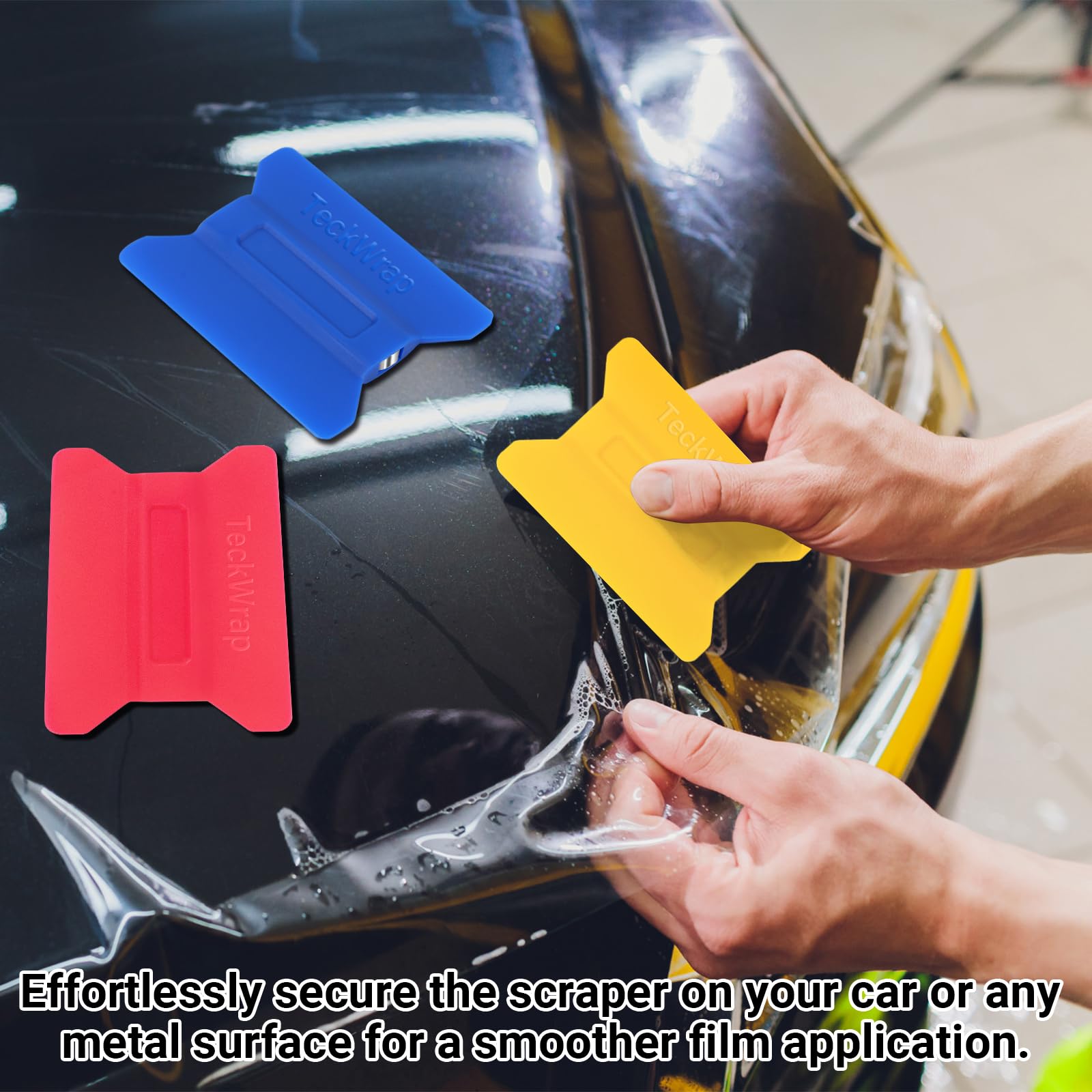
Start with a good quality vinyl wrap. Next, use a heat gun to soften the vinyl for bending. A squeegee helps push out air bubbles and smooth the vinyl. A sharp utility knife trims the excess vinyl precisely. Gloves protect your hands and keep the vinyl clean. A measuring tape ensures the right size of vinyl for the curve.
Optional Accessories
A felt edge squeegee prevents scratches on the vinyl surface. A surface cleaner removes dust and oils before wrapping. A magnifying glass helps with detailed trimming on small curves. Masking tape marks areas for better alignment. A soft cloth wipes the vinyl gently after heating. These accessories improve quality but are not always needed.
Measuring And Cutting
Measuring and cutting vinyl wrap on curves requires care and precision. This step ensures the wrap fits perfectly without wrinkles or bubbles. Accurate measurements and clean cuts help achieve a smooth finish. Take your time to get these steps right before applying the vinyl.
Accurate Measurement Tips
Start by cleaning the surface to remove dust and dirt. Use a flexible tape measure for curves to get exact dimensions. Measure the length and width multiple times for accuracy. Add an extra inch to your measurements to allow for adjustments. Mark your measurements lightly with a pencil or masking tape. Avoid stretching the tape too tight, which can cause errors.
Cutting For Curves
Use a sharp utility knife or vinyl cutter for clean edges. Cut slowly along the marks to avoid mistakes. For tight curves, make small, gentle cuts instead of one long cut. Leave a small margin around the curve to help with fitting. Trim excess vinyl after applying to the surface. Clean cuts prevent lifting and peeling later on.
Applying Heat Effectively
Applying heat is key to vinyl wrapping curves smoothly. Heat softens the vinyl, making it flexible. This helps the vinyl stretch and fit curved surfaces without wrinkles or bubbles. Proper heat use prevents damage and keeps the wrap looking clean.
Heat Gun Usage
Use a heat gun designed for vinyl wrapping. Hold it a few inches away from the surface. Move the gun slowly and evenly over the vinyl. Avoid staying too long in one spot to prevent burns. Heat makes the vinyl soft and easier to shape around curves. Always keep the heat gun moving to protect the vinyl and surface.
Temperature Control
Control the heat temperature carefully. Too much heat can melt or warp the vinyl. Too little heat makes the vinyl hard to stretch. Aim for a warm, soft feel, not hot. Some heat guns have adjustable settings. Start low and increase heat as needed. Use your hand to feel the vinyl’s softness. Proper temperature helps vinyl wrap curves without damage.

Credit: www.rickandanns.com
Stretching And Wrapping Techniques
Stretching and wrapping vinyl on curves takes skill and care. The material must fit the shape without wrinkles or bubbles. This part of wrapping needs patience and practice. Knowing how to handle different curves helps. Each type of curve needs a different approach. Use the right technique to get smooth results.
Handling Convex Curves
Convex curves bulge outward like a dome. Stretch the vinyl gently over these curves. Start from the center and work outwards. Use a heat gun to warm the vinyl slightly. Warm vinyl stretches better and stays in place. Pull the vinyl slowly and evenly. Avoid pulling too hard to prevent tears. Use a soft squeegee to smooth out air bubbles. Work in small sections for better control.
Managing Concave Curves
Concave curves curve inward like a bowl. These curves need careful handling to avoid wrinkles. Heat the vinyl more to make it flexible. Stretch the vinyl lightly around the edges. Let the material relax in the middle. Use a squeegee to press the vinyl into the curve gently. Avoid overstretching to keep the vinyl intact. Trim excess vinyl carefully to fit the shape perfectly.
Avoiding Common Wrapping Mistakes
Vinyl wrapping curves can be tricky. Many beginners face common problems that affect the final look. Avoiding these mistakes helps the wrap stay smooth and last longer. A careful approach improves your results and saves time.
Preventing Air Bubbles
Air bubbles ruin the smooth finish of vinyl wraps. To stop bubbles, clean the surface well before wrapping. Use a squeegee to push air out from the center toward the edges. Work slowly and carefully to avoid trapping air. If a bubble appears, lift the vinyl gently and smooth it out again.
Avoiding Wrinkles
Wrinkles often happen on curves and edges. Warm the vinyl with a heat gun to make it flexible. Stretch the vinyl slightly while applying it to fit the curve. Use a squeegee to press the vinyl firmly onto the surface. Take your time and adjust the vinyl as needed to keep it wrinkle-free.
Trimming And Finishing Touches
Trimming and finishing touches are key steps in vinyl wrapping curves. They help create a neat look and protect the wrap from damage. These steps make the wrap last longer and look professional.
Clean Edge Cuts
Use a sharp blade for clean edge cuts. Cut slowly along the edge to avoid tearing the vinyl. Keep the blade steady and follow the shape of the curve. Small, careful cuts prevent uneven edges. Remove excess vinyl carefully to keep the wrap smooth.
Sealing The Wrap
Seal the edges to stop peeling and water damage. Use a heat gun to warm the edges gently. Press the edges down with a squeegee or soft cloth. The heat helps the vinyl stick better to the surface. Sealing keeps the wrap tight and protects it from dirt and moisture.
Maintenance Tips For Longevity
Keeping your vinyl wrap looking fresh and smooth takes some care. Proper maintenance helps the wrap last longer and stay vibrant. Small habits make a big difference in protecting your investment. Follow these simple tips for daily care and quick fixes.
Cleaning Wrapped Surfaces
Use a soft cloth or sponge for cleaning. Avoid rough brushes that can scratch the wrap. Wash with mild soap and water only. Strong chemicals can damage the vinyl’s finish. Rinse well to remove all soap residue. Dry the surface with a soft towel. Clean regularly to prevent dirt build-up.
Repairing Minor Damages
Small scratches or lifts can be fixed easily. Use a heat gun to soften the vinyl gently. Press the wrap back onto the surface with a squeegee or cloth. For tiny tears, a vinyl repair kit works well. Act quickly to avoid dirt or moisture getting under the wrap. Regular checks help catch damage early.

Credit: www.youtube.com
Frequently Asked Questions
What Tools Do I Need To Vinyl Wrap Curves?
You need a heat gun, squeegee, knife, and gloves. These tools help stretch and smooth the vinyl around curves without tearing or bubbles.
How Do I Prepare Surfaces For Vinyl Wrapping Curves?
Clean the surface thoroughly with soap and water. Remove any dust, grease, or debris to ensure strong vinyl adhesion and a smooth finish.
Can Vinyl Wrap Curves Without Heating The Material?
Heating is crucial for vinyl on curves. It softens the vinyl, allowing it to stretch and conform to complex shapes easily without wrinkles.
How To Avoid Bubbles When Wrapping Vinyl On Curves?
Use a squeegee and heat gun carefully. Apply vinyl slowly, smoothing out air pockets as you go to prevent bubbles from forming.
Conclusion
Vinyl wrapping curves takes patience and careful work. Stretch the vinyl slowly to fit smooth curves. Use heat to soften the material for easier shaping. Avoid bubbles by pressing firmly from the center outward. Small cuts help the vinyl lay flat on tight bends.
Practice on simple shapes before trying complex curves. This skill improves with time and attention to detail. Keep tools handy and work in a clean space. The right steps make wrapping curves less stressful and more successful. Try these tips, and your vinyl wrap will look great.


