

Are you tired of struggling to find the perfect cover for your trailer wheels? Getting the right fit isn’t as tricky as it seems, but it does require a little know-how.
If you measure your trailer wheels correctly, you’ll protect them from dirt, weather, and damage much better. In this guide, you’ll learn simple steps to measure your wheels accurately—no confusing tools or complicated math needed. Keep reading, and you’ll save time, money, and frustration by choosing covers that fit just right every time.

Credit: www.ecustomrim.com
Tools Needed
Measuring trailer wheels for covers requires the right tools. Using proper tools helps you get exact measurements. Accurate sizing ensures the cover fits well and protects your wheels.
Measuring Tape
A measuring tape is essential. Use it to measure the diameter and width of the wheel. Flexible tapes work best for curved surfaces like tires.
Caliper
A caliper gives precise width measurements. It helps measure the wheel rim and tire thickness. Digital calipers are easy to read and very accurate.
Marker Or Chalk
Mark key points on the wheel before measuring. This tool helps you note spots for diameter and width. It keeps your measurements consistent.
Notebook And Pen
Write down all measurements immediately. Keeping notes prevents confusion later. Clear records make choosing the right cover simple.
Identify Wheel Type
Start by checking the wheel’s shape and size to choose the right cover. Different wheels need different covers for a proper fit. Knowing the type helps protect your trailer better.
Knowing your trailer wheel type is key before measuring for covers. Different wheels need different cover styles for the best fit.
Wheels come in many designs and sizes. Some are simple steel wheels, while others are alloy with spokes.
Choosing the right cover means matching it to your wheel type. This helps protect from dirt, rain, and sun damage.
Steel Wheels
Steel wheels are common on trailers. They are strong and usually painted black or silver.
These wheels often have a flat, solid face with small holes around the edge.
They need covers that fit tightly and protect the flat surface from rust.
Alloy Wheels
Alloy wheels are lighter and often have a shiny finish. They usually have spokes or decorative designs.
These wheels require covers that can stretch over the spokes without tearing.
A flexible, elastic cover works best for alloy wheels.
Dual Wheels
Some trailers have dual wheels, two tires close together on one side.
Dual wheels need wider covers to cover both tires at once.
Measure both wheels together to get the correct cover size.
Specialty Wheels
Specialty wheels include off-road or custom designs. They may have unusual shapes or sizes.
Measure carefully and choose covers made for unique wheels.
Custom covers may offer the best protection and fit.
Measure Diameter
Measuring the diameter of trailer wheels is a key step for choosing the right cover. The diameter is the distance across the wheel through its center. Accurate measurement helps find a cover that fits snugly and protects well.
Use a tape measure or ruler for this task. Measure straight across the wheel from one edge to the opposite edge. This includes the tire, not just the metal wheel.
Prepare The Wheel
Make sure the trailer is on a flat surface. Remove any mud or debris from the wheel. Clean wheels give better measurement results.
Measure Across The Tire
Place the tape measure at the outer edge of the tire. Stretch it straight across the center to the opposite outer edge. This is the full diameter of the wheel and tire combined.
Record The Measurement
Write down the measurement in inches or centimeters. Double-check by measuring twice. Accurate numbers help find covers that fit well.

Credit: www.calcarcover.com
Measure Width
Measuring the width of your trailer wheels is important for choosing the right cover. A proper fit protects the wheels from dirt, rain, and sun damage. This step helps avoid covers that are too tight or too loose.
The width is the distance across the widest part of the wheel. You will measure from one edge of the tire to the other. Knowing this size ensures the cover fits well around the wheel’s full width.
Gather Necessary Tools
Use a tape measure or ruler for accuracy. A soft measuring tape works best for curved surfaces. Have something to write down your measurements.
Measure Across The Tire
Place the tape measure at the outer edge of the tire. Stretch it straight across to the opposite edge. Read the measurement in inches or centimeters.
Record The Measurement
Write down the width right after measuring. Double-check the number for accuracy. This helps avoid mistakes when buying your cover.
Check Bolt Pattern
Checking the bolt pattern is a key step to measure trailer wheels for covers. The bolt pattern is the arrangement of bolts that hold the wheel to the hub. Knowing this pattern helps you find the right wheel cover size and fit. This step prevents buying covers that do not match your wheels.
What Is Bolt Pattern?
The bolt pattern shows how many bolts your wheel uses. It also tells the distance between bolts. This pattern is a combination of two numbers. For example, 5×4.5 means five bolts spaced 4.5 inches apart.
How To Measure The Bolt Pattern
Count the number of bolts on your wheel. Use a tape measure to find the distance between bolt centers. For wheels with an even number of bolts, measure from the center of one bolt to the center of the opposite bolt. For wheels with an odd number of bolts, measure from the center of one bolt to the farthest bolt across.
Why Bolt Pattern Matters For Covers
The bolt pattern affects how the cover fits over the wheel. A wrong pattern means the cover may not sit properly. It can cause damage or fall off during travel. Correct bolt pattern ensures a snug and secure fit for your trailer wheel cover.
Credit: battledental.com
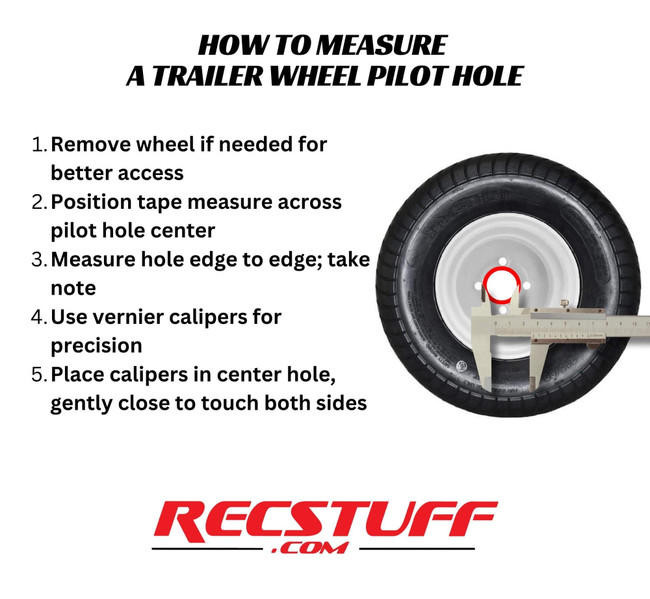
Measure Hub Diameter
Measuring the hub diameter is a key step in choosing the right trailer wheel cover. The hub is the central part of the wheel where it attaches to the axle. Knowing its size helps you pick a cover that fits perfectly and protects well.
Use a tape measure or ruler to get an accurate reading. Measure straight across the hub from one edge to the other. This gives you the diameter, usually in inches.
Take your time to measure carefully. A wrong size can cause the cover to be loose or too tight. Both cases reduce protection and can cause damage.
Prepare Your Tools
Gather a tape measure or a ruler. Make sure it can measure in inches or centimeters. A cloth can help clean the hub for a clear measurement.
Locate The Hub
Find the center of the trailer wheel. The hub is the round part where the wheel bolts attach. It is usually metal and may have a cap.
Measure Across The Hub
Place the tape measure from one edge of the hub to the opposite edge. Hold it straight and steady. Note the length as the hub diameter.
Record Your Measurement
Write down the measurement immediately. Double-check by measuring again for accuracy. Use this number when buying the wheel cover.
Choosing The Right Cover Size
Choosing the right cover size is essential for protecting your trailer wheels. A well-fitted cover keeps dirt, moisture, and sun damage away. It also extends the life of your tires and rims.
Measuring your wheels accurately helps you pick the perfect cover size. A cover that is too small will not fit properly. One that is too large may blow off in the wind or let in debris. Understanding how to measure your wheels ensures a snug and secure fit.
Measure The Diameter Of The Wheel
First, find the diameter of your trailer wheel. Use a tape measure and measure across the center of the tire. Include the tire’s sidewalls in the measurement. This gives you the full diameter needed for the cover size.
Check The Width Of The Tire
Next, measure the width of the tire from one sidewall to the other. This is important to ensure the cover can wrap around the entire tire. Note this measurement carefully for the best fit.
Consider The Tire Profile
The tire profile is the height of the sidewall. It affects how deep the cover needs to be. Some covers mention tire profile compatibility. Match this with your tire’s profile for a better fit.
Allow Extra Room For Easy Cover Fit
Choose a cover slightly larger than your measured tire size. This helps in putting the cover on and taking it off. A cover that is too tight may tear or stretch out of shape.
Tips For Accurate Measurement
Measuring trailer wheels correctly ensures the cover fits well and protects your wheels. Accurate measurement helps avoid buying the wrong size and wasting money. Follow simple steps and use the right tools for the best results.
Use A Measuring Tape With Clear Markings
Choose a tape measure with clear numbers. A metal tape is better than cloth for accuracy. Hold it tight against the wheel to avoid slack.
Measure The Diameter Across The Wheel
Measure straight across the center of the wheel. Include the tire if the cover needs to fit over it. Measure from one edge to the opposite edge carefully.
Check The Width Of The Tire
Measure the width of the tire from sidewall to sidewall. This helps ensure the cover fits around the tire snugly. Do not guess; precise width is important.
Measure More Than Once
Take at least two measurements to confirm accuracy. Measure at different points on the wheel and tire. Use the largest measurement for a better fit.
Write Down Your Measurements Immediately
Record the numbers right after measuring. This prevents forgetting or mixing up sizes. Keep your notes handy while buying covers.
Common Mistakes To Avoid
Measuring trailer wheels for covers seems simple but often causes mistakes. These errors lead to poor fit and wasted money. Avoid common pitfalls to get the right cover size. Simple care in measuring saves time and effort.
Incorrect Measurement Of Wheel Diameter
Many measure only the tire, not the wheel rim. The cover must fit the entire wheel, including the rim edge. Measure from one end of the rim to the other straight across. Use a metal tape for accuracy.
Not Measuring Tire Width
Ignoring tire width causes covers to be too tight or loose. Measure the widest point of the tire sidewall. This ensures the cover fits snugly without being stretched.
Using Flexible Tape Instead Of Rigid Tools
Flexible tape bends and gives wrong numbers. Use a rigid ruler or tape measure for straight lines. This keeps your measurements exact and reliable.
Forgetting To Include The Wheel Hub
The wheel hub sticks out and affects cover fit. Measure from the outer edge of the hub to the tire edge. Covers need extra space for this part to fit properly.
Not Double-checking Measurements
One quick measure is not enough. Always measure twice or thrice for accuracy. Small mistakes add up to a bad fit in the end.
Frequently Asked Questions
How Do I Measure Trailer Wheel Diameter Correctly?
Measure the diameter from one edge of the wheel rim to the opposite edge. Use a tape measure for accuracy. This measurement helps select the right cover size for your trailer wheels.
What Tools Are Needed To Measure Trailer Wheels?
A tape measure or ruler is sufficient to measure trailer wheels. Ensure the tool measures in inches or centimeters. Accurate tools help you get precise wheel dimensions for covers.
Why Is Measuring Trailer Wheels Important For Covers?
Correct wheel measurements ensure a snug fit for covers. Properly fitted covers protect wheels from dirt, sun, and damage. This extends the life of your trailer wheels.
How To Measure Trailer Wheel Width For Covers?
Measure the width across the tire’s widest point. Use a tape measure and record the size accurately. Width measurement ensures the cover fits without being too tight or loose.
Conclusion
Measuring trailer wheels for covers is simple and important. Get the right size to protect your wheels well. Use a tape measure and note the diameter carefully. Check the width and tire type too. Accurate measurements help you buy covers that fit perfectly.
Proper covers keep your wheels safe from dirt and weather. Take your time measuring to avoid mistakes. Good wheel covers save money by lasting longer. Keep your trailer wheels in top shape with the right cover. Easy steps lead to better protection and longer wheel life.


