Are you tired of struggling to clean your car because you don’t know how to plug in your vacuum cleaner properly? You’re not alone.
Many people find it confusing to connect their vacuum cleaner to their car’s power source, leaving their car messy and frustrating to clean. But don’t worry—this guide will show you exactly how to plug your vacuum cleaner in your car quickly and safely.
By the end, you’ll be ready to keep your car spotless without any hassle. Keep reading to discover simple steps that make car cleaning easier than ever.
Choosing The Right Vacuum
Choosing the right vacuum for your car is important for easy and effective cleaning. The perfect vacuum fits your needs and car size. It should be easy to use and offer strong suction power. This helps you clean all corners of your vehicle quickly. Consider different types and features before buying.
Types Of Car Vacuums
Car vacuums come in many forms. Handheld vacuums are small and light. They fit in tight spaces and are easy to carry. Wet/dry vacuums can clean wet spills and dry dirt. These are more powerful and good for deep cleaning. Some vacuums work with your car’s power outlet. Others use batteries. Choose the type that suits your cleaning habits.
Corded Vs Cordless Options
Corded vacuums plug into your car’s 12V power socket. They offer constant power without worrying about battery life. Cordless vacuums run on rechargeable batteries. They provide more freedom to move around. Cordless models are best for quick cleanups. Corded models work better for longer cleaning sessions. Think about your usual cleaning time and space.
Power And Suction Levels
Strong suction is key to picking up dirt and debris. Check the vacuum’s power rating before buying. Higher wattage usually means better suction. Some vacuums have adjustable power settings. This lets you clean delicate areas gently. Look for vacuums with good airflow and filter systems. These keep dust inside and improve cleaning results. A vacuum with steady power saves time and effort.
Locating The Power Source
Finding the right power source is the first step to plug a vacuum cleaner in your car. Cars have different spots to connect devices. Knowing these spots helps use the vacuum cleaner easily. Safety is important when handling power sources. This section guides you on where to find power and how to use it safely.
Using The 12v Car Outlet
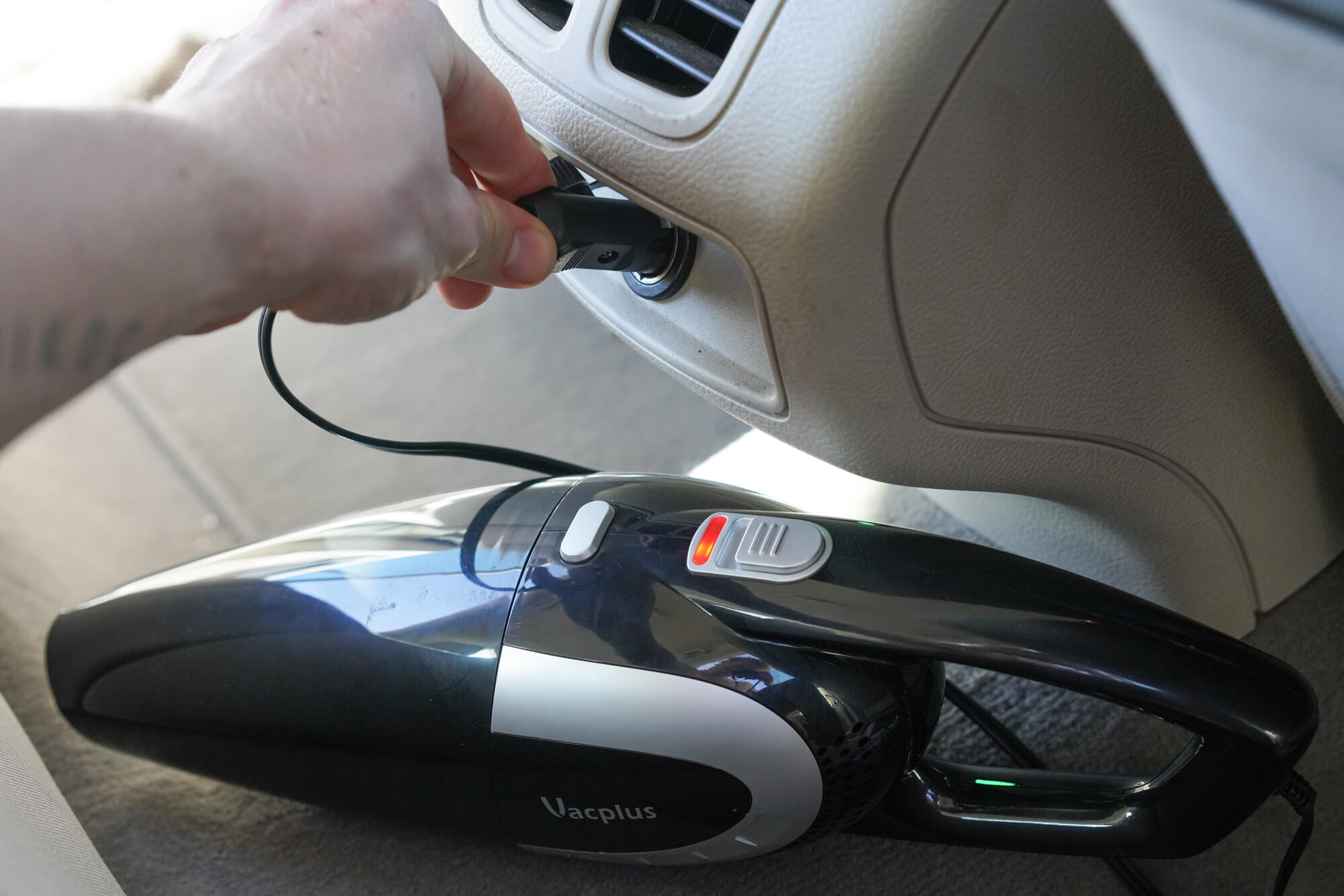
The 12V car outlet is the most common power source. It looks like a round socket, often near the dashboard or center console. Many vacuum cleaners come with a plug made for this outlet. Just insert the plug firmly into the socket. The car must be on or in accessory mode to power the vacuum. Avoid forcing the plug to prevent damage. This outlet supplies enough power for small car vacuums.
Alternative Power Sources
Some cars have USB ports, but they may not power a vacuum cleaner. Another option is a portable power bank made for 12V devices. These devices charge separately and provide power on the go. Some cars also have a second 12V outlet in the trunk or back seat. Check your car manual to find all available power sources. Use the right adapter for the vacuum cleaner’s plug.
Safety Precautions
Always check the vacuum cleaner’s voltage requirements first. Using the wrong voltage can damage the vacuum or car. Do not use a power source that looks loose or damaged. Keep cords away from moving parts like pedals or seats. Turn off the vacuum and car before plugging or unplugging. Avoid using extension cords inside the car. This prevents tripping hazards and electrical issues.
Preparing The Vacuum Cleaner
Preparing the vacuum cleaner is the first step before cleaning your car. This ensures the device works well and reaches all areas inside the vehicle. Proper preparation saves time and avoids damage to the vacuum or car interior.
Assembling Attachments
Start by selecting the right attachments for your car cleaning. Most vacuum cleaners come with different nozzles for tight spaces and upholstery. Attach the chosen tool firmly to the vacuum hose. Check that it fits securely to avoid slipping during use.
Checking The Cord Length
Measure the cord length to confirm it reaches all parts of your car. Use an extension cord if the cord is too short. Avoid stretching the cord tightly, as it can damage the wire and cause safety issues.
Inspecting For Damage
Look over the vacuum cleaner for cracks, broken parts, or frayed cords. Damaged equipment may stop working or cause electrical hazards. Replace or repair any faulty parts before plugging in the vacuum.
Credit: www.yourbestdigs.com
Plugging In The Vacuum
Plugging in a vacuum cleaner inside your car is a simple step. It helps you clean the car easily without needing a power outlet. Most car vacuums use the 12V outlet to get power. Follow these steps to connect your vacuum correctly and safely.
Inserting Into The 12v Outlet
Find the 12V outlet in your car, often near the dashboard or center console. Check that the vacuum’s plug matches the outlet size. Gently push the plug into the outlet until it fits snugly. Avoid forcing it to prevent damage to the plug or outlet.
Securing The Connection
Make sure the plug stays firmly in place. Wiggle it slightly to test the fit. If the plug feels loose, try adjusting or cleaning the outlet. A secure connection ensures the vacuum gets steady power during use.
Turning The Vacuum On
Locate the power switch on the vacuum cleaner. Turn it on after the plug is secure in the outlet. The vacuum should start working immediately. If not, check the connection and try again.
Cleaning Techniques
Cleaning your car with a vacuum cleaner needs the right techniques. These methods help remove dust, dirt, and crumbs from every corner. Using proper steps makes the job easier and your car cleaner.
Focus on seats, floors, and tight spaces. Also, keep your vacuum cleaner in good shape by emptying and maintaining it regularly.
Vacuuming Seats And Floors
Start by vacuuming the seats carefully. Move the nozzle slowly to pick up dirt deep in the fabric. Use a brush attachment if available. It loosens dust and hair for better cleaning.
Next, clean the floors. Push the vacuum over the mats and carpet evenly. Pay attention to areas under seats and pedals. This removes hidden dirt and keeps your car fresh.
Reaching Tight Spaces
Use thin, narrow tools on your vacuum for tight spots. These include the crevice tool or small brush attachments. Clean between seats, under seat edges, and around the center console.
Don’t forget door pockets and air vents. These places collect dust quickly. A small nozzle helps reach these hard-to-clean areas easily.
Emptying And Maintaining The Vacuum
Empty the vacuum container often. Full dust bags or bins reduce suction power. Clean the filter regularly to avoid blockages and keep air flowing.
Check for clogs in hoses and attachments. Clear any dirt to keep the vacuum working well. Store your vacuum in a dry place to protect it from damage.

Credit: www.amazon.com
Troubleshooting Common Issues
Using a vacuum cleaner in your car can be simple. Yet, some common problems may stop it from working well. Knowing how to fix these issues saves time and effort. This section helps you solve three frequent problems fast.
Vacuum Not Powering On
Check the car’s power outlet first. Make sure it is clean and free from dust. Plug the vacuum firmly into the socket. Look if the car ignition needs to be on. Inspect the vacuum’s power cord for any cuts or damage. Try a different socket to confirm the issue. If the vacuum still won’t start, the fuse in the plug might be blown. Replace the fuse carefully following the manual instructions.
Weak Suction Problems
Empty the vacuum’s dust container or bag. A full container lowers suction power. Clean or replace the vacuum’s filter regularly. Check for blockages in the hose or nozzle. Remove any debris or hair tangled inside. Ensure all parts fit tightly without gaps. Weak suction often comes from clogged parts or a full bin.
Handling Overheating
Turn off the vacuum if it feels hot. Overheating can damage the motor. Let it cool down for 15 to 30 minutes. Clean the filters to improve airflow. Avoid running the vacuum for too long at once. Use short cleaning sessions to prevent heat build-up. Keep the vacuum away from direct sunlight while in use.

Credit: m.made-in-china.com
Frequently Asked Questions
How Do I Plug A Vacuum Cleaner Into My Car?
Use your car’s 12V power outlet or cigarette lighter socket. Ensure the vacuum has a compatible 12V adapter. Plug the vacuum’s power cord into the socket, then turn on the car to power the vacuum.
Can I Use A Regular Vacuum In My Car?
Regular vacuums need a power inverter for car use. It’s better to use a vacuum designed for 12V car outlets. This avoids power issues and keeps your car’s electrical system safe.
What Type Of Vacuum Works Best For Cars?
Cordless, handheld vacuums with 12V adapters work best. They are portable and easy to maneuver inside the car. Look for models with strong suction and long battery life.
Is It Safe To Use A Vacuum Plugged Into Car Socket?
Yes, if the vacuum matches your car’s voltage (usually 12V). Avoid overloading the socket and do not use damaged cords. Always follow the vacuum and car manufacturer’s safety instructions.
Conclusion
Plugging a vacuum cleaner into your car is simple and quick. Start by locating the car’s power outlet or cigarette lighter socket. Use the vacuum’s adapter to connect securely. Make sure the car is on or in accessory mode to power the vacuum.
Keep the cord clear and avoid pulling it tight. This method keeps your car clean without hassle. Regular cleaning helps maintain your car’s interior. Try this easy step for a cleaner drive every time.