Want your car to look spotless without spending a fortune at a car wash? You’re in the right place.
Learning how to pressure wash a car at home can save you time, money, and give you that satisfying shine every time. Imagine effortlessly blasting away dirt and grime with just a few simple steps. In this guide, you’ll discover easy tips and tricks to make your car sparkle like new.
Ready to take control of your car’s clean? Let’s dive in.
Choosing The Right Pressure Washer
Choosing the right pressure washer is key to cleaning your car safely and well. The wrong machine can damage your paint or leave dirt behind. Knowing the types, pressure levels, and accessories helps you pick the best tool for your car wash.
Types Of Pressure Washers
Pressure washers come in electric and gas models. Electric washers are lighter and quieter. They work well for home car washing. Gas washers are powerful but heavy. They suit bigger jobs, not delicate car surfaces.
For cars, electric pressure washers are usually best. They give enough power without harming paint or trim.
Recommended Pressure Levels For Cars
Car washing needs gentle pressure. Too much force can peel paint or push water inside parts. Aim for 1200 to 1900 PSI. This range cleans dirt and grime safely. Lower pressures protect your car’s finish.
Adjust the pressure setting if your washer allows it. Start low, then increase as needed.
Essential Accessories
A good pressure washer needs the right nozzles. A 25-degree nozzle works well for cars. It sprays water wide and soft. Avoid narrow, high-pressure nozzles. They can harm paint.
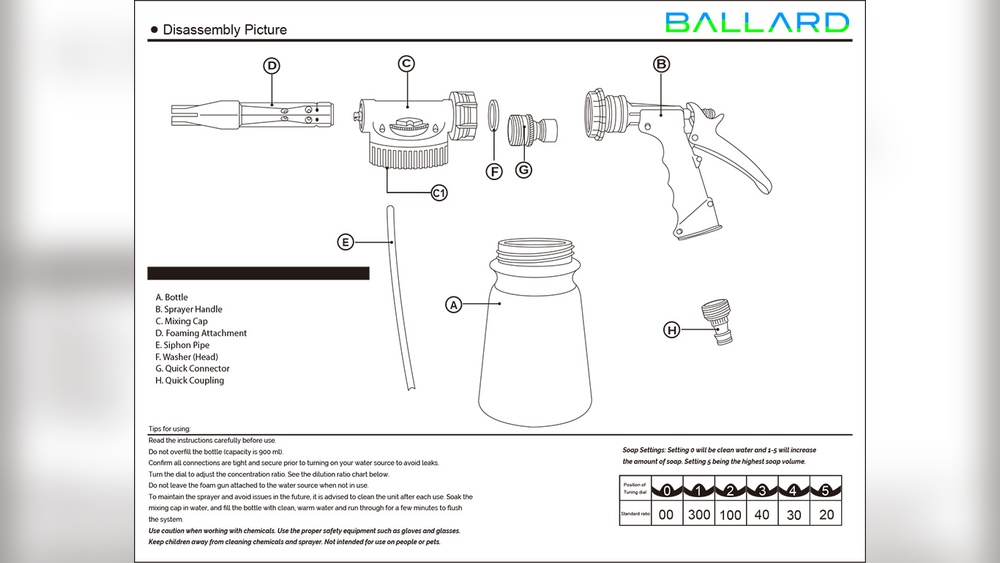
Use a foam cannon or soap dispenser. These help apply soap evenly. A brush attachment can clean wheels and tires. Pick accessories made for car care.
Preparing Your Car For Washing
Preparing your car for washing makes the cleaning process easier and safer. It helps protect your car’s paint and parts from damage. Proper preparation also ensures you get the best results when pressure washing.
Removing Loose Dirt And Debris
Start by brushing off loose dirt and leaves. Use a soft broom or your hands to clear dust and twigs. This prevents scratching the paint during washing. Pay attention to the wheels and undercarriage where dirt collects.
Protecting Sensitive Areas
Cover parts like mirrors, antenna, and door seals with plastic wrap or tape. Avoid spraying water directly on the engine or electrical components. Protecting these areas prevents water damage or malfunctions.
Gathering Cleaning Supplies
Collect all supplies before you start. You will need a pressure washer, car soap, a bucket, and microfiber cloths. Use a nozzle with a wide spray to avoid paint damage. Having everything ready saves time and effort.
Setting Up The Pressure Washer
Setting up the pressure washer correctly is key to washing your car safely and effectively. This step prepares your equipment and helps avoid damage to your vehicle. Follow these simple instructions to get ready for a smooth wash.
Connecting Hoses And Nozzles
Start by attaching the water hose to the pressure washer. Ensure the connection is tight to stop leaks. Next, connect the high-pressure hose to the machine’s outlet. Choose the right nozzle for car washing, usually a 25-degree or 40-degree tip. Snap the nozzle firmly into place. Proper connections keep water flowing without interruptions.
Adjusting Pressure Settings
Set the pressure washer to a low or medium pressure. High pressure can harm your car’s paint. Most washers have a dial or switch for pressure adjustment. Find the setting that cleans dirt but stays gentle on surfaces. Test different levels if you need. Correct pressure means a clean car without damage.
Testing Spray Pattern
Before washing, test the spray on a small area. Hold the nozzle about 2 feet from the surface. Check if the water spreads evenly and gently. Avoid a narrow, strong jet that can scratch paint. Adjust the nozzle or pressure if needed. A soft spray pattern ensures safe and effective cleaning.

Credit: www.youtube.com
Step-by-step Washing Process
Washing your car with a pressure washer at home can save time and effort. Follow these simple steps for a clean, shiny finish. Each step helps remove dirt and protect your car’s paint. Be careful and gentle to avoid damage.
Rinsing The Car
Start by rinsing the car with clean water. Use the pressure washer on a low setting. Spray from top to bottom to remove loose dirt. This step prepares the surface for washing.
Applying Detergent
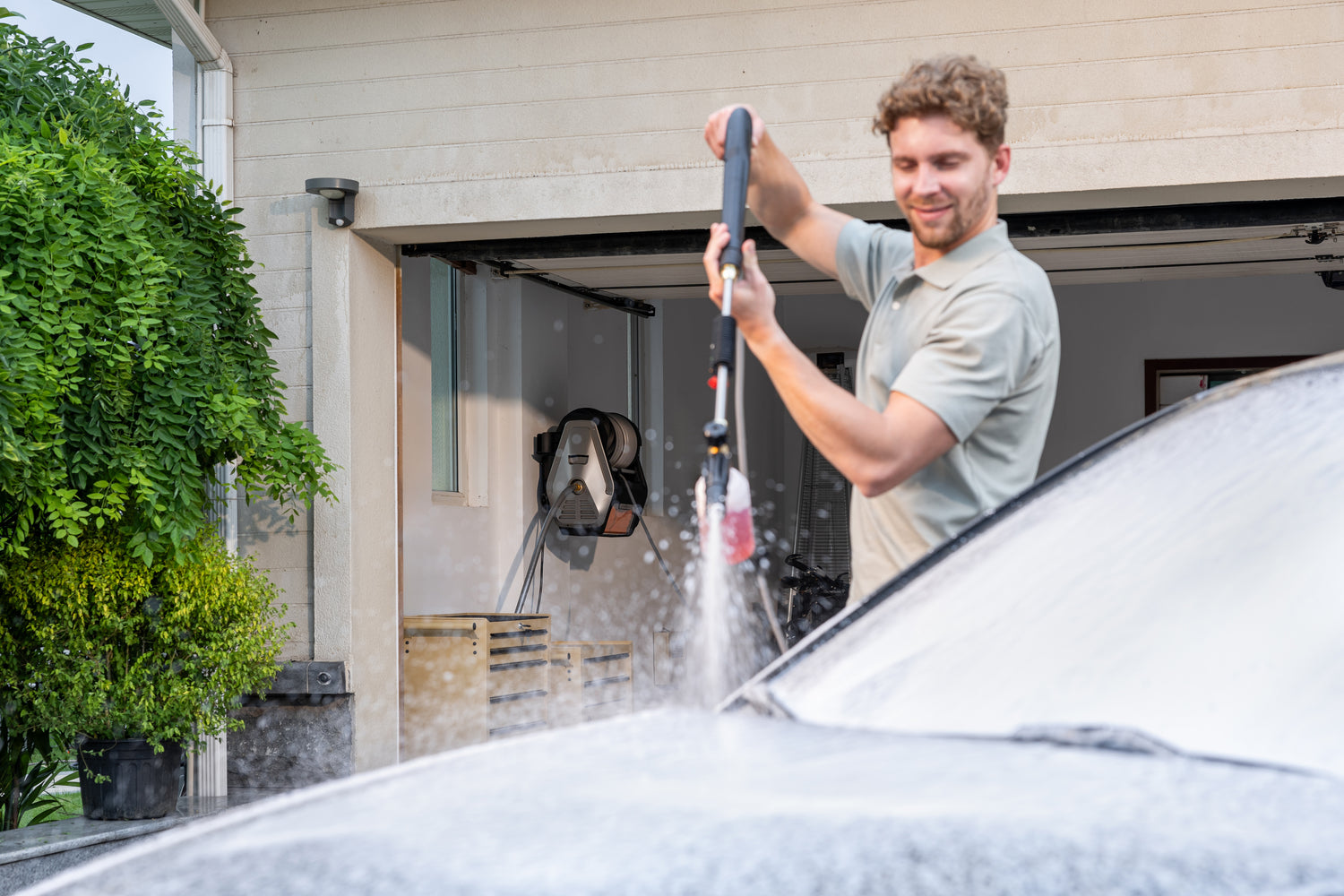
Apply car detergent using the pressure washer’s foam cannon or a sponge. Cover the whole car evenly. Let the detergent sit for a few minutes. It breaks down grease and grime for easier cleaning.
Scrubbing Stubborn Spots
Use a soft brush or cloth to scrub tough stains. Focus on bug splatters, tar, and bird droppings. Avoid hard scrubbing that can scratch the paint. Work gently and patiently for best results.
Final Rinse
Rinse the car thoroughly with clean water. Remove all soap and dirt residues. Use a higher pressure setting but keep some distance. Dry the car with a microfiber towel to avoid water spots.
Drying And Finishing Touches
Drying your car properly after pressure washing is important. It stops water spots and streaks from forming. Finishing touches help keep your car shiny and protected. These steps also improve your car’s overall look. Follow these simple steps for a clean, dry finish.
Effective Drying Techniques
Use a clean microfiber towel to dry the car. Microfiber absorbs water well and won’t scratch paint. Start from the top and work downwards. This method prevents water from dripping on dry areas. Avoid air drying. It can leave water spots and marks.
Applying Wax Or Sealant
Wax or sealant protects your car’s paint from dirt and weather. Apply a thin layer with a soft cloth. Work in small sections for even coverage. Let the wax dry until it looks hazy. Then, buff with a clean towel until shiny. This step adds extra shine and protection.
Cleaning Tires And Windows
Use a separate cloth for tires and windows. Clean tires with a brush and tire cleaner. Remove dirt and brake dust for a fresh look. Wipe windows with glass cleaner for clear visibility. Dry windows with a lint-free cloth to avoid streaks.
Credit: www.kaercher.com
Safety Tips And Common Mistakes
Pressure washing your car at home can save money and time. But it needs care and attention. Mistakes can cause damage or injury. Follow these safety tips to protect your car and yourself. Learn the common errors to avoid for a smooth cleaning experience.
Avoiding Paint Damage
High pressure can harm your car’s paint. Do not hold the spray too close. Use a wide spray pattern instead of a narrow jet. Avoid spraying the same spot for long. Test on a small hidden area first. This prevents scratches and peeling paint.
Proper Distance And Angle
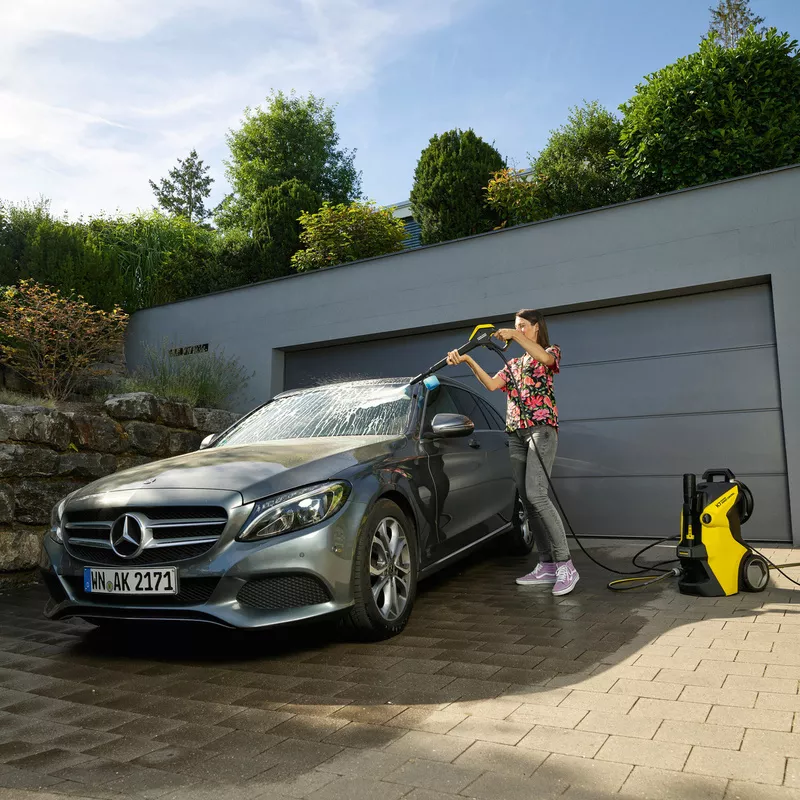
Keep the spray nozzle about 12 to 18 inches from the car. Hold the nozzle at a slight angle. Aim to wash dirt away, not into the paint. Moving the spray constantly avoids damage. This technique cleans better and protects surfaces.
Handling Equipment Safely
Wear safety glasses and gloves while pressure washing. Check hoses and connections for leaks before starting. Do not point the nozzle at people or pets. Turn off the machine when not in use. Follow the machine manual for safe operation.
Maintenance Of Your Pressure Washer
Taking care of your pressure washer keeps it working well for a long time. Regular maintenance stops small problems from becoming big ones. It helps you save money and time. A well-maintained pressure washer gives the best cleaning power every time.
Cleaning After Use
Rinse the pressure washer with clean water after every use. Clear out any dirt or soap from the hose and nozzle. Wipe the machine with a dry cloth to stop rust. Check the spray tips for blockages and clean them carefully. This simple step keeps the water flow strong.
Storing Equipment Properly
Store your pressure washer in a dry, cool place away from sun. Coil the hose loosely to avoid cracks or bends. Keep the nozzle and accessories in a safe spot. Cover the machine to protect it from dust. Proper storage extends the life of your equipment.
Troubleshooting Common Issues
Low water pressure? Check for clogged nozzles or kinked hoses. Engine won’t start? Make sure there is enough fuel and oil. Strange noises? Tighten loose parts and clean the air filter. Regular checks help you fix problems fast and keep washing smooth.
Credit: giraffetools.com
Frequently Asked Questions
What Equipment Do I Need To Pressure Wash My Car?
You need a pressure washer with a car-safe nozzle, car shampoo, microfiber cloths, and a water source. Avoid high-pressure settings to prevent paint damage. Use foam cannon attachments for better coverage if available.
How Do I Avoid Damaging My Car’s Paint?
Use a low-pressure setting and keep the nozzle at least 12 inches away. Avoid direct spraying on sensitive areas like mirrors and windows. Always use car-friendly detergent and soft cloths for washing.
Can I Pressure Wash A Car In Cold Weather?
It’s not recommended because water can freeze and damage your car or equipment. Wait for temperatures above 40°F (4°C) for safe pressure washing. Cold weather also affects soap effectiveness and drying time.
How Often Should I Pressure Wash My Car?
Washing your car every two weeks helps maintain its appearance and protects the paint. More frequent washing may be needed in harsh weather or after off-road driving. Regular cleaning prevents dirt buildup and corrosion.
Conclusion
Pressure washing your car at home saves time and money. It cleans dirt and grime quickly and easily. Always follow safety steps to protect your car’s paint. Use the right pressure setting to avoid damage. Rinse and dry your car after washing for best results.
Regular cleaning keeps your car looking fresh and new. Simple tools and care make a big difference. Enjoy a clean car without costly trips to the car wash. Give it a try and see the results yourself.