Your car motor works hard every day, and over time, it collects dirt, grease, and grime that can affect its performance. Cleaning it might seem tricky, especially with pressure washing, but doing it right can make a huge difference.
If you want your engine to run smoother and look great without causing damage, you need to know the exact steps to pressure wash your car motor safely. Keep reading, and you’ll discover simple, effective tips that will help you clean like a pro and protect your engine at the same time.
Credit: www.youtube.com
Preparing The Engine
Preparing the engine for pressure washing is an important step. It ensures safety and protects delicate parts. Taking time to prepare helps avoid damage and keeps your engine clean. Follow these steps carefully before you start pressure washing.
Gathering Necessary Tools
Collect all tools before starting. You will need a pressure washer with adjustable pressure. Use a plastic cover or plastic bags to protect parts. Have a soft brush and degreaser ready. Gloves and safety glasses are good to wear.
Protecting Sensitive Components
Cover electrical parts like the battery and fuse box with plastic. Wrap air intake and exposed filters tightly. Avoid spraying water directly on sensors and wiring. Use tape to seal any openings. This prevents water from causing damage.
Cooling Down The Engine
Never wash a hot engine. Let the engine cool for at least 30 minutes. A cool engine prevents burns and avoids cracking parts. Cold metal is safer for water contact. This step helps clean the engine better without harm.
Choosing The Right Equipment
Choosing the right equipment makes cleaning your car motor easier and safer. The correct tools help protect delicate parts and give a thorough clean. This section covers important gear choices to prepare you well.
Selecting A Pressure Washer
Pick a pressure washer with low to medium pressure. Around 1200 to 1900 PSI works best for car engines. High pressure can damage wires and seals. Electric washers often provide gentler pressure than gas models. Choose a unit with adjustable pressure settings for control.
Using Appropriate Nozzles
Use nozzles that create a wide spray pattern. A 25-degree or 40-degree nozzle spreads water gently. Narrow nozzles focus water too hard and may cause harm. Some washers offer variable nozzles for different tasks. Always start with a wider angle to test the spray.
Choosing Safe Cleaning Agents
Pick cleaning agents made for automotive use. Avoid harsh chemicals that can corrode metal or damage plastics. Mild degreasers work well to remove oil and dirt. Use products labeled safe for engines and electrical parts. Always rinse thoroughly to remove all residue.
Step-by-step Cleaning Process
Cleaning a car motor with a pressure washer takes care and steps. Follow this simple process to clean safely and well. Each step helps remove dirt without harming the engine parts. Read on for a clear, easy guide.
Initial Dry Cleaning
Start by removing loose dirt and debris. Use a brush or compressed air to clear the surface. This step stops dirt from spreading when wet. Take your time to cover all areas gently.
Applying Degreaser
Use a car-safe degreaser to break down grease and oil. Spray it evenly over the motor parts. Let it sit for five to ten minutes. This softens tough grime for easier cleaning.
Pressure Washing Techniques
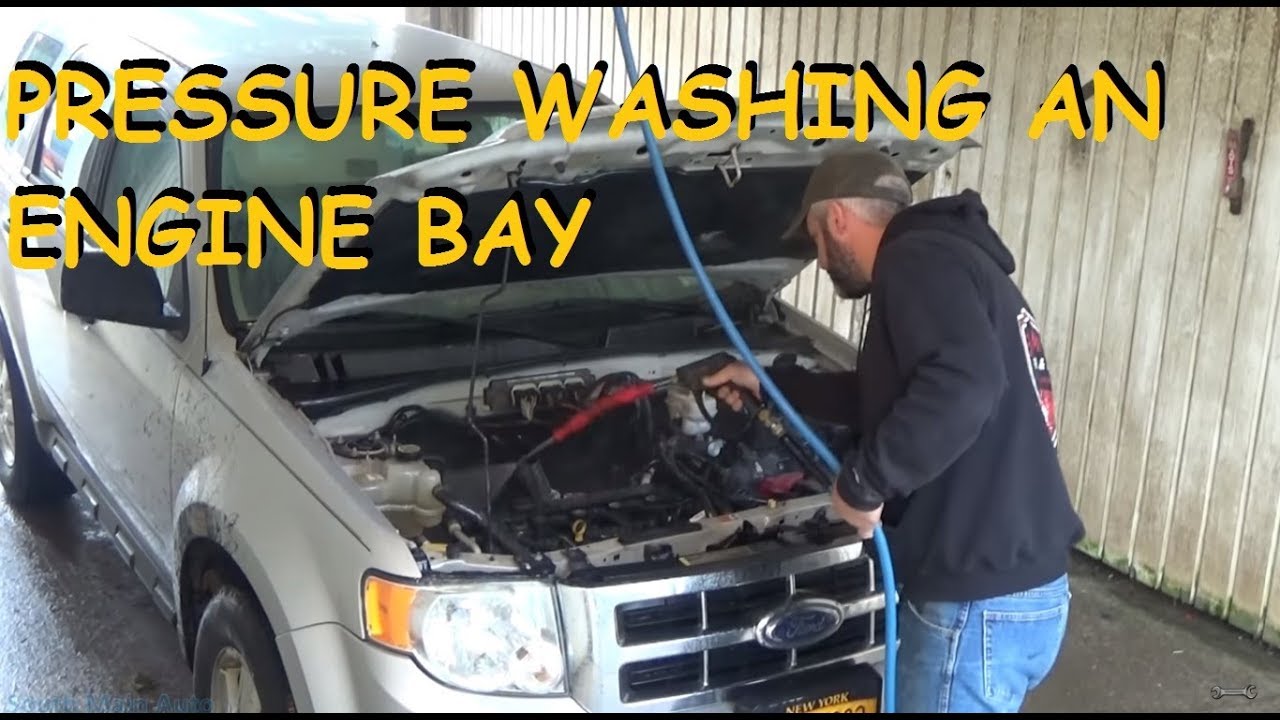
Set the pressure washer to a low setting. Hold the nozzle about two feet from the engine. Use short bursts of water, not a steady stream. Avoid spraying electrical parts directly to prevent damage.
Rinsing And Drying
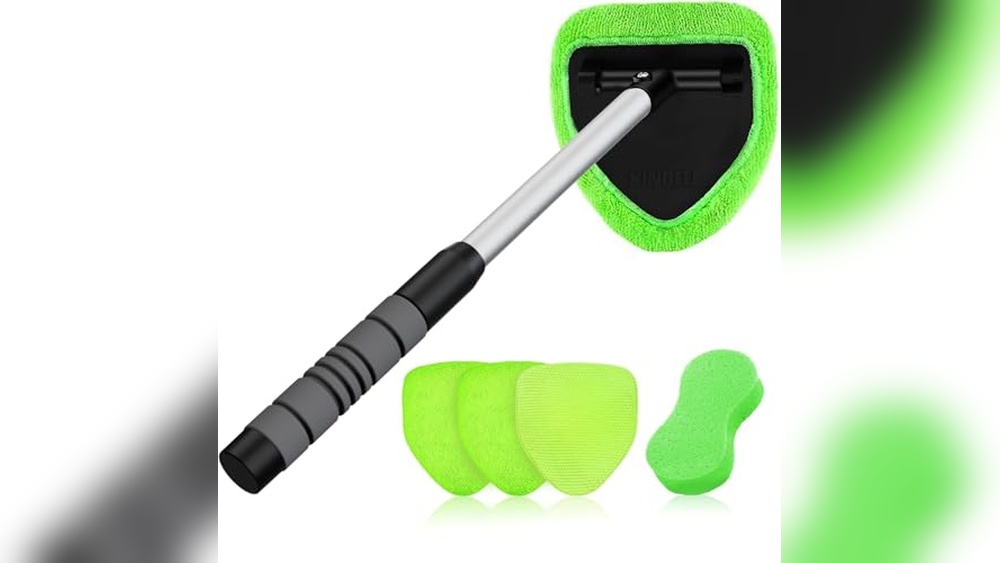
Rinse the motor gently with clean water. Remove all degreaser and dirt residues. Dry the engine using a microfiber cloth or air blower. Make sure the motor is fully dry before starting the car.

Credit: www.amazon.com
Safety Tips
Cleaning your car motor with a pressure washer can be helpful. Safety matters most. Protect the engine and yourself during the process. Follow these safety tips to avoid damage and injury.
Avoiding Electrical Damage
Cover all electrical parts before washing. Use plastic bags or waterproof covers. Avoid spraying directly on the battery and wiring. Keep the pressure washer nozzle at a distance. Electrical damage can cause costly repairs.
Preventing Water Intrusion
Seal air intakes and exposed filters tightly. Water entering the engine can cause serious problems. Spray water lightly and from a distance. Do not soak the engine. Keep water away from sensitive engine parts.
Using Protective Gear
Wear gloves to protect your hands from chemicals. Use safety glasses to shield your eyes from dirt and water spray. Closed shoes protect your feet from spills. Dress in old clothes to avoid stains. Safety gear keeps you safe during cleaning.
Post-cleaning Maintenance
After pressure washing your car motor, proper care is crucial. This step keeps the engine safe and working well. Post-cleaning maintenance helps prevent damage and extends the life of your motor. Follow these simple steps to protect your engine after cleaning.
Inspecting For Damage
Check the engine carefully for any signs of damage. Look for loose wires, cracks, or worn-out parts. Water can sometimes cause issues if it reaches sensitive areas. Early detection helps avoid bigger problems later. Use a flashlight to see hard-to-reach spots clearly.
Reapplying Protective Coatings
Apply a protective coating to shield parts from moisture and dirt. Use engine-safe sprays or silicone-based protectants. These coatings help keep metal parts from rusting. They also improve the engine’s appearance. Make sure to cover all cleaned areas evenly for best results.
Regular Cleaning Schedule
Set a routine to clean your car motor regularly. This prevents dirt buildup and keeps the engine running smoothly. Clean every few months or as needed based on driving conditions. Consistent care makes future cleaning easier and protects your motor long-term.
Credit: detailxperts.com
Frequently Asked Questions
How Safe Is Pressure Washing A Car Motor?
Pressure washing a car motor is safe if done carefully. Avoid sensitive electrical parts and use low pressure. Cover exposed components with plastic to prevent water damage. Always let the engine cool before washing to avoid cracks or burns.
What Pressure Level Is Best For Car Motor Cleaning?
Use a low-pressure setting, ideally below 1200 PSI. High pressure can damage wires, connectors, and seals. A gentle spray effectively removes dirt without harming engine parts. Always test on a small area first to ensure safety.
Should I Remove Engine Covers Before Pressure Washing?
Yes, removing engine covers helps access hidden dirt and prevents trapping water. It also protects plastic covers from high-pressure damage. Removing covers allows for thorough cleaning and drying, reducing the risk of corrosion and electrical issues.
How To Protect Electrical Components During Pressure Washing?
Cover electrical parts with plastic bags and secure with tape. Avoid spraying directly at connectors, sensors, and battery terminals. Use a gentle spray and keep water away from ignition coils. Proper protection prevents short circuits and costly repairs.
Conclusion
Cleaning your car motor with a pressure washer takes care and patience. Protect sensitive parts by covering them well. Use low pressure to avoid damage. Rinse carefully and let the engine dry before starting. Regular cleaning helps your motor run better and last longer.
Keep safety in mind at all times. With these steps, you can clean your car motor safely and effectively. Simple, careful work pays off in the end.