

Want to make your car shine like new without spending hours scrubbing? Using a pressure washer is one of the fastest and easiest ways to get rid of dirt, grime, and stubborn stains from your vehicle.
But if you’re not careful, the powerful spray can damage your paint or leave streaks. In this guide, you’ll learn exactly how to use a pressure washer safely and effectively to clean your car. Follow these simple steps, and your car will look spotless, saving you time and effort.
Keep reading to discover the secrets that professionals use to keep their rides sparkling!
Choosing The Right Pressure Washer
Choosing the right pressure washer is key to cleaning a car safely and effectively. The wrong washer can damage paint or leave spots uncleaned. This section helps you pick the best tool for a smooth wash. Understanding types, pressure levels, and accessories will make your job easier and protect your car.
Types Of Pressure Washers
Pressure washers come in electric and gas models. Electric washers are lighter and quieter. They suit small jobs like car cleaning. Gas washers are stronger but heavier and noisy. They fit bigger tasks. For cars, electric washers often work best due to control and ease of use.
Ideal Pressure Settings For Cars
Pressure matters for car cleaning. Too high pressure can harm paint. Too low pressure may not clean well. Aim for 1200 to 1900 PSI for most cars. This range cleans dirt without damage. Use a wider spray nozzle to spread water gently. Keep the nozzle 12 to 18 inches from the car surface.
Essential Accessories
Some tools help clean cars better. A foam cannon sprays soap evenly on your car. It loosens dirt for easier washing. A surface cleaner attachment helps clean flat areas smoothly. Use soft bristle brushes for wheels and tires. These accessories add safety and improve cleaning results.
Preparing Your Car For Washing
Preparing your car for washing is an important step before using a pressure washer. It helps protect your vehicle and get better cleaning results. Taking time to prepare your car saves effort and avoids damage during washing.
Removing Loose Dirt
Start by removing loose dirt and debris from your car. Use a soft brush or cloth to wipe off dust and leaves. This prevents dirt from scratching the paint when pressure washing. Clear away mud or dried dirt stuck on the surface. A gentle rinse with water can help loosen stubborn dirt.
Protecting Sensitive Areas
Cover areas that might get damaged by water pressure. Tape over door seals, mirrors, and antenna bases. Avoid spraying directly on electrical parts like headlights and sensors. Protecting these spots stops water from causing problems. Use plastic bags or cloth to shield delicate sections from the spray.
Selecting The Best Cleaning Agents
Choose cleaning agents designed for cars and pressure washers. Use mild soaps that do not harm the paint or finish. Avoid harsh chemicals or household cleaners. These can damage the car’s surface and strip wax. Pick products that rinse off easily to avoid residue buildup.
Setting Up The Pressure Washer
Setting up the pressure washer correctly is the first step to clean your car effectively. Proper setup ensures the machine works well and protects your vehicle. Take time to prepare each part carefully before starting.
Connecting Water Supply
Attach the garden hose securely to the pressure washer’s water inlet. Use a hose with good water flow to avoid pressure drops. Turn on the water fully before starting the washer. Check for leaks at the connection points. Tighten any loose fittings to stop water waste.
Adjusting Nozzle And Pressure
Select the right nozzle for car cleaning, usually a 25-degree or 40-degree tip. These nozzles provide a gentle spray that won’t damage paint. Adjust the pressure to a low or medium setting. High pressure can harm your car’s surface. Test the spray on a small area first to ensure it is safe.
Safety Precautions
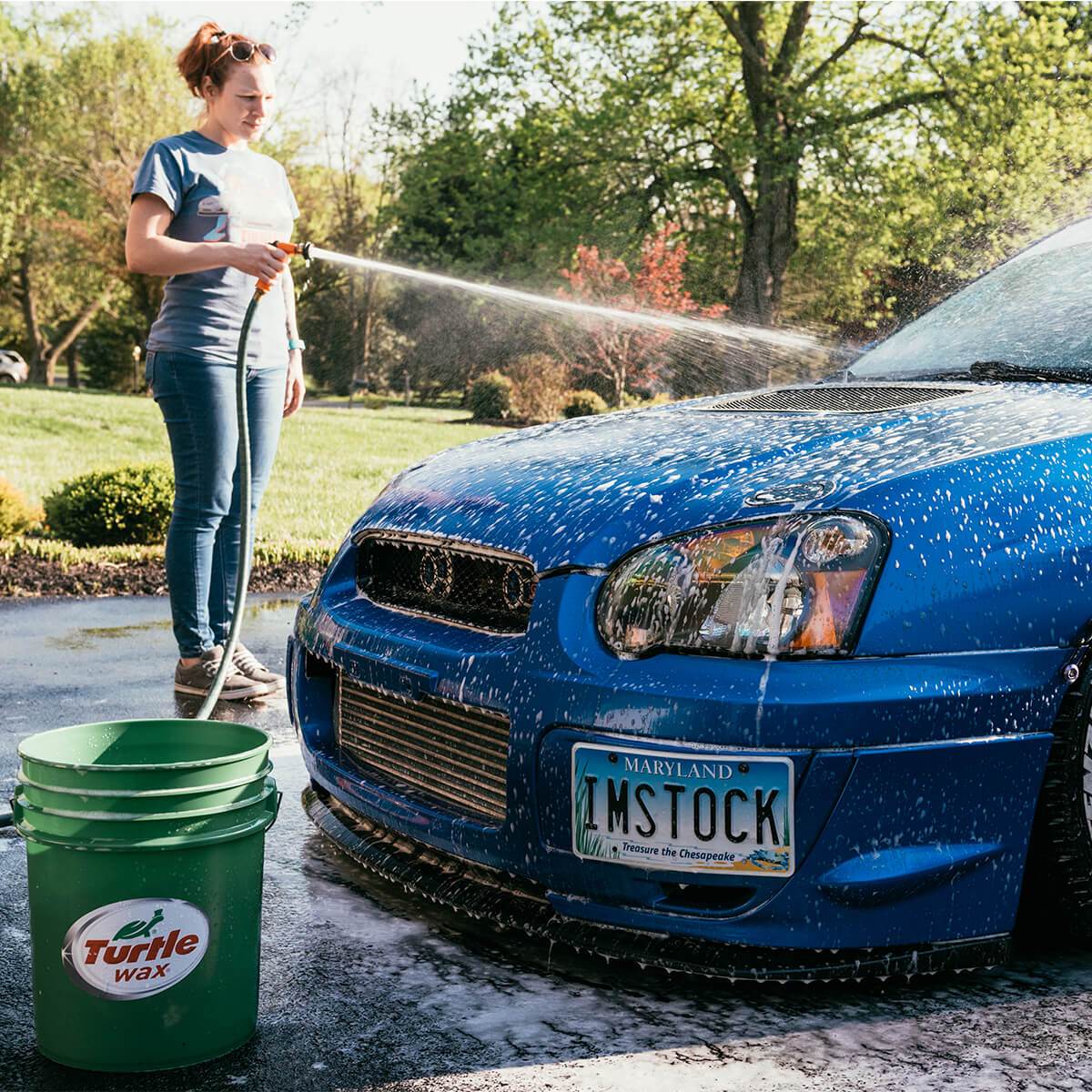
Wear protective gear like goggles and gloves. Keep the pressure washer nozzle at least 12 inches from the car. Avoid spraying directly on sensitive parts like mirrors and tires. Never point the washer at people or pets. Always turn off the machine when not in use. Follow these steps to stay safe and protect your vehicle.
Credit: www.turtlewax.com
Step-by-step Washing Process
Cleaning your car with a pressure washer is simple and quick. Follow these clear steps to get your car shining like new. This step-by-step process helps remove dirt and grime without damaging the paint. Using the pressure washer correctly saves time and water.
Rinsing The Car
Start by rinsing the entire car with clean water. Use a wide spray nozzle to avoid paint damage. This removes loose dirt and dust from the surface. Rinse from top to bottom for better cleaning. This step prepares the car for soap application.
Applying Soap Or Detergent
Next, apply soap or detergent made for cars. Use a foam cannon or low-pressure setting. Cover the car evenly with a thick layer of soap. Let the soap sit for a few minutes to break down dirt. Avoid letting the soap dry on the car.
Scrubbing Stubborn Spots
Use a soft brush or sponge to scrub tough spots. Focus on areas with mud, bugs, or grease. Be gentle to prevent scratching the paint. Keep the surface wet while scrubbing. This helps lift dirt without damage.
Final Rinse
Rinse the car thoroughly with clean water. Use a strong spray to wash away all soap and grime. Check for soap residue and rinse again if needed. Dry the car with a soft towel or chamois to avoid water spots.
Drying And Finishing Touches
After washing your car with a pressure washer, drying and finishing touches matter a lot. Water spots can form if the car stays wet too long. A clean, dry surface helps your car look its best and protects the paint. Follow these simple steps to finish your car wash perfectly.
Using Microfiber Towels
Microfiber towels are soft and absorbent. They remove water without scratching the paint. Use several clean towels to dry the car quickly. Pat the surface instead of rubbing to avoid marks. Pay attention to windows, mirrors, and door handles. Drying these areas prevents streaks and spots.
Waxing For Extra Shine
Wax adds a protective layer to your car’s paint. It makes the surface shiny and smooth. Apply wax with a foam applicator in small sections. Let the wax dry to a haze, then buff it off with a clean microfiber towel. Waxing helps repel dirt and water for longer-lasting cleanliness.
Inspecting For Missed Spots
Take a close look at your car in bright light. Check under the mirrors, near the wheels, and inside door jambs. These areas often hide dirt or water spots. Use a towel or a soft brush to clean any missed spots. A careful inspection ensures your car looks perfect after washing.
Credit: www.torquedetail.com
Common Mistakes To Avoid
Cleaning your car with a pressure washer is quick and effective. Mistakes can cause damage or poor results. Avoid these common errors to keep your car safe and clean.
Using Excessive Pressure
High pressure can harm your car’s paint and windows. Use a lower pressure setting to protect the surface. Stay at least a foot away from the car while spraying. Test the pressure on a small area first to see the effect.
Ignoring Safety Measures
Pressure washers can cause injury if not handled properly. Always wear safety goggles and gloves. Keep children and pets away from the washing area. Never point the nozzle at yourself or others. Follow the manufacturer’s safety instructions carefully.
Skipping Pre-wash Steps
Removing loose dirt before pressure washing prevents scratches. Use a soft brush or cloth to clean the surface first. Check the wheels and undercarriage for mud and grime. Pre-washing helps the pressure washer work better and safer.
Maintaining Your Pressure Washer
Maintaining your pressure washer is key to keeping it in good shape. Proper care ensures it lasts longer and works well every time. Follow these simple steps after using your pressure washer on your car.
Cleaning After Use
Rinse the pressure washer with clean water. Remove any dirt or soap from the nozzle and hose. Flush water through the system to clear leftover detergent. Wipe the exterior with a dry cloth to stop rust. Clean parts prevent clogs and keep pressure steady.
Storing Properly
Store the pressure washer in a dry place away from sun. Coil hoses and cords neatly to avoid damage. Keep it off the ground to prevent moisture contact. Cover it with a cloth or plastic to stop dust buildup. Proper storage protects it from weather and wear.
Regular Maintenance Tips
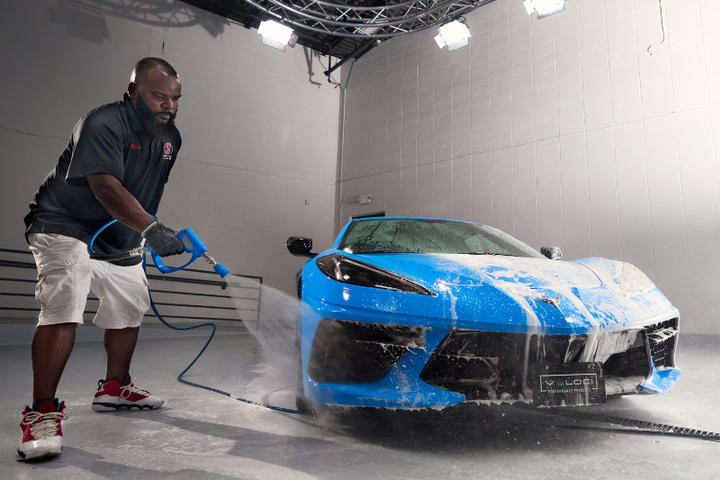
Check oil levels if your washer has an engine. Change the oil every 50 hours or as the manual says. Inspect hoses and nozzles for cracks or leaks. Tighten loose parts to avoid breakdowns. Clean filters monthly to maintain water flow. Regular upkeep saves money and ensures strong performance.
Credit: www.mtmhydroparts.com
Frequently Asked Questions
How Much Pressure Is Safe For Washing A Car?
Use a pressure washer with 1200 to 1900 PSI for cars. Higher pressure can damage the paint and trim. Always test on a small area first to ensure safety.
What Nozzle Tip Is Best For Car Cleaning?
A 25-degree nozzle tip works best for washing cars. It provides a wide spray that cleans without harming the surface. Avoid narrow tips as they may damage the paint.
Can I Use Soap With A Pressure Washer On Cars?
Yes, use car-specific soap with the pressure washer. Connect the soap nozzle or use a foam cannon for better coverage. Rinse thoroughly to avoid residue.
How Far Should The Pressure Washer Be From The Car?
Keep the nozzle 12 to 24 inches away from the car. Closer distances can cause paint damage. Maintain consistent distance while washing for safety.
Conclusion
Using a pressure washer can make cleaning your car quick and easy. Always keep the nozzle at a safe distance to avoid damage. Choose the right pressure setting for your car’s surface. Rinse thoroughly to remove all soap and dirt.
Regular washing helps keep your car looking good longer. Take your time and be careful with sensitive areas. With practice, you will get better and faster. Enjoy a clean, shiny car after each wash. Simple steps lead to great results every time.


