

Your car engine works hard every day, and over time, dirt, grease, and grime build up, affecting its performance. Cleaning your engine not only helps it run smoother but also makes your vehicle look well-maintained.
But you might wonder—can you pressure wash your car engine safely? If you want to learn the right way to do it without causing damage, this guide is for you. Keep reading, and you’ll discover simple, effective steps to get your engine sparkling clean while protecting its vital parts.
Preparing Your Engine
Preparing your engine for pressure washing is the first step to clean it safely and well. A well-prepared engine avoids damage and makes cleaning easier. Taking time here saves effort later.
Gathering Necessary Tools
Collect all tools before starting. You need a pressure washer with adjustable settings. Use a plastic scraper to remove dirt. Have a soft brush for tough spots. Keep microfiber cloths handy for drying. Also, use engine degreaser and plastic bags.
Ensuring Engine Coolness
Never wash a hot engine. Let the engine cool for at least an hour. A hot engine can cause steam burns or damage parts. Cold engines help cleaning products work better. Check the temperature before you begin.
Covering Sensitive Components
Protect electrical parts from water. Use plastic bags or wrap to cover the battery, alternator, and fuse box. Seal air intake and exposed filters with plastic too. Secure all covers with rubber bands or tape. This stops water from causing short circuits or damage.
Credit: www.youtube.com
Choosing The Right Pressure Washer
Choosing the right pressure washer is important for cleaning your car engine safely. The engine has many delicate parts that can get damaged by too much force. Using the correct pressure washer helps remove dirt without hurting wires or seals. It also makes the job easier and faster.
Selecting Suitable Pressure Settings
Use low to medium pressure settings to protect engine parts. Too high pressure can push water into sensitive areas and cause damage. A pressure between 1200 to 1900 PSI works well for most car engines. Start with the lowest setting and increase only if needed. Always test on a small spot first to avoid problems.
Picking Appropriate Nozzles
Nozzles control the water spray’s shape and force. A wider spray nozzle reduces pressure and covers more area. Use a 25-degree or 40-degree nozzle for gentle cleaning. Avoid narrow, focused nozzles like 0-degree, as they create strong jets that can harm your engine. Choosing the right nozzle keeps water pressure safe and effective.
Step-by-step Cleaning Process
Cleaning your car engine with a pressure washer needs care and the right steps. Follow this simple guide to get the best results without damaging parts. Each step helps remove dirt, grease, and grime safely and effectively.
Pre-rinsing The Engine Bay
Start by removing loose dirt with a gentle water spray. Avoid high pressure at this stage to protect sensitive parts. Use a garden hose or low-pressure nozzle. Wet the engine bay evenly to prepare for degreasing.
Applying Engine Degreaser
Choose a degreaser made for engines. Spray it on all dirty areas, focusing on grease and oil spots. Let it sit for 5 to 10 minutes to break down grime. Do not let it dry on the surface to avoid stains.
Pressure Washing Techniques
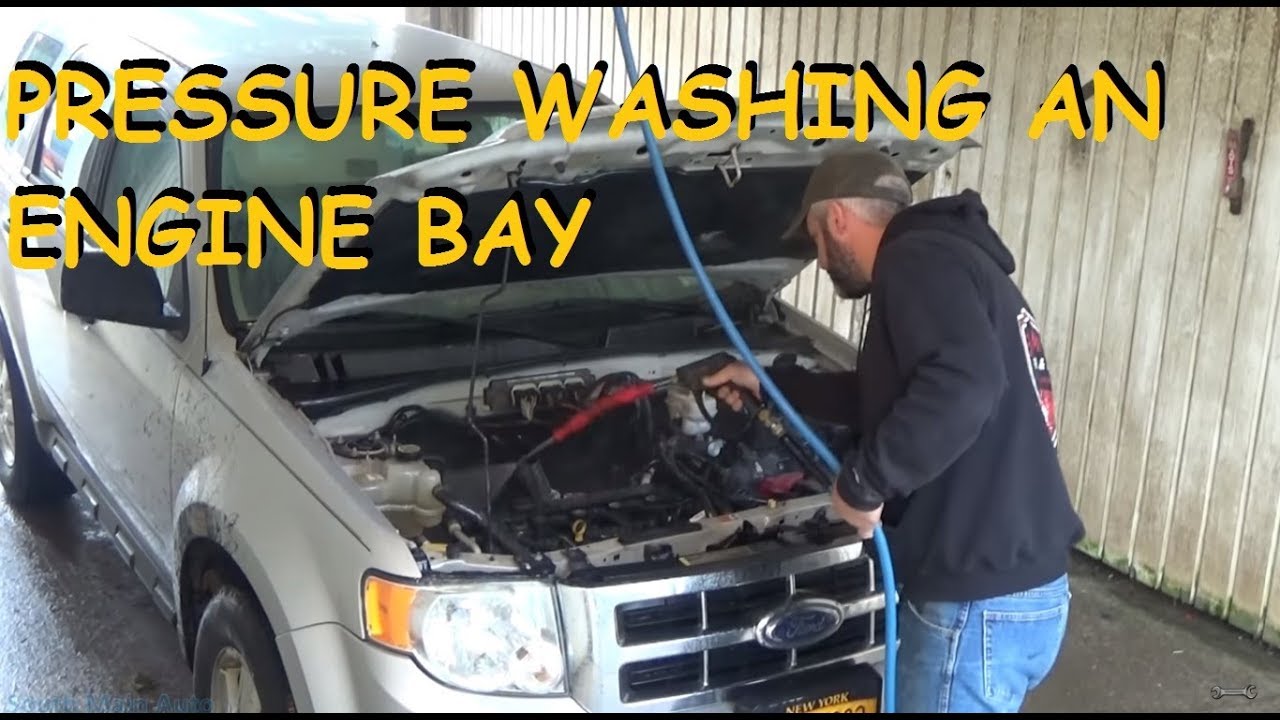
Use a pressure washer with a wide spray nozzle. Keep the nozzle at least 12 inches from the engine. Move the spray in smooth, even motions. Avoid directing water at electrical parts or air intakes.
Rinsing And Drying
Rinse the engine bay with clean water to remove degreaser and dirt. Use a low-pressure setting to prevent damage. Dry the engine with a clean cloth or air blower. Let the engine air dry fully before starting your car.

Credit: www.chemicalguys.com
Safety Tips During Cleaning
Cleaning your car engine with a pressure washer can be risky without safety steps. Protecting your engine and yourself is very important. Follow these safety tips to avoid damage and stay safe.
Avoiding Electrical Damage
Cover all electrical parts with plastic bags. Use tape to secure the bags tightly. Keep water away from the battery, alternator, and fuse box. Do not spray water directly on electrical connectors. Dry the engine well after washing to prevent corrosion.
Preventing Water Intrusion
Seal openings like air intakes and spark plug wells. Use plastic or aluminum foil to cover these spots. Avoid using high pressure near sensitive parts. Spray from a distance to reduce water force. Let the engine cool before cleaning to prevent damage.
Protecting Yourself
Wear safety goggles to protect your eyes from debris. Use gloves to keep your hands safe from chemicals and hot parts. Wear long sleeves and pants to avoid skin contact with water and dirt. Stand at a safe distance from the spray to avoid injury.
Post-cleaning Maintenance
After pressure washing your car engine, proper care keeps it running smooth. Post-cleaning maintenance helps protect parts from damage and dirt. Taking a few simple steps improves engine life and performance. Here is what to do after cleaning your engine.
Inspecting For Issues
Check all engine parts closely for damage or loose wires. Look for cracks, rust, or worn belts. Make sure connectors and plugs are dry and secure. Early spotting of problems helps avoid costly repairs later. Use a flashlight to see small areas clearly.
Reapplying Protective Coatings
Apply a water-resistant spray or engine protectant to cleaned areas. This coating prevents rust and keeps dirt away. Use a product designed for engines only. Spray evenly but avoid sensitive sensors and electrical parts. Protective coatings help your engine stay cleaner longer.
Regular Cleaning Schedule
Keep your engine clean by setting a regular washing routine. Clean every few months or more if you drive in dusty areas. Regular cleaning stops buildup of grease and grime. Consistency keeps your engine healthy and easy to inspect. Mark your calendar to remember the next wash.
Credit: detailxperts.com
Frequently Asked Questions
How Do You Safely Pressure Wash A Car Engine?
To safely pressure wash a car engine, cover sensitive parts like the air intake and electrical components. Use low pressure and keep the nozzle at least 12 inches away. Avoid soaking the engine and dry it thoroughly afterward to prevent damage.
What Equipment Is Needed For Engine Pressure Washing?
You need a pressure washer with adjustable pressure, plastic bags or foil for covering parts, a degreaser, soft brushes, and microfiber towels. These tools help clean effectively while protecting delicate engine components.
How Often Should You Pressure Wash A Car Engine?
Pressure wash your car engine every 6 to 12 months, depending on driving conditions. Frequent washing helps remove dirt and grease buildup, but over-washing can cause wear on engine parts.
Can Pressure Washing Damage My Car Engine?
Yes, improper pressure washing can damage sensitive parts like electrical wiring and sensors. Use low pressure, avoid direct spraying on delicate areas, and cover components to minimize risk.
Conclusion
Pressure washing your car engine can keep it clean and working well. Take care to protect sensitive parts and avoid too much water. Use gentle pressure and the right cleaning tools. A clean engine helps your car run cooler and last longer.
Regular cleaning also makes it easier to spot problems early. Try this simple method to maintain your engine’s health. Clean engines look better and perform better too. Give your car the care it needs with safe washing steps.


