

If you’ve just installed new brake pads and rotors, you might wonder how to brake properly to keep them in great shape. The way you break in your brakes can make a huge difference in their performance and how long they last.
You don’t want to risk uneven wear or reduced stopping power because you rushed the process. You’ll learn simple, clear steps to break in your new pads and rotors the right way. Follow these tips, and you’ll ensure your brakes work smoothly and safely every time you hit the road.
Keep reading to protect your investment and boost your driving confidence.
.jpg)
Credit: www.cbac.com
Prepare Your Vehicle
Preparing your vehicle is the first step before breaking in new brake pads and rotors. This ensures safety and better performance. Taking time to check and inspect key parts helps avoid issues later. Proper preparation leads to smooth braking and longer-lasting brakes.
Check Brake Fluid Level
Start by checking the brake fluid level. Low fluid can cause poor brake response. Open the hood and find the brake fluid reservoir. Make sure the fluid is between the minimum and maximum marks. Top it off with the correct type if needed. Clean fluid helps the brake system work well.
Inspect New Pads And Rotors
Look over the new pads and rotors carefully. Check for any damage or dirt on the surfaces. Clean rotors and pads improve contact and reduce noise. Make sure the parts match your vehicle’s specifications. This step avoids problems during the break-in process.
Ensure Proper Installation
Confirm that the new pads and rotors are installed correctly. Tighten all bolts to the right torque settings. Check that pads sit evenly on the rotors. Make sure there is no movement or rattling. Proper installation ensures safety and helps brakes perform well from the start.

Credit: www.greatwater360autocare.com
Initial Bedding Process
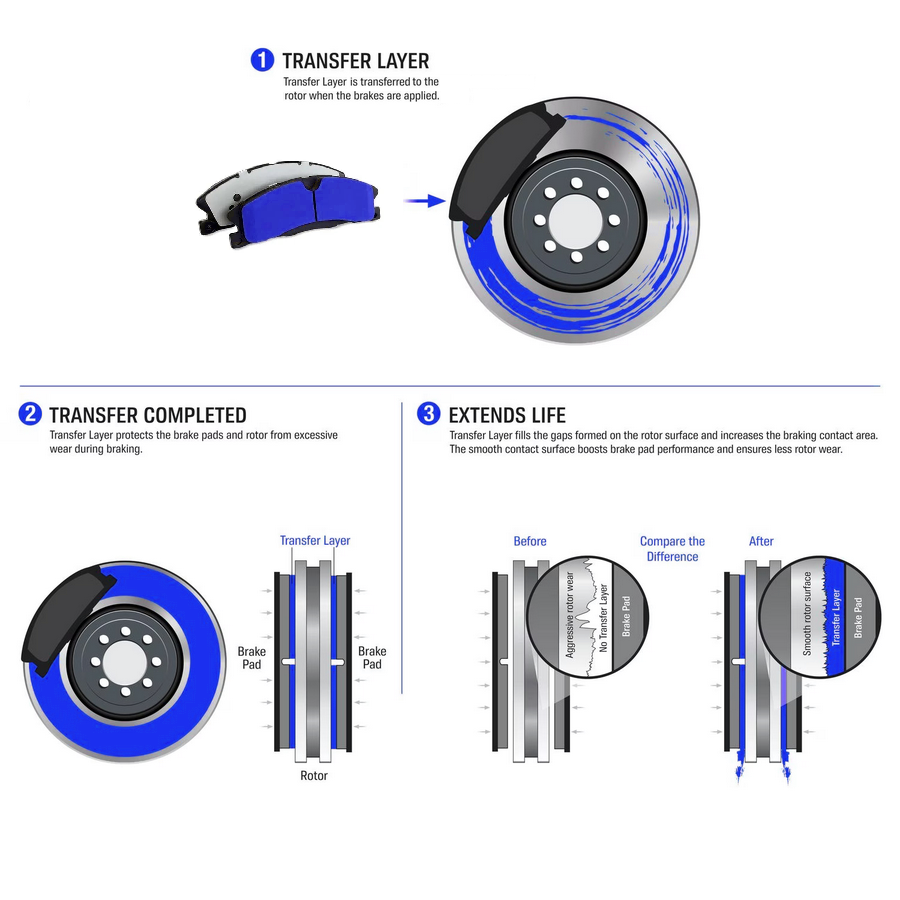
The initial bedding process is crucial after installing new brake pads and rotors. This step prepares the brakes for normal use and helps them perform better. Proper bedding ensures even pad material transfer to the rotors. It also reduces noise and extends brake life.
Skipping this step can cause poor braking and damage to the new parts. Follow simple steps to bed your brakes safely and correctly.
Find A Safe Location
Choose a quiet, empty road or parking lot. Avoid busy streets or areas with traffic. A safe spot lets you focus on braking without distractions. It also reduces risk to yourself and others during the process.
Perform Gradual Stops
Drive at a moderate speed, around 30-40 mph. Slowly apply the brakes to bring the vehicle to a smooth stop. Repeat this several times with gentle pressure. This helps the brake pads heat evenly and bond to the rotors.
Avoid Hard Braking
Do not slam the brakes or stop suddenly. Hard braking creates uneven heat and warps the rotors. It also reduces the life of the pads. Keep braking smooth and steady during the bedding process.
Heat Management
Heat management is very important when braking with new pads and rotors. New parts need to settle in without getting too hot. Proper heat control helps avoid damage and keeps brakes working well for a long time.
Allow Cooling Periods
After a few brake uses, stop and let the brakes cool down. This pause helps lower the temperature inside the brake system. Cooling periods prevent warping and reduce wear on the new pads and rotors. Short drives with breaks between stops work best.
Avoid Overheating Brakes
Do not press the brake pedal too hard or too often at first. Heavy braking causes the parts to heat up quickly. Overheating can cause noise, poor performance, or damage. Use gentle braking and avoid long downhill stops to keep the brakes cool.
Test Brake Performance
Testing brake performance after installing new pads and rotors is crucial. It ensures your brakes work safely and effectively. This step helps you spot any issues early. You will feel how the brakes respond and hear if there are unusual sounds. Pay close attention during this test to avoid any surprises on the road.
Monitor Brake Response
Start by pressing the brake pedal gently at low speed. Notice if the brakes grab smoothly or feel spongy. The pedal should feel firm and steady. If it sinks too low, the brakes may need adjustment. Test braking several times to check for consistent performance. Good brake response means your new pads and rotors are working well.
Listen For Unusual Noises
Listen closely while braking. New pads and rotors should not make loud or strange sounds. A slight squeak can be normal at first. But grinding, scraping, or loud squealing needs attention. These noises may indicate improper installation or poor-quality parts. Stop testing if noises continue and have a mechanic check your brakes.
Maintain Brakes After Bedding
Maintaining brakes after bedding is crucial for safety and performance. Proper care helps extend the life of new pads and rotors. It ensures smooth braking and prevents damage. Follow simple steps to keep your brakes in top shape after the initial bedding process.
Regular Inspections
Check brake pads and rotors regularly for wear and damage. Look for cracks, grooves, or uneven surfaces on rotors. Inspect brake pads for thinning or uneven wear. Listen for unusual sounds like squealing or grinding. Catching problems early avoids costly repairs and keeps braking safe.
Replace Brake Fluid As Needed
Brake fluid absorbs moisture over time, reducing braking efficiency. Change the brake fluid according to the vehicle’s schedule or if it looks dark. Fresh fluid helps maintain strong hydraulic pressure in the braking system. Always use the recommended brake fluid type for your vehicle. Clean fluid supports reliable and responsive brakes.
Credit: www.brakes-shop.com
Frequently Asked Questions
How Long Should I Brake With New Pads And Rotors?
Brake gently for the first 200 to 300 miles. Avoid hard stops to allow pads and rotors to bed in properly. This process ensures optimal performance and prevents premature wear or damage.
Why Is Bedding In New Brake Pads And Rotors Important?
Bedding creates a smooth transfer layer between pads and rotors. It improves braking efficiency and reduces noise. Proper bedding extends the lifespan of both components.
Can I Drive Normally After Installing New Brake Pads?
Avoid aggressive braking for the first few hundred miles. Drive cautiously to let pads and rotors adjust. This prevents uneven wear and maintains brake quality.
What Is The Best Method To Brake In New Rotors?
Use gradual stops from moderate speeds repeatedly. Avoid sudden or full stops early on. This method evenly heats and cools the rotor, preventing warping.
Conclusion
Braking with new pads and rotors needs care and attention. Start gently and avoid hard stops at first. This helps the parts wear in smoothly and last longer. Drive safely and listen to your brakes for any strange sounds. Proper braking keeps you and others safe on the road.
Take your time and maintain your vehicle regularly. Good brakes mean better control and peace of mind. Keep these steps in mind for a safe driving experience.


