

Want to make your car or truck look brand new without spending hours scrubbing? Pressure washing is the fastest way to blast away dirt, grime, and stubborn stains.
But if you’re not careful, it can damage your paint or leave streaks behind. In this guide, you’ll learn exactly how to pressure wash your vehicle safely and effectively. Follow these simple steps, and you’ll enjoy a sparkling clean ride that turns heads wherever you go.
Ready to get started? Let’s dive in!

Credit: www.amazon.com
Preparing Your Vehicle
Preparing your vehicle properly makes pressure washing safe and effective. It helps protect your car’s paint and parts from damage. Taking time to prepare ensures a clean, shiny finish.
Gathering Supplies
Collect all needed items before starting. You will need a pressure washer, detergent made for vehicles, a bucket, soft brushes, and microfiber towels. Also, have safety gear like gloves and goggles ready. Having everything nearby saves time and avoids interruptions.
Choosing The Right Location
Pick a flat, open space with good drainage. Avoid areas that can get slippery or damage the ground. Driveways or concrete pads work well. Stay away from busy streets to keep safe and reduce distractions. The right spot helps manage water and soap runoff responsibly.
Checking Weather Conditions
Check the weather before washing your vehicle. Avoid very cold days to prevent freezing water on the car. Do not wash under direct, hot sunlight as it can cause water spots. A mild, cloudy day is best for pressure washing your vehicle.
Setting Up The Pressure Washer
Setting up the pressure washer correctly is essential for cleaning your car or truck safely and effectively. This step ensures the right water pressure and spray pattern. It also protects your vehicle’s paint and surface from damage. Follow these simple instructions to prepare your pressure washer before you start washing.
Selecting The Correct Nozzle
Choose the right nozzle to control water flow and pressure. Use a nozzle with a wide spray angle, like 25 or 40 degrees. These are gentle and cover more surface area. Avoid nozzles with narrow angles, such as 0 or 15 degrees. They spray water too hard and can harm your paint.
Adjusting Pressure Settings
Set the pressure to a safe level for car washing. Most pressure washers allow you to adjust the PSI. Keep it between 1200 and 1900 PSI to avoid damage. High pressure can chip paint or force water into seals. Lower pressure cleans dirt without risking harm.
Connecting Water Supply
Attach your garden hose firmly to the pressure washer’s water inlet. Check for leaks before turning on the water. Make sure the water source has good pressure and flow. Use clean water to prevent clogging the washer. Proper connection ensures steady water flow during washing.
Initial Rinse
Starting the pressure wash with an initial rinse prepares your car or truck for a deep clean. This step helps loosen dirt and grime on the surface. It also prevents scratches during the washing process. The initial rinse sets the stage for a thorough and safe wash.
Removing Loose Dirt
Use the pressure washer to spray water over the vehicle’s surface. Focus on areas with visible dust and dirt. The force of the water removes loose debris without scrubbing. This step reduces the chance of scratching the paint later. Rinse until the water runs clearer, showing less dirt coming off.
Starting From The Top
Always begin rinsing from the roof or hood. Water naturally flows downwards, carrying dirt with it. Spraying from the top avoids re-soiling cleaned areas below. Move the spray nozzle side to side in a steady motion. This method covers the entire surface evenly and saves time.
Applying Detergent
Applying detergent is a key step in pressure washing your car or truck. It helps loosen dirt, grime, and tough stains. Using detergent correctly makes washing easier and more effective. Follow these simple steps to apply detergent the right way.
Choosing A Suitable Cleaner
Select a cleaner made for vehicles. Avoid harsh chemicals that can damage paint. Use pH-balanced or biodegradable detergents. These cleaners are gentle but strong enough to clean well. Read the label to ensure it fits your vehicle type.
Using The Soap Nozzle
Attach the soap nozzle to your pressure washer. This nozzle mixes detergent with water for even application. Spray detergent from the bottom up. Cover the entire surface evenly. Keep the nozzle about 2 to 3 feet away from the vehicle.
Letting Detergent Sit
Let the detergent sit on the surface for 5 to 10 minutes. This time helps break down dirt and stains. Avoid letting detergent dry on the vehicle. Rinse it off before it dries to prevent spots or damage.
Pressure Washing Technique
Pressure washing your car or truck can make it look fresh and clean fast. Using the right technique helps avoid damage and cleans every part well. Focus on controlling the water pressure and following a clear pattern. This way, dirt and grime come off without hurting the paint or parts.
Maintaining Safe Distance
Hold the pressure washer nozzle about 12 to 18 inches from the vehicle. Too close can harm paint or trim. Too far reduces cleaning power. Keep a steady distance for even cleaning. Move the nozzle smoothly to avoid streaks or spots.
Washing Panels Methodically
Work on one panel at a time. Spray from top to bottom in even strokes. This lets dirt wash down without leaving marks. Overlap each pass slightly for full coverage. Take your time to cover all areas carefully.
Avoiding Sensitive Areas
Stay away from door seals, antennas, and engine vents. High pressure can damage these parts or let water inside. Use a gentle spray or clean these spots by hand. Protect delicate areas to keep your vehicle safe and dry.
Rinsing Off Soap
Rinsing off soap is a key step in pressure washing your car or truck. It removes all soap suds and dirt left on the vehicle’s surface. Proper rinsing prevents streaks and soap stains. It also protects the paint and clear coat from damage. Take your time to rinse every part of the vehicle. This helps keep your car or truck shiny and clean.
Switching Nozzles
Use a nozzle with a wider spray for rinsing. A 25-degree or 40-degree nozzle works well. These nozzles cover more area and rinse soap quickly. Switch from a soap nozzle to a rinse nozzle after washing. Hold the spray wand about 2 feet away from the vehicle. Spray evenly over all surfaces to remove soap.
Thorough Soap Removal
Make sure no soap remains on the vehicle. Check areas like mirrors, door handles, and wheels. Soap left behind can leave spots and streaks. Rinse these spots carefully and repeat if needed. Use steady, gentle sprays to avoid paint damage. Dry the vehicle with a soft cloth after rinsing for best results.
Drying Your Vehicle
Drying your vehicle after pressure washing is important. It stops water spots and keeps the paint safe. Wet surfaces can attract dust and dirt quickly. Proper drying helps your car or truck look clean and shiny longer.
Use the right tools and techniques to dry without scratching. Avoid letting water air dry on the surface. This section shows easy ways to dry your vehicle well.
Using Microfiber Towels
Microfiber towels are soft and absorb water fast. They do not scratch paint like regular cloth. Use large, clean towels to cover more area quickly. Gently pat or wipe the surface to soak up water. Change towels when they become too wet. This keeps drying smooth and prevents streaks.
Preventing Water Spots
Water spots form when minerals stay on paint. Dry your vehicle soon after washing to stop spots. Work in shade or on cool surfaces to slow drying. Use a spray detailer to help remove leftover water. Wipe off drops from mirrors and windows carefully. These small steps keep your vehicle spotless and shiny.

Credit: www.stihlusa.com
Additional Tips
Pressure washing your car or truck is a great way to keep it clean. Some extra tips help protect your vehicle and make the process safe. These tips also keep your paint and trim looking good for a long time. Follow these simple steps to improve your washing routine.
Protecting Paint And Trim
Use a wide spray nozzle to avoid damage. High pressure can chip paint or crack trim. Hold the nozzle at least 12 inches from the surface. Avoid spraying directly at rubber seals or delicate parts. Test a small area before washing the whole vehicle. Use a car-safe detergent made for pressure washers. Rinse thoroughly to remove all soap and dirt.
Regular Maintenance
Clean your vehicle every two weeks to prevent dirt build-up. Regular washing stops rust and paint fading. Check your pressure washer for leaks or worn parts. Replace damaged nozzles to keep spray even. Store the washer in a dry place to avoid rust. Regular care extends both your vehicle’s and washer’s life.
Safety Precautions
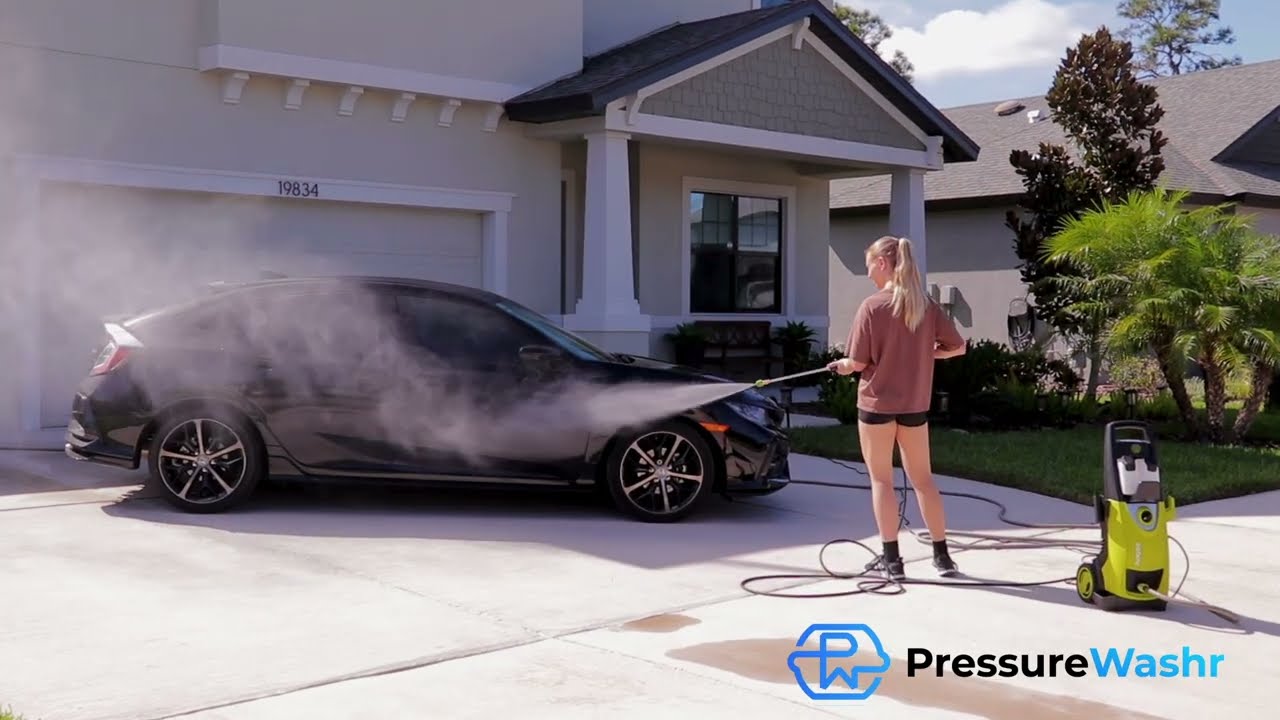
Wear safety goggles to protect your eyes from spray. Avoid spraying near electrical parts or open windows. Never point the pressure washer at yourself or others. Keep children and pets away during washing. Use gloves to protect your hands from strong water pressure. Follow the pressure washer’s instructions carefully for safe use.
Credit: pressurewashr.com
Frequently Asked Questions
How Do I Safely Pressure Wash My Car Or Truck?
Use a low-pressure setting and keep the nozzle 12-18 inches away. Avoid spraying directly on sensitive areas like windows and seals to prevent damage.
What Detergent Is Best For Pressure Washing Vehicles?
Choose a car-specific, biodegradable detergent. It effectively removes dirt without harming paint or the environment. Always follow the product instructions.
Can Pressure Washing Remove Stubborn Dirt And Grime?
Yes, pressure washing with proper settings and detergent can remove tough dirt. It cleans deep without scratching your vehicle’s surface when done correctly.
How Often Should I Pressure Wash My Car Or Truck?
Pressure wash your vehicle every 1-2 months. Frequent washing prevents buildup and protects paint, but avoid excessive pressure to maintain finish quality.
Conclusion
Pressure washing your car or truck saves time and effort. Use the right pressure setting to avoid damage. Always keep the nozzle at a safe distance. Clean in sections for better results. Rinse thoroughly to remove all soap and dirt.
Dry your vehicle to prevent water spots. Regular washing keeps your vehicle looking fresh. Try these tips for a cleaner, shinier ride. Simple steps lead to great results every time.


