Are you wondering how much pressure to use when washing your car? Using too much pressure can damage your paint, while too little might leave dirt behind.
Finding the right balance is key to keeping your car looking shiny and new. You’ll discover the perfect pressure settings to clean your car safely and effectively. Keep reading to learn simple tips that will save your paint job and make your car wash easier than ever.
Ideal Pressure Range
Choosing the right pressure for washing your car is very important. Too much pressure can damage the paint and parts. Too little pressure might not clean well. Finding the ideal pressure range helps protect your car and keeps it shiny.
Recommended Psi For Cars
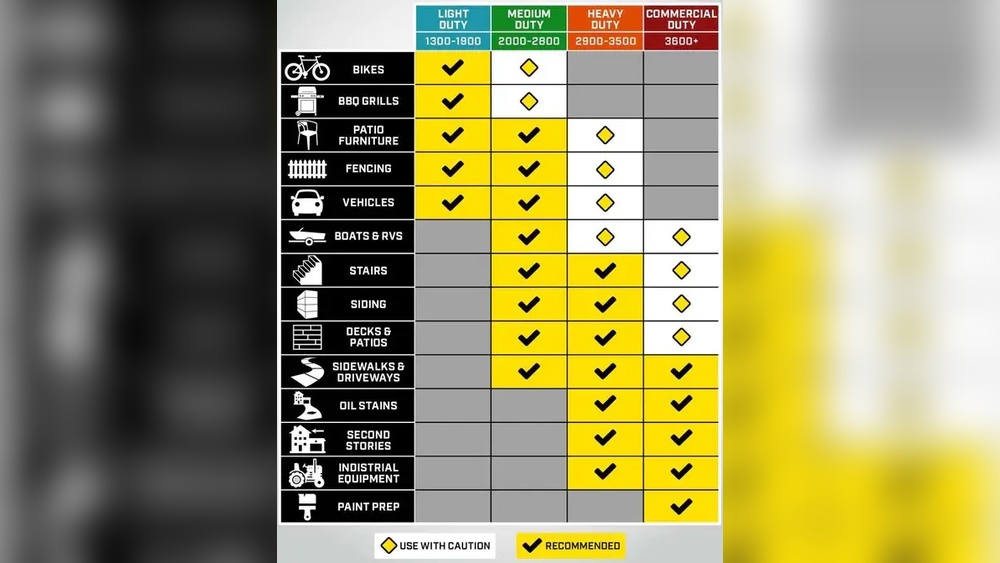
The best pressure for washing most cars is between 1200 and 1900 PSI. This range cleans dirt and grime without harming the paint. Use a pressure washer with adjustable PSI. Start low and increase carefully if needed.
Differences Between Car Surfaces
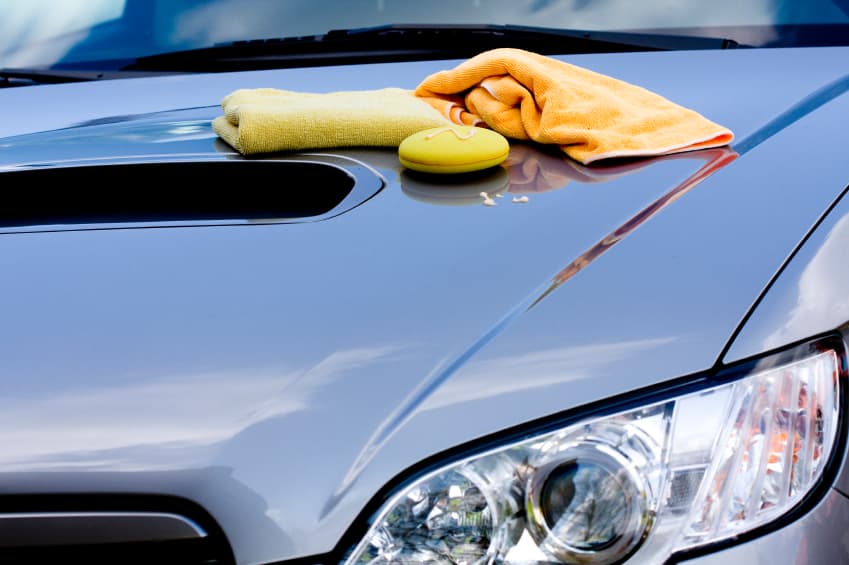
Different parts of a car need different pressure levels. Painted surfaces handle more pressure than glass or plastic. Wheels and tires can take higher pressure because they are tougher. Adjust the pressure based on the surface you clean.
Pressure Limits For Delicate Areas
Delicate areas like side mirrors, antennas, and trim need low pressure. Keep pressure under 1200 PSI for these parts. Avoid spraying directly at rubber seals or cracks. Use gentle cleaning to prevent damage in these zones.
Credit: www.meineke.com
Types Of Pressure Washers
Choosing the right pressure washer helps protect your car’s paint. Different types offer various power levels and features. Knowing these options guides you to the best choice for your cleaning needs.
Pressure washers come in several styles. Each type has its own strengths and ideal uses. Understanding them helps you avoid damage and get a clean car.
Electric Vs Gas Pressure Washers
Electric pressure washers are quieter and easier to use. They work well for light to medium cleaning jobs. They usually have lower pressure but enough for cars.
Gas pressure washers are stronger and more powerful. They suit heavy-duty tasks and large areas. These machines can clean tough dirt but need more care.
Pressure Settings And Nozzle Types
Pressure settings control the water force. Lower pressure is safer for car paint. High pressure cleans better but can cause damage.
Nozzles change the spray pattern and water flow. Wide-angle nozzles cover more surface gently. Narrow nozzles focus water for tough spots but risk harm.
Portable Vs Stationary Units
Portable pressure washers are light and easy to move. Perfect for home use and small cars. They are simple to store and transport.
Stationary units are larger and more powerful. Used for big vehicles or commercial cleaning. They stay in one place and need more space.
Preparing Your Car
Preparing your car before washing is very important. It helps protect the paint and parts from damage. Taking the right steps makes washing easier and more effective. Start by checking the car’s surface and getting the right tools ready. This way, you can clean your car safely and well.
Pre-rinse Steps
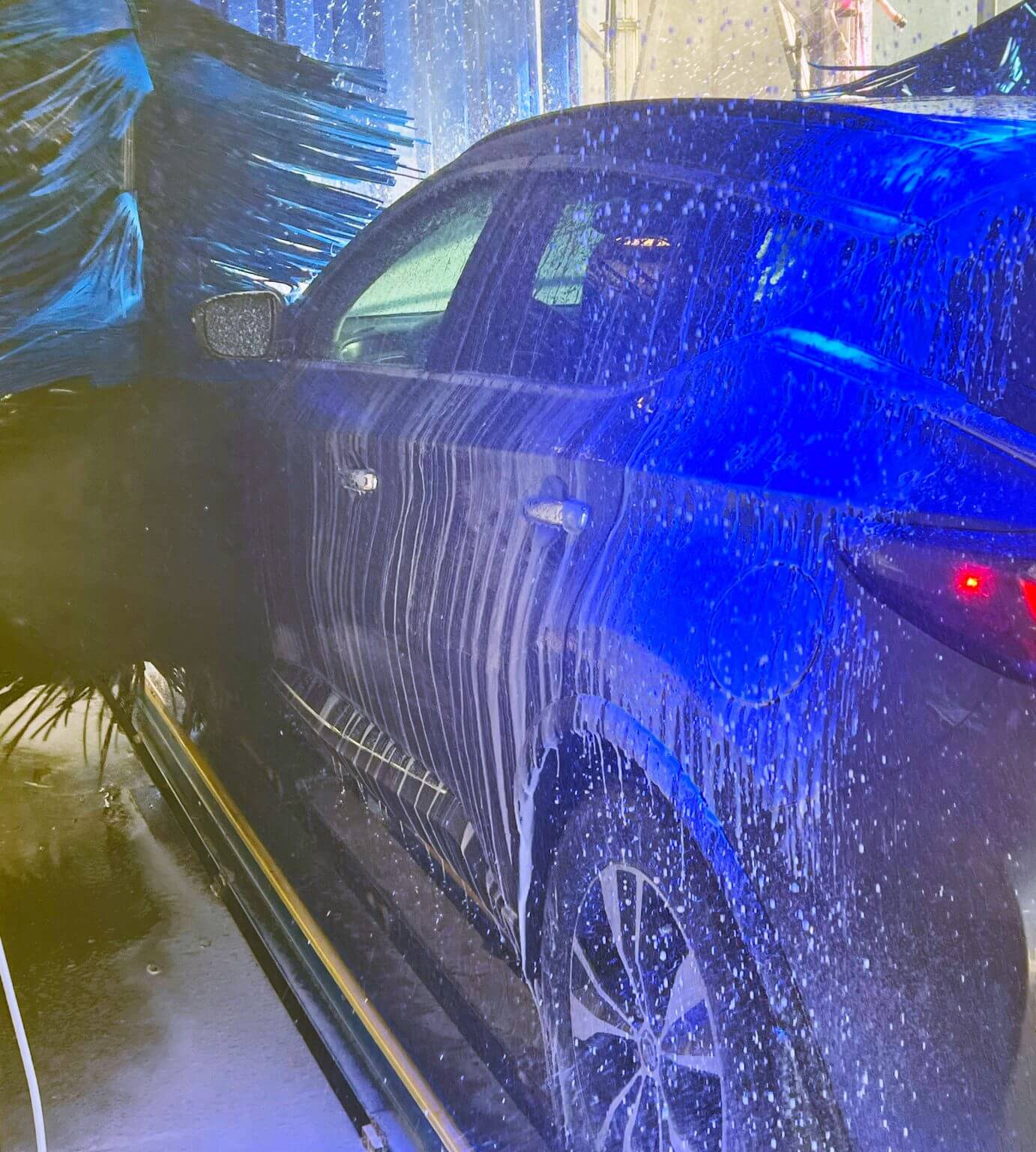
Begin with a gentle rinse to remove loose dirt and dust. Use low pressure to avoid scratching the paint. Spray water from top to bottom for better cleaning. Let the water soak for a minute to loosen grime. This simple step reduces the risk of scratches during washing.
Choosing The Right Cleaning Products
Pick car wash soap made for vehicles only. Avoid household cleaners or dish soap, as they can strip wax. Use a soft sponge or mitt to apply the soap. These products protect the paint and finish. Always read labels to ensure the product is safe for your car.
Protecting Sensitive Parts
Cover areas like air vents, electrical parts, and mirrors with plastic wrap. This prevents water from entering and causing damage. Avoid spraying directly on sensitive parts with high pressure. Be careful around decals and trim to keep them intact. Protecting these parts helps keep your car safe during washing.
Credit: www.reddit.com
Techniques For Safe Washing
Washing your car with the right pressure protects its paint and finish. Using safe techniques helps avoid damage and keeps the car looking new. Focus on simple, careful steps to clean effectively without harm.
Maintaining Correct Distance
Keep the pressure washer nozzle at least 12 inches from the car surface. This distance prevents the water pressure from peeling paint or causing dents. Move the nozzle steadily to avoid focusing pressure on one spot.
Using The Right Spray Angle
Hold the spray nozzle at a 45-degree angle to the car. This angle helps remove dirt gently without pushing water under seals or trim. Avoid spraying directly at edges or cracks to stop water damage inside parts.
Avoiding Common Mistakes
Never use high pressure on delicate parts like mirrors or tires. Avoid staying too long on one area. Do not use harsh soaps or chemicals that can strip paint. Rinse the car well to remove all soap and dirt.
Pressure Adjustments For Different Conditions
Adjusting pressure is key for effective car washing. Different parts of your car need different water pressures. Using the right pressure protects your car and cleans it well. Some areas need high pressure to remove dirt. Others need gentle pressure to avoid damage. Understanding these differences helps you wash your car safely.
Removing Tough Dirt And Grime
Tough dirt needs stronger pressure to come off. Use a higher setting, around 2000 to 2500 PSI, for mud or dried mud spots. Keep the nozzle at least 12 inches away from the surface. This stops damage but lets the water clean deeply. Avoid using maximum pressure for long. It can harm your paint or trim.
Cleaning Wheels And Tires
Wheels and tires hold brake dust and grime. These areas can handle higher pressure, about 2500 to 3000 PSI. Use a narrow spray to blast off stubborn dirt. Always rinse wheels first to loosen dirt. Then use detergent with pressure for a deeper clean. High pressure is fine here, but avoid spraying brakes directly.
Handling Paintwork And Glass
Paint and glass need gentle care. Set pressure between 1200 and 1900 PSI. Use a wide spray nozzle to spread water evenly. High pressure can cause scratches or chips. Spray from a distance of 18 inches or more. Clean glass with a gentle stream to avoid cracks. Soft pressure keeps your car shiny and safe.
Credit: calibercarwash.com
Safety Tips
Safety is key when washing your car with a pressure washer. Using the right pressure helps protect your car’s paint and parts. It also keeps you safe from injury. Follow these safety tips to wash your car without problems.
Protective Gear Recommendations
Wear safety glasses to protect your eyes from spray and debris. Gloves help keep your hands safe and dry. Closed-toe shoes prevent injuries from slipping or dropped tools. Dress in clothes that cover your skin fully. This gear stops accidents before they happen.
Avoiding Water Damage
Keep the pressure washer at least 12 inches away from the car. Do not spray water directly into windows or door seals. Avoid high pressure near delicate parts like lights and mirrors. Use a wide spray pattern to reduce force. These steps prevent water from damaging your car.
Safe Handling Of Equipment
Hold the pressure washer firmly with both hands. Start with low pressure and increase only if needed. Never point the spray at people, pets, or yourself. Turn off the machine before changing nozzles or moving the hose. Proper handling avoids accidents and keeps the equipment working well.
Maintaining Your Pressure Washer
Maintaining your pressure washer ensures it works well every time you wash your car. Proper care keeps the machine safe and extends its life. Simple steps can prevent damage and save money on repairs.
Regular Cleaning And Storage
After each use, clean the pressure washer’s nozzle and hose. Remove dirt and debris that block water flow. Store the machine in a dry, cool place. Keep it away from direct sunlight and moisture. Drain all water from the pump to avoid freezing and rust.
Troubleshooting Common Issues
Check for leaks or strange noises during operation. Clear clogged nozzles by soaking them in vinegar or warm water. Tighten loose connections to stop water leaks. Replace worn-out parts like seals and hoses quickly. These fixes keep your washer running smoothly.
Extending Equipment Lifespan
Use the correct pressure setting for your car to avoid strain. Change the oil regularly if your model has an engine. Inspect filters and clean or replace them as needed. Follow the manufacturer’s instructions for maintenance schedules. Taking care of your pressure washer pays off with longer use.
Frequently Asked Questions
What Is The Ideal Pressure For Washing A Car?
The ideal pressure is between 1200 to 1900 PSI. This range effectively cleans without damaging paint or trim.
Can High Pressure Damage My Car’s Paint?
Yes, pressures above 2000 PSI can chip or strip paint. Always use a lower pressure to protect your car’s finish.
Should I Adjust Pressure For Different Car Areas?
Yes, use lower pressure on delicate spots like windows and mirrors. Higher pressure suits tires and wheel wells.
Is Pressure Washing Better Than Hand Washing?
Pressure washing saves time and removes dirt quickly. However, hand washing is gentler and better for delicate finishes.
Conclusion
Choosing the right pressure keeps your car safe and clean. Too much pressure can harm the paint. Too little pressure might not remove dirt well. Aim for moderate pressure to wash gently and effectively. Always test on a small area first.
Use a nozzle that controls the spray. Regular washing helps keep your car shiny. Protect your car by using the right tools. Clean smart, clean safe, and enjoy the shine.