

Are you tired of seeing rust build up on your brake rotors? That annoying orange-brown layer not only looks bad but can also affect how well your brakes work.
If you want to keep your vehicle safe and running smoothly, preventing rotor rust is key. You’ll discover simple and effective ways to protect your brake rotors from rust. By the end, you’ll know exactly what steps to take to extend the life of your brakes and avoid costly repairs.
Keep reading to learn how to take control of your brake care and drive with confidence.
Credit: www.r1concepts.com
Causes Of Brake Rotor Rust
Brake rotor rust is a common problem for many drivers. Rust forms on the metal surface of rotors and can cause noise and reduced braking power. Understanding what causes rust helps prevent it effectively. Several factors work together to create the right conditions for rust to develop.
Impact Of Moisture And Weather
Moisture is the main cause of brake rotor rust. Water from rain, snow, or humidity sits on the rotor surface. This moisture reacts with the metal, starting the rust process. Cold weather speeds up rust formation, especially when roads have salt or chemicals. Warm, dry conditions slow rust but do not stop it completely.
Role Of Driving Habits
How you drive affects rotor rust. Short trips do not heat the rotors enough to dry off moisture. This leaves water on the surface longer, causing rust. Frequent heavy braking can wear down protective layers, exposing bare metal. Regular driving at highway speeds helps keep rotors dry and clean.
Material And Coating Factors
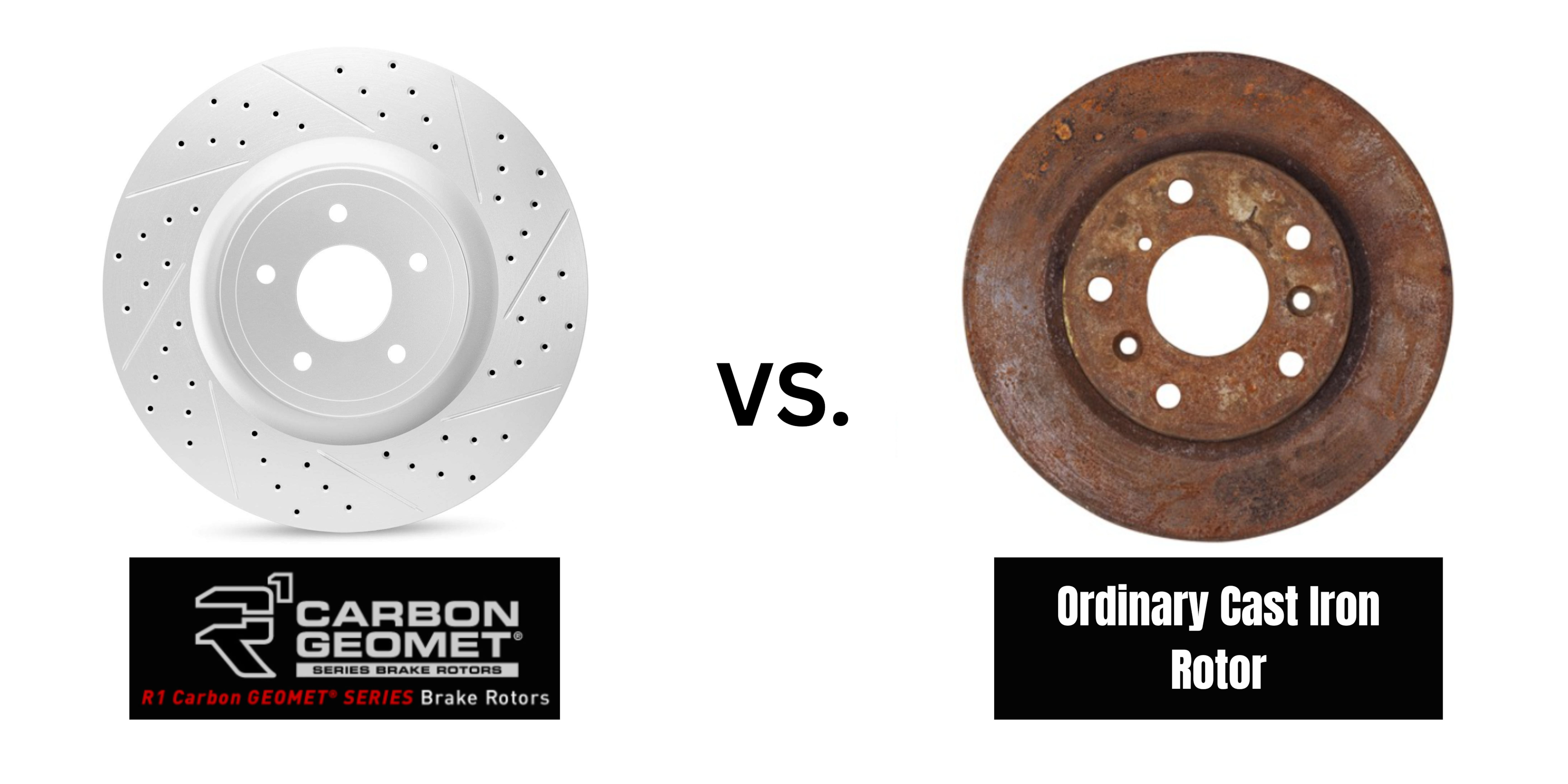
Brake rotors come in different materials. Some metals rust more easily than others. Cast iron rotors are prone to rust without coatings. Special coatings or treatments can protect rotors from moisture. Choosing rotors with good protection reduces rust risk and extends their life.
Signs Of Rusty Brake Rotors
Rust on brake rotors can cause serious problems. It reduces braking power and can damage your car. Spotting the signs early helps you fix the issue fast. Below are key signs to check on your brake rotors.
Visual Indicators
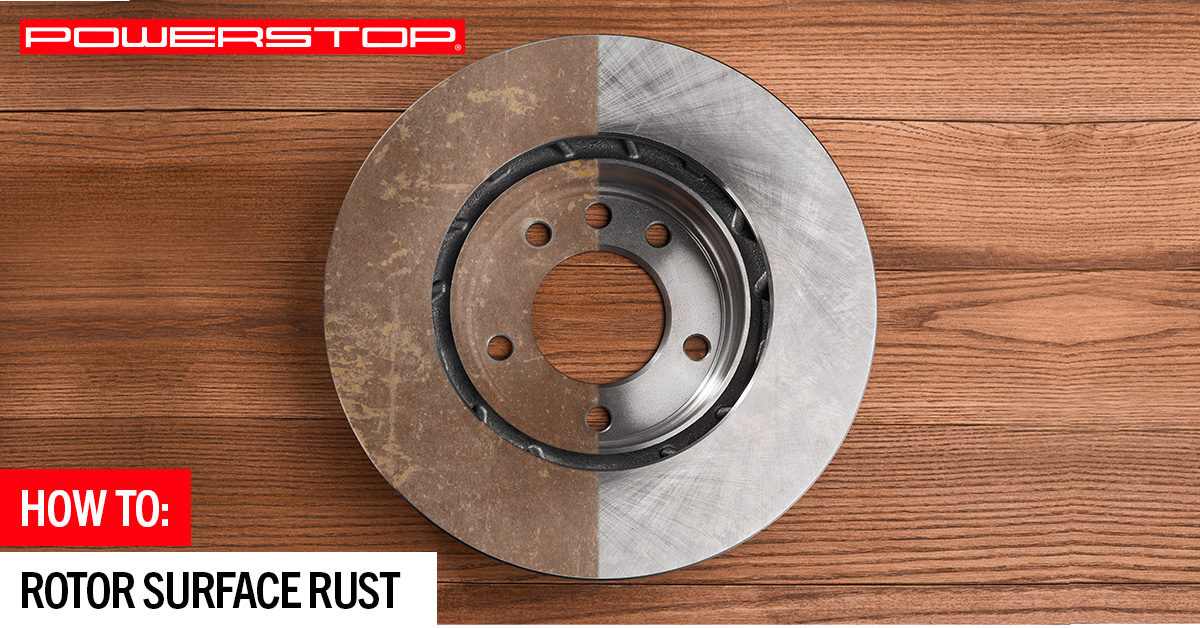
Look at the rotors closely. Rust appears as orange or brown patches on the metal. Surface rust often looks like light dusting. Deep rust creates rough, flaky spots. These spots can cause uneven wear on the rotors.
Performance Changes
Notice any changes in how your brakes work. Rusty rotors lower braking strength. Your car may take longer to stop. Pressing the brake pedal might feel less firm. Uneven rotors cause pulling to one side during braking.
Noise And Vibration
Listen for strange sounds when braking. Rusty rotors can cause squeaking or grinding noises. Vibrations through the brake pedal are common. Shaking steering wheel while braking also points to rotor issues. These signs warn you about rotor rust problems.
Routine Cleaning Techniques
Routine cleaning keeps brake rotors free from rust and dirt. It helps maintain safe braking and extends rotor life. Simple cleaning steps prevent rust buildup and corrosion. Regular care makes a big difference in rotor performance.
Choosing The Right Cleaning Products
Select mild, non-abrasive cleaners for brake rotors. Avoid harsh chemicals that damage metal surfaces. Use brake cleaner sprays designed for rotors. A soft brush or microfiber cloth works well for scrubbing. Always pick products that do not leave residue behind.
Step-by-step Cleaning Process
Start by removing loose dirt with a dry cloth. Spray the brake cleaner evenly over the rotor surface. Let it sit for a minute to break down grime. Gently scrub with a soft brush or cloth to remove rust spots. Rinse with water and dry the rotor thoroughly. Repeat if stubborn rust remains.
Frequency Of Cleaning
Clean brake rotors every few weeks in wet or salty conditions. More frequent cleaning helps prevent rust during rainy seasons. Inspect rotors during regular vehicle maintenance checks. Clean immediately if you notice surface rust forming. Consistent cleaning stops rust from damaging rotors deeply.
Credit: www.youtube.com
Protective Measures Against Rust
Brake rotor rust can cause serious problems. It reduces braking power and can wear down parts fast. Taking steps to protect rotors from rust helps keep your car safe. Simple habits and products can make a big difference. These protective measures help keep rust away and extend the life of your rotors.
Using Rust-resistant Coatings
Rust-resistant coatings form a shield on the rotor surface. These coatings block moisture and air from touching metal. They come in sprays, paints, or powders. Applying them after cleaning keeps rotors safe from rust. Some coatings also resist heat, which is important for brakes.
Proper Storage Practices
Storing your car in a dry place limits rust growth. Avoid parking in damp or wet areas for long times. Cover your car with a breathable cover to stop moisture build-up. If storing for months, remove rotors or use rust inhibitors. Good storage lowers the chance of rust forming.
Regular Driving Tips
Driving your car regularly helps stop rust buildup. Braking heats rotors, which dries off moisture. Short trips can cause rust because brakes do not get hot enough. Try to drive longer trips to warm brakes fully. This simple habit keeps rotors clean and rust-free.
Maintenance Practices For Longevity
Maintaining brake rotors properly extends their life and keeps them safe. Rust forms easily on rotors due to moisture and air exposure. Regular care slows down this process and protects your braking system.
Simple maintenance habits prevent rust build-up and improve performance. Checking and replacing parts on time helps rotors last longer. Following these steps saves money and avoids sudden brake problems.
Brake Pad Replacement Timing
Brake pads wear down with use and affect rotor health. Replace pads before they become too thin. Thin pads cause metal-on-metal contact, which damages rotors and increases rust risk. Check pads every 10,000 miles or as recommended by the car maker.
Rotor Inspection And Resurfacing
Regular rotor checks catch rust and wear early. Inspect rotors for grooves, cracks, or rust patches. Light rust can be removed by resurfacing, which smooths the rotor surface. Resurfacing restores good braking and prevents further rust. Do this during brake service or as needed.
Professional Servicing Benefits
Experts have tools to spot brake rotor issues fast. They know the right time to replace or resurface rotors. Professionals clean and protect rotors better than DIY attempts. Regular professional checks keep your brakes reliable and safe. Trusting mechanics helps avoid costly rotor damage.
Credit: www.powerstop.com
Diy Vs Professional Care
Deciding between DIY and professional care for brake rotor rust depends on your skills and the rust severity. Some cleaning tasks are simple and safe to do at home. Others need expert attention to avoid damage or safety risks.
When To Clean Yourself
Light surface rust can be cleaned with basic tools. Use a wire brush or sandpaper to remove rust gently. Clean rotors after driving in wet or salty conditions. Regular cleaning helps prevent rust build-up. Always use brake cleaner spray for better results. Wear gloves and eye protection during cleaning. Avoid deep scratches that can harm rotor performance.
Signs To Seek Expert Help
Heavy rust or pitting needs professional inspection. If you hear grinding or feel brake vibration, call a mechanic. Rust causing brake noise or reduced stopping power is dangerous. Professionals can measure rotor thickness and replace parts if needed. They have special tools to fix or resurface rotors safely. Don’t risk your safety by ignoring serious rust issues.
Frequently Asked Questions
How Can I Stop Brake Rotor Rust Quickly?
To stop brake rotor rust fast, drive your car regularly. Use your brakes gently to clean the rotors. Applying anti-rust spray can also help protect them from moisture and corrosion.
What Causes Brake Rotor Rust To Form?
Brake rotor rust forms due to exposure to moisture and air. When your car is parked for long, water reacts with the metal, causing oxidation and rust buildup.
Is Brake Rotor Rust Harmful To Vehicle Safety?
Light rust on rotors is common and usually not dangerous. However, heavy rust can reduce braking efficiency and cause noise, so clean or replace rusty rotors promptly.
How Often Should I Clean Brake Rotors To Prevent Rust?
Clean your brake rotors every few weeks, especially in wet or humid climates. Regular cleaning removes moisture and dirt that promote rust formation and keeps brakes functioning well.
Conclusion
Preventing brake rotor rust helps keep your car safe and reliable. Regular cleaning and driving after rain can stop rust buildup. Using rust-resistant coatings adds extra protection. Store your vehicle in a dry place to reduce moisture exposure. Remember, small actions save you time and money later.
Keep an eye on your brakes often. Rust-free rotors improve braking and extend rotor life. Simple care makes a big difference for your vehicle’s health. Stay proactive, and your brakes will work smoothly for years.


