

If you’ve just installed new brake pads and rotors, you might wonder why the break-in process matters. Skipping this important step can lead to poor braking performance, noise, or even faster wear.
But don’t worry—breaking in your brakes properly is easier than you think. You’ll learn simple, effective techniques to make sure your brakes work smoothly and last longer. Ready to get the most out of your brakes and drive with confidence?
Let’s dive in!
Credit: www.buybrakes.com
Why Break-in Matters
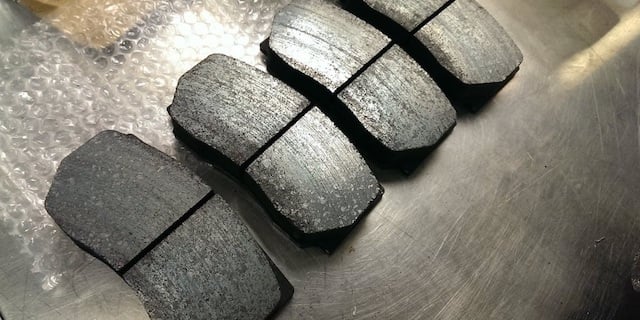
Breaking in brake pads and rotors is a key step after installation. It helps the parts work together smoothly. Skipping this process can reduce brake power and cause uneven wear. Proper break-in creates a strong bond between pads and rotors.
Impact On Brake Performance
Breaking in improves how brakes respond to pressure. It helps avoid noises and vibrations during stops. The brake pads and rotors heat evenly, preventing warping. This process ensures better stopping power and safer driving.
Extending Brake Lifespan
Proper break-in reduces early wear on brake parts. It helps pads and rotors last longer without damage. Even wear means fewer repairs and lower costs. Taking time to break in brakes protects your investment.
Preparing For Break-in
Preparing for break-in is the first step to ensure your brake pads and rotors work well. This phase helps parts fit together and perform better. Proper preparation reduces wear and improves safety.
Selecting The Right Brake Pads And Rotors
Choose brake pads and rotors that match your vehicle model. Check the material type: ceramic, organic, or semi-metallic. Each type has different wear rates and heat tolerance. Select parts designed for your driving style. Quality parts last longer and provide better braking.
Gathering Necessary Tools
Get all tools before starting the break-in process. You will need a jack, lug wrench, and brake cleaner. A torque wrench ensures proper tightness of bolts. Gloves and safety glasses protect your hands and eyes. Having tools ready saves time and avoids mistakes.
Step-by-step Break-in Process
Breaking in brake pads and rotors is essential for safe driving and long-lasting parts. The break-in process helps the pads and rotors work well together. Follow each step carefully to avoid damage and ensure strong braking power.
Initial Bedding Procedure
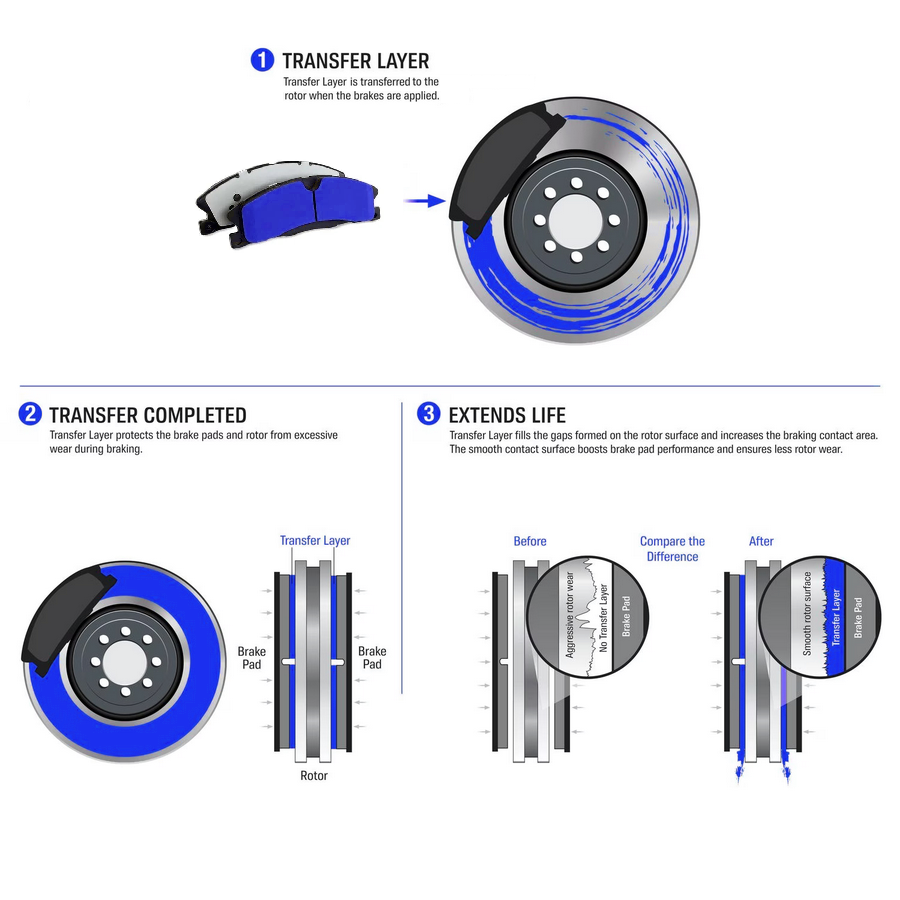
Start by driving at a moderate speed. Apply the brakes gently but firmly about 10 to 15 times. Each stop should slow the vehicle without coming to a full halt. This step helps create a thin layer of pad material on the rotors.
Let the brakes cool down after this initial bedding. Avoid holding the brake pedal down or stopping for too long. This prevents uneven pad material deposits.
Gradual Heat Build-up
Drive at increasing speeds and brake harder than before. Do this for several cycles to raise the temperature of the brakes slowly. This heat helps the brake pads and rotors bond well together.
Do not stop abruptly during this phase. Keep the braking smooth and controlled. This allows the brake parts to adjust without cracking or warping.
Avoiding Overheating
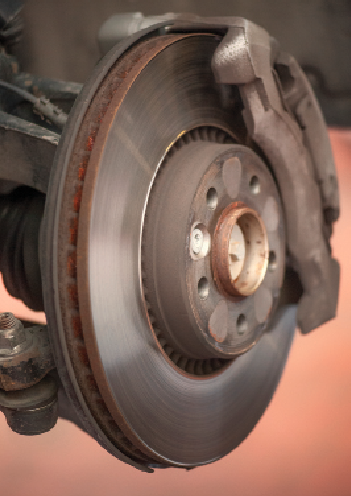
Do not keep braking hard for a long time. Overheating can damage brake pads and rotors. It causes brake fade and reduces stopping power.
After heavy braking, let the brakes cool by driving without using them for a while. This cool-down prevents damage and keeps your brakes working properly.
Credit: www.counterman.com
Common Mistakes To Avoid
Breaking in new brake pads and rotors is important for safe driving. Mistakes during this process can cause damage and reduce brake performance. Avoiding these common errors helps your brakes work better and last longer.
Skipping The Break-in
Many people skip the break-in step. This causes uneven pad material on the rotors. It leads to poor braking and noise. Take time to gently brake after installing new pads and rotors. This helps the parts wear evenly and fit together well.
Aggressive Braking Too Soon
Pressing the brake pedal hard immediately is harmful. It creates hot spots on the rotor surface. These spots cause warping and vibration. Start with light, gentle stops and increase pressure gradually. This allows the brakes to cool and settle properly.
Signs Of Proper Break-in
Breaking in brake pads and rotors is key for safe driving. Proper break-in means the brakes work well and last longer. You can tell the break-in worked by watching how your brakes respond and stop the car. These signs help you know the process was done right.
Improved Brake Responsiveness
The brakes should feel quick and smooth. Pressing the pedal should make the car slow down immediately. No strange noises or vibrations should happen. This quick reaction shows the pads and rotors are working together well.
Consistent Stopping Power
The car should stop the same way every time. The brake pedal should feel steady and firm. There should be no shaking or pulling to one side. Consistent stopping means the pads and rotors are properly matched and ready for use.
Credit: www.brakes-shop.com
Maintenance Tips For Longevity
Proper maintenance extends the life of brake pads and rotors. It keeps braking safe and smooth. Simple habits can prevent costly repairs. Follow these tips to maintain your brake system well.
Regular Inspections
Check brake pads and rotors often. Look for wear, cracks, or grooves on rotors. Thin or uneven pads need replacement. Listen for squealing or grinding sounds. These signs show brake parts need attention. Early checks avoid damage and ensure safety.
Cleaning And Care
Keep brake parts clean from dust and dirt. Use a soft brush or cloth to wipe off debris. Avoid using oil or grease near brakes. Clean rotors gently to prevent scratches. Dirt buildup reduces brake performance. Clean brakes help maintain smooth stopping power.
Frequently Asked Questions
How Long Does It Take To Break In Brake Pads And Rotors?
Breaking in brake pads and rotors usually takes about 200 to 300 miles. This process ensures optimal performance and longevity. Proper break-in prevents uneven pad material transfer and reduces brake noise. Following manufacturer guidelines during this period is essential for safety and effectiveness.
Why Is Breaking In Brake Pads And Rotors Important?
Breaking in brake pads and rotors helps establish an even layer of brake pad material on the rotor. This improves braking efficiency, reduces noise, and extends component life. Without proper break-in, brakes can feel less responsive and wear unevenly, causing premature damage.
What Is The Correct Procedure To Break In Brake Pads?
The correct break-in procedure involves several gradual stops from moderate speeds. Avoid hard braking initially; instead, perform 8 to 10 stops from around 35 mph to 5 mph. Allow brakes to cool between stops to prevent overheating and ensure even pad material transfer.
Can I Drive Normally Before Breaking In New Brake Pads?
It’s best to avoid heavy braking before completing the break-in process. Normal driving with gentle stops is acceptable. This helps pads and rotors bed in properly, ensuring maximum braking power and reducing the risk of brake issues later.
Conclusion
Breaking in brake pads and rotors helps your brakes work well. It stops noise and saves parts from damage. Follow the steps carefully and take your time. Drive gently at first to let brakes adjust. This small effort makes your brakes last longer.
Safe driving depends on good brake care. Always check your brakes often for any problems. Good brakes mean safer trips every time.


