
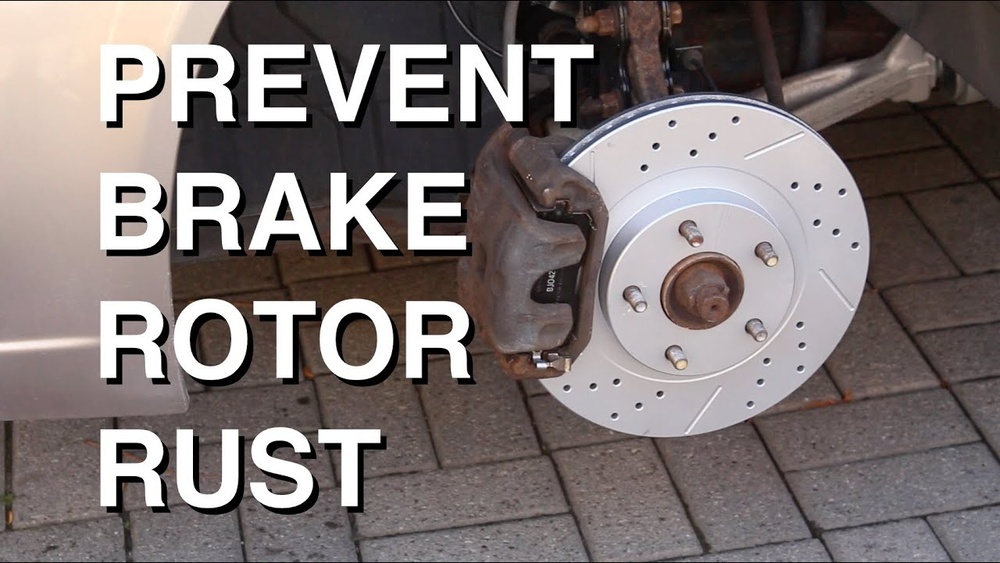
Rust on your brake rotors can cause more than just an eyesore—it can affect your car’s performance and safety. You might not notice it at first, but over time, corrosion can lead to noisy brakes, reduced stopping power, and costly repairs.
The good news? Preventing rust is easier than you think. You’ll discover simple, effective steps to keep your brake rotors clean and rust-free, so your vehicle stays safe and runs smoothly. Keep reading to protect your brakes and avoid unexpected problems down the road.

Credit: www.youtube.com
Causes Of Rust On Brake Rotors
Rust on brake rotors can cause problems with your car’s braking. Understanding what causes rust helps you protect your rotors better. Several factors lead to rust forming on brake rotors.
Exposure To Moisture
Moisture is the main cause of rust on brake rotors. Water from rain, snow, or car washing stays on the rotor surface. When the rotor is wet, oxygen reacts with the metal. This reaction creates rust. Even small amounts of moisture can start the rusting process.
Environmental Factors
Environmental conditions speed up rust formation. Areas with high humidity increase moisture around the rotors. Salt on roads during winter also causes rust to form faster. Dust and dirt can trap moisture on the rotor surface. These factors make rust more likely to appear quickly.
Material Composition
Brake rotors are usually made from cast iron or steel. These metals rust easily when exposed to moisture and air. Some rotors have special coatings to reduce rust. Without these coatings, the metal surface is more vulnerable. The type of metal affects how fast rust forms on the rotor.
Credit: www.reddit.com
Signs Of Rust On Brake Rotors
Rust on brake rotors can affect your vehicle’s safety and performance. Early signs of rust help you take action before serious damage occurs. Recognizing these signs is important for every driver.
Visual Indicators
Rust often looks like a reddish-brown layer on the rotor surface. It may appear as small spots or cover the entire rotor. You might see flaky or rough patches on the metal. This rust can form after the car sits unused in wet weather.
Sometimes, rust causes uneven wear on rotors. You may notice grooves or pits forming. These visual signs tell you the rotors need inspection or cleaning.
Performance Issues
Rust on rotors can cause noise when braking. You might hear squeaking or grinding sounds. The brakes could feel less smooth or grab suddenly. Your car may take longer to stop.
Vibration through the brake pedal is another sign. This happens when rust causes uneven rotor surfaces. If you feel shaking during braking, rust might be the cause.
Routine Maintenance Practices
Routine maintenance plays a key role in preventing rust on brake rotors. It keeps the rotors clean and free from moisture and dirt. Regular care helps the rotors last longer and work better. Small efforts every now and then stop rust from forming.
Regular Cleaning
Clean brake rotors often to stop rust buildup. Use a soft brush or cloth to remove dirt. Avoid harsh chemicals that may harm the metal. Washing off salt, mud, and grime helps rotors stay dry. Dry the rotors completely after cleaning to prevent moisture.
Timely Inspections
Check brake rotors regularly for signs of rust or wear. Early spotting helps fix problems fast. Look for discoloration, rough spots, or thin areas. Inspect after driving in rain or snow. Timely repairs keep rotors smooth and safe to use.
Protective Coatings And Treatments
Brake rotors face constant exposure to moisture and road salt. These elements cause rust, which can reduce rotor life and brake performance. Protective coatings and treatments create a barrier against rust. They help keep rotors clean and extend their durability.
Anti-rust Sprays
Anti-rust sprays form a thin protective layer on rotor surfaces. This layer blocks moisture and air from touching the metal. Sprays are easy to apply and dry quickly. Use sprays after cleaning the rotors for best results. They prevent rust buildup during wet or cold weather.
Ceramic Coatings
Ceramic coatings offer strong protection against rust and heat. These coatings bond tightly to the rotor metal. They resist corrosion, dust, and wear better than sprays. Ceramic coatings also help keep brakes cooler during driving. Applying ceramic coatings can improve rotor lifespan and brake safety.
Driving Habits To Minimize Rust
Driving habits play a big role in keeping brake rotors free from rust. Rust forms when moisture sits on the metal surface for too long. Changing how you drive can help stop rust from building up. Simple habits can protect your rotors and keep brakes working well.
Frequent Use
Using your brakes often helps clear water and moisture off the rotors. Each time you press the brake, the pads scrape away small rust spots. Short drives that include braking can prevent rust from forming. Avoid long drives without using brakes, as this lets rust grow.
Avoiding Prolonged Parking
Leaving your car parked for many days increases rust risk. Moisture collects on the rotors while the car sits still. Try to park your car in a dry, covered place. If parking is long, take short drives to use the brakes. This keeps rotors dry and rust-free.
Storage Tips For Vehicles
Proper vehicle storage helps stop rust on brake rotors. Rust forms when moisture touches metal parts. Keeping your vehicle safe during storage reduces rust risks.
Dry Environment
Store your vehicle in a dry place. Moisture causes rust quickly. Avoid parking in damp areas or on wet grass. A garage or covered shed works best. Use a dehumidifier if the space is humid. Dry air keeps brake rotors clean and rust-free.
Covering The Vehicle
Use a breathable car cover to protect your vehicle. Covers block dust, dirt, and moisture. Avoid plastic covers that trap moisture inside. Breathable fabrics let air flow and stop condensation. Covering your vehicle shields brake rotors from rust-causing elements.
When To Replace Brake Rotors
Knowing when to replace brake rotors is key to safe driving. Rotors wear down over time and can develop rust. Rust on rotors affects braking power and safety. Recognizing signs of rotor damage helps avoid accidents. Regular checks keep your brakes working well.
Assessing Rust Severity
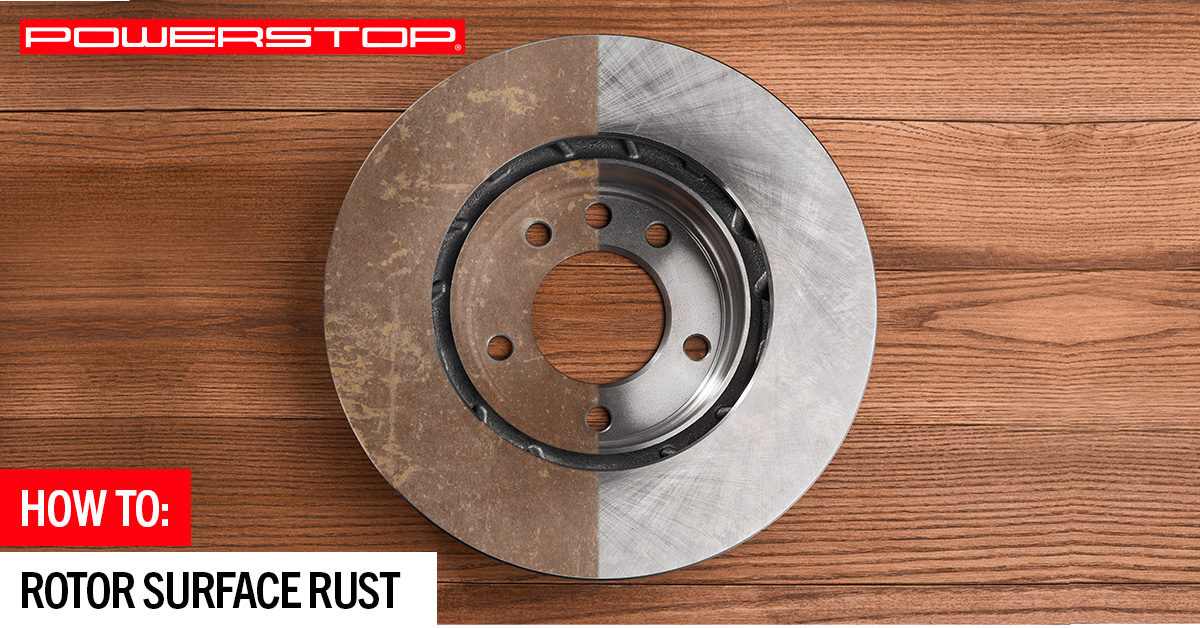
Light surface rust on rotors is normal after rain or washing. This rust usually clears after driving a short distance. Deep rust or pitting means the rotor surface is damaged. Look for rough, uneven patches or flakes of rust. Severe rust weakens the rotor and reduces braking efficiency. Measure rotor thickness to check if it meets safety limits. Use a micrometer or visit a mechanic for this.
Safety Considerations
Brake rotors with heavy rust can cause brake failure. Vibrations or noise during braking often signal rotor problems. If you feel shaking or hear grinding sounds, inspect the rotors quickly. Driving with damaged rotors risks longer stopping distances. This danger affects you and others on the road. Replace rotors that are thin, cracked, or badly rusted. Regular brake inspections protect your safety and your car.
Credit: www.powerstop.com
Frequently Asked Questions
How Does Rust Form On Brake Rotors?
Rust forms when moisture and oxygen react with the metal surface of brake rotors. This causes oxidation, leading to corrosion. Exposure to rain, humidity, and road salt accelerates rust buildup on rotors, affecting braking performance and rotor lifespan.
What Are The Best Ways To Prevent Rotor Rust?
Regularly driving your car helps prevent rust by wearing off moisture and debris. Keep your rotors clean and dry. Applying high-temperature brake lubricant and anti-corrosion sprays can protect rotor surfaces. Storing vehicles in dry environments also reduces rust risks.
Can Rust On Brake Rotors Affect Braking?
Yes, rust can cause uneven rotor surfaces, reducing brake pad contact. This leads to decreased braking efficiency, noise, and vibrations. Severe rust may cause rotor pitting, increasing wear and potentially compromising safety during braking.
How Often Should Brake Rotors Be Inspected For Rust?
Inspect brake rotors at least every 6 months or during routine brake maintenance. Frequent checks help detect early rust, preventing costly damage. Pay attention to visual signs of rust, noises, or reduced braking performance.
Conclusion
Keeping brake rotors free from rust helps your car run safely. Regular cleaning and driving prevent rust buildup. Using your car often stops moisture from settling on rotors. Storing your vehicle in a dry place also helps. Simple steps can extend the life of your brake rotors.
Taking care of them saves money and worry. Rust prevention keeps your brakes working well. Stay consistent with these tips for best results. Your brakes will thank you with smooth, safe stops. Easy habits protect your car and your peace of mind.


