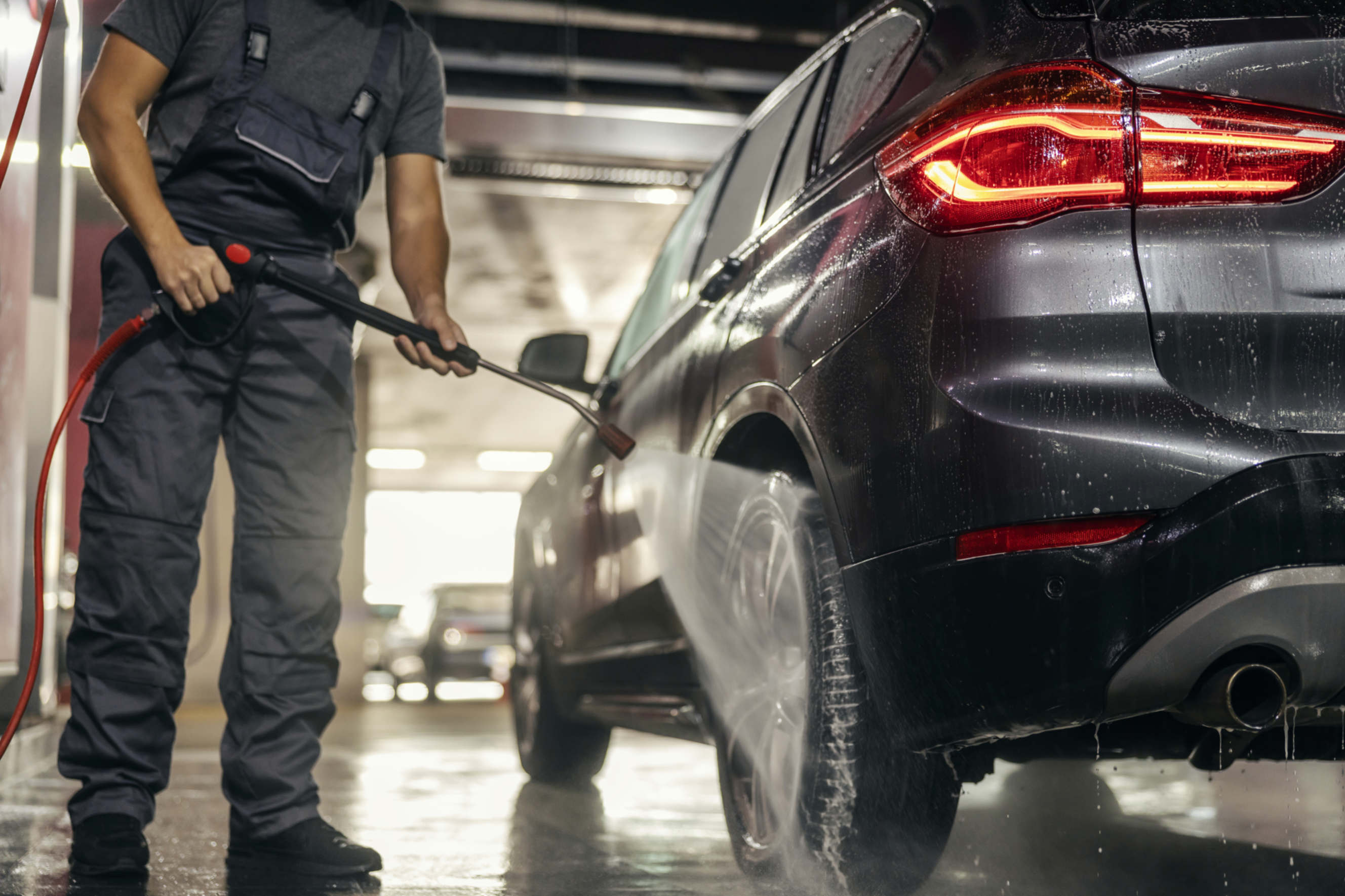
Have you ever wondered how much pressure those self-service car washes actually use? If you want your car clean without causing any damage, knowing the right pressure level is key.
Too little pressure means your car stays dirty, while too much can harm the paint or delicate parts. You’ll discover exactly how much pressure these machines produce and why it matters for your car’s care. Keep reading to make sure your next wash leaves your car spotless and safe.

Credit: zzshare.en.made-in-china.com
Car Wash Pressure Basics
Pressure is a key factor in self-service car washes. It helps remove dirt and grime effectively. Understanding pressure helps you choose the right setting for your vehicle. Too much pressure can damage paint, while too little may not clean well.
Pressure depends on how forcefully water sprays from the nozzle. This force breaks down tough stains and cleans hard-to-reach spots. Knowing the basics of pressure helps you wash your car safely and thoroughly.
What Is Pressure In Car Washes
Pressure in car washes means the force of water pushing out. It comes from a pump that moves water at high speed. Higher pressure means water hits the car with more power. This power lifts dirt and oils off the surface.
Self-service car washes usually offer pressure ranging from low to high. Low pressure is gentle for delicate parts. High pressure cleans heavy dirt but needs careful use. Pressure control lets you choose the best setting for your car.
Units Of Pressure Measurement
Pressure is measured in units called PSI or pounds per square inch. PSI tells how much force water applies on one square inch. A typical self-service car wash ranges from 1000 to 2000 PSI. Lower PSI means softer spray, while higher PSI means stronger spray.
Some car washes use bar as a pressure unit. One bar equals about 14.5 PSI. Understanding these units helps you read labels and instructions better. It also helps you avoid damage by picking the right pressure level.
Typical Pressure Levels
Self-service car washes use different pressure levels to clean vehicles effectively. These pressure levels vary to suit different cleaning needs and surfaces. Understanding typical pressure ranges helps you choose the right setting for your car.
Low Pressure Range
Low pressure usually measures between 1000 and 1500 PSI. It is gentle on delicate surfaces like convertible tops and decals. This range removes dirt without risking paint damage. Ideal for light cleaning and rinsing.
Medium Pressure Range
Medium pressure falls between 1500 and 2000 PSI. It works well for everyday cleaning tasks. This range removes dirt, grime, and bugs effectively. Suitable for most car surfaces without causing harm.
High Pressure Range
High pressure ranges from 2000 to 3000 PSI or more. It tackles tough dirt, mud, and stubborn stains. Use it carefully to avoid damaging paint or trim. Best for heavy-duty cleaning on trucks and SUVs.
Pressure In Self Service Car Washes
Pressure in self service car washes plays a key role in cleaning vehicles. The force of water helps remove dirt and grime from cars. Different machines offer various pressure levels. Knowing these helps users choose the right settings for their wash.
Average Pressure Output
Most self service car washes produce pressure between 1000 and 2000 PSI. PSI means pounds per square inch. This range is strong enough to clean dirt without damaging paint. Some machines have adjustable pressure to suit different needs. Lower pressure works well for light dirt. Higher pressure tackles tougher stains.
Variations By Machine Type
Different types of machines offer different pressures. Foam brushes usually have lower pressure, about 1000 PSI. High pressure wands can reach up to 2000 PSI or more. Some car washes use hot water with pressure to clean better. The nozzle design also affects water force. Users can select the best option for their vehicle’s condition.
Factors Affecting Pressure
Pressure at self-service car washes changes based on several key factors. These factors control how strong the water sprays and how well it cleans your car. Understanding them helps you know what to expect from different car wash stations.
Water Supply And Flow Rate
The water supply affects pressure directly. A steady and strong water flow keeps pressure high. Low water flow causes weak sprays. Water pipes and local water conditions also impact flow. Places with low water pressure may have weaker car wash sprays.
Pump Power And Maintenance
Pumps push water through the system. Stronger pumps create higher pressure. Pumps need regular maintenance to work well. Worn or damaged pumps lower pressure. Proper care keeps the pump running at full power.
Nozzle Design
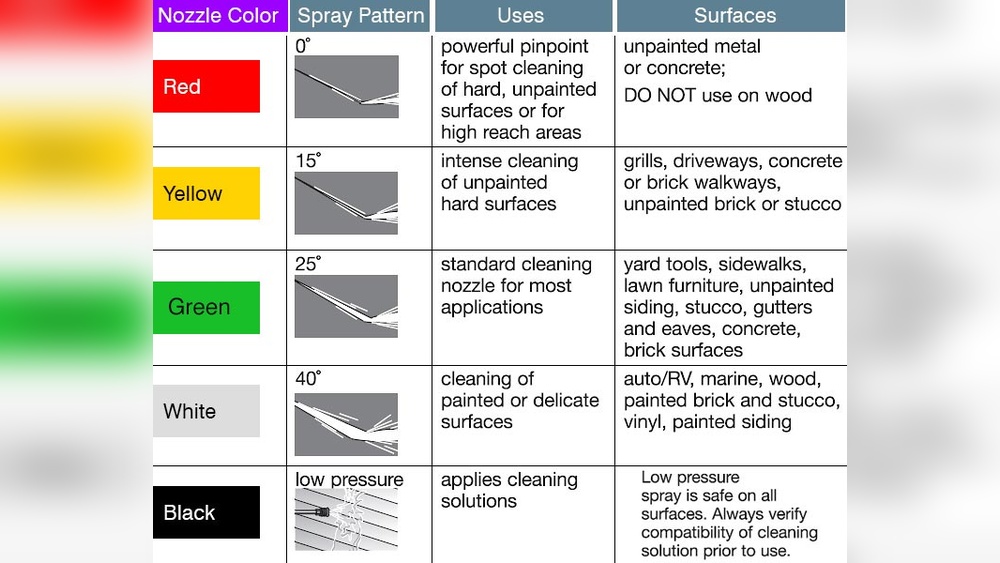
Nozzles control water direction and flow speed. Small nozzle openings increase water pressure. Different nozzle shapes change how water sprays. Some nozzles focus water into a narrow stream. Others spread water out for gentle washing.
Impact On Cleaning Efficiency
The pressure used in self-service car washes plays a big role in how well your car gets clean. The right pressure helps remove dirt, grime, and mud effectively. Too little pressure leaves dirt behind. Too much pressure can harm the car’s paint and parts. Understanding this balance is key to good cleaning results.
Pressure affects not just cleaning speed but also how deep the wash goes. It helps break up tough stains and reach hidden spots. The efficiency depends on finding the right pressure level for different dirt types. This ensures a cleaner car without damage.
Pressure Vs Dirt Removal
Higher pressure blasts away dirt faster and easier. It removes stubborn mud, bird droppings, and road grime well. Low pressure can only clean light dust and surface dirt. Strong pressure reaches into small cracks and wheels. This means a deeper, better clean in less time.
But not all dirt needs high pressure. Some dirt comes off with gentle rinsing. Choosing the right pressure saves water and energy. It also stops dirt from spreading around the car during washing.
Avoiding Damage To Vehicles
Too much pressure can strip paint and scratch surfaces. It may damage mirrors, trim, or decals. Water forced into seals can cause leaks and rust. Self-service car washes often limit pressure to safe levels.
Using the right nozzle and distance keeps the car safe. Hold the wand steady and avoid direct spray on sensitive parts. This protects the car while still cleaning well. Proper pressure helps keep your car looking good longer.
Comparing Self Service With Automatic Washes
Self service and automatic car washes use different methods and pressure levels. Each type affects the cleaning process and the final result. Understanding these differences helps you choose the best wash for your car.
Self service washes let you control the pressure and cleaning time. Automatic washes use machines that apply fixed pressure and cleaning cycles. This comparison highlights key points about pressure and wash quality.
Pressure Differences
Self service car washes usually have pressure washers with 1000 to 2000 PSI. You can adjust the distance and angle to protect your car’s paint. Automatic washes often use lower pressure, around 1200 PSI, to avoid damage from brushes. The pressure in automatic washes is steady and controlled by the system.
Effect On Wash Quality
Self service washes can clean stubborn dirt better because of higher pressure and manual control. You decide how long to spray and where to focus. Automatic washes clean evenly but might miss tough spots. The brushes in automatic washes can leave scratches if your car is very dirty. Self service may take more effort but offers better control over results.
Safety Tips For Using High Pressure Washers
High pressure washers at self service car washes can be very strong. Using them without care can cause injuries or damage. Following safety tips helps keep you and your car safe. Learn how to handle these powerful tools the right way.
Proper Handling Techniques
Hold the washer firmly with both hands. Keep a steady grip to control the spray. Avoid pointing the nozzle at people, animals, or fragile parts of your car. Start with low pressure and increase if needed. Keep the nozzle moving to prevent damage on one spot. Stay at least six inches away from the surface. Turn off the washer when not in use.
Protective Gear Recommendations
Wear safety goggles to protect your eyes from spray and debris. Use gloves to keep your hands safe and dry. Wear closed shoes to protect your feet. Avoid loose clothes that can catch water or get caught in the machine. Consider ear protection if the noise is loud. Dress for wet conditions to stay comfortable and safe.

Credit: concretecoatingsmn.com
Choosing The Right Pressure For Your Car
Choosing the right pressure for your car at a self-service car wash is very important. Too much pressure can damage the paint. Too little pressure may not clean well. Finding the right balance helps protect your car and keeps it looking good.
Car Surface Sensitivity
Different parts of your car have different sensitivity levels. Paint, plastic, and glass react differently to pressure. Paint can chip or fade with high pressure. Plastic parts may crack. Glass can get scratched. Use lower pressure on delicate surfaces to avoid damage.
Types Of Dirt And Stains
Some dirt is easy to remove with low pressure. Dust and light mud wash away quickly. Grease or stuck mud needs higher pressure. Bird droppings and tree sap are tough stains. They may need careful scrubbing or medium pressure. Choose pressure based on the dirt type for best results.
Future Trends In Car Wash Pressure Technology
The future of car wash pressure technology is bright and full of change. Self-service car washes will soon use smarter and safer pressure systems. These new systems aim to clean cars better without causing damage. They also focus on saving water and energy. Advances in this field will make car washing easier and more eco-friendly.
Innovations In Pressure Control
New pressure control systems allow users to adjust water pressure easily. Digital controls and sensors help keep pressure at the right level. This prevents paint damage and improves cleaning. Some systems can learn the best pressure settings for different vehicles. This technology helps both beginners and experts get good results. It also reduces water waste by using only what is needed.
Eco-friendly Pressure Solutions
Eco-friendly pressure solutions use less water and energy. Low-pressure systems combined with strong detergents clean cars well. Recycling water is becoming more common in car washes. This reduces water use and lowers costs. Some car washes use solar power to run pressure pumps. These green methods help protect the environment and save money.
Credit: www.airtasker.com
Frequently Asked Questions
What Pressure Do Self Service Car Washes Use?
Self service car washes typically use pressure between 1000 and 2000 PSI. This pressure effectively removes dirt without damaging paint. It balances power with safety for a thorough clean.
Is High Pressure Safe For Car Paint At Self Washes?
Yes, pressures below 2000 PSI are generally safe for car paint. Using moderate pressure prevents paint damage and maintains vehicle finish. Always keep the nozzle at a safe distance to avoid harm.
How Does Pressure Affect Cleaning Efficiency In Car Washes?
Higher pressure improves dirt removal by blasting away grime quickly. However, too much pressure can damage surfaces. Self service washes optimize pressure to clean efficiently and protect your vehicle.
Can Low Pressure Car Washes Clean Effectively?
Low pressure cleans gently but may require more time and effort. It reduces risk of paint damage but might not remove stubborn dirt well. Self service car washes balance pressure for best results.
Conclusion
Self-service car washes use pressure between 1000 and 3000 PSI. This range cleans dirt without damaging your car’s paint. Too much pressure can cause scratches or chips. Too little pressure may leave grime behind. Choosing the right pressure helps keep your car shiny and safe.
Always follow instructions at the wash station. Now you know how these machines work. A clean car feels good and lasts longer. Try one next time and see the difference yourself.