

When a hurricane is on the way, your car can face serious damage from strong winds, flying debris, and flooding. You might wonder how to keep your vehicle safe when a storm hits.
Protecting your car isn’t just about parking it somewhere—it takes smart steps that can save you money and stress later. You’ll discover simple, practical tips that anyone can follow to shield their car from hurricane damage. Keep reading to learn exactly what you need to do before the storm arrives.
Assess Hurricane Risks
Assessing hurricane risks is the first step to protect your car effectively. Knowing the dangers helps you plan and act fast. It reduces damage and keeps you safe. Start by understanding how hurricanes affect your area and stay updated on weather changes. This knowledge guides your decisions and protects your vehicle.
Identify Local Hurricane Patterns
Learn the history of hurricanes in your region. Know how often they hit and when. Notice the usual paths hurricanes take near your home. This helps predict the risk level for your car. Local patterns show which areas flood or face strong winds. Park your car in safer spots based on this info.
Check Weather Updates Regularly
Follow weather forecasts every day during hurricane season. Use reliable sources for accurate information. Watch for alerts about storm strength and direction. Early warnings give time to move your car to safety. Stay alert to sudden changes in weather reports. This keeps your car protected from unexpected dangers.
Credit: www.clevelandford.com
Prepare Your Vehicle
Preparing your vehicle before a hurricane helps reduce damage and keeps it safe. Take time to check important parts and secure anything that might move. This makes a big difference when strong winds and heavy rain hit.
Inspect Tires And Fluids
Check your tires for proper pressure. Tires with the right pressure handle wet roads better. Look for any cracks or worn tread that might cause problems. Fill your gas tank to avoid running out during the storm. Check oil, brake fluid, and coolant levels to keep the engine healthy. Replace or top off any fluids that look low.
Secure Loose Parts
Make sure mirrors, antennas, and trim are tight. Loose parts can break off and cause damage during high winds. Remove or fasten roof racks and bike carriers. Close windows and sunroofs completely. Cover your vehicle with a sturdy tarp if possible. Secure the tarp with strong ropes or bungee cords to prevent it from flying away.
Choose Safe Parking Spots
Choosing the right parking spot is a key step to protect your car during a hurricane. A poor choice can lead to serious damage from floodwaters, falling debris, or strong winds. Park smart to keep your vehicle safe and reduce repair costs.
Avoid Flood-prone Areas
Never park in low-lying spots or near rivers and streams. These places flood quickly during heavy rain. Floodwaters can damage your car’s engine and electrical systems. Look for higher ground or areas known to stay dry.
Check local flood maps or ask neighbors about safe zones. Even a few inches of water can cause serious harm. Avoid parking near storm drains or basins that fill with water fast.
Use Covered Or Elevated Parking
Covered parking protects your car from flying debris and heavy rain. Garages or carports offer a solid shield against wind and hail. If a garage is not available, choose parking lots with overhead shelters.
Elevated parking lots reduce flood risks. Parking on a raised platform or second story keeps your car above rising waters. This simple step can save your vehicle from costly flood damage.
Protect Against Water Damage
Protecting your car from water damage during a hurricane is very important. Water can enter through small openings and cause serious harm. Taking simple steps can save your car from costly repairs. Focus on sealing gaps and covering your vehicle well.
Seal Windows And Doors
Check all windows and doors for gaps. Use waterproof tape or weather stripping to seal edges tightly. This stops rainwater from leaking inside your car. Make sure doors close firmly without any space. Pay attention to rubber seals around windows. Replace worn or cracked seals before the storm arrives.
Use Waterproof Covers
Cover your car with a strong waterproof cover. Choose one made for heavy rain and strong winds. Secure the cover tightly to prevent it from blowing away. A good cover protects your car’s paint and interior from water damage. Avoid thin or loose covers that let water seep through.
Prevent Wind Damage
Strong winds can cause serious damage to your car during a hurricane. Protecting your vehicle from flying debris and falling objects is key. Taking simple steps can reduce the risk of costly repairs.
Remove Nearby Debris
Clear loose items near your car. Branches, trash cans, and outdoor furniture can become dangerous projectiles. Remove anything that the wind could pick up and throw at your vehicle. This lowers the chance of dents and broken windows.
Park Away From Trees And Poles
Choose a parking spot far from trees and utility poles. Strong winds can break branches or knock down poles. These heavy objects can crush your car if it is too close. A clear open space offers better protection from falling hazards.
Credit: www.bramanmiami.com
Emergency Supplies To Carry
Preparing your car with emergency supplies is vital during a hurricane. These items help keep you safe and ready for unexpected situations. A well-stocked car can make a big difference in an emergency.
Keep A Car Emergency Kit
Start with a basic emergency kit. Include items like a flashlight with extra batteries. Pack a first-aid kit for minor injuries. Add non-perishable snacks and bottled water. Keep a blanket for warmth and comfort. A multi-tool and jumper cables are helpful too. Store a small fire extinguisher and reflective warning triangles. These items help you stay safe and calm.
Include Important Documents
Keep all important documents in a waterproof bag. Include your car registration and insurance papers. Add a copy of your driver’s license. Store emergency contact numbers and medical information. These documents help if you need assistance or proof of ownership. Keep the bag easy to reach inside your car.
Post-hurricane Vehicle Check
After a hurricane passes, your car needs a careful check. Storms can cause hidden damage that is not easy to see. Checking your vehicle right away helps avoid costly repairs later. It also ensures your safety on the road.
Inspect For Damage
Start by looking over your car’s exterior. Check for dents, cracks, or broken windows. Examine the tires for cuts or low pressure. Look under the car for leaks or loose parts. Don’t forget to open the hood and check the engine area. If you spot any damage, take photos and contact your insurance company.
Avoid Starting If Flooded
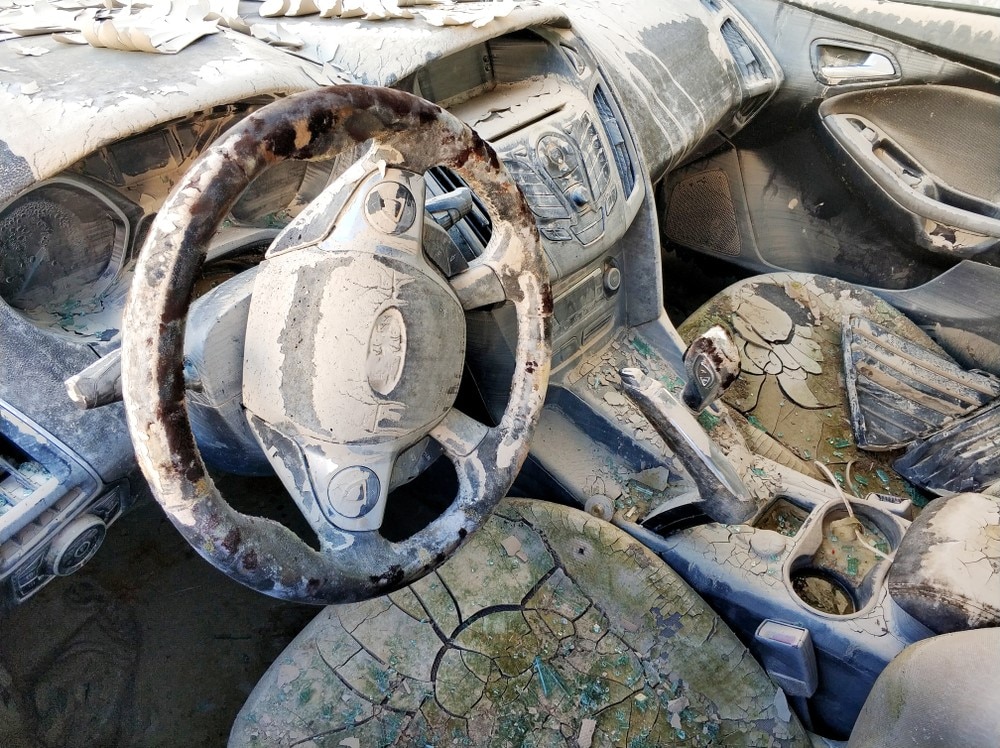
Flooded cars can have serious engine problems. Water inside the engine can cause it to fail. Do not try to start the car if water has entered the interior or engine. Starting a flooded car may lead to expensive repairs. Call a professional mechanic to inspect the vehicle first. Safety comes first after any flood damage.

Credit: www.youtube.com
Frequently Asked Questions
How Can I Protect My Car From Hurricane Damage?
Park your car in a garage or covered area. Use heavy-duty car covers to shield it from debris. Remove any loose items nearby that can cause damage during strong winds.
Should I Move My Car Before A Hurricane?
Yes, relocate your car to higher ground if flooding is expected. Avoid parking under trees or power lines to prevent falling debris damage.
What Emergency Supplies Should I Keep In My Car?
Keep a flashlight, first aid kit, bottled water, and basic tools in your car. These supplies help you stay safe if stranded during a hurricane.
Is It Safe To Drive During A Hurricane?
No, avoid driving during a hurricane due to strong winds and flooding. Stay indoors and wait until authorities declare it safe to travel.
Conclusion
Protecting your car during a hurricane takes careful steps. Park your car in a garage or a safe, covered place. Use sturdy coverings to shield it from debris. Keep your car fueled and ready for emergencies. Stay informed about weather updates to act quickly.
Small actions can save your car from damage. Preparation helps reduce stress and loss. Stay safe, and protect your vehicle well before the storm hits. Taking these simple steps makes a big difference. Your car’s safety depends on what you do today.


