

Are you struggling with putting on plastic wheel covers and worried about scratching your wheels or having them fall off? You’re not alone.
Getting the perfect fit can seem tricky, but once you learn the right steps, it becomes quick and easy. In this guide, you’ll discover simple tips that make the process smooth and stress-free. Keep reading, and you’ll save time, protect your wheels, and have your car looking sharp in no time.

Credit: www.youtube.com
Tools Needed
Before putting on plastic wheel covers, gather the right tools. This helps make the process quick and smooth. Having everything ready keeps you safe and avoids damage to your wheel covers or tires.
Most tools are easy to find and inexpensive. You may already have some at home. Each tool has a specific job during the installation.
Plastic Wheel Covers
Choose wheel covers that fit your tire size perfectly. Covers that are too big or small won’t stay in place well.
Rubber Mallet
A rubber mallet helps press the cover gently onto the wheel. It avoids scratches or dents.
Wheel Cleaning Cloth
Clean wheels allow the cover to fit better. Use a soft cloth to remove dirt and dust.
Gloves
Wear gloves to protect your hands. They also help grip the covers firmly.
Flathead Screwdriver (optional)
This tool helps if covers have clips that need adjustment. Use it carefully to avoid damage.
Credit: www.g-locbrakes.com
Preparing The Wheel
Preparing the wheel is the first step to put on plastic wheel covers correctly. Clean and check the wheel carefully. A clean surface helps the cover fit well and stay secure.
Take time to remove dirt, dust, and grease from the wheel. This preparation keeps the cover from slipping off while driving.
Remove Old Covers And Debris
Start by removing any old wheel covers. Clear away leaves, mud, or small stones stuck around the rim. Use a brush or cloth to clean the surface gently.
Clean The Wheel Surface Thoroughly
Wash the wheel with soap and water. Scrub to remove grease and grime. Dry the wheel completely with a clean towel. Moisture can cause covers to slip.
Check For Damage Or Rust
Look for cracks, dents, or rust on the wheel. Damaged wheels can prevent covers from fitting properly. Fix or replace damaged parts before continuing.
Inspect Tire Pressure
Check the tire pressure and adjust it if needed. Proper tire pressure helps the wheel cover stay in place. Use a gauge to get an accurate reading.
Aligning The Wheel Cover
Aligning the wheel cover is a key step in putting it on properly. A well-aligned cover fits snugly and looks good on the wheel. It also stays in place during driving, avoiding falls or damage.
Take your time to position the cover right. This helps prevent scratches and keeps your wheels protected.
Check The Valve Stem Position
Find the valve stem on your tire. This is the small metal or rubber part used for inflating the tire. Match the opening on the wheel cover with the valve stem location. This ensures the cover fits without blocking the valve.
Match The Wheel Cover Tabs
Most plastic wheel covers have tabs or clips. These hold the cover onto the wheel. Line up these tabs with the spaces on the wheel rim. Proper alignment helps the cover snap in place securely.
Align The Design Features
Some wheel covers have specific designs or logos. Align these features so they look straight and centered. This gives your car a neat and polished appearance.
Securing The Cover
Securing the plastic wheel cover is a vital step. It keeps the cover in place while driving. A loose cover can fall off or cause damage. Follow simple steps to make sure the cover fits tightly and safely.
Check The Fit Around The Rim
Start by placing the cover over the wheel rim. Press gently around the edges. The cover should hug the rim without gaps. If it feels loose, adjust the position. A tight fit prevents the cover from moving.
Press The Clips Firmly
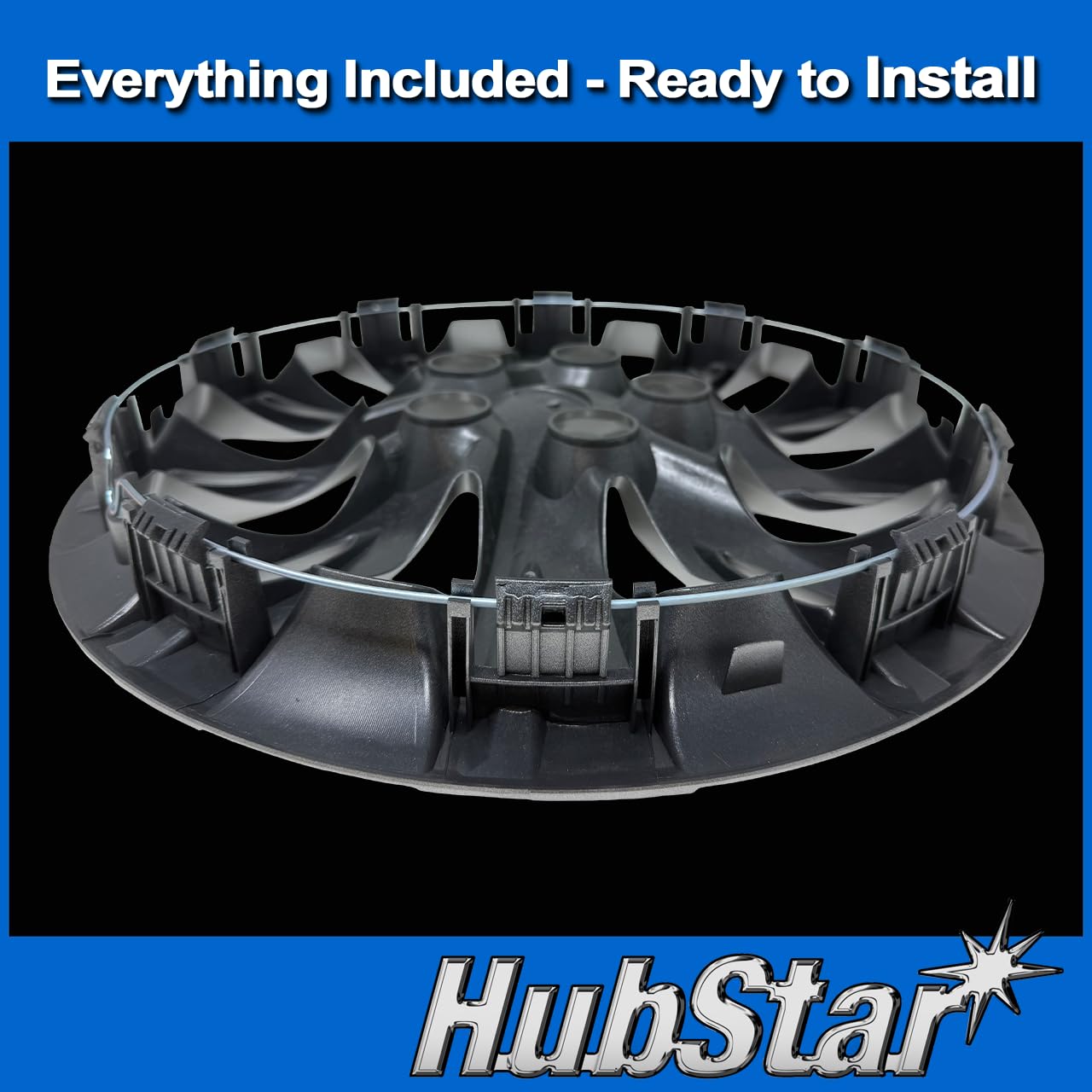
Most plastic covers have clips on the back. Push each clip firmly onto the rim’s edge. These clips hold the cover securely. Make sure all clips snap into place. Do not force too hard to avoid breaking the clips.
Test The Cover’s Stability
After securing, give the cover a gentle tug. It should stay firmly attached without shifting. Spin the wheel slowly to check for wobbling. A stable cover is safe for driving. Re-adjust if the cover moves or feels loose.
Checking The Fit
Checking the fit of plastic wheel covers is a key step. It ensures the covers stay secure and look good. Poor fit can cause the covers to fall off or get damaged. This part of the process takes just a few minutes but saves trouble later.
Inspecting The Wheel Size
Start by measuring your wheel diameter. Compare this size with the cover’s size label. The cover must match the wheel size exactly. A cover too big or too small will not fit properly.
Aligning The Cover With The Wheel
Place the cover near the wheel. Check if the clips line up with the rim holes. Proper alignment helps the cover snap on easily. Misalignment can cause loose fitting or damage.
Testing The Snap Fit
Press the cover firmly onto the wheel. Listen for a snapping sound. This sound means the clips have locked in place. Gently shake the wheel to test the hold. If the cover moves, adjust the fit again.
Troubleshooting Common Issues
Plastic wheel covers can sometimes cause small problems during use. These issues might seem tricky but are easy to fix. Knowing how to handle common troubles helps keep your wheel covers in good shape.
Loose Covers
Loose wheel covers can rattle or fall off. Check if the clips on the cover fit tightly on the wheel. Clean the wheel rim to remove dirt before putting on the cover. Press the cover firmly around the edges to secure it well. If clips break, replace the cover to avoid loss during driving.
Damage Prevention
Avoid damage by handling covers gently. Do not force covers onto wheels. Store covers in a dry, safe place when not in use. Keep away from sharp objects that can scratch or crack the plastic. Regular checks help spot small cracks before they grow.
Removal Tips
Remove covers carefully to prevent damage. Use a flat tool or your hands to gently lift the edges. Avoid pulling hard in one spot. Work your way around the cover slowly. Cleaning covers after removal helps keep them looking new and ready for next use.

Credit: www.wikihow.com
Frequently Asked Questions
How Do You Properly Align Plastic Wheel Covers?
Align the wheel cover with the tire valve stem. Ensure clips or retention rings face the wheel rim. Press firmly and evenly around the edges for a secure fit.
Can Plastic Wheel Covers Damage My Wheels?
Plastic wheel covers generally do not damage wheels. However, improper installation or removal may scratch or loosen them. Handle carefully to avoid damage.
How Often Should I Replace Plastic Wheel Covers?
Replace plastic wheel covers if cracked, broken, or missing clips. Regular inspection helps maintain appearance and safety. Typically, they last several years.
Are Plastic Wheel Covers Weather-resistant?
Most plastic wheel covers are weather-resistant. They withstand rain, sun, and mild impacts. However, extreme conditions may cause fading or brittleness over time.
Conclusion
Putting on plastic wheel covers is simple with the right steps. Clean the wheels first for a better fit. Align the cover carefully before pressing it on. Use gentle pressure to avoid damage. Check that the cover stays secure while driving.
Regular checks keep your covers looking good and safe. Taking time to install covers properly saves future hassle. Enjoy the fresh look your wheels get from covers. Small effort brings neat results every time.


