Thinking about wrapping your car with vinyl but unsure how many rolls you’ll need? You’re not alone.
Getting the right amount of vinyl is crucial to avoid running short or wasting money on extra material. You’ll discover simple ways to calculate exactly how many rolls will cover your vehicle perfectly. Keep reading to save time, cut costs, and make your car wrap project smooth and stress-free.
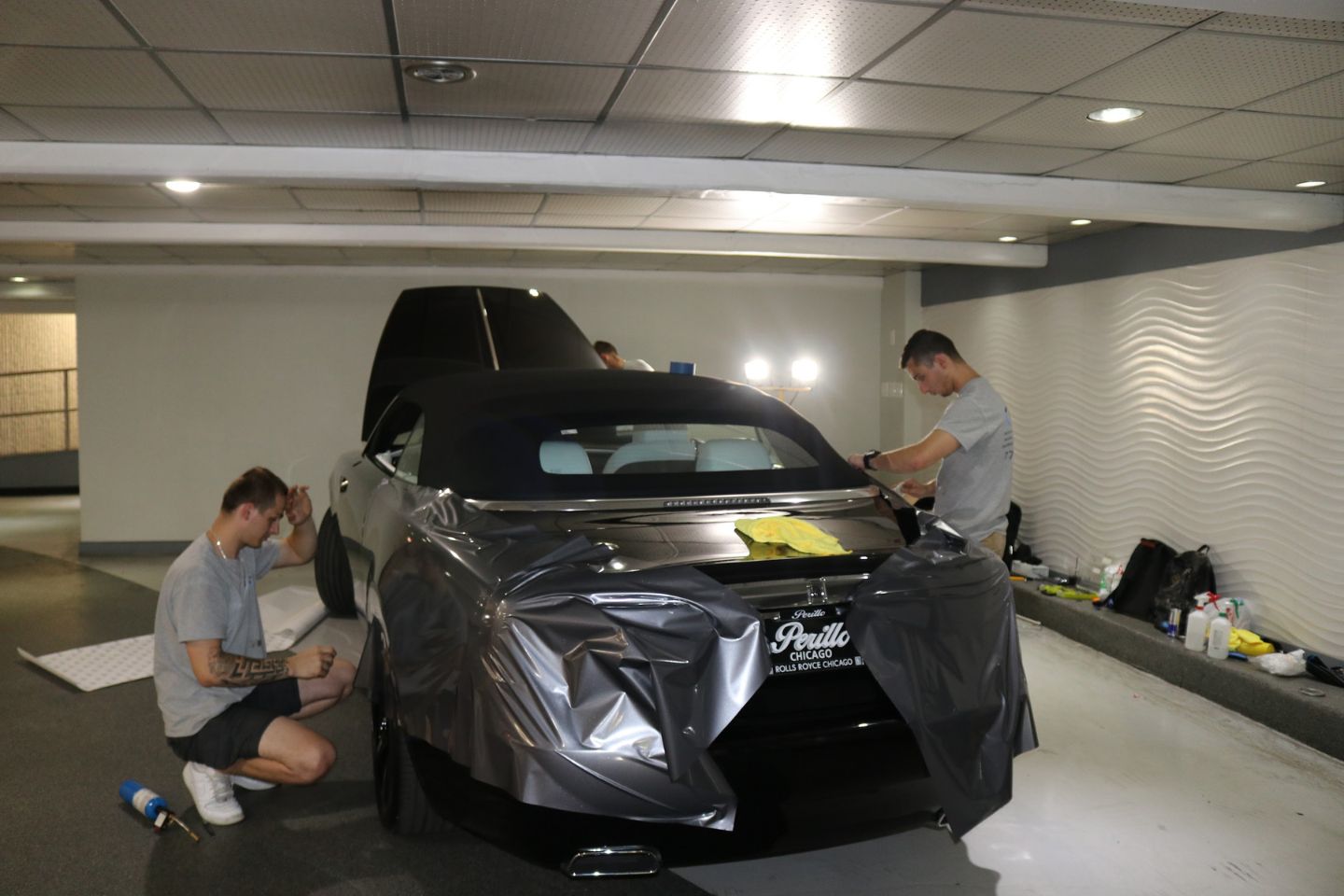
Credit: www.tintingchicago.com
Factors Affecting Vinyl Roll Requirements
Several factors affect how many rolls of vinyl you need to wrap a car. Knowing these helps plan the project better. Each factor changes the total amount of vinyl required. Understanding them prevents running out of material or wasting money.
These factors include the car’s size and model, the type of vinyl used, and the coverage areas you want to wrap. Each has a clear impact on the length and width of vinyl needed.
Car Size And Model
The size of your car greatly changes the vinyl amount needed. Small cars like sedans need less vinyl than large SUVs or trucks. Different models have unique shapes and curves. Curves and edges may require extra vinyl for a smooth finish. Bigger vehicles often need more than one roll to cover all parts.
Type Of Vinyl Wrap
Vinyl wraps come in different types and thicknesses. Some vinyl is thicker and less stretchy. Thicker vinyl may need more material for proper coverage. Thin, stretchable vinyl can cover curves with less waste. Glossy, matte, or textured finishes might also affect how much vinyl you use. Choose vinyl carefully to match your car and budget.
Wrap Coverage Areas
Decide which parts of the car you want to wrap. Full wraps cover the entire vehicle, needing the most vinyl. Partial wraps cover only certain sections like the hood or doors. Wrapping just a few panels reduces vinyl needs. Some wraps include roof, bumpers, and mirrors, which add to the total vinyl length required.
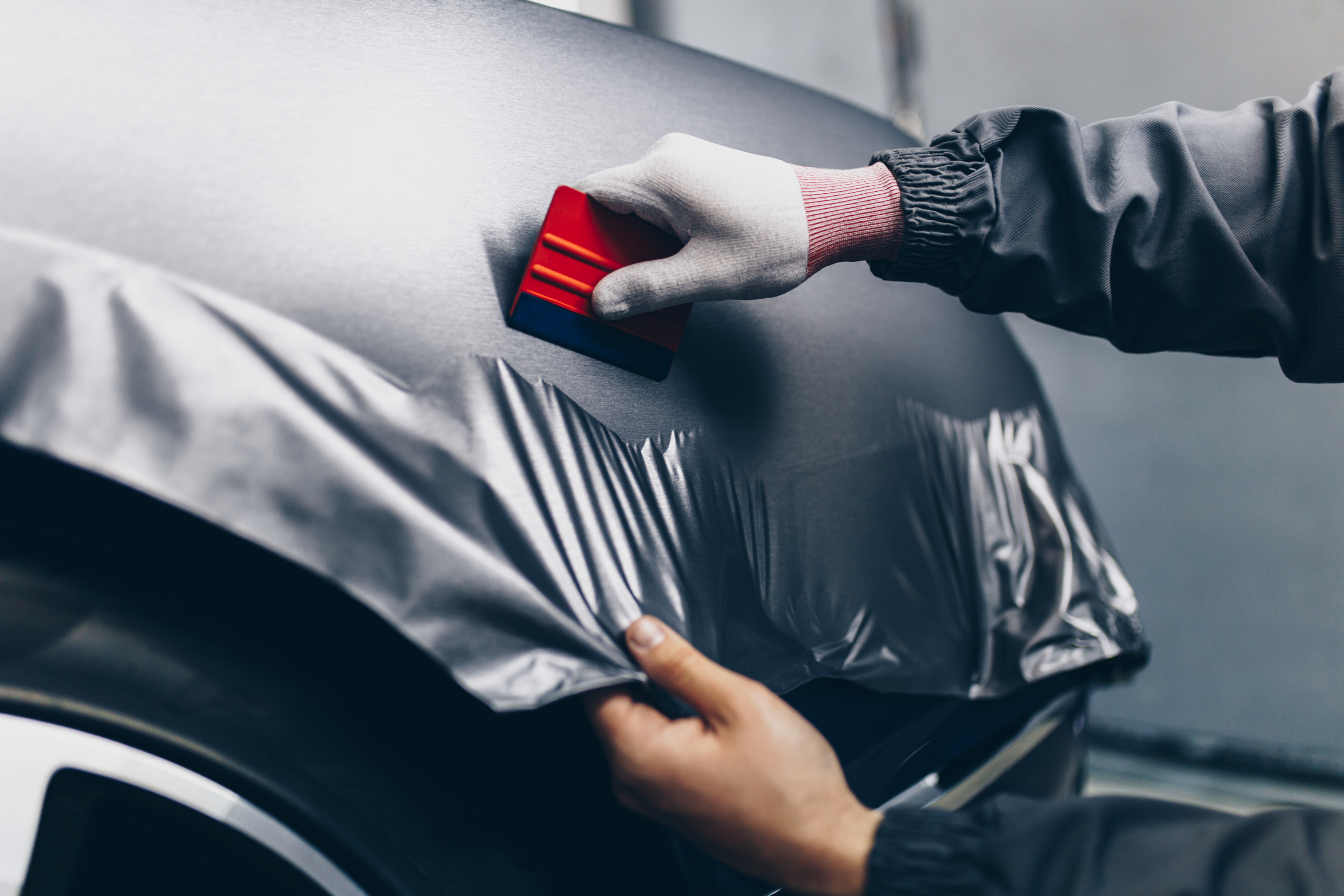
Credit: www.landroverftmyers.com
Measuring Your Vehicle
Measuring your vehicle correctly is the first step to know how many rolls of vinyl you need. It helps avoid buying too much or too little material. Take clear, precise measurements for better results. Focus on the main parts of the car that need wrapping.
Length And Width Measurements
Start by measuring the car’s length from front to back. Use a tape measure and record the number in feet or meters. Next, measure the width from one side to the other. Include mirrors if you want to wrap them. Write down each measurement carefully.
Height And Curves Consideration
Measure the car’s height from the ground to the roof. This helps cover the vertical areas properly. Curves and rounded parts need special attention. Use smaller measurements around these areas to estimate extra vinyl needed. Curved sections require more material to wrap smoothly.
Estimating Surface Area
Multiply the length by the width to find the flat surface area. Add extra for the height and curves. This gives a rough estimate of the total surface to cover. Use this number to decide how many rolls of vinyl to buy. Always add 10-15% more for mistakes and cuts.
Standard Vinyl Roll Dimensions
Understanding standard vinyl roll dimensions helps estimate how much vinyl is needed to wrap a car. Vinyl rolls come in various widths and lengths. Knowing these sizes makes planning easier and avoids waste.
Common Roll Widths
Vinyl rolls usually come in widths of 12, 24, 48, and 60 inches. The most popular width for car wraps is 60 inches. This width covers large surfaces with fewer seams. Smaller widths are better for small parts or detailed work.
Typical Roll Lengths
Roll lengths vary from 10 to 100 feet or more. Common lengths for car wraps range between 25 and 50 feet. Longer rolls reduce the number of cuts and seams. Choosing the right length depends on the car size and wrap design.
Calculating Rolls Needed
Calculating how many rolls of vinyl you need to wrap a car helps avoid extra costs and delays. This step ensures you buy enough material for the entire job. Knowing the right amount also reduces waste and frustration during installation. Below are simple methods to estimate the rolls required for your car wrap.
Basic Calculation Method
Start by measuring the total surface area of the car. Include the hood, roof, doors, and bumpers. Multiply the length and width of each section, then add all areas together. Compare the total area to the size of one roll of vinyl. Rolls usually measure 5 feet wide and 25 feet long. Divide the total area by the roll area to get the number of rolls needed.
Adjusting For Waste And Errors
Always add extra vinyl to cover mistakes and trimming. A safe rule is to increase the total by 10-15 percent. This helps if you miscut or if the car has unusual shapes. Having extra vinyl avoids stopping the project to buy more material. It ensures a smooth and continuous wrap job.
Extra Material For Complex Designs
Complex designs require more vinyl than basic wraps. Patterns, color changes, or textures need additional cuts and alignment. Add 20-30 percent more vinyl for these projects. This amount covers matching designs and fixing errors. Planning for extra material prevents interruptions and poor results.
Tips To Optimize Vinyl Usage
Using vinyl to wrap a car needs careful planning. Saving material means less waste and cost. Follow simple tips to use vinyl smartly. These tips help you get the best out of each roll.
Planning Wrap Layout
Start with a clear plan of your wrap design. Measure each car part carefully before cutting vinyl. Arrange vinyl pieces to reduce leftover scraps. Plan cuts to use full width of the roll. This saves material and time during installation.
Ordering Extra Material
Order more vinyl than the exact car size. Extra material covers mistakes and odd shapes. A good rule is to add 10-15% more vinyl. This gives space for errors or small repairs. Better to have some leftover than run short.
Working With Professionals
Consider hiring experts for vinyl wrapping. Professionals know how to minimize waste and save vinyl. They have tools to cut and apply vinyl precisely. Their experience helps avoid costly errors. This can reduce the total vinyl needed.
Cost Implications Of Vinyl Rolls
Understanding the cost implications of vinyl rolls is key to planning a car wrap project. The total price depends on the number of rolls needed and the cost per roll. This section breaks down these costs to help you budget correctly. Knowing the price differences can save you money and avoid surprises.
Price Per Roll Variations
Vinyl rolls come in different qualities and sizes. Each type affects the price per roll. Cheaper rolls cost less but might wear out faster. Premium rolls last longer and offer better colors. The size of the roll also impacts the price. Larger rolls cover more area but cost more upfront. Prices usually range from $100 to $500 per roll.
Balancing Quality And Budget
Choosing the right vinyl means balancing cost and quality. Low-cost vinyl might save money but need replacing soon. High-quality vinyl can be expensive but lasts many years. Consider how long you want the wrap to last. A good quality roll might reduce total costs over time. Think about your budget and needs before deciding.

Credit: www.amazon.com
Frequently Asked Questions
How Many Vinyl Rolls Are Needed For A Full Car Wrap?
Typically, 3 to 4 rolls of 50-inch wide vinyl are needed to wrap a standard car fully. This depends on the car’s size and the vinyl width used.
What Size Vinyl Roll Is Best For Car Wrapping?
A 50-inch wide roll is the most common and practical size for wrapping most cars. It covers large surfaces efficiently with minimal seams.
Can One Roll Cover A Small Car Fully?
One roll usually isn’t enough for a full wrap, even on small cars. Additional rolls ensure complete coverage and allow for errors or overlaps.
How To Estimate Vinyl Needed For Different Car Types?
Measure the car’s surface area and compare it with the roll’s coverage. Larger vehicles need more rolls, while compact cars require fewer.
Conclusion
Wrapping a car needs careful planning and the right amount of vinyl. Usually, one or two rolls cover most cars. Measure your vehicle first to avoid running short. Keep extra vinyl for mistakes or tricky areas. Choosing the right size saves time and money.
Take your time to get good results. This helps your car look great and last longer. Simple steps lead to a smooth wrap job. Now, you know how many rolls to buy. Ready to start your car wrap project?