

Are you struggling to put on wheel covers for your tires? You’re not alone.
It might seem tricky at first, but with the right steps, you can easily give your wheels a fresh, clean look in no time. Imagine how great your car will look with shiny, well-fitted wheel covers—and how good you’ll feel doing it yourself.
Keep reading, and you’ll discover simple tips and tricks that make the whole process smooth and hassle-free. Your wheels deserve the best, and you’re just a few easy steps away from making that happen.
Choosing The Right Wheel Covers
Choosing the right wheel covers is key for your car’s look and protection. The right fit keeps covers secure and avoids damage. Different types suit different needs and styles. Materials also affect durability and appearance. Understanding these factors helps pick the best wheel covers for your tires.
Types Of Wheel Covers
Wheel covers come in many styles. Some cover the entire wheel, hiding the metal rim. Others show parts of the wheel for a sportier look. Some designs focus on decoration, while others emphasize protection. Choose a type that matches your car’s style and your personal taste.
Measuring Your Tire Size
Knowing your tire size is important. Measure the diameter of your wheel in inches. Look at the tire’s sidewall for size details. Common sizes include 14, 15, 16, and 17 inches. Choose covers that fit these sizes exactly. A wrong size cover won’t stay on and may cause problems.
Material Options
Wheel covers come in plastic, metal, or alloy. Plastic covers are light and affordable. They resist rust but can crack easily. Metal covers are strong and last longer. They may add extra weight to your wheels. Alloy covers blend strength and style. Pick a material that fits your budget and needs.
Preparing Your Tires
Preparing your tires is a key step before putting on wheel covers. Clean and inspect the wheels carefully. This ensures the covers fit well and last longer.
Cleaning The Wheel Surface
Start by washing the wheels with soap and water. Remove dirt, grease, and brake dust thoroughly. Use a soft brush or cloth for better cleaning. Dry the wheels completely to avoid moisture under the covers.
Inspecting For Damage
Check the tires and rims for cracks or dents. Look for rust spots or loose parts on the wheel. Fix any damage before installing the covers. This prevents further problems and keeps the covers secure.
Tools You Will Need
Before you start putting on wheel covers, gather the right tools. Having them ready makes the task easier and faster.
These tools help protect your tires and keep the wheel covers in place. You do not need many items, just the basics.
Wheel Covers
Choose wheel covers that fit your tire size exactly. Covers come in different sizes, so check before buying.
Rubber Mallet
A rubber mallet helps you tap the wheel cover gently. It avoids damage to the cover or tire during installation.
Gloves
Wear gloves to protect your hands from dirt and sharp edges. They also improve your grip on the covers.
Clean Cloth
Use a clean cloth to wipe your wheels before fitting the covers. Dirt or debris can stop the cover from fitting well.
Flathead Screwdriver
A flathead screwdriver helps to remove old wheel covers or adjust clips. Use it carefully to avoid scratching.

Credit: www.wikihow.com
Step-by-step Installation Guide
Putting on wheel covers is simple with the right steps. Follow this guide to fit them correctly and safely. A proper fit protects your wheels and enhances your vehicle’s look.
Aligning The Wheel Cover
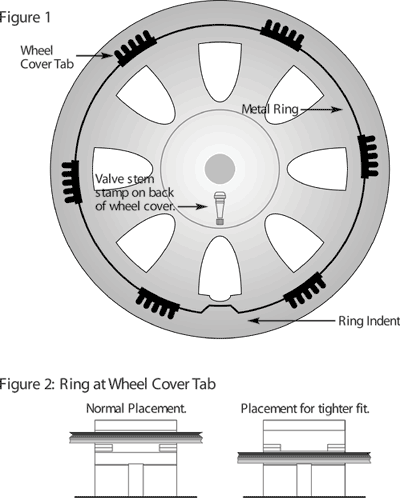
Start by holding the wheel cover close to the tire. Match the cover’s holes with the tire’s lug nuts or valve stem. This alignment helps the cover sit in the right position. Take your time to make sure everything lines up well.
Securing The Clips Or Fasteners
Press the wheel cover onto the wheel firmly. The clips or fasteners should snap into place. Use even pressure around the edges for a secure fit. Avoid forcing it too hard to prevent damage.
Checking The Fit
Once attached, check that the cover is tight and even. Spin the wheel slowly to see if the cover moves or rattles. A good fit means the cover stays steady during driving. Adjust if needed to ensure safety and style.
Common Installation Mistakes
Installing wheel covers may seem simple, but many people make common mistakes. These errors can cause the covers to fall off or damage your tires. Knowing these mistakes helps you avoid problems and keep your wheel covers secure.
Incorrect Size Selection
Choosing the wrong size is a frequent error. Wheel covers must match your tire’s diameter exactly. Too small covers won’t fit, and too large ones will fall off easily. Measure your tires carefully before buying covers.
Loose Attachment
Failing to attach wheel covers tightly causes them to wobble or detach. Press the cover firmly against the wheel rim. Check that all clips or fasteners are secure. A loose cover can be dangerous while driving.
Ignoring Safety Checks
Skipping safety checks risks accidents or damage. After fitting the covers, spin the wheel to see if the cover stays in place. Make sure nothing blocks the tire or brakes. Safety checks protect you and others on the road.

Credit: www.pirouette-editions.fr
Maintaining Your Wheel Covers
Maintaining your wheel covers keeps them looking fresh and lasting longer. Dirt and grime can damage the covers over time. Simple care routines help protect their shine. Proper handling reduces the risk of cracks and breaks.
Regular Cleaning Tips
Use a soft cloth or sponge to clean wheel covers. Avoid rough brushes that may scratch the surface. Mild soap and water work best for removing dirt. Rinse thoroughly to avoid soap residue. Clean covers regularly to prevent buildup. Dry covers completely before putting them back.
Handling Wear And Tear
Inspect wheel covers often for cracks or damage. Small chips can be fixed with touch-up paint. Replace covers that have large cracks or breaks. Avoid hitting curbs or rough surfaces to reduce damage. Remove covers carefully to prevent bending or breaking. Store extra covers in a cool, dry place.
Credit: www.tirerack.com
Frequently Asked Questions
How Do You Properly Fit Wheel Covers On Tires?
Clean the wheel surface thoroughly before fitting the cover. Align the wheel cover’s clips with the tire rim. Press firmly around the edges until it snaps into place securely. Ensure the cover fits snugly to avoid vibrations or falling off while driving.
Can I Install Wheel Covers Without Tools?
Yes, most wheel covers are designed for tool-free installation. They use spring clips or retention rings that snap onto the tire rim. Simply align and press the cover firmly. However, some covers may require a rubber mallet for a tighter fit.
Why Do Wheel Covers Sometimes Come Off While Driving?
Wheel covers may come off due to improper fitting or damaged clips. Loose clips fail to hold the cover securely. High speeds or rough roads increase the risk. Regularly check the cover’s fit and replace worn clips to avoid loss.
Are Wheel Covers Compatible With All Tire Sizes?
Wheel covers come in various sizes to match specific tire diameters. It’s essential to buy the correct size for your tires. Check your tire size before purchasing wheel covers to ensure a proper and secure fit.
Conclusion
Putting on wheel covers is simple with the right steps. Start by cleaning the tire and rim well. Align the cover carefully with the wheel. Press firmly until you hear it snap into place. Check all edges to ensure a tight fit.
Taking time helps avoid damage or loose covers. Regularly inspect covers to keep them secure and looking good. Now, you can protect your wheels and improve your car’s look easily. Practice a few times to get comfortable with the process.


