Have you ever wondered how well vinyl car wraps hold up over time? If you’re thinking about giving your vehicle a fresh new look, durability is probably one of your top concerns.
You want to know if that sleek wrap will stay vibrant and intact through rain, sun, and everyday wear. You’ll discover the real strength behind vinyl car wraps and what you can expect when you choose this popular option. Keep reading to find out if a vinyl wrap is the right investment for your ride.
Vinyl Car Wrap Basics
Vinyl car wraps are thin sheets of vinyl film. They cover a car’s paint to change its look. These wraps protect the paint underneath. They also offer a fresh style without a permanent change.
Car wraps come in many colors and finishes. Some are glossy, others matte or textured. This variety helps car owners customize their vehicles easily. The wraps are also removable, making them a flexible choice.
Types Of Vinyl Materials
There are several types of vinyl used for wraps. Cast vinyl is thin, flexible, and lasts long. It molds well to curves and shapes on cars. Calendared vinyl is thicker and less expensive. It suits flat or simple surfaces better.
Specialty vinyl types include textured and chrome finishes. These add unique looks to vehicles. Some vinyl has air-release technology. It helps avoid bubbles during installation for a smooth finish.
Common Applications
Vinyl wraps serve many purposes beyond style. Businesses use them for advertising on company cars. Personal users change colors or add designs without repainting. Some apply wraps to protect the paint from scratches.
Wraps also cover car parts like roofs, hoods, or mirrors. This lets owners create contrast or patterns easily. Seasonal or event-based designs are popular too. They allow temporary changes without damage.
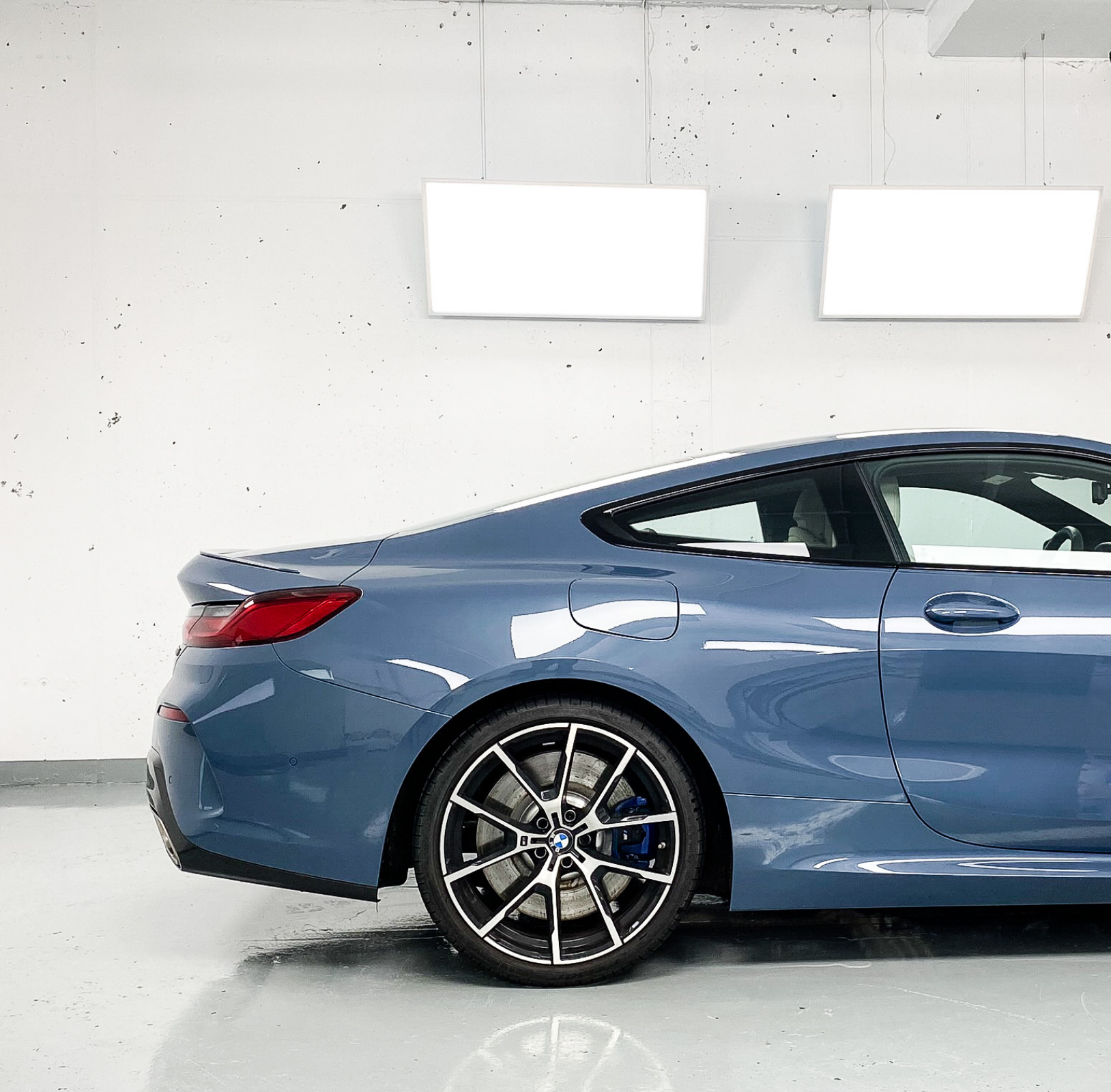
Credit: vinyllabs.co
Factors Affecting Durability
Vinyl car wraps can last for years, but their durability varies. Several key factors influence how long a wrap stays in good condition. Understanding these helps you protect your investment better.
Quality Of Vinyl
High-quality vinyl lasts longer and resists damage. It has strong adhesives that stick well to the car’s surface. Lower quality vinyl may peel or fade quickly. Choose vinyl made by trusted brands for the best results.
Installation Techniques
Proper installation affects durability greatly. Skilled installers remove dirt and smooth out air bubbles. Poor installation can cause wrinkles and lifting edges. These issues let moisture in and reduce the wrap’s lifespan.
Environmental Exposure
Sunlight, rain, and temperature changes wear down vinyl wraps. Constant sun exposure can cause fading and cracking. Harsh weather or road salt also damages the material. Parking in shade and regular cleaning help protect the wrap.
Expected Lifespan Of Vinyl Wraps
Vinyl car wraps protect your vehicle and add style. Knowing their lifespan helps plan your investment. The expected lifespan depends on factors like material quality and care. Sun exposure, weather, and cleaning methods affect how long wraps last. Proper installation also plays a key role in durability.
Typical Longevity Range
Most vinyl wraps last between 5 and 7 years. Premium wraps may last up to 10 years with good care. Matte or textured finishes might fade faster than glossy types. Keeping your car in shade extends the wrap’s life. Regular washing with gentle products prevents damage.
Warranty Periods
Manufacturers usually offer warranties from 3 to 5 years. These cover fading, peeling, and cracking under normal conditions. Some brands provide longer warranties for high-quality films. Check warranty details before buying to understand coverage. Proper installation by professionals is often required for warranty validity.
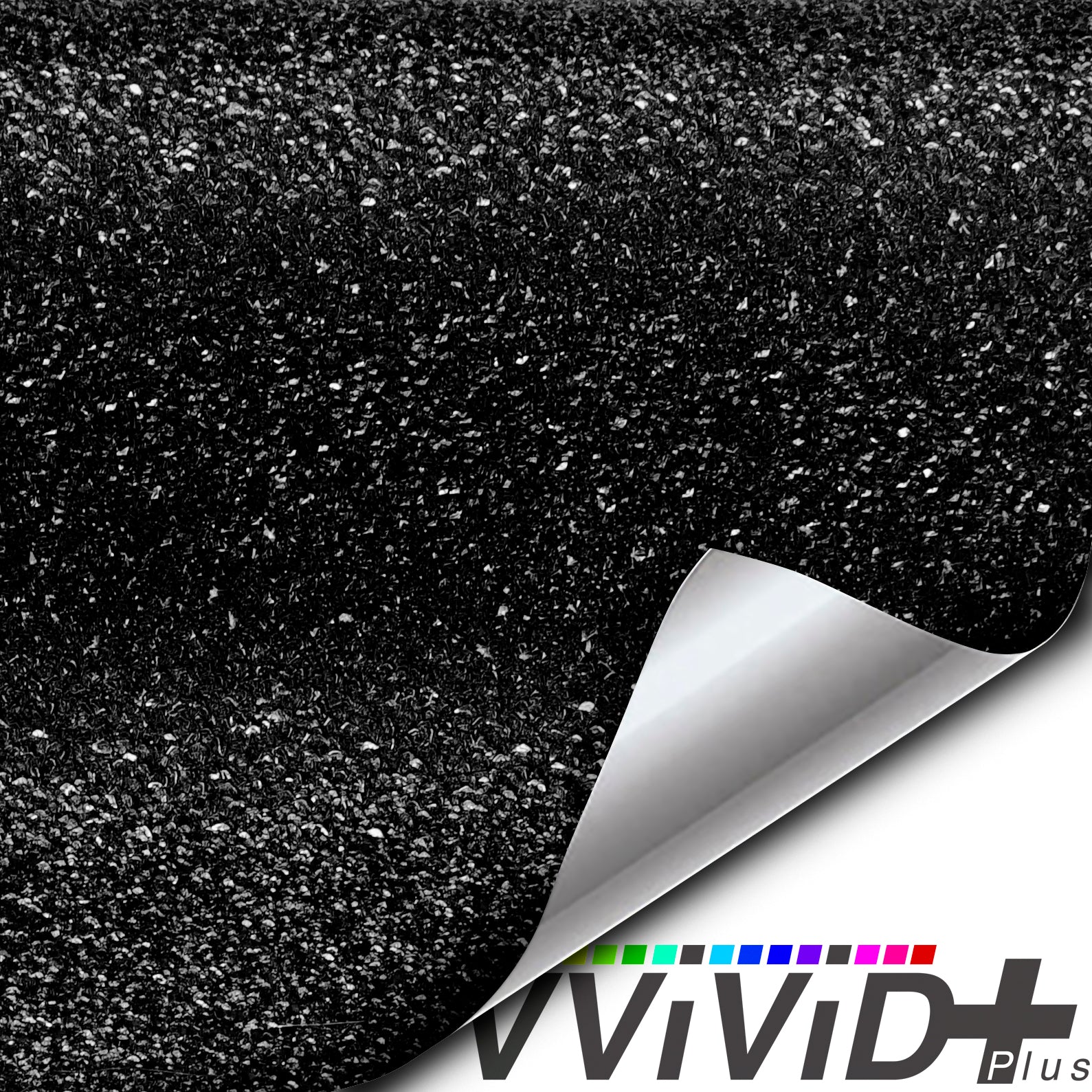
Credit: vvividshop.com
Maintenance Tips For Longevity
Maintaining a vinyl car wrap helps keep it looking fresh and new. Simple care steps extend the wrap’s life and protect its color and texture. Regular attention prevents damage and keeps the wrap strong against weather and wear.
Proper care is not hard. Small habits make a big difference in the wrap’s durability.
Cleaning Best Practices
Use soft cloths or sponges to wash the wrap gently. Avoid rough brushes or scrubbers that can scratch the surface. Use mild soap mixed with water. Harsh chemicals or strong detergents can weaken the vinyl.
Rinse the wrap well to remove all soap. Dry with a clean, soft towel to stop water spots. Wash the wrap often, especially after driving on dirty or salty roads.
Avoiding Damage
Keep the car away from sharp objects and rough surfaces. Parking too close to bushes or walls can cause scratches. Avoid pressure washers with high force, which can lift the edges of the wrap.
Do not use abrasive polishes or waxes not designed for vinyl. Protect the wrap from long exposure to strong sunlight to prevent fading. Cover the car or park in shaded areas when possible.
Signs Of Wear And Tear
Vinyl car wraps are designed to last for years, but they do show signs of wear and tear over time. These signs help car owners know when the wrap needs attention. Watching for these signs can keep your vehicle looking fresh and protected.
Common Issues To Watch For
Fading is a common problem with vinyl wraps, especially in strong sunlight. Colors can become dull and lose their brightness. Peeling is another sign of wear. Edges or corners may lift, making the wrap look old and damaged. Scratches and scuffs often appear on the surface. These marks reduce the wrap’s smooth finish. Dirt and grime can also stick to worn areas more easily. Bubbles or wrinkles may form if the wrap starts to come loose. These defects not only look bad but can let moisture underneath, causing damage.
When To Replace Or Repair
Small scratches or minor peeling can usually be fixed with repair. A professional can smooth out bubbles and reapply edges. Repairs help extend the life of your wrap without full replacement. Replace the wrap if fading is heavy and colors are dull. Large tears or deep scratches may also require a new wrap. If the vinyl no longer sticks well or shows many bubbles, replacement is best. Timely repair or replacement keeps your car looking sharp and protects its paint.
Comparing Vinyl Wraps To Paint
Vinyl wraps and traditional paint both change a car’s look. Each has strengths and weaknesses. Understanding these helps choose the best option. Durability and cost are key points to compare.
Durability Differences
Paint lasts longer in harsh weather. It resists fading and scratches better. Vinyl wraps can peel or crack over time. Still, quality vinyl can protect paint underneath. Wraps shield from small chips and dirt.
Paint can chip from rocks or accidents. Wraps absorb some damage, saving the paint. Both need care to stay fresh. Vinyl often needs replacement after 5 to 7 years. Paint can last 10 to 15 years or more.
Cost And Maintenance
Vinyl wraps cost less upfront than a full paint job. They take less time to apply. Paint jobs cost more and need more labor. Wraps also allow easy color changes without new paint.
Maintaining paint means regular washing and waxing. Vinyl needs gentle cleaning to avoid damage. Harsh chemicals can harm the wrap’s surface. Replacing wraps is cheaper than repainting. Both options need care to look their best.
Enhancing Wrap Durability
Vinyl car wraps can last several years if cared for properly. Enhancing wrap durability helps keep the colors bright and the material strong. Small steps make a big difference in how long a wrap looks good. Protecting the wrap from damage ensures your car stays unique and attractive.
Protective Coatings
Applying a protective coating adds a strong layer over the vinyl. This layer guards against scratches, dirt, and UV rays. It also helps prevent fading caused by sun exposure. Some coatings make cleaning easier by repelling water and dust. Using a high-quality coating can extend the wrap’s life by years.
Professional Care
Experts know how to handle vinyl wraps with care. They use special tools and gentle cleaning methods to avoid damage. Professionals can spot and fix small problems before they grow. Regular check-ups at a shop keep the wrap looking fresh. Trusting professionals helps protect your investment in the wrap.

Credit: www.airmark.com
Frequently Asked Questions
How Long Do Vinyl Car Wraps Typically Last?
Vinyl car wraps usually last between 5 to 7 years. Quality materials and proper installation extend their lifespan. Regular maintenance like cleaning and avoiding harsh chemicals also preserves the wrap’s durability and appearance over time.
Are Vinyl Car Wraps Resistant To Weather Damage?
Yes, vinyl wraps are designed to withstand various weather conditions. They resist UV rays, rain, and minor abrasions. However, extreme conditions or poor installation can reduce their effectiveness and longevity.
Can Vinyl Wraps Protect The Car’s Original Paint?
Vinyl wraps act as a protective layer over the paint. They shield against scratches, dirt, and UV damage. When removed properly, they usually leave the original paint intact and undamaged.
How Does Maintenance Affect Vinyl Wrap Durability?
Proper maintenance greatly increases vinyl wrap durability. Regular washing with mild soap and water keeps the wrap clean. Avoiding abrasive tools and harsh chemicals prevents damage and fading, maintaining the wrap’s vibrant look longer.
Conclusion
Vinyl car wraps last a long time with proper care. They protect your vehicle’s paint and add style. Sunlight and weather can wear them down slowly. Regular cleaning and avoiding harsh chemicals help a lot. Small scratches may appear but do not ruin the wrap.
Many people enjoy vinyl wraps for years without issues. Choosing quality vinyl and professional installation also matters. Overall, vinyl wraps offer good durability for your car’s look. They are a smart choice for many drivers.