You’ve loved the look of your car’s vinyl wrap, but now it’s time for a change. Removing a vinyl wrap might seem tricky, but it doesn’t have to be.
If you try to peel it off without the right steps, you risk damaging your paint or leaving sticky residue behind. In this guide, you’ll discover simple, effective methods to safely remove your vinyl wrap and restore your car’s original shine.
Keep reading—you’ll learn how to save time, avoid costly mistakes, and get your car looking great again.
Preparing For Removal
Removing a vinyl wrap from a car needs good preparation. This helps avoid damage to the paint and makes removal easier. Before starting, gather all the right tools and pick a good place for the work.
Gathering Tools And Materials
Have the right tools ready. You will need a heat gun or hair dryer to soften the vinyl. A plastic scraper helps lift the edges without scratching the car. Use gloves to protect your hands from heat and sticky residue. Also, get adhesive remover or rubbing alcohol to clean leftover glue. A soft cloth or microfiber towel will help wipe the surface clean. Having these items ready saves time and keeps the process smooth.
Choosing The Right Environment
Pick a shaded, well-ventilated place for removal. Avoid direct sunlight to prevent the vinyl from getting too hot. Do the work in moderate temperatures, around 60 to 80 degrees Fahrenheit. If it is too cold, the vinyl becomes hard and brittle. Too hot can make it stretch or tear easily. A clean, dust-free area helps keep the car surface safe during removal. Good lighting is also important to see the edges clearly.
Initial Inspection
Before removing a vinyl wrap from a car, start with a careful inspection. This step helps avoid damage and saves time. It gives a clear idea of the wrap’s condition and any tricky spots. A thorough check makes the removal process easier and safer.
Checking Wrap Condition
Look closely at the vinyl wrap’s surface. Notice any tears, cracks, or bubbles. These signs show how strong the wrap still is. Old or damaged vinyl can break easily during removal. Understanding the wrap’s state helps decide the best removal method. Clean wraps peel off smoothly. Dirty or worn wraps need extra care.
Identifying Problem Areas
Find spots where the wrap sticks tightly or peels off already. Edges and corners often lift first. Check around door handles, mirrors, and seams. These areas can be stubborn during removal. Mark rough patches to focus on them later. Spotting problem areas early helps plan the removal step by step. Avoids surprises and damage to the car paint.
Heating The Vinyl Wrap
Heating the vinyl wrap is a key step in the removal process. Heat softens the adhesive, making the vinyl easier to peel off. It also prevents the wrap from tearing or leaving sticky residue on the car’s surface. Use gentle, even heat for best results.
Using A Heat Gun Safely
A heat gun is the most common tool for heating vinyl wrap. Hold the gun about 6 to 8 inches away from the surface. Move it back and forth to avoid overheating one spot.
Wear heat-resistant gloves to protect your hands. Never keep the heat gun still on one area. Too much heat can damage the paint underneath. Turn off the gun when not in use to avoid accidents.
Alternative Heating Methods
Not everyone owns a heat gun. A hairdryer can work as a safer, low-heat option. Use the highest heat setting and hold it close to the vinyl.
Sunlight can also warm the wrap on a hot day. Park the car in direct sun for some time before peeling. Avoid using open flames or anything that can burn the vinyl or car paint.
Credit: vvividshop.com
Peeling Off The Wrap
Peeling off a vinyl wrap from a car requires care and patience. The process involves lifting the wrap gently to avoid damage to the paint underneath. Taking your time helps ensure a smooth removal without leaving sticky residue or tearing the wrap. Follow simple steps to make the job easier and protect your car’s surface.
Starting At The Edges
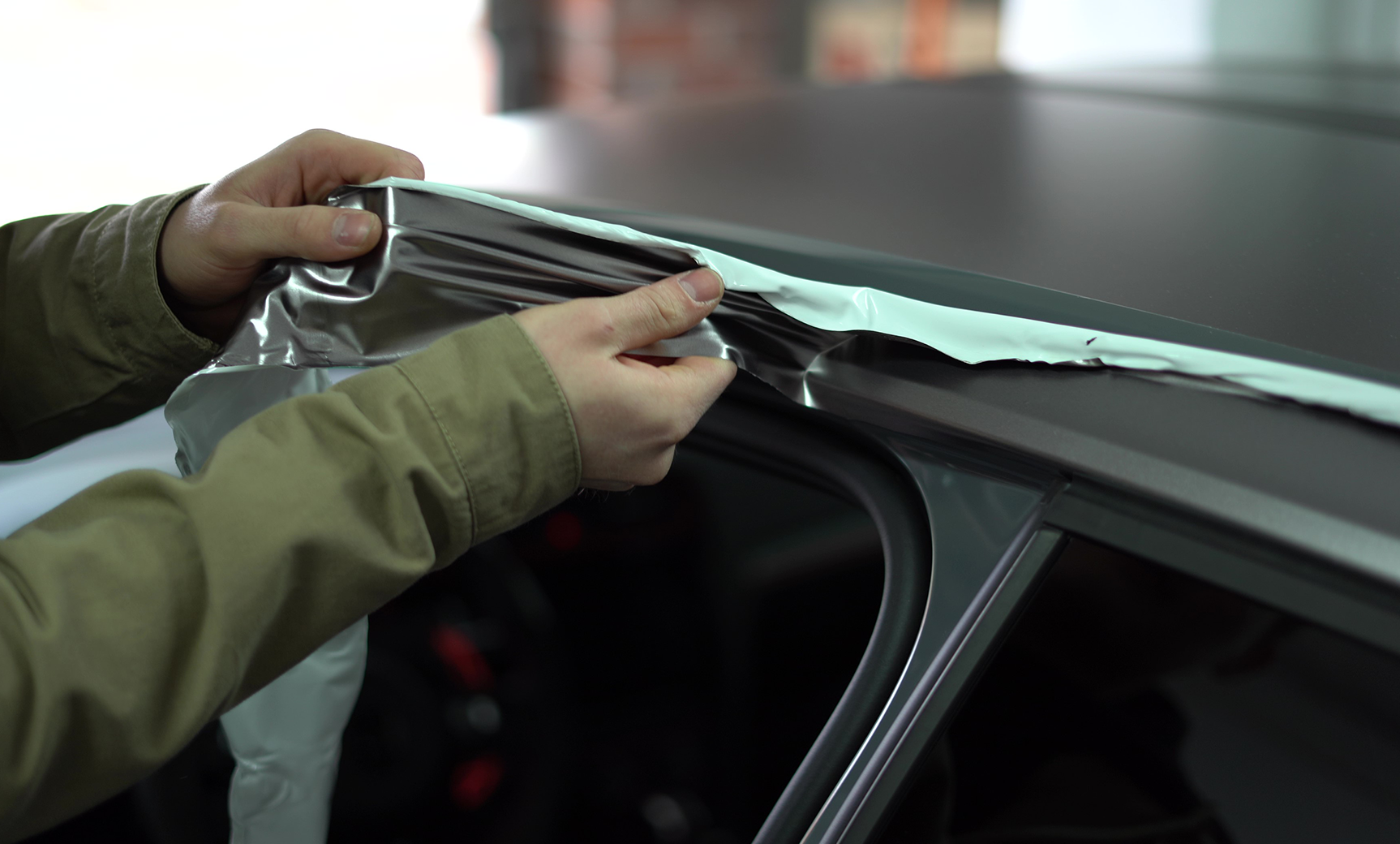
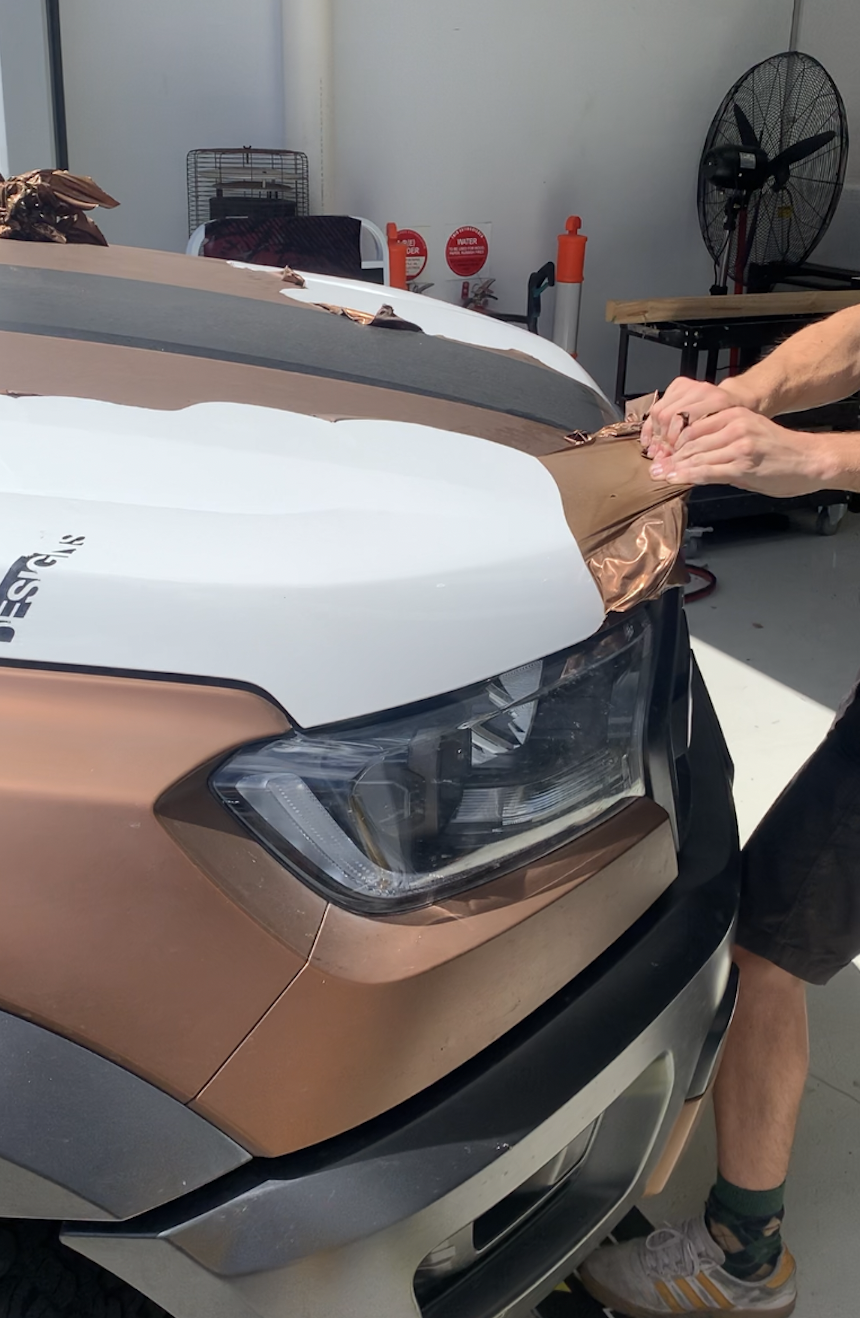
Begin peeling the wrap at one corner or edge. Use your fingernail or a plastic tool to lift the wrap slightly. Avoid metal tools as they may scratch the paint. Once the edge is lifted, pull the wrap slowly. Keep the angle low, close to the surface, to reduce stress on the vinyl.
Slow And Steady Removal
Pull the wrap slowly and steadily across the surface. Quick or harsh pulls can tear the vinyl or damage the paint. If the wrap resists, warm it gently with a heat gun or hairdryer. Heat softens the adhesive, making removal easier. Take breaks if needed to keep control and avoid mistakes.
Removing Residue
After peeling off a vinyl wrap, sticky residue often remains on the car’s surface. Removing this residue is important to restore the car’s clean look. Sticky glue can attract dirt and dust, making the surface appear dull. Using the right cleaning method helps avoid damage to the paint. The process can be quick and simple with proper tools and materials.
Adhesive Cleaner Options
Several products work well to remove adhesive residue. Commercial adhesive removers are designed to dissolve sticky glue safely. These cleaners are available in spray or liquid form. Apply the product to the residue and let it sit for a few minutes. Then, wipe it away with a soft cloth. Test the cleaner on a small area first to ensure it does not harm the paint.
Using Rubbing Alcohol
Rubbing alcohol is a common household item that removes adhesive residue effectively. Dampen a cloth with rubbing alcohol and gently rub the sticky area. The alcohol breaks down the glue without damaging the paint. Work in small sections for best results. Avoid using too much force to prevent scratches. Afterward, wash the car surface with soap and water to remove any leftover alcohol.

Credit: www.youtube.com
Cleaning And Polishing
After removing a vinyl wrap from your car, cleaning and polishing the surface is very important. This step helps restore the original look of your car’s paint. It also protects the paint from damage and keeps the car shiny. Proper cleaning removes leftover adhesive and dirt. Polishing adds a smooth shine and fixes small scratches.
Washing The Surface
Start by washing the car with water and car soap. Use a soft cloth or sponge to avoid scratching the paint. Focus on areas where the vinyl wrap was applied. Rinse the car well to remove all soap. Dry the surface completely with a clean towel. This prevents water spots and helps polish stick better.
Applying Polish For Shine
Choose a polish suitable for your car’s paint type. Apply a small amount of polish to a soft cloth. Rub the polish gently on the car’s surface in circular motions. Work on small sections one at a time. Let the polish dry to a haze, then buff it off with a clean cloth. Polishing brings out a bright shine and smooth texture. It also helps protect the paint from future damage.
Troubleshooting Common Issues
Removing a vinyl wrap from a car can be tricky. Some problems may arise during the process. Knowing how to handle these issues saves time and protects your car’s surface. This section covers common problems and easy fixes for them.
Dealing With Stubborn Adhesive
Sticky glue can stay on your car after peeling the wrap. Use a heat gun or hairdryer to warm the adhesive. Warmth softens the glue and makes it easier to remove. Gently rub the area with a microfiber cloth and adhesive remover. Avoid harsh scrubbing to protect the paint underneath. Repeat the process until the surface is clean.
Fixing Paint Damage
Sometimes, paint may peel or scratch during wrap removal. Check the damaged area carefully. Use touch-up paint to cover small scratches and chips. For larger damage, consider professional help. Always clean the area before applying any paint. Let the paint dry completely to prevent further damage.
Credit: crgdesigns.com.au
Frequently Asked Questions
How Long Does It Take To Remove A Vinyl Wrap?
Removing a vinyl wrap usually takes 1 to 3 hours. The duration depends on the car’s size and wrap quality. Proper heat application speeds up the process. Rushing can damage the paint underneath. Patience ensures a clean, safe removal.
Can I Remove A Vinyl Wrap Without Damaging Paint?
Yes, you can remove a vinyl wrap without damaging paint. Use heat to soften adhesive and peel carefully. Avoid sharp tools that scratch surfaces. If unsure, seek professional help to protect your car’s finish.
What Tools Do I Need To Remove Vinyl Wrap?
You need a heat gun, plastic scraper, microfiber cloth, and adhesive remover. Heat softens the wrap adhesive. Scrapers help lift edges gently. Adhesive remover cleans leftover residue. These tools ensure effective, safe removal without paint damage.
Is It Safe To Remove Vinyl Wrap At Home?
Yes, removing vinyl wrap at home is safe with proper care. Use heat and gentle peeling techniques. Avoid excessive force and sharp tools. Watch tutorials and follow safety guidelines to prevent damage and injury.
Conclusion
Removing a vinyl wrap from a car takes patience and care. Heat the wrap gently and peel it slowly. Avoid rushing to protect your car’s paint. Clean any leftover glue with a safe cleaner. Taking your time helps prevent damage.
You can restore your car’s original look easily. This simple process saves money on professional removal. Try these steps for a smooth, safe vinyl wrap removal.