

If your diesel engine isn’t running smoothly, the fuel filter might be the culprit. Replacing a diesel fuel filter is easier than you think, and doing it yourself can save you time and money.
In this guide, you’ll learn simple, step-by-step instructions to get the job done right. By the end, you’ll feel confident maintaining your vehicle and keeping it in top shape. Ready to take control of your diesel engine’s health? Let’s dive in.
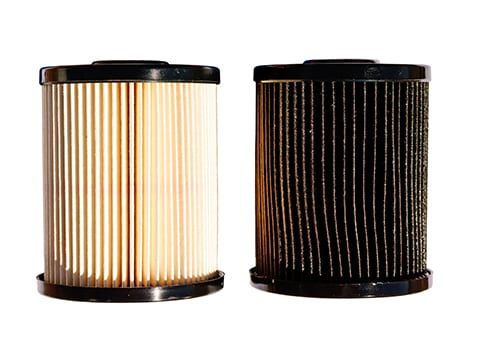
Signs Of A Clogged Diesel Fuel Filter
A clogged diesel fuel filter can cause several problems in your vehicle. It stops fuel from flowing properly. This leads to poor engine performance and other issues. Recognizing the signs early can save your engine from damage. Watch for these common symptoms to know when to replace the filter.
Reduced Engine Power
A dirty fuel filter limits fuel flow to the engine. This causes the engine to lose power. You might notice your vehicle struggles to accelerate. Uphill driving becomes harder than usual. The engine may feel weak or sluggish during normal use.
Hard Starting Issues
A clogged filter makes it tough for fuel to reach the engine. Your vehicle may take longer to start. Sometimes, it won’t start at all on the first try. You might hear the engine cranking more than usual. This signals fuel delivery problems caused by the filter.
Increased Fuel Consumption
When the engine doesn’t get enough fuel, it works harder. This causes it to burn more fuel than normal. You may notice your fuel tank empties faster. Poor fuel efficiency often points to a clogged fuel filter. Checking the filter can help restore normal fuel use.
Credit: branchautomotive.com
Tools And Materials Needed
Replacing a diesel fuel filter needs the right tools and materials. Using proper items makes the job safe and smooth. Prepare these before starting to avoid delays or mistakes.
Replacement Fuel Filter
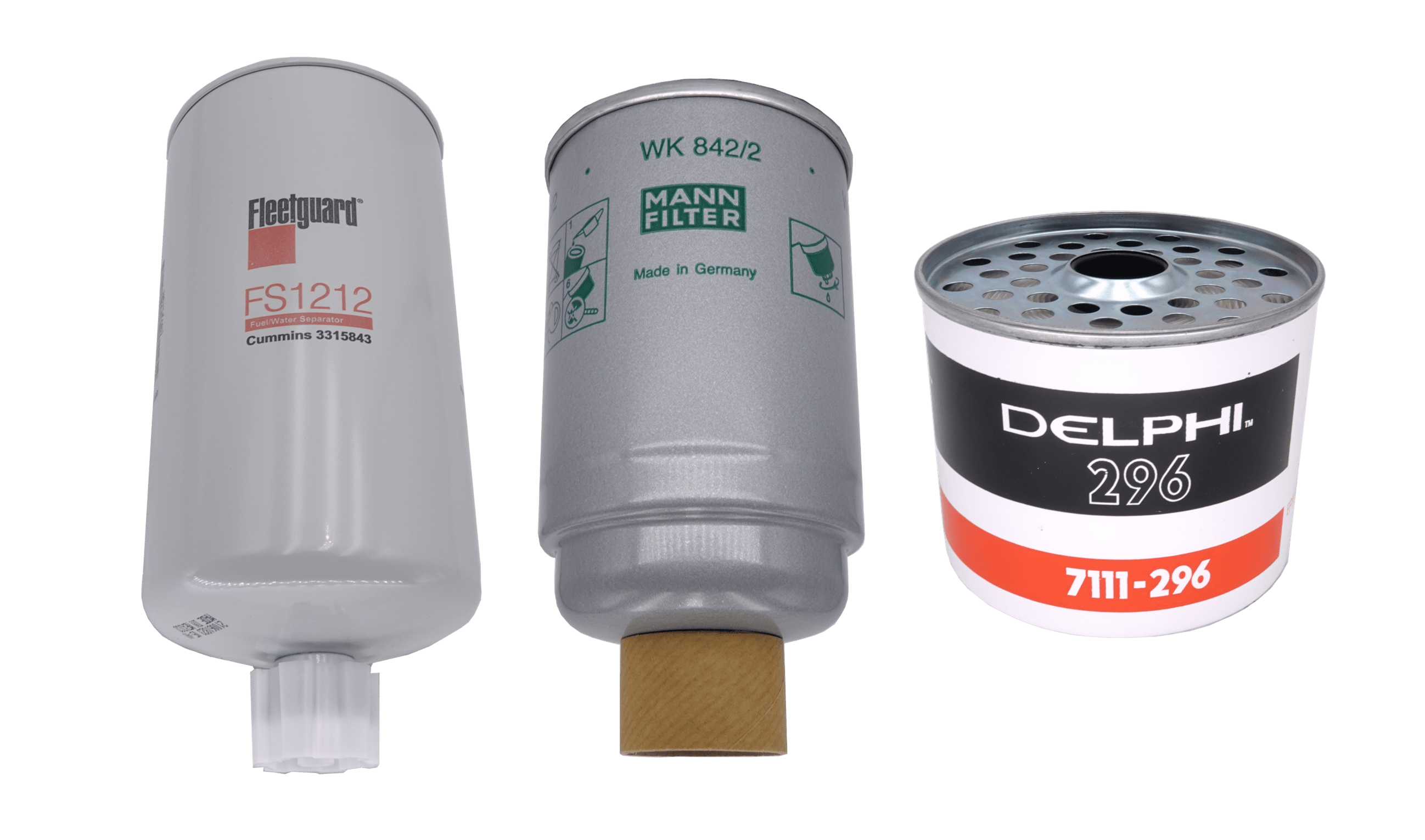
Choose the correct fuel filter for your diesel engine. Check the model number to match your vehicle. A wrong filter may cause engine problems or leaks. Keep the new filter handy for quick replacement.
Wrenches And Screwdrivers
Wrenches help loosen and tighten bolts around the fuel filter. A set of different sizes works best. Screwdrivers remove clamps or covers. Use the right tool to avoid damage and ensure a tight fit.
Clean Rags And Container
Keep clean rags nearby to wipe spills and dirt. Diesel fuel can be messy and harmful to skin. Use a container to catch fuel draining from the old filter. This keeps your work area clean and safe.
Preparing Your Vehicle
Preparing your vehicle before replacing a diesel fuel filter is important. Proper preparation makes the task safer and easier. Take time to gather tools and follow safety steps. Understanding your vehicle’s layout helps avoid mistakes.
Safety Precautions
Wear gloves and safety glasses to protect yourself. Work in a well-ventilated area to avoid inhaling fumes. Keep a fire extinguisher nearby. Avoid open flames or sparks near the fuel system. Disconnect the vehicle’s battery to prevent electrical hazards. Use rags to catch any spilled fuel.
Locating The Fuel Filter
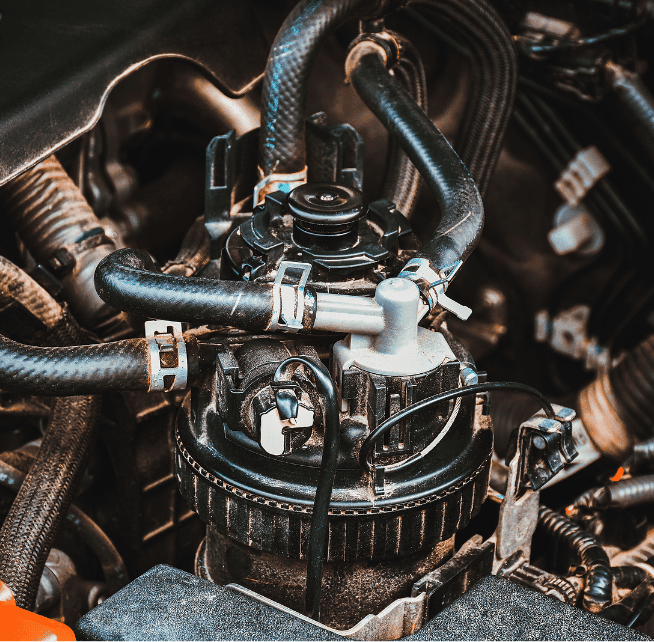
Check your vehicle’s manual for the exact location. Most diesel filters sit near the engine or under the vehicle. Look for a cylindrical or bowl-shaped part connected to fuel lines. Clean the area around the filter to avoid dirt entering the system. Mark the filter’s position for easy reinstallation.
Relieving Fuel System Pressure
Turn off the engine and let it cool. Find the fuel pump fuse or relay in the fuse box. Remove the fuse or relay to stop fuel flow. Start the engine and let it run until it stops. This step releases pressure in fuel lines. Press the fuel line’s quick-connect fittings carefully to release leftover fuel.
Credit: www.waynesautocenter.com
Removing The Old Fuel Filter
Removing the old fuel filter is an important step in replacing it. This step ensures your diesel engine runs smoothly and stays clean. Take your time and follow each step carefully. Safety matters during this process.
Disconnecting Fuel Lines
Start by turning off the engine and letting it cool. Locate the fuel lines connected to the filter. Use a wrench or pliers to loosen the fittings. Gently pull the lines away from the filter. Be careful not to damage the lines or connectors.
Removing Filter Mounting
Next, find how the filter is mounted. It might be held by a bracket or screws. Use the right tool to remove these parts. Keep the mounting parts safe for reuse. Remove the filter from its place carefully.
Handling Spilled Fuel
Expect some fuel to spill during removal. Use a cloth or small container to catch the fuel. Clean any spilled fuel immediately to avoid hazards. Work in a well-ventilated area to reduce fumes. Dispose of fuel-soaked materials safely.
Installing The New Fuel Filter
Installing the new diesel fuel filter is a crucial step. It ensures your engine runs smoothly and avoids damage. This process requires care and attention to detail. Follow each step carefully to install the filter correctly.
Checking The New Filter Orientation
Look at the new fuel filter closely. Find the arrow on the filter body. This arrow shows the fuel flow direction. The arrow must point the same way as the old filter. Incorrect orientation can block fuel flow and cause engine problems.
Connecting Fuel Lines Securely
Attach the fuel lines to the filter fittings. Push the hoses firmly to avoid leaks. Check for clips or clamps and tighten them well. Loose connections can cause fuel leaks and reduce engine power. Double-check each line after connecting.
Tightening Mountings
Secure the filter bracket to the vehicle. Use a wrench to tighten the mounting bolts. Do not overtighten to avoid damage to the filter or bracket. The filter should be stable and not move. A firm mounting prevents vibrations and fuel leaks.
Priming The Fuel System
Priming the fuel system is a key step after replacing a diesel fuel filter. It fills the system with fuel to avoid air pockets. Air in the fuel lines can cause the engine to run poorly or not start. Proper priming ensures smooth fuel flow and engine performance.
Manual Priming Methods
Manual priming uses a hand pump or lever. This pump draws fuel from the tank into the filter and lines. Pump it slowly until you see fuel in the clear housing or a steady flow. Take care not to over-pump. This prevents damage to the pump or filter system.
Using The Vehicle’s Priming Pump
Many diesel vehicles have a built-in priming pump. It is often near the fuel filter or in the engine bay. Press or pump it repeatedly to move fuel through the system. Watch for fuel flow or changes in engine sound. Stop once the system feels firm and free of air.
Bleeding Air From The System
Air trapped in fuel lines causes engine sputtering or no start. To bleed air, loosen the bleed screw on the filter. Pump the priming pump until fuel flows without bubbles. Tighten the screw before starting the engine. Repeat if the engine runs rough or stalls.
Testing And Final Checks
After replacing the diesel fuel filter, testing and final checks are crucial. These steps ensure the fuel system works properly. They help catch any problems early. This section guides you through starting the engine, checking for leaks, and monitoring engine performance.
Starting The Engine
Turn the key to start the engine. It may take a few tries for the engine to run smoothly. This helps remove air from the fuel lines. Listen for any unusual sounds. If the engine struggles, try starting again. Keep the engine running for a few minutes to stabilize.
Checking For Leaks
Look closely around the fuel filter and connections. Check for any signs of fuel dripping or wet spots. Tighten any loose fittings carefully. Use a cloth to wipe away fuel spills. Leaks can cause engine problems and are unsafe. Fix leaks immediately before driving the vehicle.
Monitoring Engine Performance
Pay attention to how the engine runs. It should feel smooth and steady. Notice any rough idling or hesitation when accelerating. These signs may indicate air in the system or a poor filter fit. Test drive the vehicle slowly. Watch for any warning lights on the dashboard.
Maintenance Tips For Diesel Fuel Filters
Proper maintenance of diesel fuel filters is essential for engine health. Clean filters keep dirt and water out of the fuel system. This helps the engine run smoothly and saves costly repairs. Follow simple steps to extend the filter’s life and protect your diesel engine.
Recommended Replacement Intervals
Change the diesel fuel filter based on the vehicle’s manual. Most diesel engines need a new filter every 10,000 to 15,000 miles. Check the manual for exact mileage and time limits. Replacing the filter on time prevents clogs and fuel flow issues.
Using Quality Fuel
Use clean, high-quality diesel fuel to protect the filter. Poor quality fuel contains dirt and water that damage the filter faster. Always buy fuel from trusted stations. This reduces the chance of contamination and keeps the filter working well longer.
Regular Inspections
Inspect the fuel filter regularly for signs of dirt or water. Look for leaks or damage around the filter housing. Check the fuel lines for cracks and wear. Early detection helps prevent bigger engine problems and keeps the fuel system clean.
Credit: www.merlindiesel.com
Frequently Asked Questions
How Often Should I Replace A Diesel Fuel Filter?
Replace your diesel fuel filter every 15,000 to 25,000 miles. This interval varies by vehicle and driving conditions. Regular replacement prevents contaminants from damaging the engine and ensures optimal fuel flow. Always check your owner’s manual for specific recommendations.
What Tools Are Needed To Replace A Diesel Fuel Filter?
You typically need a wrench, a new fuel filter, a container for draining fuel, and gloves. Some vehicles may require special tools like a fuel line disconnect tool. Always work in a well-ventilated area and follow safety precautions.
Can I Replace A Diesel Fuel Filter Myself?
Yes, with basic mechanical skills and the right tools, you can replace it. Follow your vehicle’s manual and take safety precautions to avoid fuel spills and injuries. If unsure, consult a professional mechanic for assistance.
What Are Signs Of A Clogged Diesel Fuel Filter?
Common signs include engine misfires, reduced power, difficulty starting, and increased fuel consumption. A clogged filter restricts fuel flow, causing poor engine performance. Address these symptoms promptly to avoid engine damage.
Conclusion
Replacing a diesel fuel filter keeps your engine running well. Clean filters stop dirt from harming the system. Follow each step carefully for safe, easy work. Regular changes save money and avoid breakdowns. A small task that protects your vehicle’s health.
Now you can do it yourself with confidence. Simple tools and patience make it possible. Stay attentive to signs of a dirty filter. Your diesel engine will thank you with better performance.


