
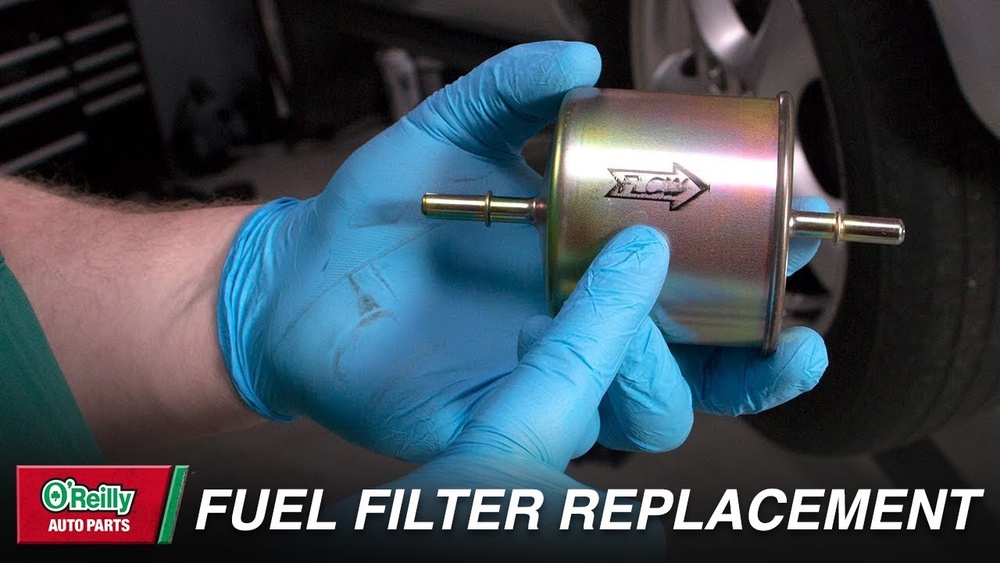
Is your vehicle struggling to run smoothly? A clogged fuel filter might be the culprit.
Knowing how to remove your fuel filter can save you time, money, and frustration. In this guide, you’ll learn simple, step-by-step instructions that anyone can follow. By the end, you’ll feel confident handling this important task yourself—no mechanic needed. Ready to improve your car’s performance and keep it running like new?
Let’s dive in.
Credit: www.reddit.com
Signs Of A Clogged Fuel Filter
A clogged fuel filter can cause many car problems. It blocks fuel flow to the engine. This affects how your car runs every day. Knowing the signs helps you fix the filter early. This keeps your car safe and smooth. Watch for these common signs below.
Engine Performance Issues
The engine may run rough or stall suddenly. You might hear strange noises from the engine. Power loss can happen during acceleration or climbing hills. The engine may hesitate or misfire often. These are clear signs the fuel filter is clogged.
Fuel Efficiency Drop
Your car may use more fuel than usual. You notice fuel costs rise without extra driving. A clogged fuel filter makes the engine work harder. This lowers fuel efficiency quickly. Keep an eye on your miles per gallon rate.
Starting Problems
The car can take longer to start than normal. Sometimes the engine won’t start at all. This happens because fuel cannot reach the engine easily. A clogged filter stops smooth fuel flow. It causes starting delays or failure.
Tools And Materials Needed
Removing a fuel filter requires the right tools and materials. Having everything prepared helps the job go smoothly. It also keeps you safe and saves time.
Basic Hand Tools
You will need simple hand tools for most fuel filter jobs. A wrench set helps loosen bolts and screws. Pliers are useful for removing clamps on fuel lines. A flat-head screwdriver can pry off stubborn clips. Keep a container ready to catch any fuel spills.
Replacement Fuel Filter
Choose the correct fuel filter for your vehicle model. Check the owner’s manual or ask at an auto parts store. Using the right filter ensures proper fuel flow and engine performance. Do not reuse the old filter once removed.
Safety Equipment
Safety is important when working with fuel. Wear safety gloves to protect your hands from fuel and sharp parts. Use safety glasses to guard your eyes from splashes. Work in a well-ventilated area to avoid inhaling fumes. Keep a fire extinguisher nearby for emergencies.
Preparing Your Vehicle
Preparing your vehicle is the first step before removing the fuel filter. Taking safety measures prevents accidents and damage. Follow these steps carefully to get your car ready.
Park On A Flat Surface
Choose a flat and stable area to park your vehicle. This prevents the car from rolling while you work. Set the parking brake firmly to keep the vehicle still. Avoid soft or uneven ground that may cause instability.
Relieve Fuel System Pressure
Fuel systems hold high pressure that can cause leaks or spray fuel. To avoid this, release the pressure before starting. Locate the fuel pump fuse and remove it from the fuse box. Start the engine and let it run until it stops. This empties the fuel lines safely.
Disconnect The Battery
Disconnect the negative terminal of the battery to stop electrical flow. This reduces the risk of sparks or shorts during work. Use a wrench to loosen the terminal clamp carefully. Keep the cable away from the battery to avoid accidental contact.
Locating The Fuel Filter
Finding the fuel filter is the first step in removing it safely. The location varies depending on the car model and type. Knowing where to look saves time and effort during the process.
Most fuel filters are easy to reach with basic tools. Some might be hidden under the hood or beneath the vehicle. Understanding common locations helps you prepare for removal.
Common Fuel Filter Locations
Fuel filters often sit along the fuel line. Many cars have them near the engine compartment. Some are placed close to the fuel tank under the car. Older models may have filters inside the fuel tank. Check along the frame rail or under the vehicle floor. Look for a small cylindrical part connected to fuel lines.
Using The Vehicle Manual
Your vehicle manual is the best guide for finding the fuel filter. It shows exact location and type for your car model. Manuals provide safety tips and special instructions. Follow the steps carefully to avoid damage or injury. Keep the manual nearby during the process for quick reference.
Removing The Old Fuel Filter
Removing the old fuel filter is an important step in vehicle maintenance. It helps keep the fuel system clean and the engine running smoothly. The process requires care to avoid fuel leaks and damage to parts. Follow these steps to remove the old fuel filter safely and easily.
Loosening Fuel Lines
Start by loosening the fuel lines connected to the filter. Use a wrench that fits the fuel line fittings. Turn the wrench slowly to avoid breaking the lines. Be careful, as fuel may still be inside the lines. Loosen both sides to free the filter completely.
Handling Fuel Spills
Fuel spills can happen when removing the filter. Keep a container or rag nearby to catch any leaking fuel. Work in a well-ventilated area to avoid harmful fumes. Clean any spills immediately to prevent slipping or fire hazards. Wear gloves to protect your skin from fuel contact.
Removing Mounting Brackets
The fuel filter is held in place by mounting brackets. Use a screwdriver or socket wrench to remove the screws or bolts. Keep the fasteners safe for reinstallation. Once the brackets are off, carefully pull the filter free. Avoid bending or damaging nearby hoses or wires.
Installing The New Fuel Filter
Installing the new fuel filter is a key step to keep your vehicle running smoothly. This process requires care to avoid fuel leaks and ensure proper fuel flow. Follow the steps carefully to fit the filter right and secure all connections. A correctly installed filter helps protect your engine and improves performance.
Aligning The Filter Correctly
Start by checking the filter’s flow direction. Look for an arrow on the filter body. This arrow shows the fuel flow direction. Align the filter so the arrow points toward the engine. Incorrect alignment can block fuel flow and cause engine problems. Place the filter in its holder firmly but gently.
Securing Fuel Lines
Attach the fuel lines to both ends of the filter. Push the lines firmly to avoid gaps. Use new clamps if available. Tighten the clamps securely but avoid over-tightening. Loose clamps can cause leaks. Make sure the lines are not twisted or pinched. Proper connection ensures steady fuel delivery.
Checking For Leaks
After installation, turn on the vehicle’s ignition without starting the engine. This action pressurizes the fuel system. Look closely around the filter and fuel lines. Watch for any signs of fuel leaks like wet spots or fuel smell. If you see leaks, tighten connections immediately. No leaks mean the filter is installed correctly.
Post-replacement Checks
After replacing the fuel filter, some checks are essential. These steps confirm the job is done right. They help avoid engine problems and keep your vehicle running smoothly.
Starting The Engine
Turn the ignition key slowly to start the engine. Listen for any unusual sounds. The engine should start easily without hesitation or sputtering. If it struggles, check the fuel connections again.
Monitoring Performance
Drive the vehicle for a short distance. Notice any changes in acceleration or power. The engine should run smoothly without stalling. Watch for warning lights on the dashboard. These signs show if the fuel filter works well.
Disposing Of Old Filter Safely
Do not throw the old filter in regular trash. Fuel filters contain harmful materials. Place it in a sealed bag or container. Take it to a recycling center or hazardous waste site. Proper disposal protects the environment and follows the law.

Credit: www.goldeagle.com

Credit: www.wikihow.com
Frequently Asked Questions
How Do You Safely Remove A Fuel Filter?
First, relieve fuel system pressure and disconnect the battery. Wear gloves and eye protection. Use the right tools to loosen fittings carefully to avoid fuel spills.
What Tools Are Needed To Remove A Fuel Filter?
You typically need wrenches, screwdrivers, and possibly fuel line disconnect tools. A catch pan helps collect spilled fuel. Always check your vehicle’s manual for specific tool requirements.
How Often Should A Fuel Filter Be Replaced?
Most manufacturers recommend replacing the fuel filter every 20,000 to 40,000 miles. Check your vehicle’s manual for exact intervals. Regular replacement ensures optimal engine performance.
Can I Remove The Fuel Filter Without Draining Fuel?
Yes, but it’s safer to relieve fuel pressure first. Keep a rag handy to catch any dripping fuel. Always work in a well-ventilated area to avoid inhaling fumes.
Conclusion
Removing a fuel filter keeps your engine running smooth and clean. It helps prevent dirt and rust from damaging parts. Regular checks and changes protect your car’s fuel system. Remember to work carefully and follow safety steps. With practice, the process gets easier and faster.
Clean fuel filters mean better performance and fewer problems. Stay safe, take your time, and your vehicle will thank you.


