

If you drive a 6.0 Powerstroke, you know how important it is to keep your engine running smoothly. One key part that often gets overlooked is the fuel filter.
Changing your fuel filter might sound tricky, but with the right steps, you can do it yourself and save time and money. You’ll discover exactly how to change your 6. 0 Powerstroke’s fuel filter quickly and safely. By the end, you’ll have the confidence to handle this task like a pro and keep your truck performing at its best.
Ready to get started? Let’s dive in.

Credit: www.youtube.com
Tools And Materials Needed
Changing the fuel filter on a 6.0 Powerstroke requires specific tools and materials. Having the right items ready makes the job easier and faster. Preparation is key to avoid delays and mistakes.
Gathering all tools before starting helps keep the workspace organized. This guide lists everything needed to complete the task safely and correctly.
Basic Hand Tools
You will need a socket set with various sizes. A wrench set is also important for loosening bolts. A flathead screwdriver helps with clamps and covers.
Fuel Filter Wrench
A fuel filter wrench fits around the filter for easy removal. This tool prevents damage to the filter housing. It makes the job smoother and safer.
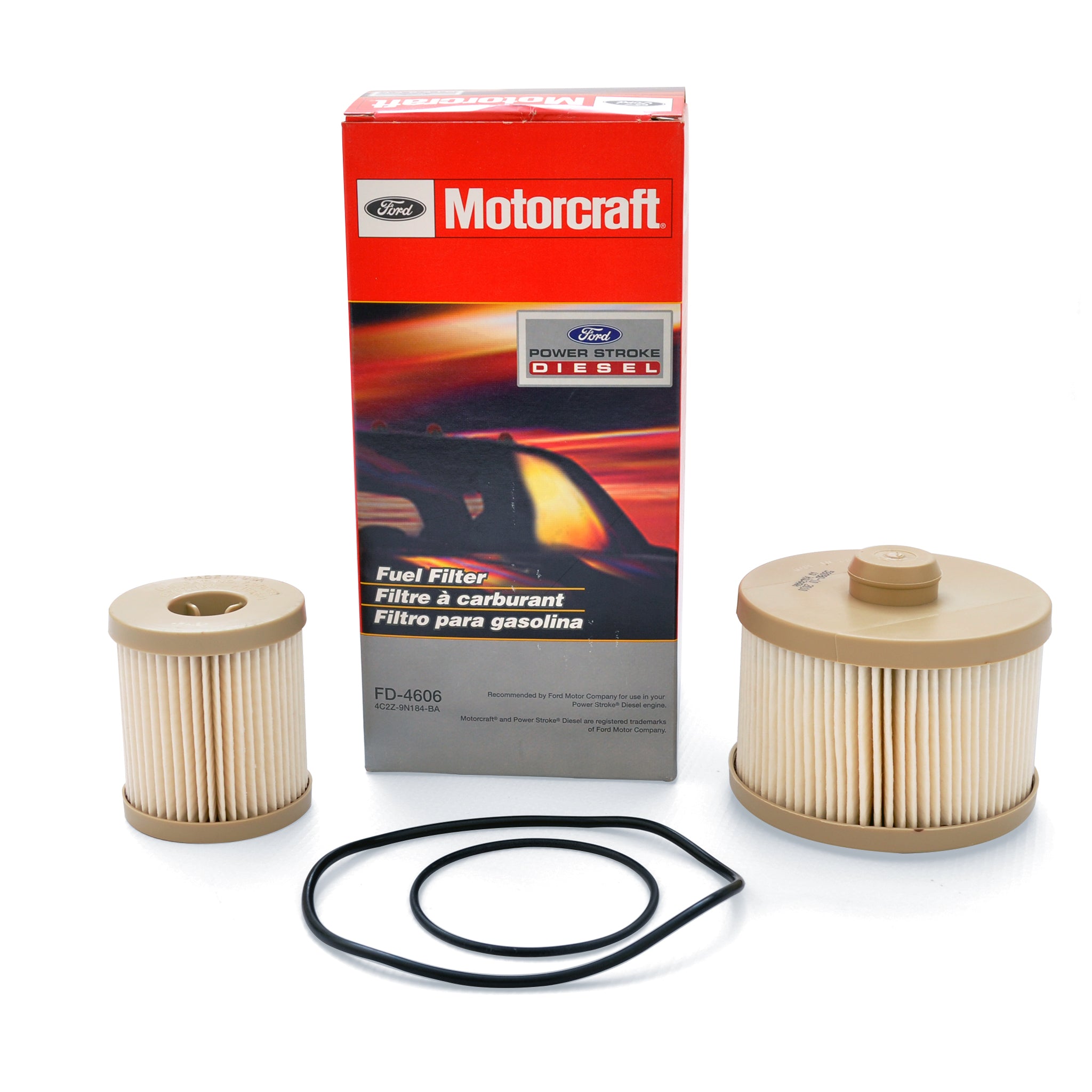
Replacement Fuel Filter
Choose the correct fuel filter for the 6.0 Powerstroke model. Using the right filter ensures proper engine performance. Check the part number before buying.
Drain Pan And Rags
A drain pan catches spilled fuel during filter removal. Rags help clean up any fuel drips. Keeping the area clean prevents hazards.
Safety Equipment
Wear gloves to protect your hands from fuel. Safety glasses shield your eyes from splashes. Working safely reduces risks of injury.
Credit: bulletproofdiesel.com
Locate The Fuel Filter
Start by opening the hood of your 6. 0 Powerstroke truck. The fuel filter is usually near the engine, attached to the fuel line. Check your owner’s manual if you have trouble finding it.
Finding the fuel filter on a 6.0 Powerstroke is the first step.
The fuel filter cleans dirt and debris from the fuel.
It protects the engine and fuel system parts from damage.
The filter is usually easy to find under the hood.
Check Near The Engine Compartment
Look close to the engine block on the passenger side.
The fuel filter is often mounted on the firewall or near it.
It looks like a small metal or plastic cylinder.
Look For Fuel Lines
Follow the fuel lines coming from the fuel tank.
The fuel filter sits along these lines before fuel reaches the engine.
Fuel lines are usually rubber or metal tubes.
Use Your Vehicle Manual
The owner’s manual shows the exact location of the fuel filter.
It provides diagrams and details that help identification.
Keep the manual handy for quick reference.
Prepare The Vehicle
Preparing your 6.0 Powerstroke for a fuel filter change is crucial. Proper preparation keeps you safe and makes the task easier. Take time to get the vehicle ready before starting.
Ensure Safety Measures
Park the truck on a flat surface. Set the parking brake firmly. Turn off the engine and remove the key from the ignition. Wear safety gloves and eye protection to avoid fuel contact. Keep a fire extinguisher nearby in case of emergencies. Work in a well-ventilated area to avoid inhaling fuel fumes.
Relieve Fuel System Pressure
Fuel system pressure can cause fuel spray. To avoid this, relieve the pressure first. Locate the fuel pump fuse in the fuse box. Remove the fuse to disable the fuel pump. Start the engine and let it run until it stops. This step releases the pressure in the fuel lines. Turn off the ignition and replace the fuse after pressure is relieved.
Remove The Old Fuel Filter
Removing the old fuel filter from your 6.0 Powerstroke is a key step. It ensures your engine runs smoothly and stays protected. This process requires care and the right tools. Follow clear steps to avoid spills and damage.
Disconnect Fuel Lines
Start by turning off the engine and fuel pump. This stops fuel flow and lowers pressure. Use a wrench to loosen the fuel line fittings carefully. Have a container ready to catch any leaking fuel. Gently pull the fuel lines away from the filter. Avoid bending or twisting the lines.
Take Out The Filter
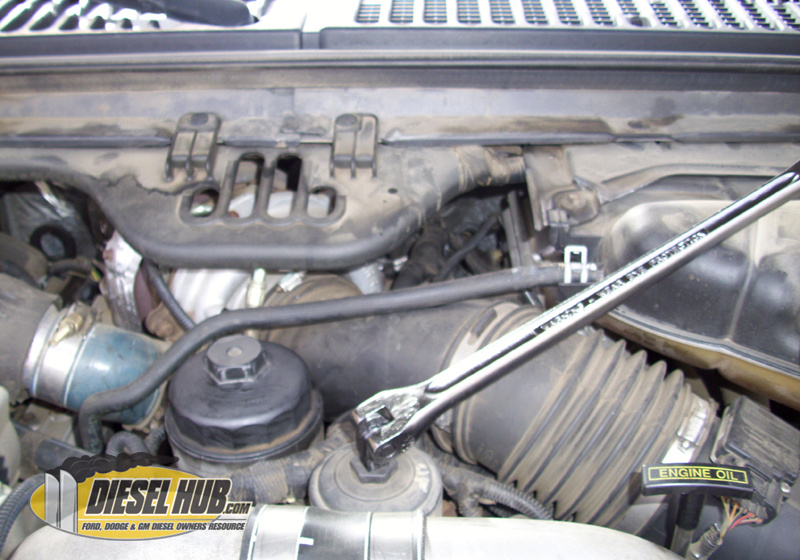
Locate the filter mounting bracket and loosen it with a wrench. Remove the old fuel filter by pulling it straight out. Keep the filter upright to prevent fuel spills. Dispose of the old filter safely. Clean the area around the filter mount before installing the new one.
Install The New Fuel Filter
Installing the new fuel filter on your 6.0 Powerstroke is a key step. It ensures your engine runs smoothly and stays protected. Take your time to place the filter correctly. Follow each step carefully to avoid mistakes.
Position The New Filter
Hold the new fuel filter upright. Align it with the filter housing. Make sure the arrow on the filter points in the fuel flow direction. Slide the filter into place gently. Do not force it. Check that it fits snugly and securely.
Reconnect Fuel Lines
Attach the fuel lines to the new filter. Push each line firmly onto the filter connectors. Listen for a click or feel it snap into place. Tighten any clamps or fittings you loosened earlier. Double-check each connection for leaks or looseness.
Prime The Fuel System
Priming the fuel system is a key step after changing the fuel filter on a 6.0 Powerstroke. This process removes air pockets and fills the fuel lines with clean diesel. Without priming, the engine may not start or run smoothly. It helps prevent damage to fuel injectors and the fuel pump.
Priming ensures that the fuel flows properly and the engine gets the right amount of fuel. It also helps avoid rough idling or stalling. Taking time to prime the system can save time and money on repairs later.
Locate The Primer Pump
The primer pump is usually near the fuel filter housing. It is a small, round bulb or lever. Press or pump it slowly to start moving fuel through the lines. This pushes air out and pulls fresh fuel in.
Pump Until Resistance Is Felt
Press the primer pump several times. Do this until you feel firm resistance. This means the fuel lines are full and air is removed. Avoid rapid or hard pumping to prevent damage.
Check For Leaks
Look around the fuel filter and lines for any leaks. Tighten fittings if you see fuel dripping. Leaks can cause air to enter and make priming ineffective.
Start The Engine
Try to start the engine after priming. It may take a few seconds longer than normal. If the engine struggles, pump the primer bulb again and try starting once more.
Repeat If Necessary
Sometimes, you need to prime the system more than once. Repeat pumping and starting until the engine runs smoothly. This ensures all air is out of the fuel system.
Check For Leaks And Test
After replacing the fuel filter on your 6.0 Powerstroke, checking for leaks and testing the system is key. This step ensures your engine runs smoothly and safely. It helps spot any issues before driving the truck.
Inspect All Connections
Look closely at the fuel lines and filter fittings. Check for wet spots or fuel drips. Tighten any loose connections carefully. A small leak can cause big problems.
Start The Engine
Turn the key to start the engine. Listen for unusual sounds. Watch the filter area for leaks. Fuel should flow steady without dripping.
Check Fuel Pressure
Use a fuel pressure gauge on the test port. Compare the reading with the factory specs. Low pressure may mean a bad filter or air in the system.
Look For Air Bubbles
Air in the fuel lines can cause rough running. Watch the fuel filter for bubbles. If you see air, bleed the system to remove it.
Test Drive Carefully
Drive the truck slowly at first. Pay attention to how the engine feels. Hesitation or stalling might mean a fuel flow issue. Stop and recheck connections if needed.
Credit: www.dieselhub.com
Maintenance Tips
Maintaining the fuel filter in your 6.0 Powerstroke is crucial for smooth engine performance. Regular care helps avoid costly repairs and keeps your truck running well. Knowing when and how to check the filter saves time and money.
Fuel filters trap dirt and debris from the fuel. Over time, these particles build up and block fuel flow. A clean filter ensures steady fuel delivery and protects your engine parts.
When To Replace Fuel Filter
Replace the fuel filter every 20,000 to 30,000 miles. Check your owner’s manual for exact intervals. Driving in dusty or harsh conditions may require earlier changes. Regular replacement avoids clogging and fuel flow problems.
Signs Of A Clogged Fuel Filter
Watch for engine hesitation during acceleration. Hard starts can also signal a clogged filter. Notice if your engine loses power or stalls. Poor fuel economy may point to a blocked filter. These signs show fuel flow is restricted and need attention.
Frequently Asked Questions
How Often Should I Change A 6.0 Powerstroke Fuel Filter?
You should change the fuel filter every 15,000 to 20,000 miles. Regular changes prevent clogs and maintain engine performance. Check your owner’s manual for specific intervals.
What Tools Do I Need To Replace The Fuel Filter?
You need a socket wrench, new fuel filter, fuel line disconnect tool, and safety gloves. These tools help safely remove and install the fuel filter.
How Long Does It Take To Change A 6.0 Powerstroke Fuel Filter?
Changing the fuel filter usually takes 30 to 45 minutes. Time varies based on experience and tool availability. Proper preparation speeds up the process.
Can I Change The Fuel Filter Myself Safely?
Yes, you can safely change it by following safety steps. Relieve fuel pressure and wear gloves to avoid fuel spills. If unsure, consult a professional.
Conclusion
Changing the fuel filter on your 6. 0 Powerstroke keeps your engine running well. Clean fuel helps the truck perform better and last longer. Follow the steps carefully and take your time. A fresh filter stops dirt from damaging parts.
Regular maintenance saves money and avoids big repairs. Now you know how to do this job yourself. Keep your truck healthy and ready for the road. Simple care makes a big difference.


