

Removing the fuel line from your fuel filter might sound tricky, but it doesn’t have to be. If you want to save time and avoid damage to your vehicle, knowing the right steps is key.
In this guide, you’ll learn simple, clear methods to safely disconnect your fuel line without frustration. Keep reading, and you’ll gain the confidence to handle this task like a pro—no special tools or experience required. Your car will thank you!
Tools Needed
Removing the fuel line from the fuel filter needs the right tools. Using proper tools makes the job easier and safer. It helps avoid damage to the fuel line or filter. Here are the main tools required for this task.
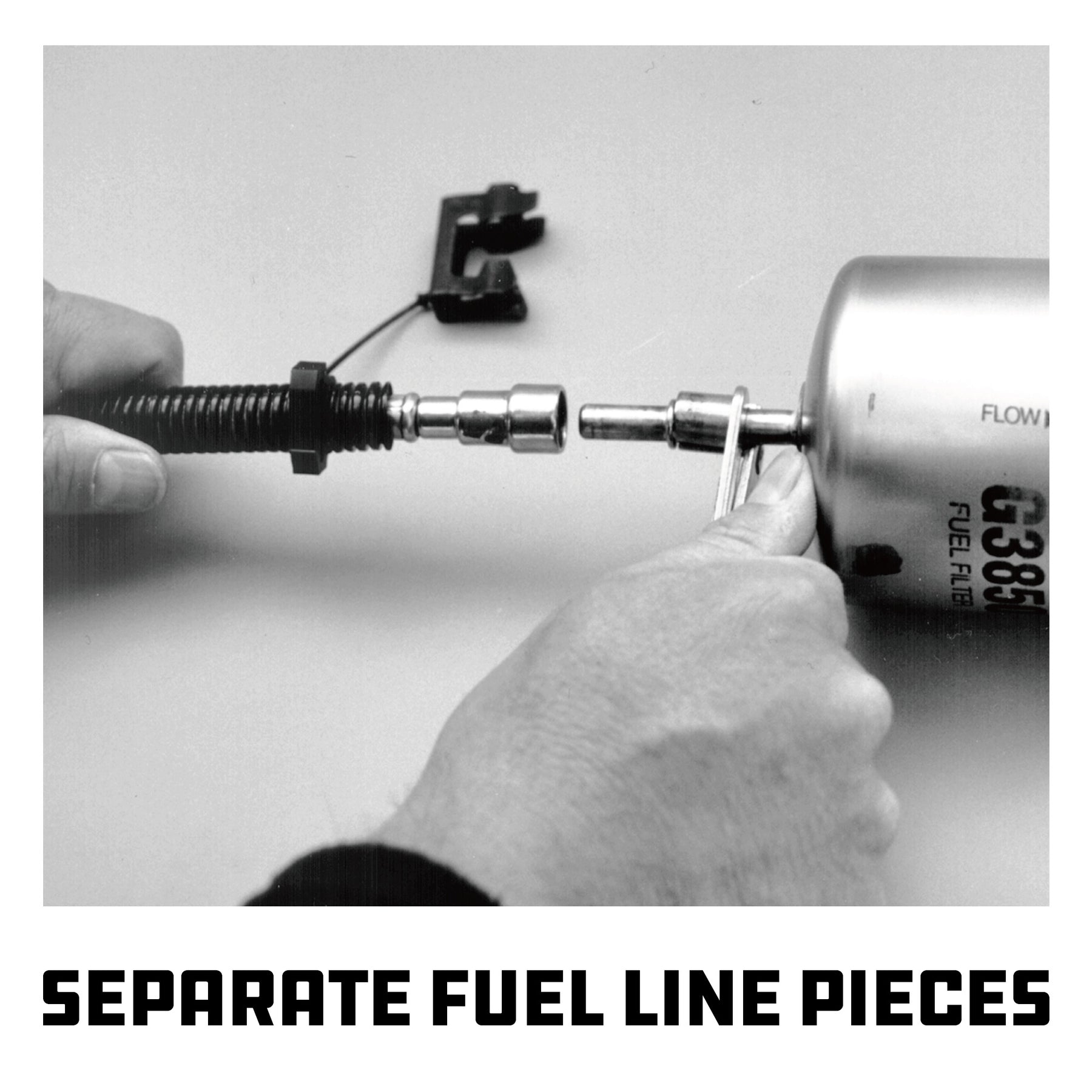
Fuel Line Disconnect Tool
This tool helps to release the fuel line quickly. It fits around the line and unlocks the clip or fitting. Many vehicles need this specific tool due to their design. Using it prevents breaking or bending the fuel line.
Pliers
Pliers help hold and pull the fuel line gently. Needle-nose pliers work best for tight spaces. They provide a good grip without damaging the hose. Pliers also assist in removing clamps if they are present.
Screwdriver
A flathead or Phillips screwdriver may be needed. It loosens clamps or screws that hold the fuel line. Choose the correct size to avoid slipping or stripping screws. Screwdrivers make it easier to detach parts safely.
Rags Or Towels
Keep rags handy to clean spills or drips. Fuel can leak when disconnecting the line. Rags absorb fuel and keep the workspace clean. They also help protect your hands from fuel exposure.
Safety Gloves
Wear gloves to protect your hands from fuel and dirt. Gloves keep your skin safe from harmful chemicals. They also improve grip on slippery parts. Use gloves suitable for handling fuel and oil.
Credit: comunisostenibili.eu
Safety Precautions
Removing the fuel line from the fuel filter requires careful attention to safety. Fuel is highly flammable and can cause serious harm. Taking safety precautions protects you and your workspace. Always prepare before starting the task.
Wear Protective Gear
Use gloves to protect your hands from fuel. Safety glasses shield your eyes from splashes. Wear long sleeves to avoid skin contact with fuel.
Work In A Well-ventilated Area
Fuel fumes can build up quickly and cause dizziness. Open doors or windows for fresh air. Avoid enclosed spaces to reduce fire risk.
Keep Fire Sources Away
Do not smoke or use open flames near the work area. Avoid sparks from tools or static electricity. Have a fire extinguisher nearby as a precaution.
Fuel lines hold pressure even when the engine is off. Release pressure before disconnecting the line. This prevents fuel spray and potential injury.
Have Absorbent Materials Ready
Fuel spills can happen easily. Keep rags or absorbent pads close by. Clean spills immediately to avoid slipping or fire hazards.
Locate The Fuel Filter
Locating the fuel filter is the first step to remove the fuel line safely. The fuel filter cleans fuel before it reaches the engine. Finding it saves time and prevents damage during removal. It usually sits along the fuel line, but exact spots vary by car model.
Knowing where to look helps avoid confusion and mistakes. It also lets you prepare tools and safety gear before starting work. This section explains how to find the fuel filter quickly and easily.
Check Under The Hood
Open the hood and look near the engine. Many fuel filters are near the fuel injectors or fuel rail. Look for a small cylindrical part with fuel lines attached. It may have metal or plastic fittings.
Inspect Along The Frame Rail
Some fuel filters sit along the car’s frame rail. This place runs underneath the vehicle, near the bottom. Use a flashlight to see under the car. The filter may be inside a protective metal or plastic case.
Look Near The Fuel Tank
Other vehicles place the fuel filter close to the fuel tank. This location helps filter fuel before it moves toward the engine. Check the rear of the car near the tank area. The filter may be attached to fuel lines or mounted on the frame.
Use The Owner’s Manual
The owner’s manual gives exact fuel filter location for your car model. Find the section about fuel system or maintenance. This guide shows diagrams or pictures to help identify the filter easily.
Relieve Fuel System Pressure
Before removing the fuel line from the fuel filter, it is vital to relieve the fuel system pressure. This step prevents fuel from spraying out and causing injury or damage. Fuel systems store pressure to keep fuel flowing smoothly to the engine. Without releasing this pressure, fuel can escape forcefully when disconnecting the line.
Relieving fuel system pressure helps create a safer work environment. It also makes the removal process easier and cleaner. The pressure release method varies by vehicle model, but the goal remains the same: reduce fuel pressure safely.
Locate The Fuel Pump Fuse Or Relay
Start by finding the fuel pump fuse or relay in the fuse box. The vehicle manual shows its exact location. Removing this fuse or relay cuts off power to the fuel pump. This stops the pump from building pressure in the system.
Start The Engine And Let It Stall
After removing the fuse or relay, try starting the engine. The engine will run briefly on remaining fuel. Then it will stall because the fuel pump is off. This process lowers pressure in the fuel lines.
Depressurize The Fuel Line
Open the fuel cap to release any pressure in the fuel tank. This step prevents a vacuum and helps fuel flow smoothly. Next, carefully loosen the fuel line connection to let out any leftover pressure. Use a rag to catch any fuel that may leak out.
Prepare The Area
Preparing the area before removing the fuel line from the fuel filter is crucial. A clean and safe workspace helps prevent accidents and damage. It also makes the task easier and faster.
Follow these steps to get the area ready for a smooth fuel line removal process.
Clear The Workspace
Remove any items around the fuel filter. This gives you enough space to work. It also prevents dirt from falling into the fuel system. A clean area lowers the chance of mistakes.
Wear Safety Gear
Put on gloves and safety glasses. Fuel can irritate skin and eyes. Protecting yourself is important. Gloves also keep your hands clean from fuel and grime.
Release the pressure in the fuel system before disconnecting. This stops fuel from spraying out. Locate the fuel pump fuse or relay and remove it. Then start the engine until it stops. This empties the fuel line pressure safely.
Work In A Well-ventilated Area
Fuel fumes can be harmful. Open doors and windows or work outside. Good airflow reduces inhaling dangerous fumes. It also lowers fire risk.
Have A Container Ready
Keep a small container or rag nearby. Fuel may leak when disconnecting the line. Catching it quickly avoids spills. It also helps keep the area clean.
Remove Fuel Line Clamps
Removing the fuel line clamps is a key step to detach the fuel line from the fuel filter. Clamps hold the fuel line tightly in place. Releasing them carefully prevents damage to the fuel line and filter. Use the right tools to avoid slipping or breaking the clamps.
Fuel line clamps come in different styles. Some are screw-type, while others are pinch or spring clamps. Knowing the type helps you choose the best method to remove them safely. Take your time to avoid spills and keep the work area clean.
Identify The Clamp Type
Look closely at the clamp around the fuel line. Screw-type clamps have a small screw to loosen. Pinch clamps need pliers to squeeze and slide off. Spring clamps require a special tool or pliers to open them.
Use Proper Tools
Use a flathead screwdriver for screw clamps. For pinch and spring clamps, use pliers or clamp removal tools. These tools give better grip and control. Avoid using your hands to reduce risk of injury.
Loosen The Clamp Gently
Turn the screw slowly or squeeze the clamp gently. Do not force the clamp off. Force can break the fuel line or damage the fuel filter. Loosen the clamp until it moves freely along the fuel line.
Slide The Clamp Away
Push the loosened clamp away from the fuel filter connection. This clears the way for the fuel line to be removed. Keep the clamp in a safe spot for reinstallation later. Be careful not to lose small parts during this step.
Disconnect The Fuel Lines
Disconnecting the fuel lines is an important step before removing the fuel filter. It helps prevent fuel leaks and keeps the work area safe. You need to separate the fuel lines carefully to avoid damage. Two common ways exist to disconnect the fuel lines: using a quick-disconnect tool or removing them manually.
Using Quick-disconnect Tool
The quick-disconnect tool makes removing fuel lines faster and easier. Insert the tool between the fuel line and the filter connection. Push the tool in to release the locking tabs. Then, gently pull the fuel line away from the filter. This method reduces the chance of breaking the fuel line or filter. Always check that the tool fits your fuel line size before use.
Manual Line Removal
Manual line removal needs careful handling to avoid damage. First, press or squeeze the fuel line connector to unlock it. Next, pull the fuel line straight off the filter. Do not twist or bend the line too much. If the fuel line feels stuck, wiggle it slightly while pulling. Wear gloves to protect your hands from fuel spills. Keep a cloth nearby to wipe any fuel drips.
Inspect Fuel Lines And Filter
Before removing the fuel line from the fuel filter, inspect both parts carefully. This step ensures safety and prevents damage during removal. Checking for cracks, leaks, or wear can save time and money later.
Clean the area around the fuel filter. Dirt and debris can enter the fuel system if not removed first. A clear view helps spot any issues with the lines or filter.
Check For Visible Damage
Look closely at the fuel lines for cracks or splits. Damaged lines can cause leaks and engine problems. Also, examine the fuel filter for dents or corrosion. Any damage means replacement is needed.
Look For Fuel Leaks
Signs of fuel leaks include wet spots or a strong fuel smell. Trace leaks back to their source. Leaks around the filter or line connections are common. Fix leaks before removing lines to avoid spills.
Test Fuel Line Flexibility
Gently bend the fuel lines to check their flexibility. Old lines become stiff and brittle. Brittle lines break easily during removal. Replace any lines that do not bend smoothly.
Confirm Proper Fuel Filter Fit
Ensure the fuel filter is securely fitted to the fuel lines. A loose filter can cause leaks and poor engine performance. Tight connections mean easier removal and less risk of damage.
Reattach Or Replace Fuel Lines
Reattaching or replacing fuel lines is a crucial step after removing the fuel line from the fuel filter. This process ensures your vehicle runs smoothly and safely. Proper connection prevents leaks and keeps fuel flowing correctly.
Choosing between reattaching the old fuel lines or replacing them depends on their condition. Old or damaged fuel lines should be replaced to avoid future problems. New fuel lines provide better durability and safety.
Inspect The Fuel Lines For Damage
Check the fuel lines carefully for cracks, hard spots, or leaks. Soft or brittle areas mean the line needs replacement. Clear signs of wear can cause fuel leaks and engine issues.
Clean The Connection Points
Before attaching fuel lines, clean the connection points on the filter and lines. Dirt and debris can block fuel flow or cause poor seals. Use a clean cloth to wipe the areas thoroughly.
Reattach Fuel Lines Securely
Push the fuel lines firmly onto the fuel filter fittings. Make sure they fit tight without gaps. Loose connections can lead to fuel leaks or engine performance problems.
Replace Old Fuel Lines With New Ones
Cut new fuel lines to the correct length using a sharp tool. Slide new lines onto the filter fittings smoothly. Secure the ends with clamps to hold them in place firmly.
Test For Leaks After Reattachment
Start the engine and check for fuel leaks around the connections. Watch carefully for any signs of dripping or smell of fuel. Tighten connections or replace lines if leaks appear.
Credit: www.reddit.com

Credit: www.youtube.com
Frequently Asked Questions
How Do I Safely Remove Fuel Line From Fuel Filter?
First, relieve fuel system pressure and wear gloves. Use proper tools to disconnect clamps or quick connectors. Pull the line gently to avoid damage. Always work in a ventilated area to avoid fuel fumes.
What Tools Are Needed To Remove Fuel Line From Filter?
You typically need fuel line disconnect tools, pliers, and screwdrivers. Having a container to catch fuel spills is also helpful. Proper tools ensure safe and easy removal without damaging the fuel line or filter.
Can I Remove The Fuel Line Without Spilling Fuel?
Yes, by releasing fuel pressure and working carefully. Catch any fuel drips with a cloth or container. Avoid open flames and work in a well-ventilated area to minimize risks.
How Do I Identify The Fuel Line From The Fuel Filter?
Fuel lines connect to the inlet and outlet ports on the fuel filter. They are usually rubber or plastic tubes secured by clamps or quick connectors. Follow the line from the fuel tank or engine to locate it precisely.
Conclusion
Removing the fuel line from the fuel filter is simple with the right steps. Take your time and work carefully to avoid damage. Always wear gloves and safety glasses for protection. Keep your tools close and follow each step clearly.
Practice makes the task easier over time. Now, you can handle this job confidently and safely. Save money by doing it yourself and learn new skills along the way. Remember, patience and caution lead to the best results.


