

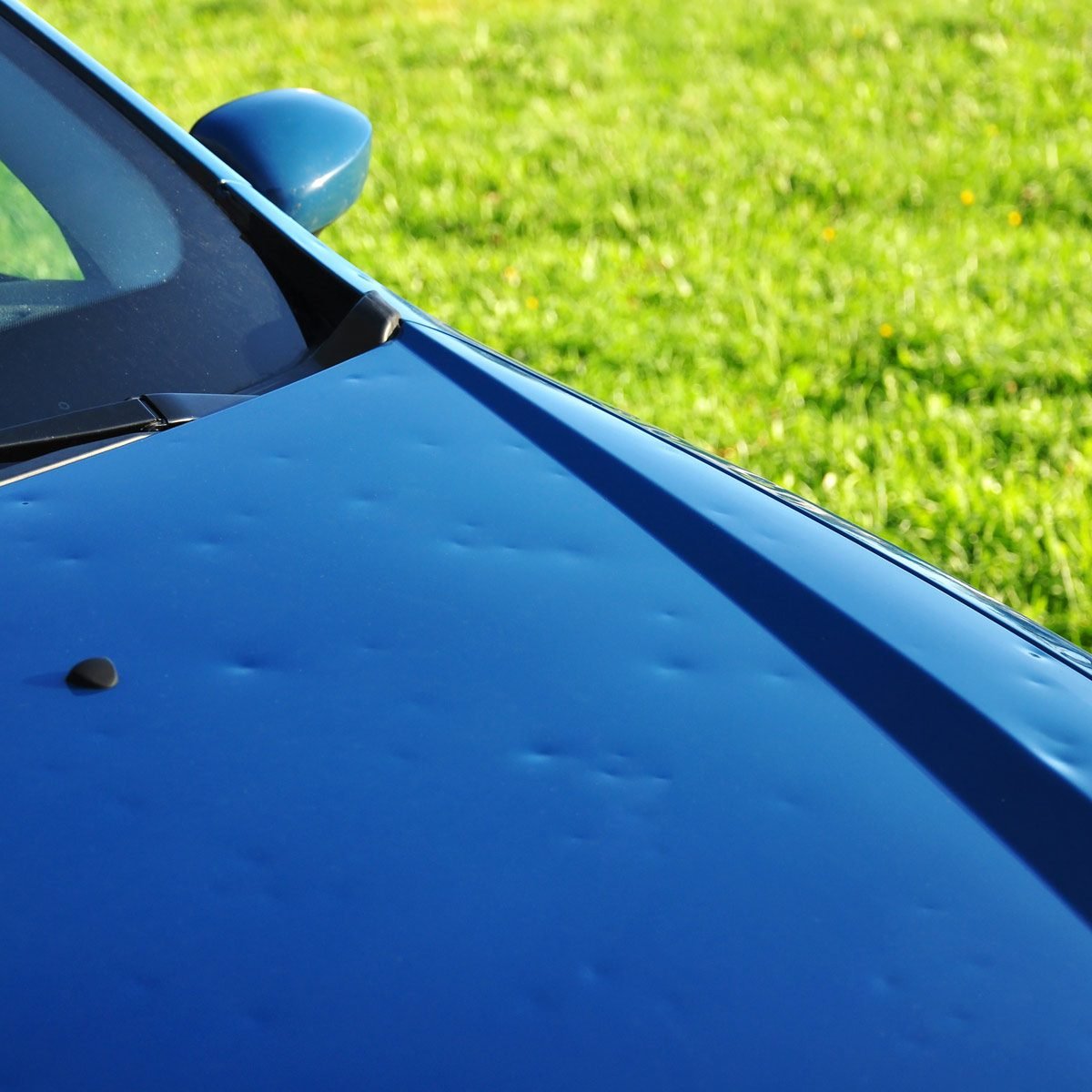
Have hail dents ruined the smooth surface of your car hood? You don’t have to live with those annoying dents or rush to expensive repair shops.
Imagine restoring your car’s look quickly and easily, saving both time and money. You’ll discover simple, effective ways to remove hail dents from your car hood yourself. Keep reading, and you’ll learn how to bring back that sleek finish your car deserves.

Credit: www.youtube.com
Tools Needed For Dent Removal
Removing hail dents from your car hood requires the right tools. Using proper tools helps fix dents safely and effectively. Some tools are easy to find at home. Others need to be bought in kits made for dent repair. Knowing what tools you need saves time and effort.
Common Household Items
Many dents can be fixed with simple items around your house. A hairdryer heats the metal, making it easier to shape. A can of compressed air cools the heated area quickly, helping dents pop out. A plunger can pull out small dents by creating suction. Using these items is cost-effective and easy for beginners.
Specialized Dent Repair Kits
Dent repair kits include tools made for fixing car dents. These kits often have glue guns, pulling tabs, and knockdown tools. Glue sticks help attach pulling tabs to dents. Pulling tabs pull the dented metal back to its original shape. Knockdown tools smooth out high spots after pulling. Kits are affordable and come with instructions for best results.
Credit: www.familyhandyman.com
Preparing The Car Hood
Preparing the car hood properly helps ensure better results in dent removal. A clean and clear surface lets you see dents clearly. Knowing the size and depth of each dent guides your repair method. These steps make the process smoother and more effective.
Cleaning The Surface
Start by washing the hood with soap and water. Remove dirt, dust, and grease completely. Use a soft cloth or sponge to avoid scratches. Dry the surface with a clean towel. A spotless hood helps you spot dents easily. It also prevents debris from causing damage during repair.
Assessing Dent Size And Depth
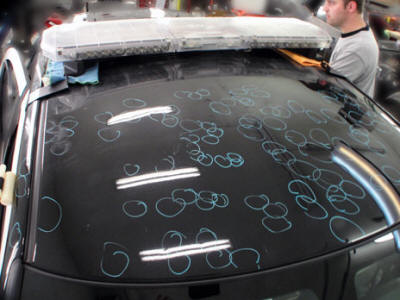
Look closely at each dent under good light. Use your fingers to feel dents carefully. Small dents might be easy to fix at home. Large or deep dents may need professional help. Marking dents with a washable marker can help track progress. This step helps you choose the right tools and techniques.
Heat Method For Dent Removal
The heat method is a simple way to fix hail dents on a car hood. It uses heat to make the metal soft and flexible. Then, the dent can pop out more easily. This method works well for small and shallow dents.
Using heat helps the metal expand. After heating, a sudden cool can make the metal contract quickly. This quick change can push the dent out. The tools needed are easy to find at home or in a store.
Using A Hair Dryer
Start by cleaning the dent area. Use a hair dryer to heat the dent for about 2 to 3 minutes. Hold it close but not too near to avoid damage. The heat makes the metal soft and easier to move.
After heating, quickly cool the dent with cold water or ice. The quick change in temperature helps the dent pop out. Repeat the heating and cooling if needed. Be patient and careful during the process.
Applying Compressed Air
Heat the dent with a hair dryer first. Then, turn a can of compressed air upside down. Spray the dent with the cold air from the can. The cold air cools the metal fast.
The metal contracts quickly, helping the dent to move outward. This method is safe and does not need special tools. Use this with the hair dryer for the best results.
Cold Method For Dent Removal
The cold method for dent removal uses low temperatures to fix hail dents on your car hood. It works by shrinking the metal and helping it pop back to its original shape. This method is simple and does not require special tools. It is safe for most car paints and easy to try at home.
Two popular cold techniques are dry ice application and the frozen compressed air technique. Both use cold to make the metal contract and release dents naturally. These methods are cost-effective and quick for small to medium dents.
Dry Ice Application
Dry ice is solid carbon dioxide at a very low temperature. Apply dry ice directly on the dent for a few minutes. The cold causes the metal to shrink and lift the dent. Use gloves to protect your hands from frostbite. Move the dry ice slowly around the dent for better results. After a few minutes, the dent should reduce or disappear.
Frozen Compressed Air Technique
This technique uses compressed air sprayed upside down to release cold gas. Hold the can upside down and spray the dented area. The sudden cold causes the metal to contract quickly. This fast cooling can pop the dent out. Repeat spraying and watch the dent slowly vanish. This method works best on small, shallow dents.
Using A Plunger To Pop Dents
Using a plunger to pop dents is a simple and effective way to fix hail damage. This method works best on small to medium dents on the car hood. It uses suction to pull the dent out without damaging the paint. You need the right plunger and a careful technique to get good results.
Selecting The Right Plunger
Choose a clean, rubber cup plunger. Avoid flange plungers used for toilets. A flat, smooth edge plunger works best. The size should match the dent. Too big or too small will not create strong suction. Check the plunger’s rubber for any cracks or dirt. Clean it before use to improve grip.
Step-by-step Plunger Technique
First, wet both the dent and the plunger with water. This helps create a seal. Place the plunger over the dent firmly. Push and pull gently to create suction. Pull the plunger back quickly but carefully. The dent should pop out or improve. Repeat the process a few times if needed. Avoid too much force to prevent paint damage.
Dent Puller Tools And How To Use Them
Dent puller tools help remove hail dents from your car hood quickly. These tools work by pulling out the dent without damaging the paint. Using the right tool makes the repair easier and saves money on body shop visits.
Two common dent puller types are the glue pulling method and suction cup pullers. Both have simple steps and need only a few materials. Understanding how to use these tools will help restore your car’s look.
Glue Pulling Method
The glue pulling method uses a special glue and tabs. First, clean the dent area well to remove dirt and grease. Then, apply the glue to the pulling tab and stick it to the center of the dent.
Wait a few minutes for the glue to set. Use the pulling tool to pull the tab gently. This action pulls the dent outward, smoothing the surface. Repeat if necessary until the dent is flat.
After pulling, remove the glue residue with rubbing alcohol. This method works best on small to medium dents and keeps the paint intact.
Suction Cup Pullers
Suction cup pullers use strong suction to lift dents. Start by cleaning the dent and surrounding area. Place the suction cup firmly on the dent, ensuring no air leaks.
Pull the handle or slide the lever slowly. The suction cup pulls the dent outward. This method suits shallow dents and can be done without glue.
Check the dent after each pull. Repeat if needed. Suction cup pullers are easy to use and do not harm the paint.
When To Seek Professional Help
Removing hail dents from a car hood can often be done at home with the right tools. Yet, some damage requires a professional’s touch. Knowing when to seek expert help can save time and prevent further harm to your vehicle.
Severe Or Multiple Dents
Large dents or many small dents need professional repair. A specialist uses advanced tools to fix deep damage. Trying to fix severe dents yourself might worsen the problem. Professionals ensure the hood returns to its original shape smoothly.
Paint Damage And Rust Concerns
Dents that break or crack the paint require expert care. Exposed metal can quickly rust without proper treatment. Professionals know how to treat paint damage and prevent rust. They use special coatings that protect your car long-term.
Credit: www.dentwerkspdr.com
Preventing Future Hail Damage
Preventing future hail damage protects your car’s hood and paint. It saves money and keeps your vehicle looking good. Taking simple steps can reduce the risk of dents and scratches. Protect your car before the next hailstorm arrives.
Protective Covers And Shields
Use a thick, padded car cover made for hail protection. These covers absorb the impact and prevent dents. Some shields come with extra layers to guard against heavy hail. Keep the cover ready during hail season. Easy to install and remove, these covers offer strong protection.
Safe Parking Tips
Park under solid roofs, like garages or carports. Avoid open spaces during bad weather warnings. Trees can help but might drop branches, so choose carefully. Look for covered parking spots in public areas. Even parking near a building wall can block hail.
Frequently Asked Questions
How Can I Remove Hail Dents From My Car Hood?
You can remove hail dents using DIY methods like hot water, hairdryer, or a plunger. For severe dents, professional repair is recommended to avoid paint damage.
Is It Safe To Use A Plunger For Hail Dents?
Yes, a plunger can help pull out small hail dents safely if used gently. Avoid excessive force to prevent damaging the paint or metal.
Can Hail Dents Be Fixed Without Repainting?
Minor hail dents often can be fixed using paintless dent repair (PDR) techniques, preserving the original paint. Larger dents may require repainting for a flawless finish.
When Should I Seek Professional Hail Dent Repair?
Seek professional help if dents are deep, numerous, or if DIY methods fail. Experts have specialized tools to restore your car hood without damaging paint.
Conclusion
Removing hail dents from your car hood can seem tough but is doable. Use the right tools and take your time. Small dents often come out with simple methods at home. Bigger dents may need professional help. Regular care helps keep your car looking good.
Fixing dents soon stops rust from forming. Keep your car clean to spot dents early. Your car’s appearance matters, and you can improve it step by step. Try these tips and enjoy a smoother, dent-free hood.


