

Is your car’s shine looking dull or uneven? Old wax residue might be the hidden culprit stealing your vehicle’s sparkle.
Removing it isn’t just about aesthetics—it helps protect your paint and keeps your car looking fresh for longer. If you’ve been struggling with stubborn wax buildup, you’re in the right place. You’ll discover simple, effective steps to get rid of old car wax residue and restore that smooth, glossy finish you love.
Keep reading, and your car will thank you with a shine that turns heads every time.
Tools And Materials Needed
Removing old car wax residue needs the right tools and materials. Using proper items makes the job easier and protects your car’s paint. Prepare everything before you start. It saves time and avoids damage.
Cleaning Cloths And Towels
Soft microfiber cloths work best for removing wax. They do not scratch the paint. Use clean towels to dry your car after washing. Avoid rough fabrics that can cause swirls or scratches.
Wax Removers And Solvents
Choose a wax remover made for cars. These products dissolve old wax without harming the paint. Some solvents are stronger, so test on a small area first. Follow the instructions on the label carefully.
Car Wash Supplies
Good car shampoo helps remove dirt and leftover wax. Use a bucket, sponge, and hose for washing. Clean the car fully before applying wax remover. This prevents dirt from scratching the surface.
Protective Gear
Wear gloves to protect your skin from chemicals. Safety glasses keep your eyes safe from splashes. Use a mask if you work in a closed space. Safety first keeps the process safe and comfortable.

Credit: www.reddit.com
Preparing Your Car
Preparing your car properly makes removing old wax residue easier and more effective. Clean and dry surfaces help new products stick better and work well. Follow these simple steps to get your car ready for the task.
Choosing The Right Location
Pick a shaded and flat area to work on your car. Avoid direct sunlight to stop products from drying too fast. Choose a place with good ventilation but away from dust or strong wind. A driveway or garage works best.
Washing The Car Thoroughly
Use a gentle car shampoo and plenty of water to wash the surface. Focus on removing dirt, grime, and old wax flakes. Rinse the car well to ensure no soap remains. Clean surfaces help wax remover work better.
Drying The Surface
Use a clean microfiber towel to dry the car completely. Avoid letting water spots form on the paint. Drying prevents streaks and helps wax residue come off easily. Make sure every part is dry before moving on.
Identifying Wax Residue Areas
Identifying wax residue areas is the first step to a clean car surface. Old wax can leave patches that look dull or feel sticky. These spots reduce your car’s shine and smoothness. Finding these areas helps you remove wax effectively. Focus on visual checks and touch tests to spot leftover wax. This makes the cleaning process easier and better.
Spotting Uneven Gloss
Look closely at your car’s paint under natural light. Wax residue often creates uneven gloss or dull spots. Some areas may shine more, while others look cloudy. These differences show where wax builds up or wears off. Watch for streaks that do not match the rest of the surface. This uneven look signals old wax that needs removal.
Feeling For Sticky Or Rough Patches
Run your fingers gently over the car’s paint. Old wax can leave sticky or rough patches you can feel. Smooth areas mean clean paint, while sticky parts mean leftover wax. Rough spots may feel grainy or like tiny bumps. These textures show where wax did not fully clean off. Use this touch test to find all residue zones before cleaning.
Credit: www.simoniz.uk
Removing Wax Residue Step-by-step
Removing old car wax residue can refresh your vehicle’s shine. It takes patience and the right tools. Follow these simple steps for a clean finish. Proper removal avoids damage to your car’s paint. Each step helps break down and lift wax buildup safely.
Use gentle products and soft cloths to protect the surface. Repeat the process if the residue is stubborn. Clean, clear paint looks better and lasts longer after wax removal.
Applying Wax Remover Safely
Choose a wax remover made for car paint. Test a small area first to check for any damage. Apply a small amount of remover on a soft applicator. Work in thin, even layers to avoid streaks. Let the remover sit for a few minutes as per instructions. Never let it dry completely on the paint.
Using Microfiber Cloths For Removal
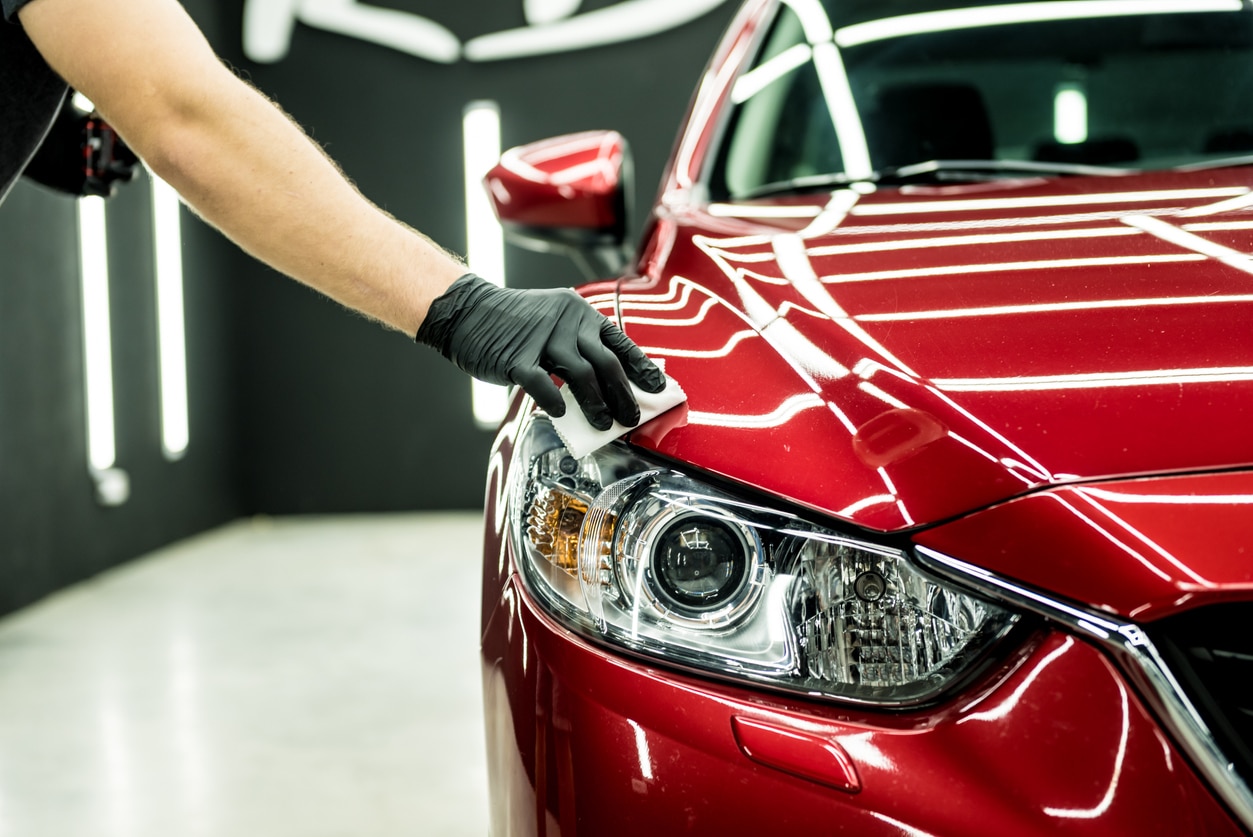
Use clean, dry microfiber cloths to wipe away the wax remover. Gently rub in a circular motion to lift the residue. Avoid rough cloths that can scratch the paint. Change cloths if they get too dirty. This keeps the surface clean without spreading wax back.
Repeating The Process If Needed
Check the surface after the first removal. Some wax layers may require more than one pass. Repeat applying remover and wiping with a fresh cloth. Do not rush. Take time to clear all leftover wax. Stop once the surface feels smooth and looks clear.
Alternative Methods For Residue Removal
Old car wax residue can make your vehicle look dull and dirty. Removing it improves shine and paint health. There are easy methods beyond regular car wash products. These alternative ways work well to clear away stubborn wax residue.
Using Clay Bars
Clay bars gently remove surface contaminants, including old wax. Rub the clay bar over a lubricated surface to lift residue. It smooths the paint and helps restore shine. Use light pressure and clean the bar often. This method is safe and effective for most paint types.
Applying Rubbing Alcohol
Rubbing alcohol breaks down wax residue quickly. Dilute it with water to avoid paint damage. Apply with a soft cloth and rub gently on wax spots. It evaporates fast, leaving no streaks behind. Use this method in a shaded area to protect the paint.
Homemade Solutions
Simple household items can remove wax residue too. Mix equal parts vinegar and water in a spray bottle. Spray on the wax and wipe with a microfiber cloth. Another option is baking soda mixed with water to form a paste. Gently scrub the residue and rinse well. These solutions are cheap and easy to use.

Credit: www.youtube.com
Post-removal Care
After removing old car wax residue, the job is not done. Proper post-removal care keeps your car’s surface smooth and protected. It helps avoid damage and prepares your car for new wax or sealant. Follow these steps to keep your car looking great.
Washing And Drying Again
Wash your car again to remove leftover residue and dirt. Use a gentle car shampoo and clean water. Rinse well to avoid soap spots. Dry the car with a soft microfiber towel. This prevents water marks and scratches.
Applying New Wax Or Sealant
Apply a fresh coat of wax or sealant after cleaning. This protects the paint and adds shine. Use a small amount and spread evenly. Follow product instructions for the best results. Let it dry before touching or driving.
Maintaining A Spotless Shine
Keep your car shining by cleaning regularly. Use quick detail sprays for light dust and fingerprints. Avoid harsh chemicals that can strip wax. Park in shaded areas to reduce sun damage. Regular care extends the life of your wax.
Common Mistakes To Avoid
Removing old car wax residue can be tricky. Many people make mistakes that harm their car’s paint. Avoiding these errors saves time and keeps your car looking great. Below are common mistakes to watch out for during the process.
Using Harsh Chemicals
Strong chemicals can damage your car’s paint and clear coat. Some cleaners eat away at the surface, causing dull spots. Use mild, car-safe products instead. Always test a small area first to check for damage.
Scrubbing Too Hard
Scrubbing with too much force can scratch the paint. Old wax is sticky, but rough scrubbing makes the surface worse. Use a soft cloth or sponge and gentle circular motions. Patience helps remove wax without harm.
Skipping Protective Measures
Failing to protect your car during cleaning leads to problems. Dirt and dust on the surface can cause scratches. Wash the car before removing wax residue. Also, work in shade to avoid quick drying and streaks.
Frequently Asked Questions
How Do I Safely Remove Old Car Wax Residue?
Use a clay bar or a wax remover product specifically made for cars. Wash the car first, then apply the product with a microfiber cloth. Gently rub the residue until it dissolves. Rinse and dry the surface afterward.
What Household Items Can Remove Car Wax Residue?
White vinegar diluted with water can help remove wax residue. Apply it with a soft cloth and gently wipe the surface. Avoid harsh chemicals or abrasive materials to prevent paint damage. Always rinse thoroughly and dry after cleaning.
Can Old Car Wax Damage My Paint?
Yes, old wax can trap dirt and contaminants, potentially harming the paint. It can also create uneven surfaces, affecting the car’s shine. Regularly removing old wax ensures a smooth and protected paint finish.
How Often Should I Remove Old Car Wax?
Remove old wax every 3 to 6 months or before applying new wax. This maintains a clean surface and improves wax bonding. Regular maintenance keeps your paint looking fresh and protected.
Conclusion
Removing old car wax residue keeps your vehicle looking fresh and clean. Use gentle products and soft cloths to protect your paint. Take your time and work in small sections for the best results. Regular cleaning helps avoid buildup and keeps wax easy to remove.
A clean car shines better and lasts longer. Simple steps can make a big difference in car care. Keep your ride looking its best with easy wax removal.


