

Have you ever wondered what really happens when you press your car’s brake pedal? Understanding how brake pads and rotors work can help you keep your vehicle safe and running smoothly.
When you step on the brake, these parts team up to slow you down and stop your car exactly when you need. Knowing how they function not only helps you spot problems early but can also save you money on repairs.
Keep reading to discover the simple science behind your brakes and learn how to take better care of them.

Credit: www.greatwater360autocare.com
Brake Pads Basics
Brake pads are a key part of your car’s braking system. They press against the rotors to slow down the wheels. This action helps your vehicle stop safely. Understanding brake pads basics helps you care for your car better.
Brake pads wear out over time. Knowing how they work can save you money and keep you safe on the road.
Materials Used In Brake Pads
Brake pads are made from different materials. Common types include organic, semi-metallic, and ceramic. Organic pads use natural fibers and resins. Semi-metallic pads have metal particles for strength. Ceramic pads contain ceramic fibers and fillers. Each material affects braking performance and noise levels.
How Brake Pads Create Friction
Brake pads create friction by pressing against the spinning rotors. This friction slows the wheel’s rotation. The heat from friction helps stop the vehicle. Brake pads must be tough to handle high temperatures. They also need to grip well without damaging the rotor.
Signs Of Worn Brake Pads
Worn brake pads make noise. You might hear squealing or grinding sounds. The brake pedal could feel soft or less responsive. Your car may take longer to stop. Checking brake pads regularly helps avoid brake failure. Replace pads if they look thin or damaged.
Role Of Rotors
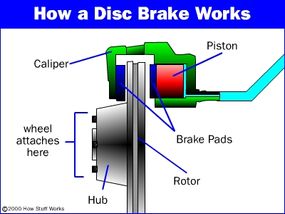
Rotors are a key part of the braking system. They work with brake pads to stop the vehicle. Rotors spin with the wheels. When the brake pads press on the rotors, they create friction. This friction slows down the wheels and stops the car.
Rotor Types And Designs
Rotors come in different types and designs. The most common type is the solid rotor. It is a simple, flat disc. Another type is the vented rotor. It has air channels inside to cool down faster.
Some rotors have drilled holes or slots. These help remove water and dust. They also improve heat dissipation. Each design suits different driving needs and conditions.
How Rotors Interact With Brake Pads
Brake pads press against the rotors to stop the car. The pads create friction by rubbing on the rotor surface. This friction changes the car’s motion into heat. The rotor must be strong and smooth for this to work well.
Good contact between pads and rotors ensures effective braking. Uneven or worn rotors reduce braking power. Proper rotor and pad condition means safer stops.
Common Rotor Issues
Rotors face wear and damage over time. They can become warped from heat. Warped rotors cause shaking during braking. Rotors may also develop grooves or cracks. These problems lower braking efficiency.
Regular checks help spot rotor issues early. Replacing or resurfacing damaged rotors improves brake performance. Healthy rotors keep braking smooth and safe.
Brake System Functionality
The brake system is a key part of any vehicle. It helps slow down and stop the car safely. Understanding how brake pads and rotors work helps us see the system’s role. This section explains the main parts and how they function together to stop a vehicle.
Hydraulic Mechanism In Braking
The brake system uses hydraulic fluid to move force from the pedal. When you press the brake pedal, it pushes fluid through tubes. This pressure pushes the brake pads against the rotors. The pads press hard on the rotors, creating friction. This friction slows the wheels and stops the car.
Heat Generation And Dissipation
Friction between brake pads and rotors creates heat. The system must handle this heat to work well. Rotors are made from metal to absorb and spread heat fast. Good heat dissipation stops the brakes from overheating. Overheated brakes can lose power and make stopping unsafe.
Impact On Vehicle Safety
Brakes keep drivers and passengers safe by controlling speed. Proper working brakes reduce the chance of accidents. Worn pads or damaged rotors lower braking power. Regular checks and maintenance ensure the system works correctly. Safe brakes give drivers confidence on the road.
Credit: auto.howstuffworks.com
Maintenance Tips
Proper maintenance of brake pads and rotors is essential for safe driving. Regular care helps avoid costly repairs and keeps your vehicle stopping well. Simple checks and timely replacements improve braking performance and extend part life.
Knowing how to maintain these parts can save you time and money. It also ensures your brakes work smoothly every time you press the pedal.
When To Replace Pads And Rotors
Brake pads wear down with use and need replacing before they cause damage. Listen for squealing sounds or feel vibrations when braking. These signs often mean pads or rotors need attention. Thin or cracked pads and warped rotors must be replaced promptly.
Inspection Techniques
Visual checks can reveal brake pad thickness and rotor condition. Look through the wheel spokes to see the pads. Pads thinner than 3 millimeters require replacement. Check rotors for grooves, cracks, or rust. Smooth and even surfaces mean rotors are still good.
Choosing Quality Replacement Parts
Select brake pads and rotors that fit your vehicle exactly. Use parts from trusted brands to ensure safety and durability. Avoid cheap or low-quality components; they wear faster and reduce braking power. Quality parts provide better grip and last longer.
Driving Habits And Brake Longevity
Driving habits play a big role in how long brake pads and rotors last. Careful driving can extend their life and save money. Rough or aggressive driving wears brakes faster. Understanding how different driving styles affect brakes helps keep them in good shape.
Effect Of Driving Styles
Gentle braking causes less wear on brake pads and rotors. Smooth stops reduce heat and friction. Hard braking creates more heat, causing faster wear and tear. Frequent stop-and-go driving also speeds up brake wear. Long, steady stops help brakes last longer.
Avoiding Brake Overheating
Brake overheating damages pads and rotors quickly. Driving downhill requires careful braking to avoid heat build-up. Using engine braking by downshifting helps reduce brake use. Avoid riding the brakes for long periods. Let brakes cool down after heavy use to prevent damage.
Emergency Braking Tips
In emergencies, brake hard but controlled. Press the brake pedal firmly and steadily. Avoid locking the wheels to keep control of the vehicle. Practice emergency stops in safe areas to improve reaction time. Proper technique reduces damage to brakes and keeps you safe.
.jpg)
Credit: www.cbac.com
Frequently Asked Questions
What Do Brake Pads Do In A Car’s Braking System?
Brake pads create friction against rotors to slow or stop the vehicle. They convert kinetic energy into heat, enabling safe braking.
How Do Rotors Work With Brake Pads?
Rotors spin with the wheels, and brake pads clamp down on them. This action generates friction, which reduces wheel speed and stops the car.
When Should Brake Pads And Rotors Be Replaced?
Replace brake pads every 30,000 to 70,000 miles, depending on use. Rotors may need replacement if warped, scored, or below thickness specifications.
Why Do Brake Pads And Rotors Make Noise?
Noise often occurs due to worn pads, glazed rotors, or debris. It signals the need for inspection or replacement to maintain braking safety.
Conclusion
Brake pads and rotors work together to stop your vehicle safely. Brake pads press against rotors to create friction and slow the wheels. Regular checks keep these parts working well and prevent accidents. Worn brake pads or rotors can cause noise or poor braking.
Knowing how they function helps you understand car care better. Keep your brakes in good shape for safer driving every day. Simple maintenance saves money and avoids big repairs later. Always pay attention to strange sounds or changes in braking.
Safe brakes mean safer roads for everyone.


