

Is your car’s paint looking dull and faded? That rough, chalky layer on your vehicle is called oxidation—and it can make your car look much older than it really is.
But don’t worry, you don’t have to live with it. You can bring back that shiny, fresh-from-the-showroom look with a few simple steps. You’ll learn exactly how to remove oxidation from your car quickly and effectively, saving you time and money.
Ready to make your car shine again? Let’s get started!
Causes Of Car Oxidation
Car oxidation happens when the paint on your vehicle starts to break down. This process makes the paint dull and faded. Understanding the causes helps protect your car’s look. Many factors cause oxidation. Some are natural, and some come from chemicals.
Environmental Factors
Sunlight is one of the main causes of oxidation. The sun’s UV rays break down the paint’s protective layer. Rain and moisture also play a role. Water can seep into tiny cracks and wear the paint. Dust and dirt from the road add to the damage. Pollutants in the air stick to the car’s surface and speed up oxidation.
Chemical Reactions On Paint
Oxidation is a chemical change. Oxygen in the air reacts with the paint’s surface. This reaction removes the paint’s shine and color. Salt from roads or sea air reacts with the paint too. Acid rain can cause fast damage. Harsh cleaning chemicals can strip protective layers, making oxidation easier.
Signs Of Oxidation
Oxidized paint looks dull and faded. The surface may feel rough or chalky. Colors lose their brightness and look washed out. Small cracks or peeling paint can appear. These signs show the paint needs care to stop more damage.
Materials Needed For Removal
Removing oxidation from your car requires the right materials. Having these supplies ready helps you clean and restore your car’s paint effectively. Prepare everything before you start to save time and avoid frustration.
Cleaning Supplies
Start with a good car wash soap. It removes dirt and grime gently. Use microfiber towels to avoid scratching the paint. Have a bucket and clean water for rinsing. Clay bars help remove stubborn surface contaminants. These supplies clean the surface well before polishing.
Polishing Tools
Use polishing compound to remove oxidation layers. A dual-action polisher makes the job easier and faster. Foam or microfiber pads work best with polishers. Hand applicator pads work if you do not have a machine. Polishing smooths the paint and brings back shine.
Protective Gear
Wear gloves to protect your hands from chemicals. Use safety glasses to shield your eyes from splashes. A mask helps avoid breathing in dust or fumes. Dress in old clothes that you do not mind staining. Safety gear keeps you safe during the process.
Preparing Your Car
Preparing your car is the first step to removing oxidation effectively. A clean and dry surface helps products work better. It also prevents dirt from scratching the paint during the process. Taking time to prepare your car can save effort later.
Washing And Drying
Start by washing your car with a mild soap and water. Use a soft sponge or cloth to avoid scratches. Rinse thoroughly to remove all soap and dirt. Dry the car completely with a clean microfiber towel. This stops water spots from forming on the paint.
Inspecting The Paint
Look closely at the paint to find all oxidized spots. Oxidation appears as dull or faded areas. Check in sunlight for better visibility. Note any deep scratches or chips that need extra care. Understanding the damage helps you choose the right treatment.
Choosing The Right Workspace
Pick a shaded area to work on your car. Avoid direct sunlight to prevent quick drying of products. A cool, dry place is best for applying cleaners and polish. Make sure the space is clean and free of dust. This keeps the car’s surface safe during cleaning.
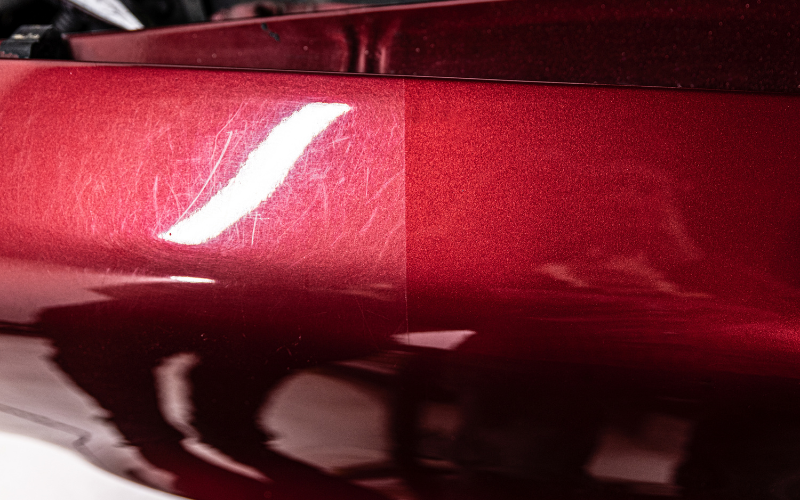
Credit: detailxperts.com
Methods To Remove Oxidation
Oxidation on a car’s paint looks dull and rough. It happens when sunlight and air damage the clear coat. Removing oxidation brings back shine and protects the car’s surface. Different methods work for different levels of oxidation. Choose the best way for your car’s condition and your skill level.
Using Commercial Compounds
Commercial compounds are made for removing oxidation fast. They contain mild abrasives that polish the paint. Apply a small amount to a soft cloth or applicator pad. Rub gently in circular motions over the oxidized area. Let the compound dry to a haze, then wipe it off with a clean microfiber cloth. Repeat if needed for better results. These products work well for light to moderate oxidation.
Diy Home Remedies
Home remedies use common household items to remove oxidation. Toothpaste with baking soda is a popular choice. It acts as a mild abrasive that cleans the paint surface. Apply a small amount on a damp cloth and rub the oxidized spots. Rinse with water and dry with a soft towel. Another option is a mix of vinegar and water to clean light oxidation. These methods are budget-friendly but may need more effort.
Mechanical Buffing Techniques
Mechanical buffing uses tools to remove deeper oxidation. A buffer machine spins a pad that polishes the paint quickly. Use a polishing compound designed for oxidation removal. Work the buffer in slow, even passes to avoid damage. This method requires care and some practice. It is best for heavy oxidation and large areas. Always wear safety gear and follow the tool’s instructions.
Step-by-step Oxidation Removal
Removing oxidation from your car restores its shine and protects the paint. This process cleans the surface, removing the dull layer caused by sun and air. Follow these clear steps for best results.
Applying Compound Or Polish
Start with a small amount of rubbing compound or polish on a soft cloth or applicator pad. Work the product onto the oxidized areas using circular motions. Apply gentle pressure to help break down the oxidation. Cover one section at a time to avoid drying out the compound.
Buffing The Surface
Use a clean microfiber cloth or a buffer machine on low speed. Buff the treated area in small circles. This action removes the compound along with oxidation particles. Keep buffing until the surface looks glossy and smooth. Avoid pressing too hard to protect the paint.
Cleaning Residue
Wipe the surface with a clean, damp cloth to remove any leftover compound. Dry the area with a soft towel to prevent water spots. Inspect the paint for any missed spots and repeat the steps if needed. Finish by applying wax to protect the clean surface.
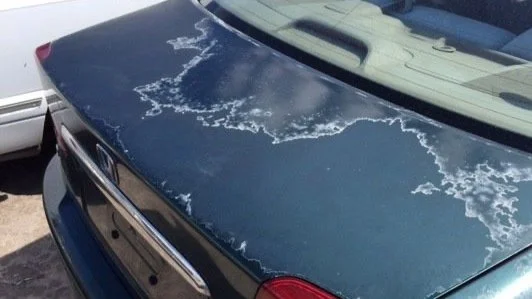
Credit: www.fresh-layer.com
Protecting Your Car’s Shine
Protecting your car’s shine keeps it looking fresh and new longer. Oxidation dulls paint and causes damage. Taking steps to protect your car helps stop this. Regular care keeps the shine bright and protects the paint surface.
Waxing Tips
Wax adds a protective layer over the paint. It blocks dirt, water, and sun damage. Use a soft cloth to apply wax in small circles. Let it dry before buffing with a clean cloth. Wax every few months to keep protection strong.
Sealants And Coatings
Sealants last longer than wax and protect better. They create a hard shell against oxidation and scratches. Apply sealants on a clean, dry surface for best results. Ceramic coatings offer the longest protection but need careful application.
Regular Maintenance
Wash your car often with mild soap and water. Avoid harsh chemicals that strip wax or sealant. Dry the car thoroughly to prevent water spots. Check the paint for chips or scratches and fix them fast. Routine care stops oxidation before it starts.
Common Mistakes To Avoid
Removing oxidation from your car’s paint can refresh its look and protect it. Many people try to fix oxidation but make mistakes that harm the paint or waste time. Avoiding these common errors helps you get better results and keeps your car safe.
Understanding what not to do is as important as knowing the right steps. Here are some common mistakes you should avoid when removing oxidation.
Using Harsh Chemicals
Strong chemicals can damage your car’s paint and clear coat. Many cleaners contain acids or abrasives that remove more than oxidation. This can cause dull spots or uneven color. Always choose products made for car paint. Gentle cleaners work well and protect the surface.
Over-buffing
Buffing helps remove oxidation but doing it too much is harmful. Excessive buffing wears down the paint layers. This leads to thin paint and can expose metal underneath. Buff in small areas and check your progress often. Stop once the oxidation is gone to avoid damage.
Ignoring Paint Condition
Every car’s paint is different. Older or damaged paint needs special care. Ignoring the paint’s condition can cause peeling or cracking. Inspect your car before starting. Use less abrasive methods on fragile paint. Tailor your approach to your car’s needs.

Credit: www.youtube.com
When To Seek Professional Help
Oxidation can harm your car’s paint and overall look. Many small oxidation spots you can fix at home. But some cases need expert care. Knowing when to get professional help saves time and prevents more damage. Here are signs that you should contact a specialist.
Severe Oxidation Cases
When oxidation covers large areas, it is severe. The paint may look dull, chalky, or rough. Home remedies often fail to restore such damage. Professionals use special tools and chemicals to handle severe oxidation. They can clean deep layers and bring back shine safely.
Paint Damage Risks
Oxidation can cause paint to peel or crack. Trying to fix heavy damage without skill can worsen it. Professionals know how to protect the paint while removing oxidation. They reduce the risk of permanent paint damage or rust forming under the paint.
Cost Considerations
Fixing severe oxidation yourself may lead to more costs. Mistakes can cause expensive repairs later. Professionals offer long-lasting results that save money. The price for professional service is an investment in your car’s value and look.
Frequently Asked Questions
What Causes Oxidation On Car Paint?
Oxidation happens when UV rays break down your car’s paint over time. This leads to dull, faded, and rough surfaces. Environmental factors like pollution and salt also speed up oxidation. Regular washing and waxing can help prevent this damage effectively.
How Can I Remove Car Oxidation At Home?
To remove oxidation, start by washing your car thoroughly. Use a clay bar to remove contaminants. Then apply a polish or rubbing compound with a microfiber cloth or buffer. Finish with a wax coat to protect the paint and restore shine.
Is It Necessary To Use A Buffer For Oxidation Removal?
Using a buffer makes oxidation removal easier and more effective. It applies polish evenly and reduces effort. However, you can hand-polish smaller areas carefully. Just be gentle to avoid damaging the paint further.
How Often Should I Treat Car Oxidation?
Treat oxidation as soon as you notice dullness or roughness on your paint. Regular maintenance every 6-12 months helps prevent severe damage. Frequent waxing also protects your car’s finish from future oxidation.
Conclusion
Removing oxidation from your car keeps it looking fresh and new. Regular cleaning stops damage and helps the paint last longer. Use gentle products and soft cloths to protect your car’s surface. Small steps make a big difference over time.
Keep your car shiny and well-maintained with simple care. A little effort goes a long way in preserving your vehicle’s beauty. Remember, clean and cared-for cars hold value better. Start today and enjoy a brighter, cleaner ride every day.


