

Have you ever wondered how a hybrid car keeps its battery charged without plugging in? Understanding how your hybrid car charges can save you money and help you get the most out of your vehicle.
It’s not as complicated as it sounds. In fact, your car uses smart technology to recharge itself while you drive. Keep reading, and you’ll discover the simple secrets behind hybrid charging that can change the way you think about driving and fuel efficiency.
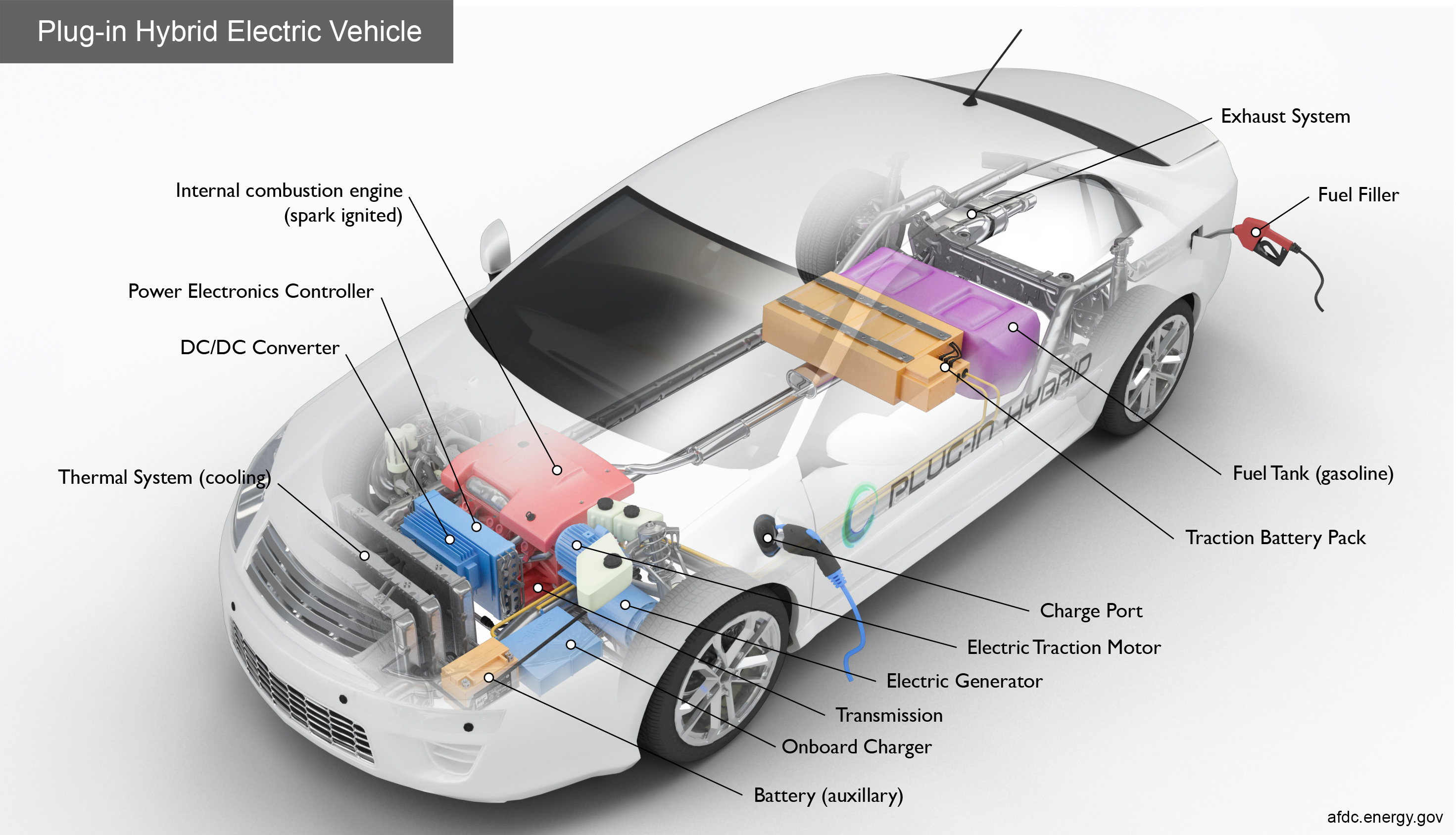
Credit: afdc.energy.gov
Hybrid Car Charging Basics
Hybrid cars combine two types of power to move your vehicle. They use a gasoline engine and an electric motor. This mix helps save fuel and reduce pollution. Understanding how hybrid cars charge is simple and useful. It explains how energy flows in these cars.
Charging a hybrid car depends on its design and battery type. Not all hybrids charge the same way. Some need external power sources, while others recharge themselves. Learning the basics helps you use your hybrid car better.
Types Of Hybrid Cars
There are three main types of hybrid cars. First, mild hybrids use a small electric motor. This motor supports the gasoline engine but does not drive the car alone. Second, full hybrids can run on the electric motor only, gasoline only, or both together. Third, plug-in hybrids have larger batteries. They can charge using an external power source like a wall outlet.
Power Sources Explained
Hybrid cars have two power sources. The gasoline engine uses fuel to create power. The electric motor uses electricity stored in the battery. The battery stores energy from braking or charging. It sends power to the motor to help move the car. This system saves fuel and reduces emissions.
Charging Methods Overview
Mild and full hybrids charge their batteries using energy from the engine and braking. This process is called regenerative braking. It captures energy that usually gets lost. Plug-in hybrids can also charge from an external source. You can plug them into a home outlet or public charger. Charging time depends on the battery size and charger type.
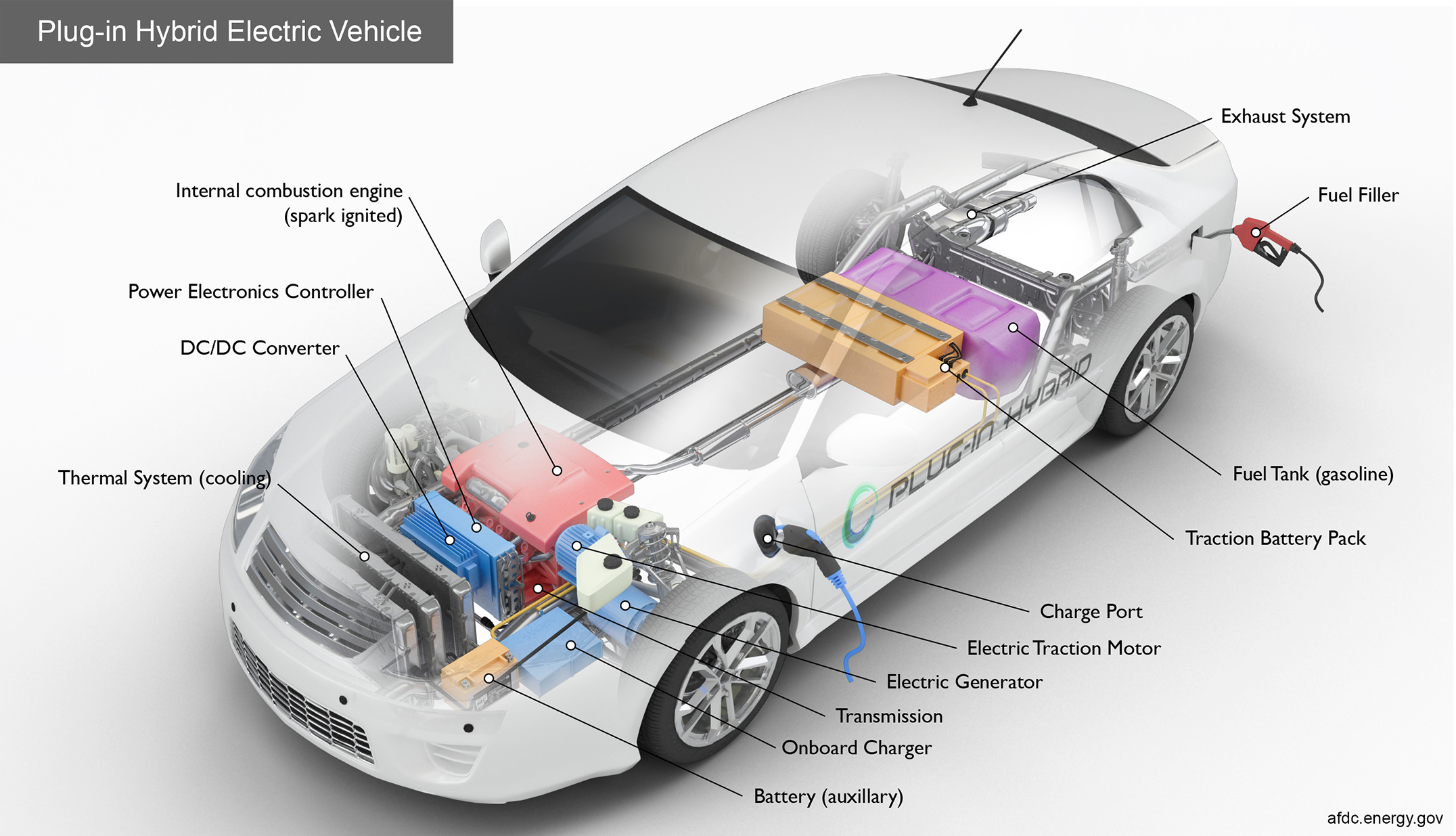
Credit: afdc.energy.gov
Regenerative Braking
Regenerative braking is a key feature in hybrid cars that helps save energy. It captures energy usually lost during braking and uses it to recharge the battery. This process improves fuel efficiency and extends the car’s driving range without needing to plug in.
How Energy Is Recovered
When you press the brake, the car slows down, and the wheels turn slower. Instead of wasting this energy as heat, the motor works as a generator. It changes the car’s movement into electrical energy. This energy goes back to the battery for storage.
Benefits For Battery Life
Regenerative braking reduces the need for the engine to charge the battery. This means the battery charges more smoothly and often. It avoids deep discharges and frequent full charges, which can wear the battery out faster. The battery lasts longer and stays healthier.
Efficiency Factors
The amount of energy recovered depends on driving style. Frequent braking recovers more energy. City driving with stop-and-go traffic benefits the most. Also, the system works best in moderate temperatures. Extreme heat or cold can lower its efficiency.
Plug-in Charging Options
Plug-in hybrid cars need electricity to recharge their batteries. This electricity comes from different charging options. Understanding these options helps you choose the best way to keep your car powered. Charging can be done at home or at public stations. Each method has its own benefits and speed.
Home Charging Setup
Most people charge their plug-in hybrids at home. You can use a regular wall outlet or install a special charging station. A dedicated charger gives faster charging times. It connects easily to your car’s charging port. Charging at home is simple and convenient. You can charge overnight and start the day with a full battery.
Public Charging Stations
Public chargers are found in many places like parking lots and shopping centers. They offer a chance to recharge while you shop or work. Some stations provide faster charging than home setups. Many apps help find nearby public chargers. Using these stations extends your car’s electric range during trips.
Charging Time And Speed
Charging speed depends on the power source and charger type. Home outlets usually take longer to charge. Dedicated home chargers reduce charging time significantly. Public fast chargers can fill the battery in less than an hour. Knowing charging times helps plan your trips better. It also ensures your car is ready when you need it.
Battery Management Systems
The Battery Management System (BMS) is the heart of a hybrid car’s battery. It controls how the battery charges and discharges. The BMS keeps the battery safe and healthy while the car runs. It ensures the battery lasts longer and works efficiently.
This system balances power and protects the battery from damage. It constantly checks the battery’s condition. The BMS helps the car use energy wisely, saving fuel and reducing emissions.
Monitoring Battery Health
The BMS tracks the battery’s voltage, temperature, and current. It detects problems early to avoid breakdowns. Sensors send data to the BMS every second. This helps keep the battery within safe limits. Healthy batteries perform better and last longer.
Optimizing Charge Cycles
The BMS controls how the battery charges and discharges. It prevents overcharging and deep discharging. This protects the battery from damage. The system adjusts the charge speed based on conditions. Proper charge cycles extend battery life and improve efficiency.
Safety Features
The BMS includes many safety measures to protect the battery. It stops charging if the battery overheats. The system prevents short circuits and electrical faults. It also isolates faulty battery cells to avoid risks. These features keep the car and passengers safe.
Maximizing Charging Efficiency
Maximizing charging efficiency in hybrid cars helps save time and energy. Efficient charging extends battery life and reduces fuel use. Understanding how to charge properly benefits both drivers and the environment.
Best Practices For Drivers
Charge your hybrid car regularly, not only when the battery is empty. Use the recommended charger and follow the manufacturer’s instructions. Avoid frequent quick charging as it can wear out the battery faster. Park in a shaded area to keep the battery cool during charging. Turn off all electronics to prevent draining the battery while charging.
Environmental Conditions Impact
Temperature affects battery charging speed and efficiency. Cold weather slows down the charging process and lowers battery capacity. Hot weather can cause the battery to overheat, reducing its life. Charging indoors or in a garage protects the battery from extreme weather. Monitoring weather conditions helps plan the best charging times.
Technology Advances
New hybrid cars come with smart charging systems. These systems adjust power to protect the battery and improve efficiency. Regenerative braking technology recovers energy while driving. Battery management software optimizes charging cycles for longer battery life. Future updates may enable faster and safer charging methods.
Future Trends In Hybrid Charging
The future of hybrid car charging is full of exciting changes. These changes aim to make charging easier, faster, and more eco-friendly. Advances in technology will help hybrid cars become more practical for everyday use.
Charging methods will evolve beyond simple plugs. Batteries will improve in capacity and speed. Renewable energy will play a bigger role in powering these vehicles. These trends will shape how we use hybrid cars in the coming years.
Wireless Charging
Wireless charging uses magnetic fields to send power without cables. You park your car over a special pad, and it starts charging automatically. This method is very convenient and reduces wear on charging ports. It will soon become common in homes and public spots. Wireless charging helps make hybrid cars easier to use daily.
Improved Battery Technologies
New battery designs offer longer life and faster charging. Solid-state batteries are lighter and safer than current lithium-ion types. These batteries hold more energy, so cars can drive farther. Faster charging means less waiting time. Better batteries also reduce environmental impact over time.
Integration With Renewable Energy
Hybrid cars will connect more with solar and wind power. Home solar panels can charge the car directly. This lowers electricity costs and cuts carbon emissions. Charging stations will also use green energy sources. This trend supports a cleaner and more sustainable future for hybrid vehicles.
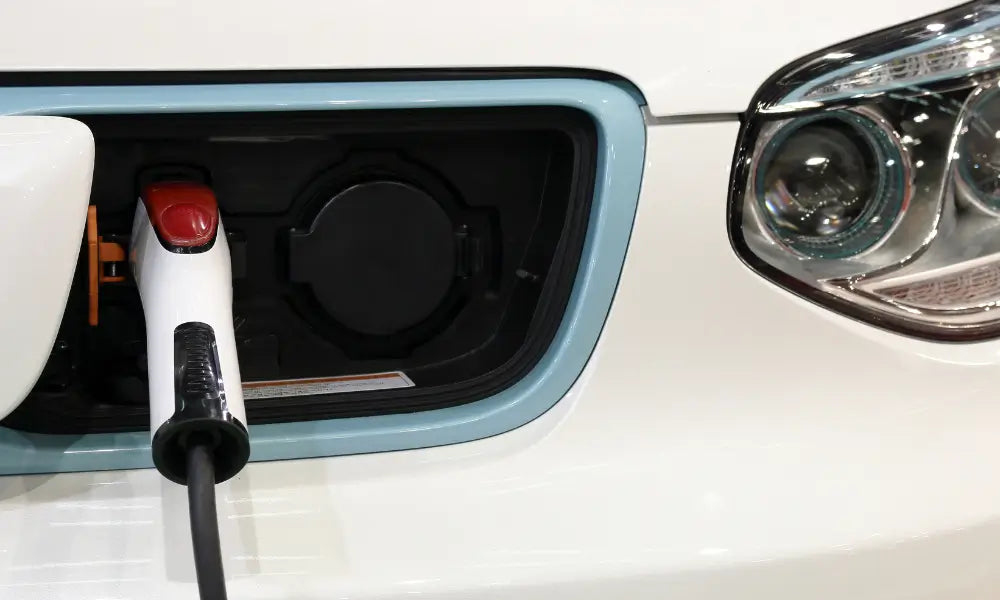
Credit: store.autelenergy.com
Frequently Asked Questions
How Do Hybrid Cars Recharge Their Batteries?
Hybrid cars recharge their batteries through regenerative braking and the internal combustion engine. Regenerative braking captures energy when slowing down. The engine also charges the battery during driving, ensuring efficient power use without needing external charging.
Can Hybrid Cars Be Charged Like Electric Vehicles?
Most hybrids do not require external charging. They recharge automatically using the engine and braking energy. However, plug-in hybrids can be charged via an external power source, combining electric-only driving with hybrid efficiency.
What Is Regenerative Braking In Hybrid Cars?
Regenerative braking is a system that recovers energy when the car slows down. This energy converts into electricity, recharging the hybrid battery. It improves fuel efficiency and reduces wear on traditional brakes.
Do Hybrid Cars Need Charging Stations?
Standard hybrids do not need charging stations as they recharge themselves. Plug-in hybrids, however, require charging stations or home chargers to replenish their larger batteries fully.
Conclusion
Hybrid cars charge in simple, smart ways. They use both the engine and brakes to keep the battery full. This means less need for plugs or stations. The system saves energy and helps you drive longer. Knowing how it works can help you use your car better.
Hybrid cars offer a smooth, efficient ride every day. Understanding their charging helps you enjoy these benefits with ease.

