
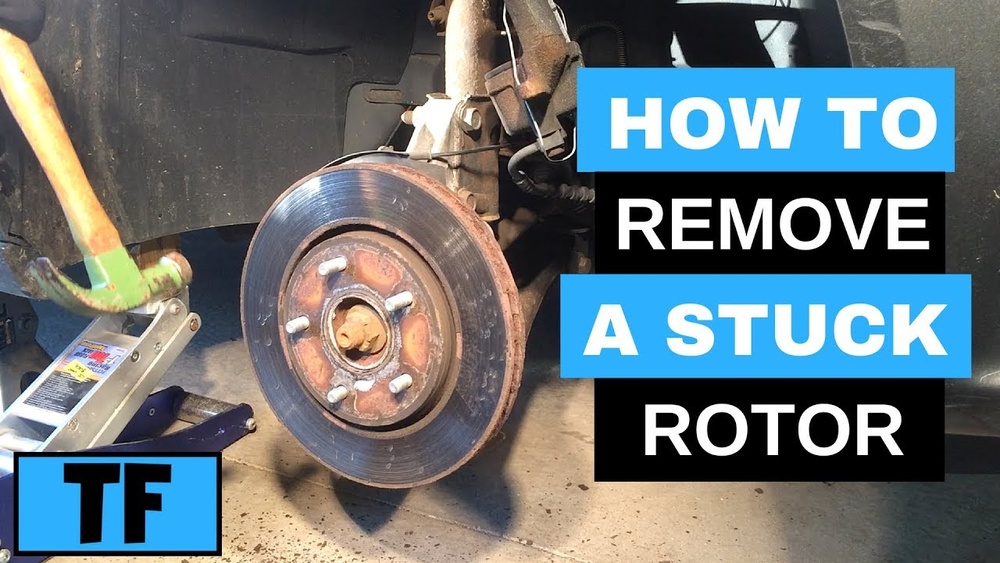
Are your brakes making strange noises or not working as smoothly as before? Rusty brake rotors could be the culprit.
If you’ve noticed a rough feeling when you press the brake pedal or see visible rust on your rotors, it’s time to take action. You might think fixing this problem is complicated or expensive, but removing rusty brake rotors yourself can save you time and money.
In this guide, you’ll discover simple, step-by-step tips to get your rotors clean and working like new again. Keep reading—your safety and your car’s performance depend on it.
Causes Of Rusty Brake Rotors
Rusty brake rotors cause many car problems. They reduce braking power and make noise. Knowing why rust forms helps prevent damage and keeps brakes safe.
Exposure To Moisture
Brake rotors are made of metal. Metal reacts with water and air. This reaction causes rust to form. Rain, snow, and humidity add moisture. Even washing the car can leave water on rotors. This moisture starts the rusting process quickly.
Vehicle Inactivity
Cars not driven often face more rust. Rotors stay wet longer without use. No movement means no friction to clean rust away. Sitting still in a garage or driveway allows rust to build up. Regular driving helps keep rotors dry and clean.
Environmental Factors
Salt on roads speeds up rusting. Coastal areas with salty air cause rust faster. Dust and dirt also stick to rotors. These particles trap moisture and worsen rust. Harsh weather conditions increase the chance of rotor damage.
Credit: www.drbeasleys.com
Signs Of Rusty Brake Rotors
Rusty brake rotors can cause serious problems for your vehicle’s safety. Recognizing the signs early helps you fix the issue before it worsens. Rust affects how your brakes work and can lead to costly repairs.
Check your brakes regularly. Notice any unusual sounds or changes in braking power. Look closely at the rotors for rust or corrosion. These signs indicate that your brake rotors need attention.
Squeaking Or Grinding Noises
Squeaking sounds when braking often mean rust on the rotors. The brake pads scrape against the rusty surface, causing noise. Grinding noises are worse. They suggest the rust has worn down the rotors or pads.
Reduced Braking Performance
Rusty rotors reduce the ability to stop quickly. Your car may take longer to slow down or stop. This happens because rust creates uneven surfaces on the rotors. It lowers the contact between pads and rotors, cutting braking power.
Visible Rust And Corrosion
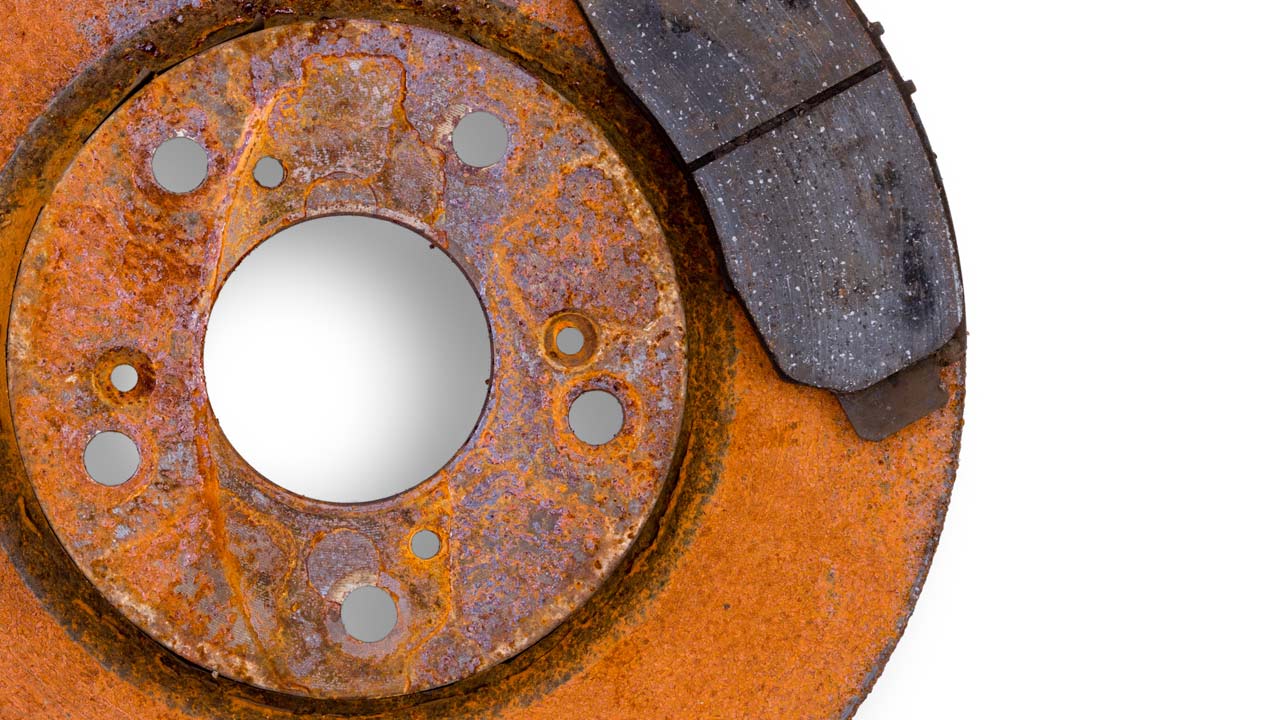
Rust often appears as orange or brown spots on the rotors. Corrosion can look flaky or rough. Sometimes, the rust layer is thick and uneven. This visible damage shows the rotors need cleaning or replacement.
Tools Needed For Rust Removal
Removing rust from brake rotors requires the right tools. These tools make the job easier and safer. Having the proper equipment helps you clean the rust thoroughly. This section covers the key tools needed for rust removal.
Basic Hand Tools
You need some simple hand tools to start. A wire brush helps scrub away loose rust. A socket wrench removes the wheel and rotor bolts. A hammer can tap stuck parts gently. A scraper or putty knife removes thick rust layers. These tools are easy to find and use.
Rust Removal Products
Rust remover solutions dissolve rust quickly. Use a spray or gel made for metal. Sandpaper or abrasive pads smooth the rotor surface. A rust converter changes rust into a stable layer. These products improve the cleaning process and protect the metal.
Safety Equipment
Wear gloves to protect your hands from chemicals and sharp edges. Safety glasses shield your eyes from dust and debris. A dust mask stops you from breathing rust particles. Proper safety gear prevents injuries and keeps the work safe.

Credit: www.youtube.com
Preparation Before Removing Rust
Preparing to remove rust from brake rotors is a vital step. Proper preparation makes the process safer and easier. It also helps protect your vehicle and tools. Follow these basic steps before starting the rust removal.
Secure The Vehicle
Park the car on a flat surface. Apply the parking brake firmly. Use wheel chocks on the wheels that will stay on the ground. This stops the car from moving. Safety comes first before any work under the car.
Remove The Wheel
Loosen the lug nuts with a wrench before lifting the car. Use a jack to raise the vehicle. Place jack stands under the frame for support. Remove the lug nuts completely and take off the wheel. This gives clear access to the brake rotor.
Clean The Rotor Surface
Wipe the rotor with a dry cloth to remove loose dirt. Spray brake cleaner to remove grease and grime. Use a wire brush to scrub off flaky rust gently. Cleaning helps see the rotor’s condition clearly. It prepares the surface for effective rust removal.
Step-by-step Rust Removal Process
Removing rust from brake rotors is important for safe driving. Rust can cause noise, poor brake performance, and damage. Follow these steps to clean rust off your brake rotors carefully. The process uses simple tools and materials. Each step helps restore the rotor’s surface for better braking.
Manual Cleaning Techniques
Start by removing loose rust with a wire brush. Use firm, circular motions across the rotor surface. A wire wheel on a drill can speed this up. Clean off dust and debris with a cloth afterward. Avoid hard scrubbing to prevent rotor damage.
Using Chemical Rust Removers
Apply a rust remover gel or spray for tough rust spots. Follow product instructions carefully for safety. Let the chemical sit for the recommended time. Use a clean cloth to wipe away rust and residue. Rinse the rotor with water and dry it completely.
Sanding And Polishing The Rotors
Use fine-grit sandpaper to smooth the rotor surface gently. Sand in a circular motion to remove remaining rust. After sanding, polish the rotor with a metal polish. This step helps restore a smooth finish and prevents future rust. Wipe clean and allow the rotor to dry fully before use.
Reinstallation And Testing
After removing and cleaning rusty brake rotors, reinstallation and testing are crucial. Proper steps ensure your brakes work safely and smoothly. Take time to follow each step carefully. This prevents future problems and keeps your vehicle safe on the road.
Reattaching The Wheel
Start by putting the wheel back on the hub. Align the holes with the lug bolts. Hand-tighten the lug nuts to hold the wheel in place. Lower the car slightly so the wheel touches the ground. Use a wrench to tighten the lug nuts in a star pattern. This spreads the pressure evenly. Tighten the nuts firmly but avoid over-tightening. Proper torque keeps the wheel secure and prevents damage.
Brake System Inspection
Check the brake pads for wear and damage. Look for any leaks in brake lines or calipers. Ensure the brake fluid level is correct. Clean any dust or debris around the brake parts. Spin the wheel by hand to feel for smooth rotation. Listen for strange noises or rough spots. Fix any problems before testing the brakes on the road.
Test Driving Tips
Drive slowly at first to test the brakes. Press the brake pedal gently to check response. Listen for any unusual sounds or vibrations. Test braking from low speeds to higher speeds. Stop smoothly and steadily to feel brake power. Repeat several times to build confidence. If brakes feel weak or noisy, stop and inspect again.
Preventing Future Rust Build-up
Rust on brake rotors can reduce your vehicle’s safety and performance. Preventing rust build-up is key to keeping your brakes working well. It also helps save money by avoiding frequent replacements. Simple habits and care can stop rust from forming again.
Regular Vehicle Use
Driving your car often helps keep rotors dry and clean. Brake rotors stay free of rust when used regularly. Short trips or leaving the car idle for days cause moisture to build up. This moisture leads to rust formation on the metal surface. Try to drive at least a few times a week. This practice keeps the rotors in good shape and rust-free.
Protective Coatings
Applying a protective coating can shield rotors from moisture. Use special brake rotor sprays or rust inhibitors made for vehicles. These products form a thin layer that blocks water and air. Be sure to choose coatings safe for brake parts. Avoid over-applying. Follow product instructions carefully for the best results. Protective coatings extend the life of your rotors and prevent rust.
Routine Maintenance
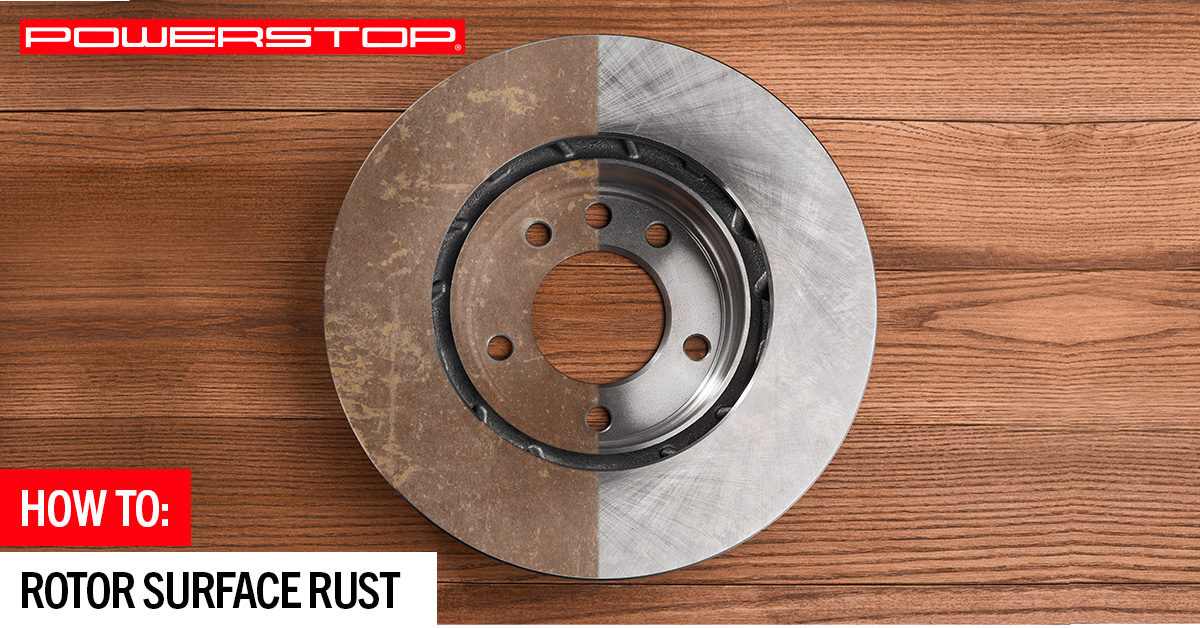
Check your brake rotors regularly for any signs of rust. Clean them gently using a wire brush or sandpaper if rust appears. Replace brake pads on time to avoid rotor damage. Keep an eye on brake fluid and brake system health. Routine maintenance helps catch rust early and stops it from spreading. Schedule professional brake inspections every year or as recommended.
Credit: www.powerstop.com
Frequently Asked Questions
How Do I Safely Remove Rusty Brake Rotors?
First, lift the vehicle and remove the wheel. Then, unbolt the caliper and bracket. Finally, slide off the rusty rotor carefully. Use protective gear and ensure the car is stable before starting.
What Tools Are Needed To Remove Rusty Brake Rotors?
You will need a jack, lug wrench, socket set, breaker bar, and a hammer. Also, use penetrating oil to loosen rusted bolts. Having these tools makes the process safer and easier.
Can I Clean Rusty Brake Rotors Instead Of Removing Them?
Light surface rust can be cleaned with sandpaper or a wire brush. However, heavy rust requires rotor removal and replacement. Clean rotors improve braking safety and performance.
How Often Should Brake Rotors Be Inspected For Rust?
Inspect brake rotors every 6 months or during routine brake checks. Early detection prevents severe rust damage and costly repairs. Regular inspections ensure safe and smooth braking.
Conclusion
Rusty brake rotors can cause safety issues and noise. Removing rust helps your brakes work better and last longer. Use basic tools and simple steps for best results. Clean rotors improve your car’s performance and your peace of mind. Regular checks prevent rust from building up again.
Taking care of brake rotors saves money and time. Stay safe by keeping your brakes in good shape. Small efforts lead to smoother, safer rides every day.


