

Is your rear brake rotor stuck and refusing to budge? This common problem can be frustrating and slow down your repair work.
But don’t worry—you’re not alone, and there’s a way to fix it. In this guide, you’ll discover simple, effective steps to safely remove a stuck rear brake rotor. Whether you’re a beginner or have some experience, these tips will save you time and effort.
Keep reading, and you’ll have your rotor free in no time.
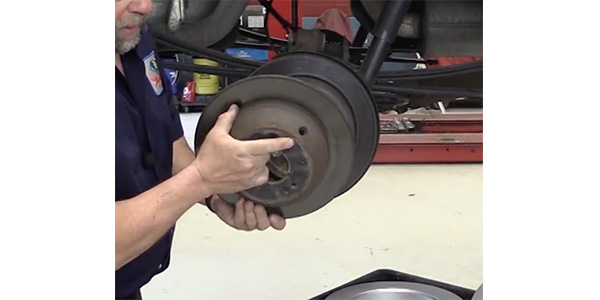
Credit: www.brakeandfrontend.com
Signs Of A Stuck Rear Brake Rotor
Knowing the signs of a stuck rear brake rotor helps prevent bigger car problems. It keeps your brakes working well and safe. Noticing these signs early saves time and money on repairs.
Common Symptoms
The car feels different when driving. It may pull to one side. The brake pedal might be hard or soft. Strange noises like squealing or grinding can happen. The wheel may stay hot after driving. The car might shake or vibrate when braking. Sometimes, the brakes feel less responsive.
Potential Causes
Rust or corrosion can make the rotor stick. Dirt and debris build-up also cause problems. Brake calipers might not release fully. Worn brake pads can create extra pressure. Old or dry brake fluid affects brake parts. Poor maintenance leads to stuck rotors.
Tools Needed For Removal
Removing a stuck rear brake rotor requires the right tools. Using proper tools makes the job easier and safer. Here are the tools you need to get started.
Basic Hand Tools
You will need a set of wrenches and sockets. These help remove bolts holding the rotor and caliper. A hammer or rubber mallet is useful for tapping the rotor loose. Screwdrivers can help pry off any stuck parts gently. A jack and jack stands keep the vehicle safe and raised. Gloves protect your hands from dirt and sharp edges.
Specialized Equipment
Sometimes, the rotor is very stuck and needs special tools. A slide hammer pulls the rotor off without damage. A brake caliper tool can compress the piston for easier removal. Penetrating oil loosens rust and corrosion around the rotor. A torque wrench ensures bolts tighten to the right level when reassembling.
Safety Precautions
Safety is the top priority before removing a stuck rear brake rotor. Taking proper precautions protects you from injury and prevents damage to the vehicle. Prepare your workspace and gear carefully for a safe task.
Protective Gear
Wear safety glasses to protect your eyes from dust and debris. Use gloves to guard your hands against sharp edges and hot parts. Long sleeves and closed shoes add extra protection during the job. Proper gear reduces the risk of cuts, burns, and other injuries.
Vehicle Stability
Ensure the vehicle is on a flat, stable surface. Use wheel chocks to stop the vehicle from moving. Always support the car with sturdy jack stands, never rely on the jack alone. Check the car’s balance before working underneath it. Stable support prevents accidents and keeps you safe.

Credit: www.youtube.com
Preparation Steps
Before removing a stuck rear brake rotor, some key preparation steps are crucial. These steps help ensure safety and make the process smoother. Proper preparation saves time and effort during the job.
Start by securing the vehicle and gathering the right tools. This prevents accidents and keeps everything organized. Follow these steps carefully to get ready for removing the rotor.
Loosening Lug Nuts
Begin by loosening the lug nuts on the rear wheel. Use a lug wrench to turn the nuts counterclockwise. Do this while the vehicle is still on the ground. Loosening nuts first makes it easier to remove the wheel later.
Do not remove the nuts completely yet. Just break their tight hold. This step helps keep the wheel stable when lifting the vehicle.
Lifting The Vehicle
Place a jack under the vehicle’s recommended lift point. Slowly raise the vehicle until the wheel is off the ground. Use jack stands to support the vehicle securely. Never rely only on the jack for support.
Check that the vehicle is stable before removing the lug nuts and wheel. Safety is the top priority during this step. A stable vehicle prevents accidents and injury.
Methods To Loosen The Rotor
Removing a stuck rear brake rotor can be tough without the right methods. Rotors often seize due to rust, dirt, or tight fittings. Knowing how to loosen them makes the job easier and faster. Below are four effective methods that work well for most vehicles.
Using Penetrating Oil
Start by spraying penetrating oil on the rotor hub and bolts. Let it sit for at least 10 minutes. The oil seeps into rusted areas and loosens the metal parts. This reduces friction and helps the rotor come off smoothly. Repeat if needed before trying to remove the rotor.
Tapping With A Hammer
Gently tap the rotor’s edge with a hammer to break rust bonds. Use light, controlled hits to avoid damage. A rubber mallet works best to protect the rotor surface. This method vibrates the stuck parts and can free the rotor from the hub.
Applying Heat
Heat expands metal and can loosen stuck rotors. Use a heat gun or propane torch carefully around the rotor center. Heat for a few minutes, then try to remove the rotor. Avoid overheating or direct flame contact with brake parts to prevent damage.
Leveraging A Puller Tool
A puller tool applies even force to pull the rotor off. Attach it to the rotor and tighten the center screw. This pressure helps separate the rotor from the hub. Pullers work well when other methods don’t loosen the rotor. Use with care to avoid bending parts.
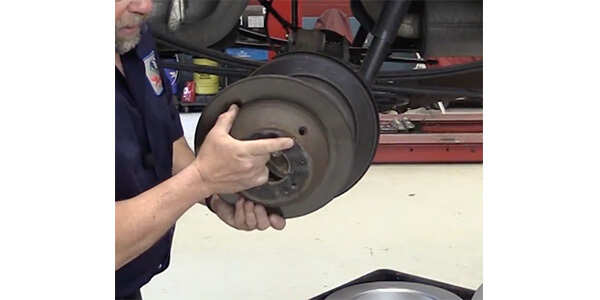
Credit: www.brakeandfrontend.com
Removing The Rotor
Removing the rear brake rotor can be tricky when it gets stuck. Rust and dirt often hold it tight against the hub. Taking your time and using the right tools helps avoid damage. Follow clear steps to safely remove the rotor without extra force.
Final Detachment
After loosening bolts and cleaning the hub, try to pull the rotor straight off. Use both hands to pull evenly. Wiggle it gently if it feels stuck. Avoid hitting the rotor with hard tools to prevent damage. Sometimes, a little tapping with a rubber mallet helps loosen it.
Dealing With Persistent Stuck Rotors
Stubborn rotors need extra care. Spray rust penetrant around the hub and let it sit for 10 minutes. Use a flat pry bar carefully between the rotor and hub. Work around the rotor in several spots to loosen it evenly. Heat from a heat gun also expands metal and can free the rotor. Avoid using an open flame for safety.
Preventing Future Stuck Rotors
Preventing stuck rear brake rotors saves time and repair costs. It keeps brakes working smoothly and safely. A few simple steps help avoid rust and damage that cause rotors to stick. Regular care protects your vehicle and improves brake life.
Regular Maintenance Tips
Check brake rotors often for rust and dirt. Clean the rotors with a wire brush or brake cleaner. Remove debris that can cause the rotor to stick. Inspect brake pads and replace them if worn out. Tighten all bolts to the correct torque. Drive the car regularly to prevent moisture build-up. Avoid parking the car in wet or damp places for long times.
Protective Coatings And Lubricants
Use anti-seize lubricant on rotor hubs and bolts. This stops rust from forming between parts. Apply a thin layer of brake grease on contact points. Avoid getting grease on the rotor surface or brake pads. Consider rust-resistant coatings designed for brake parts. These coatings protect metal from moisture and salt. Always follow product instructions for best results.
Frequently Asked Questions
How Do I Safely Remove A Stuck Rear Brake Rotor?
To safely remove a stuck rotor, first loosen wheel lug nuts. Then, use penetrating oil on rusted areas. Gently tap the rotor with a rubber mallet to loosen it. Avoid excessive force to prevent damage. Always wear safety gear during the process.
What Tools Are Needed To Remove A Stuck Rear Brake Rotor?
You need a lug wrench, penetrating oil, rubber mallet, and a socket set. A pry bar may help if the rotor is very tight. Additionally, safety gloves and eye protection are essential for safe removal.
Why Does The Rear Brake Rotor Get Stuck?
Rotors get stuck due to rust, corrosion, or debris buildup. Moisture causes metal parts to bind over time. Lack of regular maintenance also contributes to rotor sticking. Removing rust and cleaning parts can prevent this issue.
Can Heat Help In Removing A Stuck Rear Brake Rotor?
Yes, applying moderate heat with a heat gun can expand the rotor slightly. This helps break rust bonds. Avoid using an open flame to prevent damage. Always allow the rotor to cool before handling.
Conclusion
Removing a stuck rear brake rotor can feel tough but is doable. Use the right tools and take your time. Apply heat carefully and tap gently to loosen it. Clean parts well before reassembling for smooth brakes. Regular maintenance helps avoid this problem later.
Stay safe and work patiently for the best results.


