Have you ever wondered how to remove vinyl wrap from your vehicle without causing damage or stress? Whether you’re updating your car’s look or getting ready to sell, taking off a vinyl wrap can seem tricky.
But don’t worry—you’re about to discover simple, step-by-step tips that make the process smooth and hassle-free. Keep reading, and you’ll learn how to protect your vehicle’s paint and save time, so your car looks great and you feel confident every step of the way.
Credit: vvividshop.com
Tools And Materials Needed
Removing vinyl wrap from a vehicle needs the right tools and materials. These items make the process easier and safer for your car’s paint. Having everything ready saves time and avoids frustration.
Each tool has a specific role. Some help peel the vinyl, while others clean the surface afterward. Using the right products protects your vehicle from damage.
Heat Gun Or Hair Dryer
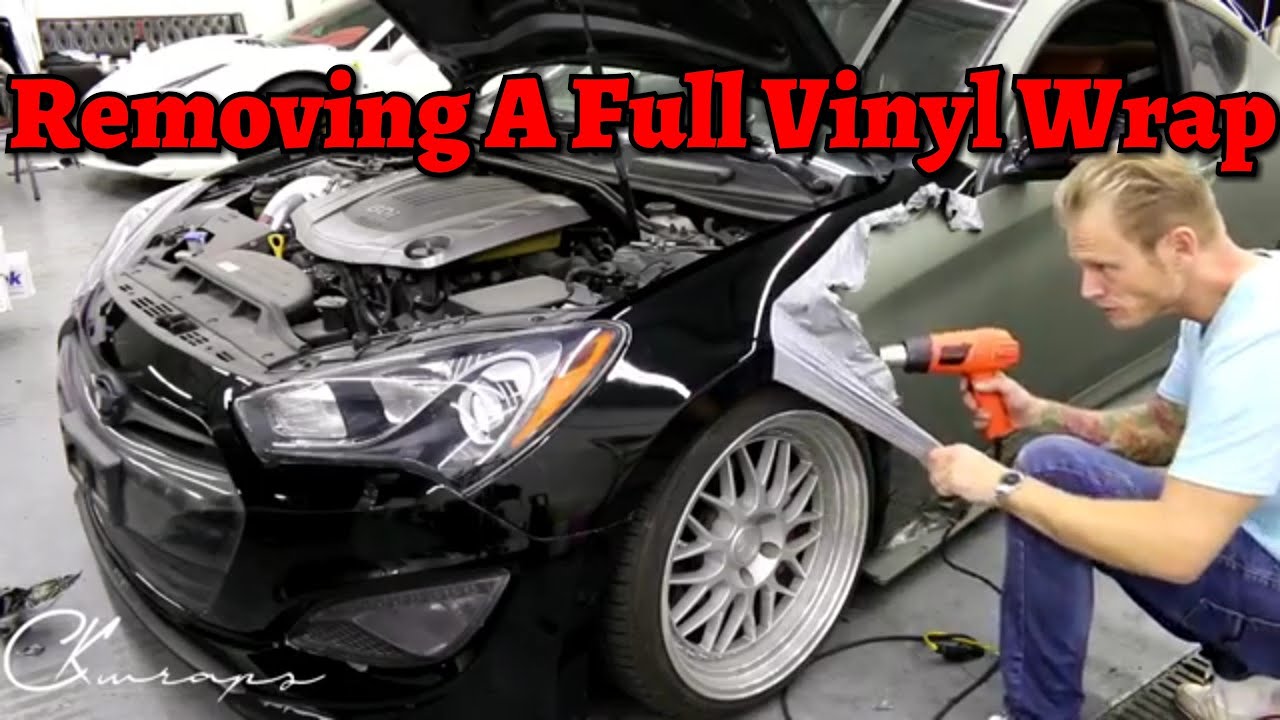
A heat gun or hair dryer softens the vinyl adhesive. Warm vinyl peels off smoothly and without leaving residue. Use medium heat to avoid overheating the paint.
Plastic Scraper Or Squeegee
A plastic scraper helps lift vinyl edges gently. It does not scratch the car’s surface. Avoid metal tools as they can cause damage.
Adhesive Remover
An adhesive remover cleans leftover glue after peeling. Choose a product safe for automotive paint. Apply it with a soft cloth for best results.
Microfiber Cloths
Microfiber cloths wipe away residue without scratching. They work well with adhesive removers and water. Use clean cloths to prevent dirt marks.
Gloves
Gloves protect your hands from heat and chemicals. Use disposable or work gloves to stay safe. They also keep your hands clean during the job.
Credit: www.youtube.com
Preparing The Vehicle
Preparing your vehicle properly makes vinyl wrap removal easier and safer. This step protects the car’s paint and prevents damage during the process. Taking time to prepare ensures a smooth and clean removal.
Clean The Surface
Start by washing the vehicle thoroughly. Dirt and dust can scratch the paint during removal. Use soap and water to clean all wrapped areas. Dry the surface completely with a soft cloth. A clean surface helps the vinyl peel off smoothly.
Choose The Right Environment
Work in a shaded, cool area to avoid direct sunlight. Heat can make the vinyl sticky and harder to remove. Avoid windy places to keep dust away from the car. A calm, clean environment protects the vehicle and makes the task easier.
Heating The Vinyl Wrap
Heating the vinyl wrap is a key step in its removal. Heat softens the adhesive under the vinyl. This makes the wrap easier to peel off without damaging the paint. Using the right heat source and method protects your vehicle. It also saves time and effort. Careful heating helps keep the vinyl intact for reuse if needed.
Use A Heat Gun Safely
A heat gun is the best tool for heating vinyl wrap. Hold the gun 6 to 8 inches away from the surface. Keep the gun moving in slow, steady motions. Focus on small sections at a time. Avoid staying in one spot too long. Use a medium heat setting to start. This prevents sudden damage to the vinyl or paint.
Wear heat-resistant gloves to protect your hands. Make sure the area is well-ventilated. Keep children and pets away during the process. Turn off the heat gun when not in use. Always follow the manufacturer’s instructions for safe operation.
Avoid Overheating
Overheating can cause the vinyl wrap to stretch or burn. It can also damage the vehicle’s paint underneath. Watch for signs of overheating, like bubbling or discoloration. If the vinyl feels too hot to touch, cool it down immediately. Do not use a flame or very hot tools.
Heat in short bursts and check the vinyl often. If the wrap becomes too soft, pause and let it cool. This keeps the vinyl stable and easier to peel. Proper temperature control improves the quality of removal and protects your car’s finish.
Peeling Off The Vinyl
Removing vinyl wrap from a vehicle can seem tricky at first. Peeling off the vinyl carefully helps protect your car’s paint. Doing it right makes the process smooth and clean.
Take your time to peel slowly. This avoids tearing the vinyl and leaving sticky residue behind. Use gentle force to keep the surface safe and intact.
Start From The Edges
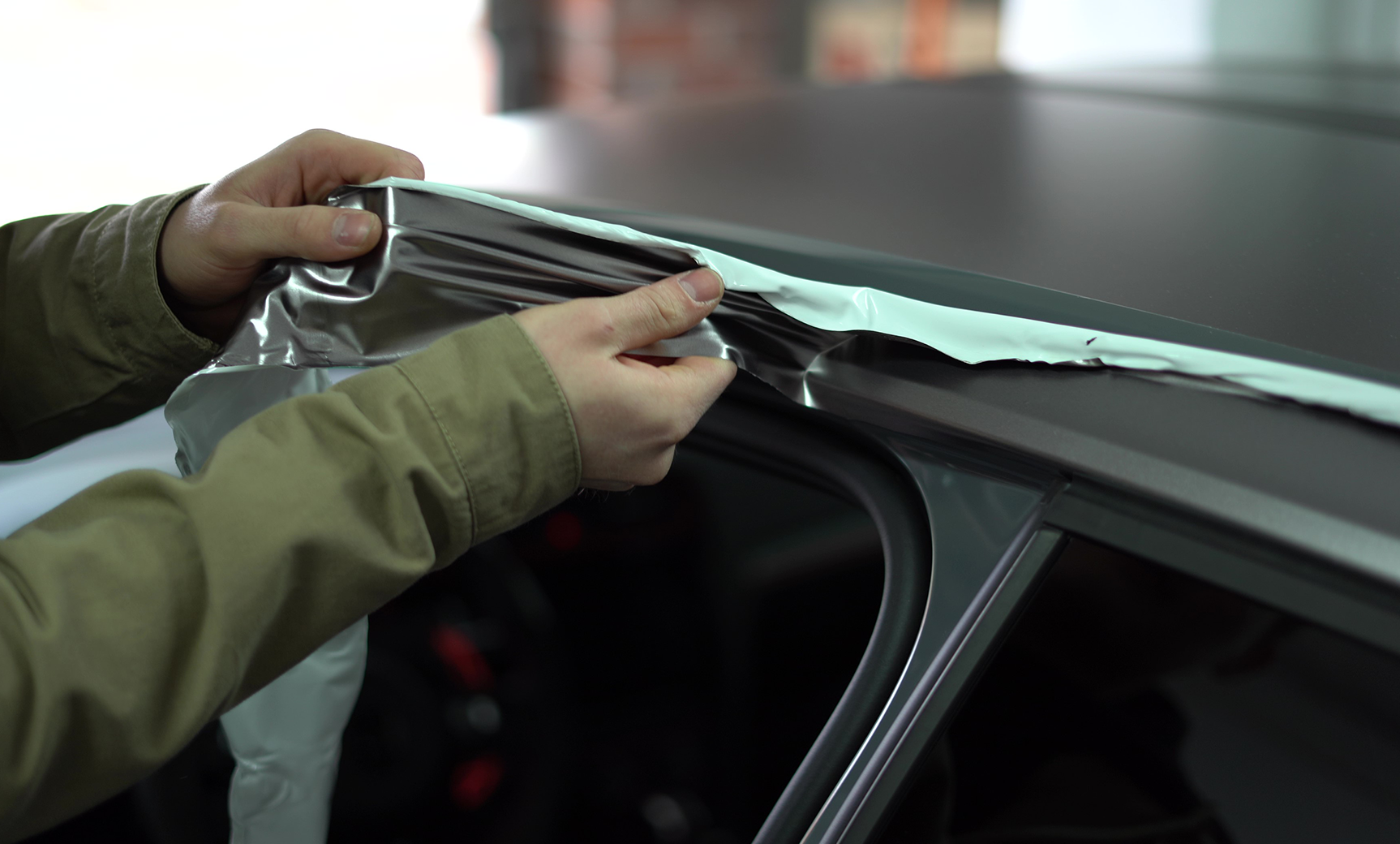
Locate a corner or edge of the vinyl wrap. This is the easiest place to begin peeling. Use your fingers or a plastic tool to lift the edge gently.
Work slowly to avoid ripping the vinyl. If it feels stuck, warm the area with a heat gun or hair dryer. Heat softens the adhesive and makes peeling easier.
Pull At The Right Angle
Hold the vinyl close to the surface. Pull it back at a low angle, almost flat against the car. This reduces stress on the paint and vinyl.
Pull steadily and slowly. Fast or sharp pulls can cause damage or leave residue. Keep the wrap moving to prevent adhesive from sticking too much.
Removing Adhesive Residue
After removing a vinyl wrap from your vehicle, sticky adhesive often remains on the surface. This residue can attract dirt and damage your paint if left untreated. Removing adhesive residue carefully is important to keep your vehicle looking clean and smooth. Use the right methods to clear the sticky spots without scratching or harming the paint.
Use Adhesive Remover
Adhesive removers are specially made for removing sticky residues. Choose a product safe for car paint. Apply a small amount on a soft cloth. Gently rub the adhesive area in circles. Let it sit for a few minutes to soften the glue. Wipe away with a clean cloth. Repeat if needed, but avoid harsh scrubbing. Always test on a small, hidden spot first to check for damage.
Alternative Household Solutions
Household items can also help remove adhesive residue. Warm soapy water is mild and effective for light stickiness. Use a soft cloth dipped in soapy water and rub gently. For tougher glue, try rubbing alcohol or white vinegar. Apply with a cloth and rub softly until the residue loosens. Avoid using sharp tools or abrasive cleaners. Rinse the area with water after treatment to protect the paint.
Cleaning And Polishing The Surface
After removing the vinyl wrap, the vehicle’s surface needs thorough cleaning and polishing. This step restores the original paint and protects it from damage. Dirt, adhesive residue, and small scratches may remain after the wrap comes off. Proper cleaning removes these and prepares the surface for waxing or polishing.
Wash With Soap And Water
Start by washing the vehicle with mild soap and water. Use a soft sponge or cloth to avoid scratching the paint. Rinse thoroughly to remove all soap and dirt. Dry the surface with a clean microfiber towel. This simple wash clears away dust and leftover adhesive bits. It also helps spot any areas needing extra attention before polishing.
Apply Wax Or Polish
Next, apply a quality wax or polish to the clean surface. Wax adds a protective layer that shines and guards the paint. Polish can remove minor scratches and restore the surface’s smoothness. Use a foam applicator or soft cloth to spread the product evenly. Work in small sections and follow the product’s instructions. Buff the surface gently with a clean towel until it shines. This step enhances the vehicle’s look and protects the paint for months.
Tips To Avoid Damage
Removing vinyl wrap from a vehicle needs care to keep the paint safe. The right steps help avoid scratches or peeling paint. Patience and gentle handling are key to a smooth process.
These tips focus on protecting your car’s surface while taking off the vinyl wrap.
Handle Paint With Care
Always test a small area first. This checks how the paint reacts to heat and tools. Use a heat gun on low setting to soften the vinyl. Keep the heat moving to avoid burning the paint. Pull the wrap slowly at a low angle to prevent paint lifting. Stop if you see any paint damage. Use a plastic scraper instead of metal tools to avoid scratches.
Work Slowly And Patiently
Remove the vinyl wrap in small sections. Rushing can cause tears or damage to the paint. Take breaks to avoid mistakes. Use gentle pressure when pulling the wrap. Patience helps keep the paint intact. Clean the surface with mild soap after removal to get rid of residue. This prevents damage from leftover adhesive.

Credit: www.youtube.com
Frequently Asked Questions
How Do I Safely Remove Vinyl Wrap From My Vehicle?
To safely remove vinyl wrap, heat the wrap with a heat gun or hairdryer. Peel slowly at a 45-degree angle. Use adhesive remover to clean residue. Avoid sharp tools to prevent paint damage.
What Tools Are Needed To Remove Vinyl Wrap From Cars?
Essential tools include a heat gun, plastic scraper, microfiber cloth, and adhesive remover. These tools help loosen the wrap and clean adhesive without harming your vehicle’s paint.
How Long Does It Take To Remove Vehicle Vinyl Wrap?
Removing vinyl wrap usually takes 1 to 3 hours depending on vehicle size and wrap condition. Patience is key to avoid damaging the paint beneath the wrap.
Can Vinyl Wrap Removal Damage My Vehicle’s Paint?
Proper removal rarely damages paint if done carefully. Use heat and gentle peeling techniques. Avoid using metal tools or excessive force to protect your car’s finish.
Conclusion
Removing vinyl wrap from your vehicle takes patience and care. Use heat to soften the wrap and peel it slowly. Clean any leftover adhesive with a gentle remover. Avoid rushing to prevent paint damage. With the right steps, your car will look fresh again.
Take your time and follow these simple tips. Your vehicle deserves the best care possible.