

Have you ever spent hours waxing your car, only to find stubborn spots where the wax just won’t come off? It’s frustrating, right?
Removing wax from your car doesn’t have to be a headache. With the right steps, you can restore your car’s shine without damaging the paint. In this guide, you’ll learn simple and effective methods to get rid of wax safely and quickly.
Keep reading to discover how to make your car look flawless again.
Tools And Materials Needed
Removing wax from a car needs the right tools and materials. Using proper items helps protect the car’s paint. It also makes the job faster and easier. Gather everything before you start to avoid interruptions.
Essential Cleaning Supplies
Soft microfiber cloths are a must. They clean without scratching the paint. A bucket with warm water helps rinse off dirt. Use a gentle car wash soap to remove grime. Avoid harsh chemicals that can damage the surface.
Recommended Wax Removers
Special wax removers break down old wax safely. Look for products made for automotive use. Liquid or gel formulas work well. Test a small area first to check for reactions. Avoid household solvents that can harm the paint.
Protective Gear
Wear gloves to protect your hands from chemicals. Safety glasses keep your eyes safe from splashes. Use old clothes or a protective apron to avoid stains. Proper gear ensures a safe and smooth cleaning process.
Credit: www.autotrainingcentre.com
Identifying Wax Type
Removing wax from a car starts with knowing the type of wax on the surface. Different waxes need different care. Identifying the wax type helps pick the right removal method. This saves time and protects the car’s paint. Below are ways to identify the wax type before removing it.
Car Wax Vs. Sealant
Car wax is natural or synthetic and adds shine. It usually wears off faster and needs frequent reapplication. Sealants are synthetic and last longer. They form a harder, more durable layer on the paint. Sealants often have a slick, plastic-like feel. Car wax feels softer and more oily. Knowing this difference helps choose the right remover.
Checking Wax Thickness
Look closely at the wax layer on the car. Thick wax is easy to spot. It may appear cloudy or have a white residue. Thin wax layers are clearer and less visible. Use a microfiber cloth to wipe a small area. If wax comes off easily, it is thin. Thick wax needs stronger cleaners or multiple passes. This step helps avoid damage during removal.
Preparing The Car Surface
Preparing the car surface is the first step to remove wax safely. Clean and dry surfaces help remove wax better. Dirt or water can stop wax from coming off. Taking time to prepare keeps your car’s paint safe and smooth.
Washing And Drying
Start by washing the car with soap made for cars. Use a soft sponge or cloth. Rinse the car well with clean water. Make sure all dirt and grime are gone. Dry the car with a clean, soft towel. Avoid air drying. Water spots can form and make cleaning harder.
Avoiding Scratches
Use gentle tools to clean the car. Avoid rough brushes or dirty cloths. Dirt stuck in cloth can scratch paint. Rinse cloths often during washing. Work in straight lines, not circles. This reduces marks on the paint. Take care to protect your car’s finish.
Credit: www.torquedetail.com
Manual Wax Removal Methods
Removing wax from a car manually is simple and effective. It saves money and lets you control the process. These methods use basic tools and common products. You can do it at home without special equipment.
Using Clay Bar
A clay bar removes wax and contaminants from the car’s surface. Start by washing your car to remove dirt. Spray a clay lubricant on a small area. Gently rub the clay bar over the surface. The clay picks up wax and grime. Wipe the area with a clean microfiber cloth. Repeat for the entire car. The clay bar leaves the paint smooth and clean.
Applying Isopropyl Alcohol
Isopropyl alcohol breaks down wax and cleans the paint. Mix alcohol with water in a 1:1 ratio. Use a spray bottle to apply the solution. Spray a small section of the car’s surface. Wipe with a soft cloth in circular motions. The wax dissolves and lifts away. Rinse the area with water afterward. This method works fast and is easy to do. Avoid using high concentration alcohol to protect the paint.
Chemical Wax Removal
Chemical wax removal offers a quick way to strip wax from your car’s surface. It uses special solvents made for dissolving wax. This method works well when wax builds up or leaves streaks. Choosing the right chemical and applying it safely protects your car’s paint. Learn how to pick the best solvent and use it without harm.
Choosing The Right Solvent
Pick a solvent designed for automotive use. Avoid harsh chemicals like acetone or paint thinner. These can damage your car’s paint and clear coat. Look for products labeled as wax removers or adhesive removers. Test the solvent on a small, hidden area first. Check for any paint fading or damage before full use.
Safe Application Techniques
Work in a shaded, well-ventilated area to avoid fumes. Use a soft microfiber cloth to apply the solvent gently. Dab the solvent on the wax spots without scrubbing hard. Let it sit for a few seconds to dissolve the wax. Wipe away with a clean cloth, repeating if needed. Rinse the area with water afterward to remove chemical residue. Always wear gloves to protect your skin from irritation.
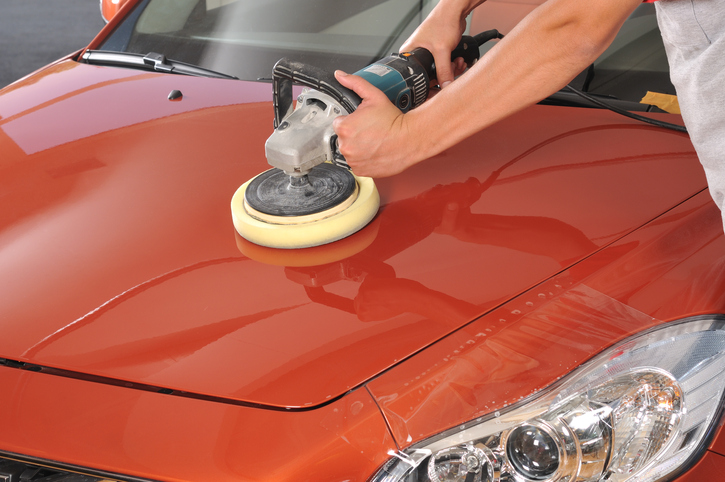
Using Polishing Tools
Using polishing tools can make wax removal from your car easier and faster. These tools help lift wax without damaging the paint. They provide a smooth finish and save effort compared to hand wiping. Choosing the right tool is important for good results.
Orbital Buffers
Orbital buffers spin in small circles to remove wax gently. They reduce the risk of scratching the paint. This tool works well on large areas like car doors and hoods. Use a slow speed setting to avoid heat build-up. Move the buffer steadily across the surface for even wax removal.
Microfiber Pads
Microfiber pads attach to polishing tools or can be used by hand. They trap wax and dirt effectively without scratching. These pads are soft and safe on all paint types. Clean the pads often to keep them working well. Microfiber pads help achieve a clear, shiny finish after wax removal.
Post-removal Care
After removing wax from your car, proper care keeps the surface smooth and clean. This step ensures no leftover wax damages the paint. It also prepares the car for a fresh protective layer. Taking time now helps your car look great longer.
Inspecting For Residue
Check your car’s surface closely for any wax spots left behind. Use a soft cloth to wipe the area gently. Look under sunlight to spot any shiny or sticky patches. Remove all residue to avoid dullness or streaks later.
Reapplying Protective Coating
Apply a new layer of protective coating after cleaning off old wax. Choose a product that fits your car’s paint type. Spread it evenly with a clean applicator or cloth. Let it dry fully to guard your car against dirt and weather.
Common Mistakes To Avoid
Removing wax from a car seems easy but many make common mistakes. These errors can damage the paint or leave wax residue behind. Avoiding these mistakes saves time and keeps your car looking great.
Overusing Chemicals
Using too many chemicals can harm your car’s paint. Strong solvents remove wax fast but also strip protective layers. Always use the right amount of product. Follow instructions carefully to avoid damage. Use gentle cleaners designed for cars whenever possible.
Skipping Surface Prep
Cleaning the car before removing wax is crucial. Dirt and dust can scratch the paint if not removed first. Wash the car thoroughly and dry it well. A clean surface allows wax removers to work better. Never try to remove wax on a dirty or wet car.
Maintaining A Wax-free Finish
Keeping your car free from wax build-up helps maintain a clean, smooth finish. A wax-free surface allows you to see the true color and shine of your paint. It also makes cleaning easier and prevents dirt from sticking too much. Proper care helps your car look fresh for a long time.
Simple habits can protect your paint and keep the wax off. Use the right products and techniques to avoid damage. This section explains easy steps to keep a wax-free finish on your car.
Regular Washing Tips
Wash your car often to stop wax build-up. Use a gentle car shampoo made for paint. Avoid household cleaners that can harm the surface. Use a soft sponge or mitt to clean the car. Rinse well to remove all soap and dirt. Dry with a clean microfiber towel to avoid water spots.
Clean wheels and tires separately to prevent spreading brake dust. Focus on areas where wax can collect, like door edges and bumpers. Regular washing removes old wax and keeps your paint smooth.
Protecting Paint Over Time
Use paint sealants or ceramic coatings as safe alternatives to wax. These products protect paint without leaving wax residue. They create a hard layer that shields from dirt and water. Apply according to the product instructions for best results.
Park your car in shaded areas to reduce sun damage. Cover your car if you cannot park indoors. Check the paint regularly for chips or scratches. Fix damage quickly to avoid rust and deterioration. Good care keeps your car’s finish strong and clean.

Credit: www.youtube.com
Frequently Asked Questions
How Do I Safely Remove Wax From My Car?
Use a microfiber cloth and a wax remover or rubbing alcohol. Gently rub the wax in small sections. Avoid harsh chemicals to prevent paint damage. Always wash the car afterward to remove residue.
Can I Remove Old Wax Without Damaging Paint?
Yes, use a dedicated wax remover or clay bar. These methods effectively remove old wax without harming the paint. Work carefully in shaded areas and avoid abrasive tools to protect the finish.
What Household Items Remove Car Wax Effectively?
Rubbing alcohol or vinegar diluted with water can remove wax. Use a soft cloth to apply gently. Avoid harsh scrubbing to protect your car’s paint. Always wash and dry the area afterward.
How Long Does It Take To Remove Wax From A Car?
Removing wax usually takes 10 to 30 minutes, depending on wax thickness. Thin layers are quicker to remove, while thick or old wax needs more time. Patience ensures no paint damage during removal.
Conclusion
Removing wax from your car does not have to be hard. Use gentle cloths and proper cleaners to protect the paint. Take your time and work in small sections. Avoid harsh tools or chemicals that can damage the surface. Keep your car clean to prevent wax build-up in the future.
A little care goes a long way in keeping your car looking great. Remember, patience and the right methods make this task simple. Your car will shine without unwanted wax marks.

