

Have you ever noticed wax residue stubbornly sticking to your plastic car parts after a quick wax job? It can be frustrating to see your car’s shine spoiled by those annoying wax smudges.
But don’t worry—removing wax from plastic isn’t as tricky as it seems. You’ll discover simple, effective ways to restore your car’s plastic surfaces to their original clean look. Keep reading, and you’ll learn easy steps that save you time and protect your car’s finish like a pro.
Common Wax Issues On Plastic Car Parts
Wax on plastic car parts can cause several problems. It often leaves marks that look bad. Sometimes, wax builds up and becomes hard to remove. This can make the plastic surface sticky or dull. Knowing common wax issues helps to clean and protect plastic parts better.
Understanding these problems makes it easier to keep plastic parts looking new. It also stops damage and keeps the car’s appearance sharp.
Types Of Wax Residue
Wax residue on plastic can be soft or hard. Soft wax feels greasy and can attract dirt easily. Hard wax forms a thick layer that is tough to wipe off. Some waxes leave a cloudy film, making parts look hazy. Others cause streaks or spots that spoil the shine.
Different wax products leave different residues. Car wax, polish wax, and sealing wax all behave differently on plastics.
Effects On Plastic Surfaces
Wax residue can change how plastic looks and feels. It can make surfaces look dull instead of shiny. Sticky wax can trap dust and grime, making parts dirty fast. Hard wax layers can crack or peel over time. This damages the plastic surface and makes cleaning harder.
Some waxes can also cause discoloration or yellowing of plastic parts. This effect is more common on older or faded plastics.

Credit: www.iagperformance.com
Essential Tools And Materials
Removing wax from plastic car parts needs the right tools and materials. Using suitable items protects the plastic surface and ensures a clean finish. Having these essentials makes the job easier and safer.
Recommended Cleaners
Choose a cleaner made for automotive plastics. Mild soap mixed with water often works well. Rubbing alcohol or a dedicated plastic cleaner can remove wax without damage. Avoid harsh chemicals that can dull or crack plastic parts.
Soft Cloths And Brushes
Use soft microfiber cloths to wipe away wax gently. Soft-bristle brushes help reach small crevices without scratching. Avoid rough towels or sponges that can harm the plastic surface. Clean cloths prevent spreading wax residue during cleaning.
Protective Gear
Wear gloves to protect your hands from cleaners and wax. Safety glasses keep your eyes safe from splashes. Use a mask if you work with strong chemicals or in a poorly ventilated area. Safety gear keeps the cleaning process safe and comfortable.
Step-by-step Wax Removal Process
Removing wax from plastic car parts requires a careful and clear process. Follow these simple steps to clean your plastic surfaces without damage. This method helps keep your car parts looking new and clean.
Preparing The Area
Start by parking your car in a shaded place. This stops the cleaner from drying too fast. Use a soft cloth to wipe loose dirt off the plastic parts. Make sure the surface is dry before you begin cleaning.
Applying The Cleaner
Choose a plastic-safe wax remover or a mild cleaner. Apply a small amount to a clean microfiber cloth. Gently rub the waxed area in small circles. Do not pour cleaner directly on the plastic to avoid damage.
Gentle Scrubbing Techniques
Use a soft-bristled brush or sponge for scrubbing. Move in gentle, circular motions to lift the wax. Avoid hard scrubbing to prevent scratches. Take your time and check progress often to avoid over-cleaning.
Rinsing And Drying
Rinse the cleaned area with cool water to remove residue. Use a clean, dry microfiber cloth to wipe the plastic dry. Ensure no cleaner or wax remains on the surface. This keeps the plastic safe and looking fresh.
Natural Alternatives For Wax Removal
Natural alternatives offer safe and effective ways to remove wax from plastic car parts. These options use common household items that are gentle on plastic surfaces. They avoid harsh chemicals, protecting your car’s finish and the environment. Two popular methods are vinegar solutions and olive oil.
Using Vinegar Solutions
Vinegar is a natural cleaner that breaks down wax build-up easily. Mix equal parts of white vinegar and water in a spray bottle. Spray the solution on the waxed plastic parts. Let it sit for a few minutes to loosen the wax. Use a soft cloth or sponge to wipe away the residue. Rinse with clean water and dry with a microfiber cloth. Vinegar’s acidity helps dissolve wax without damaging plastic.
Olive Oil Method
Olive oil acts as a gentle solvent for wax removal. Apply a small amount of olive oil to a soft cloth. Rub the waxed area in circular motions. The oil softens the wax, making it easier to remove. After rubbing, wipe off the excess oil with a clean cloth. This method also adds a slight shine to plastic parts. Olive oil is safe and leaves no harmful residue.
Preventing Future Wax Build-up
Preventing wax build-up on plastic car parts helps keep your vehicle looking clean and new. Wax can stick to plastic surfaces and become hard to remove. Stopping wax from building up saves time and effort in cleaning. It also protects the plastic from damage. Follow simple steps to keep wax from piling up on your car’s plastic parts.
Regular Cleaning Routines
Clean plastic parts often to avoid wax build-up. Use mild soap and water for gentle cleaning. Wipe surfaces with a soft cloth to remove dirt and wax residue. Avoid harsh chemicals that can damage plastic. Regular cleaning stops wax from hardening and sticking. Make it part of your car care routine.
Choosing The Right Wax Products
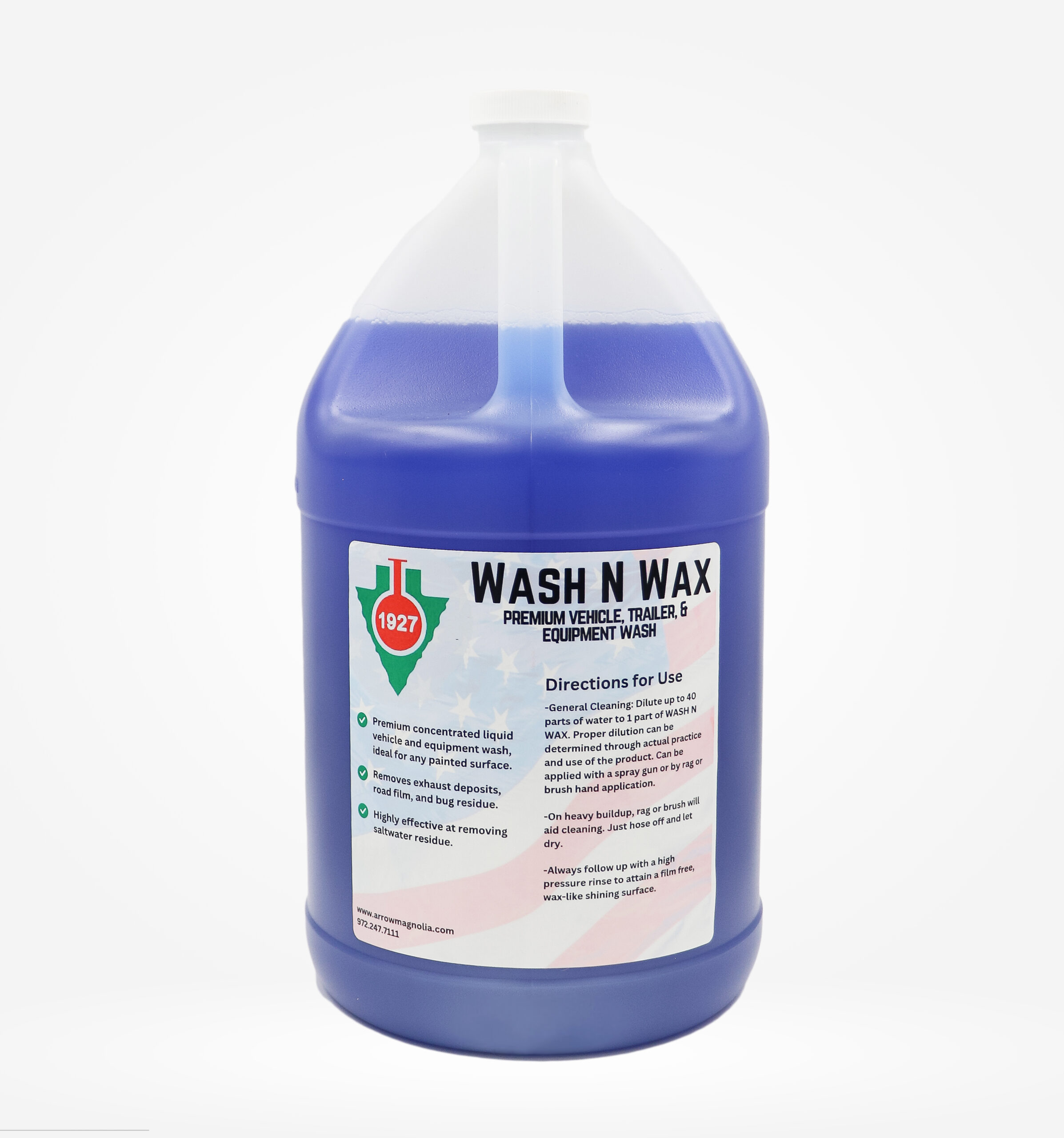
Pick wax made for cars with plastic parts. Some waxes are too harsh and can leave sticky layers. Look for wax labeled safe for plastic. These products protect without causing build-up. Using the right wax reduces the need for tough cleaning later. Always follow the product instructions for best results.
Credit: www.arrowmagnolia.com
Troubleshooting Common Problems
Removing wax from plastic car parts can sometimes be tricky. Some wax stains do not come off easily. Small mistakes may cause damage to the plastic surface. This section helps solve common problems during the wax removal process.
Stubborn Wax Stains
Some wax stains stay even after cleaning. Use a soft cloth with warm soapy water first. Rub gently in a circular motion. For tough stains, try a plastic-safe wax remover. Avoid harsh chemicals that can harm the plastic. Test any product on a small hidden spot. Repeat the process until the wax fades. Patience is key with stubborn stains.
Damage Repair Tips
Scratches or dull spots may appear after wax removal. Use a plastic polish to restore shine. Apply a small amount on a soft cloth. Rub gently over the damaged area. For deeper scratches, light sanding with fine grit sandpaper helps. Always finish by applying a plastic protectant. This keeps the surface smooth and safe.
Credit: www.carparts.com
Frequently Asked Questions
How Do I Safely Remove Wax From Plastic Car Parts?
Use a soft cloth and warm soapy water to gently clean the wax. Avoid harsh chemicals that can damage plastic. Rinse with clean water and dry thoroughly to prevent residue and streaks.
What Household Items Remove Wax From Plastic Surfaces?
Common items like vinegar, rubbing alcohol, or baking soda can help remove wax. Apply gently with a soft cloth to avoid scratching the plastic. Always test a small area first to check for any adverse reaction.
Can Heat Help Remove Wax From Plastic Car Parts?
Yes, using a hairdryer on low heat softens wax, making it easier to wipe away. Keep the heat moderate to prevent warping or melting the plastic surface. Use a microfiber cloth to remove the softened wax.
Is It Safe To Use Commercial Wax Removers On Plastic?
Some commercial removers are safe but check the product label first. Choose removers specifically designed for plastic surfaces to avoid damage. Always follow manufacturer instructions and test on a small area before full application.
Conclusion
Removing wax from plastic car parts does not have to be hard. Use gentle cleaners and soft cloths for best results. Avoid harsh chemicals that can damage the plastic surface. Take your time and work carefully to prevent scratches. Regular cleaning keeps your car parts looking fresh and new.
Clean plastic parts help your car stay in good shape longer. Try these simple steps next time you find wax on plastic. You will see how easy it is to keep your car parts clean and shiny.

