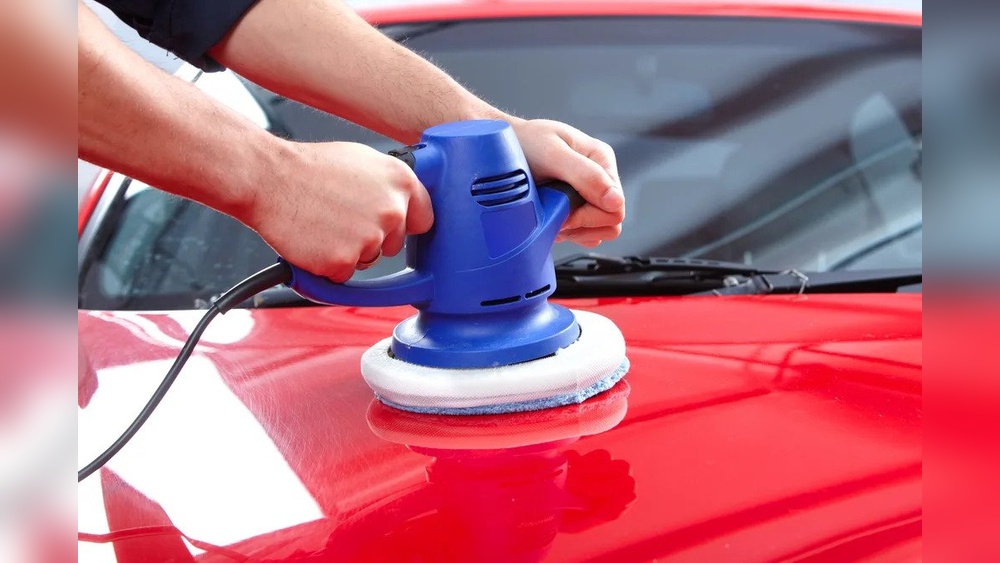
You want your car to look its best, right? Keeping that shiny, smooth finish isn’t just about good looks—it protects your investment too.
But how often should you actually put wax on your car? Too little, and your paint could suffer. Too much, and you might be wasting time and money. You’ll discover the simple answer to how often you should wax your car to keep it looking fresh and protected all year long.
Stick with me, and you’ll learn easy tips that save you effort while making your car shine like new.
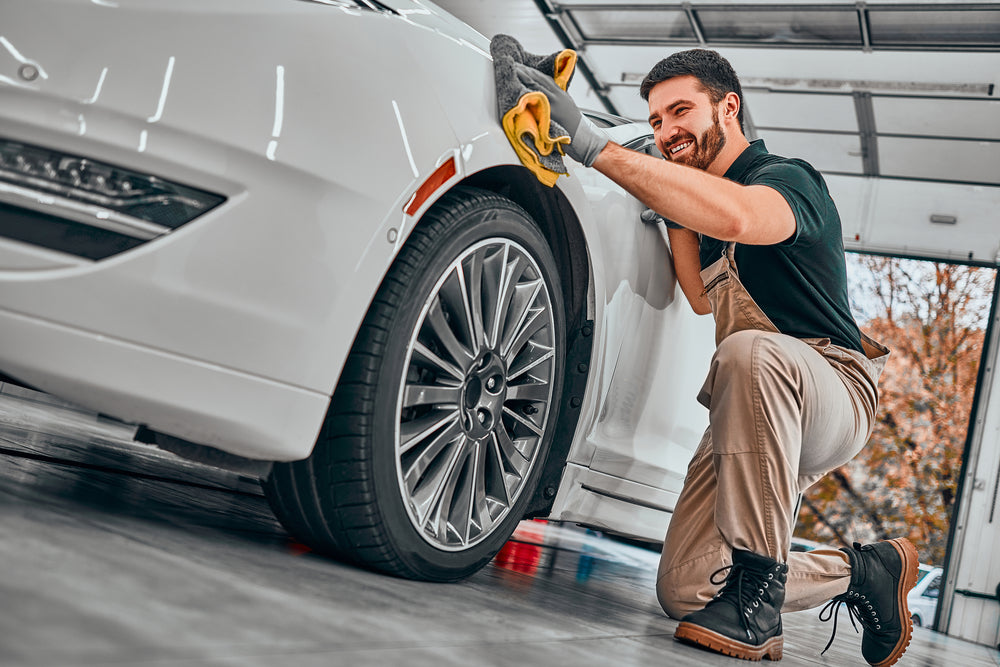
Credit: cleantools.net
Benefits Of Waxing
Waxing your car offers many benefits. It keeps your vehicle looking fresh and new. Regular waxing helps maintain the car’s appearance over time. It also protects the paint from damage. Here are some key benefits of waxing your car.
Enhancing Shine
Wax adds a glossy finish to your car’s surface. It makes the paint look deep and rich. The shine attracts attention and makes your car stand out. Waxing removes dullness caused by dirt and grime. It brightens the color and smoothens the surface.
Protecting Paint
Wax forms a protective layer on your car’s paint. It guards against harmful UV rays from the sun. This protection reduces fading and cracking over time. Wax also shields the paint from small scratches. It keeps the surface safe from dust and pollution.
Repelling Dirt And Water
Wax creates a smooth barrier that repels dirt and water. This prevents grime from sticking to your car. Water beads up and slides off easily after waxing. It reduces water spots and stains on the paint. Waxing makes cleaning your car faster and easier.
Types Of Car Wax
Choosing the right car wax helps protect your vehicle’s paint and shine. Different types of wax offer various benefits. Knowing these types makes waxing easier and more effective.
Car waxes mainly come in natural and synthetic forms. Each type works differently and lasts for a different time.
Natural Vs Synthetic
Natural wax usually contains carnauba. It gives a deep, warm shine. It lasts a few weeks to a couple of months. Synthetic wax is made from polymers. It creates a strong shield on the paint. It often lasts longer than natural wax. Both types protect your car but feel different on the surface.
Paste, Liquid, And Spray Options
Paste wax is thick and needs more effort to apply. It often lasts longer and provides a rich shine. Liquid wax is easier to spread and quicker to use. It suits those who want fast results. Spray wax is the fastest to apply. It offers light protection and shine but wears off sooner. Choosing the form depends on your time and how much shine you want.
Choosing The Right Wax For Your Car
Match the wax type with your car’s paint and your needs. Older cars may benefit from natural wax for a classic look. New cars often do well with synthetic wax for better protection. Consider your climate too. In rainy or snowy areas, synthetic wax can resist water better. Use paste wax for special occasions when you want maximum shine. Spray wax works well for quick touch-ups between full waxing.
Waxing Frequency Factors
Waxing your car protects its paint and keeps it shiny. But how often you should wax depends on several factors. These factors change how quickly the wax wears off. Knowing them helps you keep your car looking great longer.
Climate And Weather Impact
Hot sun can fade your car’s paint and break down wax fast. Rain and snow wash away wax protection. Salt on roads in winter can damage paint and wax too. Cars in dry, mild climates need waxing less often than those in harsh weather.
Car Usage And Storage
Cars used every day face more dirt, dust, and pollutants. This wears down wax faster. Cars parked outside get more sun and rain exposure. Indoor or covered cars keep wax longer because they avoid harsh elements. How and where you park affects waxing frequency.
Paint Condition And Age
New cars have fresh paint that holds wax well. Older cars or those with faded paint may need more frequent waxing. Damaged paint loses wax protection quickly. Regular waxing helps protect and improve older paint surfaces.
Recommended Waxing Intervals
Knowing how often to wax your car helps keep its shine and protection strong. Wax creates a shield on the paint, fighting dirt, rain, and sun damage. Different schedules suit different needs. Choose the right one for your car’s care.
Monthly Waxing
Waxing every month gives your car strong protection. It works well if you drive a lot or park outside. This routine stops dirt and grime from building up. Your car stays glossy and smooth all the time.
Seasonal Waxing
Waxing four times a year fits many car owners. Do it at the start of each season. This timing helps your car handle changing weather well. Wax blocks out salt in winter and UV rays in summer.
Yearly Waxing
Waxing once a year is good if your car stays mostly indoors. It still helps keep paint safe from dust and mild weather. Use a good quality wax to make this once-a-year job effective. Your car will look fresh and cared for.
Waxing Preparation Steps
Preparing your car before waxing is a must. It helps the wax stick better and last longer. Skipping these steps can cause uneven shine or damage. Take time for each step to protect your car’s paint. Follow this simple guide to get your car ready for waxing.
Washing And Drying
Start by washing your car thoroughly. Use a car shampoo and soft sponge. Avoid dish soap as it can strip wax and damage paint. Rinse well to remove all dirt and soap. Dry the car completely with a clean microfiber towel. A dry surface prevents water spots under the wax.
Removing Old Wax
Old wax can block new wax from bonding. Use a wax remover or a clay bar to clean the surface. Apply the remover with a soft cloth and rub gently. This step clears buildup and smooths the paint. It helps the new wax spread evenly for better protection.
Surface Inspection
Check the car’s surface for scratches, chips, or stains. Fix any issues before waxing to avoid trapping dirt. Use a bright light to see all spots clearly. Clean any stubborn marks with a gentle polish. A smooth surface makes waxing easier and more effective.

Credit: stonercarcare.com
Waxing Application Tips
Waxing your car protects its paint and keeps it shiny. Applying wax the right way is key. Follow these simple tips to get the best results.
Using the right tools and methods makes waxing easier and more effective. It also saves time and effort.
Proper Tools And Materials
Choose a soft foam applicator or microfiber cloth for applying wax. Avoid rough materials that can scratch the paint. Use a clean, dry cloth for buffing. Pick a wax that suits your car’s finish and climate. Always work in a shaded area to prevent the wax from drying too fast.
Applying Wax Evenly
Apply a thin, even layer of wax with gentle, circular motions. Cover small sections at a time to avoid missing spots. Avoid pressing too hard; let the wax spread naturally. Make sure every part of the car’s surface is coated. Thin layers dry faster and buff better than thick ones.
Buffing Techniques
Wait until the wax turns hazy or dull before buffing. Use a clean microfiber cloth to wipe off the wax gently. Buff in small circles to bring out the shine. Change cloth sections often to avoid smearing dirt. Finish by giving the entire car a light, final buff.
Maintaining Wax Between Applications
Maintaining wax on your car between full applications helps keep your paint shiny and protected. Regular care stops dirt and grime from building up. This care extends the life of your wax and keeps your car looking fresh longer.
Quick Detailers
Quick detailers are sprays that clean and shine your car fast. Use them after driving to remove dust and fingerprints. They add a light layer of protection on top of your wax. Spray on a clean cloth, then wipe your car gently. This keeps the wax layer smooth and shiny.
Regular Washing Tips
Wash your car often using a gentle car shampoo. Avoid dish soap or household cleaners that can strip wax. Use cool or lukewarm water to protect the paint. Dry your car with a soft towel to prevent scratches. Clean cars hold wax better and look brighter.
Avoiding Harsh Chemicals
Stay away from strong chemicals like degreasers or acid-based cleaners. These can damage the wax and paint underneath. Use products made for cars only. Check labels to ensure they are safe for waxed surfaces. Gentle care keeps your wax layer intact longer.

Credit: lambencydetailing.com
Signs Your Car Needs Waxing
Knowing when to wax your car helps keep its paint safe and shiny. Wax protects the surface from dirt, sun, and water damage. Ignoring waxing can lead to dullness and paint problems. Watch for these signs to decide the right time to wax your car.
Dull Appearance
Your car’s paint loses its shine over time. A dull look means the wax layer is gone. The surface feels rough or looks faded. Waxing restores the glossy finish and smoothness. It brings back the fresh, new car look.
Water Spots And Beading Loss
Water should bead up and roll off your car. If water stays flat or leaves spots, wax is missing. Wax creates a protective layer that repels water. Without it, water stains and dirt stick easily. Waxing helps water slide off quickly again.
Paint Fading
Sun and weather cause paint to fade and lose color. Wax blocks harmful UV rays and slows fading. Faded paint looks old and weak. Regular waxing keeps the paint bright and strong. It protects your car from sun damage every day.
Common Waxing Mistakes
Waxing your car keeps it shiny and protects the paint. Many people make mistakes that reduce wax benefits. Avoid these common errors to keep your car looking great.
Over-waxing
Applying wax too often can harm your car’s paint. Wax builds up and creates a dull surface. Follow the recommended waxing schedule for your car type. Usually, waxing every three months is enough.
Waxing In Direct Sunlight
Waxing under the sun causes wax to dry too fast. This makes it hard to spread and remove. Always wax your car in the shade or a cool place. This helps the wax work better and last longer.
Using Incompatible Products
Not all waxes work well with every car paint. Some products can cause streaks or damage. Use wax designed for your car’s paint type. Read labels carefully and avoid mixing different wax brands.
Frequently Asked Questions
How Often Should I Wax My Car For Best Protection?
Wax your car every three months to maintain optimal protection. Regular waxing shields paint from UV rays, dirt, and moisture. Seasonal changes may require more frequent waxing to preserve the car’s finish and prevent damage.
Can Waxing Frequency Vary By Car Paint Type?
Yes, delicate or older paint may need waxing every 6-8 weeks. Modern paint finishes often last longer, allowing waxing every 3-4 months. Always follow manufacturer recommendations for your specific car paint type.
Does Weather Affect How Often I Should Wax?
Harsh weather, like intense sun or heavy rain, demands more frequent waxing. Waxing every 2-3 months helps protect the paint from environmental damage. In mild climates, waxing every 4-6 months may suffice.
Will Frequent Waxing Harm My Car’s Paint?
No, proper waxing does not harm paint. It adds a protective layer and enhances shine. Avoid over-waxing by following recommended intervals to keep your car’s finish healthy.
Conclusion
Waxing your car keeps the paint safe and shiny. Most cars need waxing every three months. This can change based on weather and how often you drive. Regular waxing stops dirt and sun damage. It also makes washing easier. Don’t wait until your car looks dull.
A simple wax job can protect your car for months. Keep your car looking new with regular care. A little effort goes a long way to keep your car bright. Wax often, drive happy.