Are you noticing squeaky brakes or a soft pedal when you drive your Subaru Outback? It might be time to replace your brake pads and rotors.
Doing this yourself can save you money and give you confidence in your car’s safety. In this guide, you’ll learn simple, step-by-step instructions to replace your brake pads and rotors quickly and correctly. By the end, you’ll know exactly what to do to keep your Outback stopping smoothly and safely.
Ready to take control of your car’s brakes? Let’s get started.

Credit: www.amazon.com
Tools And Materials Needed
Replacing brake pads and rotors on a Subaru Outback requires the right tools and materials. Having everything ready makes the job safer and easier. This section lists what you need to complete the task properly. Prepare these items before starting your brake service.
Essential Tools
- Jack and jack stands to lift and support the vehicle safely
- Lug wrench to remove wheel nuts
- Socket set with ratchet for bolts and screws
- C-clamp or brake caliper tool to compress the caliper piston
- Flathead screwdriver to pry off old brake pads
- Torque wrench to tighten bolts to the correct specification
- Brake cleaner spray to clean rotors and parts
- Wire brush to remove rust and dirt
Recommended Replacement Parts
- Brake pads designed for Subaru Outback models
- Brake rotors matching your vehicle’s size and specs
- Brake grease to lubricate caliper pins and pad backs
- New caliper bolts, if the old ones show wear
- Brake fluid, in case you need to top up or bleed the brakes
Safety Equipment
- Safety goggles to protect your eyes from dust and debris
- Mechanic gloves to protect your hands from cuts and chemicals
- Dust mask to avoid inhaling brake dust
- Wheel chocks to prevent the car from rolling

Credit: www.youtube.com
Preparing Your Subaru Outback
Preparing your Subaru Outback is the first step to replacing brake pads and rotors. Proper preparation keeps you safe and makes the job easier. Taking time now saves time later.
Follow these steps carefully. Each one is important for a smooth repair process.
Parking And Securing The Vehicle
Park your Outback on a flat, stable surface. Avoid slopes or soft ground. Apply the parking brake firmly. This stops the car from rolling. Place wheel chocks behind the tires. This adds extra safety. Turn off the engine and remove the key. Safety first.
Loosening Lug Nuts
Before lifting, loosen the lug nuts on the wheel. Use a lug wrench that fits your nuts. Turn each nut counterclockwise. Loosen them just enough to break their tightness. Do not remove the nuts yet. This step is easier with the car on the ground.
Lifting The Car Safely
Find the jacking point under your Outback. Check your owner’s manual for exact spots. Place the jack securely. Lift the car slowly until the wheel is off the ground. Use jack stands to support the car. Never rely on the jack alone. Safety is key.
Removing The Old Brake Pads And Rotors
Removing the old brake pads and rotors is a key step in your Subaru Outback brake replacement. This process clears the way for new parts and ensures your brakes work properly. Follow each step carefully to avoid damage and stay safe. Proper removal helps the new brakes fit correctly and last longer.
Removing The Wheel
Start by loosening the lug nuts on the wheel. Use a lug wrench for this task. Then, lift the car with a jack and secure it with jack stands. Remove the lug nuts completely and take the wheel off. Set the wheel aside in a safe place.
Accessing The Brake Caliper
Locate the brake caliper attached to the rotor. The caliper holds the brake pads. Use a socket wrench to remove the caliper bolts. Carefully lift the caliper away from the rotor. Do not let the caliper hang by the brake hose. Use a hanger or rope to support it.
Taking Out The Brake Pads
Pull the brake pads out of the caliper bracket. They should slide out easily. Check their condition to confirm replacement. Remove any clips or pins holding the pads. Keep these parts if they are reusable.
Removing The Caliper And Rotor
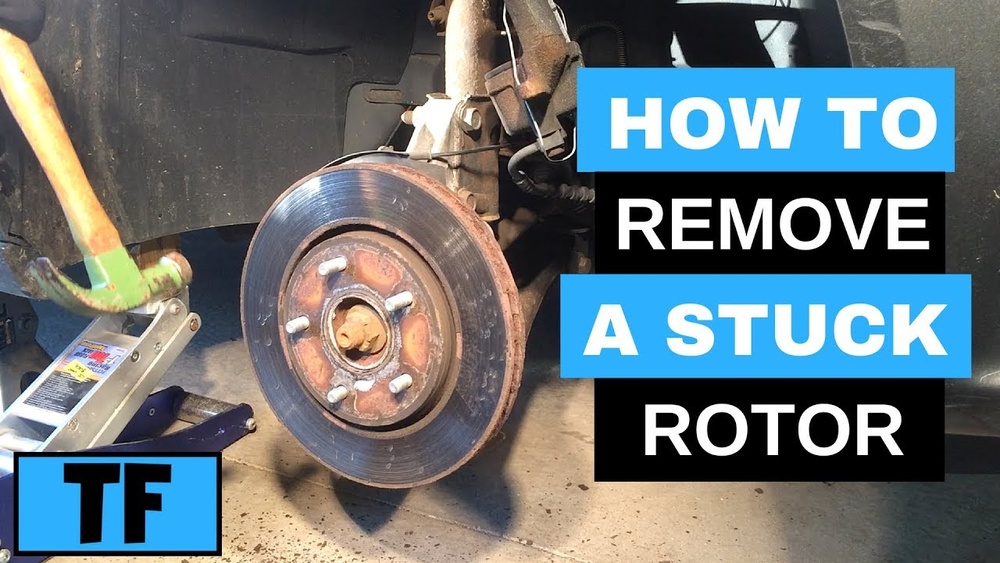
Remove the caliper bracket by unscrewing its bolts. Take off the bracket to free the rotor. The rotor may be stuck due to rust. Tap it lightly with a rubber mallet to loosen. Pull the rotor off the wheel hub carefully. Clean the hub surface before installing new parts.

Credit: www.youtube.com
Installing New Brake Pads And Rotors
Installing new brake pads and rotors is a key step in maintaining your Subaru Outback’s braking system. This process restores stopping power and improves safety. Each part must fit perfectly for the brakes to work well. Follow the steps carefully to ensure a smooth installation.
Cleaning The Hub And Components
Start by cleaning the hub and nearby parts. Use a wire brush to remove rust and dirt. This helps the new rotor sit flat on the hub. Clean surfaces prevent vibrations and noise while driving. Wipe off dust with a clean cloth before installing new parts.
Mounting The New Rotor
Place the new rotor on the hub carefully. Align the holes with the wheel studs. Push the rotor all the way onto the hub. Use a lug nut to hold the rotor in place temporarily. Check that the rotor spins freely without wobbling.
Installing New Brake Pads
Apply a thin layer of brake grease on the back of the pads. This reduces noise and helps smooth braking. Insert the new pads into the caliper bracket. Make sure the pads fit snugly and align with the rotor. Avoid touching the pad surface with your fingers.
Reattaching The Caliper
Compress the caliper piston to fit over the new pads. Use a C-clamp or brake tool for this step. Place the caliper back onto the rotor and pads. Tighten the caliper bolts securely. Double-check all connections before moving to the next step.
Reassembling And Final Checks
After replacing the brake pads and rotors on your Subaru Outback, the next step is reassembling and completing final checks. This process ensures your safety and the proper function of your brakes. Follow each step carefully to secure everything in place. Take your time. Double-check each part.
Securing The Wheel
Place the wheel back onto the hub. Align the holes with the wheel studs. Push the wheel firmly until it sits flush against the hub. This prevents wobbling when driving. Hand-tighten the lug nuts to hold the wheel in place. Avoid tightening fully at this stage.
Lowering The Vehicle
Use the jack to slowly lower the vehicle to the ground. Make sure the car is stable before removing the jack. Lowering the car fully allows the wheels to touch the ground. This helps in tightening the lug nuts properly. Always lower the car carefully to avoid accidents.
Tightening Lug Nuts
Tighten the lug nuts in a crisscross pattern. This ensures even pressure on the wheel. Use a torque wrench to tighten to the manufacturer’s specifications. Do not overtighten or leave them loose. Proper torque prevents wheel damage and ensures safety.
Testing Brake Performance
Before driving, test the brake pedal. Press it several times until it feels firm. This sets the brake pads against the rotors. Listen for unusual noises or vibrations. Drive slowly and check if the brakes respond well. Stop immediately if something feels wrong.
Tips For Maintenance And Longevity
Proper maintenance helps your Subaru Outback’s brakes last longer. Taking care of brake pads and rotors improves safety and saves money. Follow simple steps to keep your brakes in good shape.
Breaking In New Brakes
New brake pads and rotors need a break-in period. Drive slowly and avoid hard stops for the first 200 miles. This helps the brakes wear evenly and work better. Gentle braking prevents damage and noise.
Regular Inspection
Check your brakes every 5,000 miles or during oil changes. Look for dust, cracks, or uneven wear on pads and rotors. Clean brake parts to remove dirt and debris. Regular checks catch problems early and keep brakes safe.
Signs Of Wear To Watch For
Listen for squeaking or grinding sounds when braking. Feel for vibrations or pulling to one side. Check if the brake pedal feels soft or spongy. These signs mean pads or rotors need attention. Fix problems quickly to avoid costly repairs.
Frequently Asked Questions
How Often Should Subaru Outback Brake Pads Be Replaced?
Brake pads on a Subaru Outback typically need replacement every 30,000 to 70,000 miles. This depends on driving habits and conditions. Regular inspection ensures safety and performance.
What Tools Are Needed To Replace Brake Pads And Rotors?
Essential tools include a jack, lug wrench, C-clamp, socket set, and brake cleaner. Having these ready makes the replacement process efficient and safe.
Can I Replace Brake Pads And Rotors Myself Safely?
Yes, with basic mechanical skills and proper tools, you can replace them safely. Follow the step-by-step guide carefully and take safety precautions.
How Do I Know If My Subaru Outback Rotors Need Replacement?
Signs include vibrations during braking, squealing noises, and visible rotor grooves. If rotors are warped or damaged, replacement is necessary for safe driving.
Conclusion
Replacing brake pads and rotors on your Subaru Outback is easier than you think. With the right tools and steps, you save money and keep your car safe. Take your time and follow each step carefully. Check your work before driving.
Good brakes mean better control and peace of mind. Regular maintenance helps your car last longer. Now, you can confidently handle this task at home. Keep your Subaru running smoothly and safely on every drive.