If you own a 6.0 Powerstroke, you know how important it is to keep your engine running smoothly. One key part that often gets overlooked is the fuel filter.
A clogged or dirty fuel filter can lead to poor performance, reduced fuel efficiency, and even engine damage. But don’t worry—replacing your fuel filter is easier than you think. You’ll learn simple, step-by-step instructions to replace your fuel filter quickly and safely.
By the end, you’ll feel confident maintaining your truck and avoiding costly repairs. Ready to get started? Let’s dive in.
Tools And Materials Needed
Replacing the fuel filter on a 6.0 Powerstroke requires the right tools and materials. Having everything ready makes the job easier and faster. This section lists the key items needed for the task.
Basic Hand Tools
You will need a set of wrenches and sockets. A ratchet helps remove bolts quickly. A screwdriver may be necessary for clamps or covers. These tools allow access to the fuel filter housing and connections.
Replacement Fuel Filter
Use the correct fuel filter for the 6.0 Powerstroke engine. It ensures proper fuel flow and engine performance. Buying a high-quality filter prevents future problems. Always check the part number before purchasing.
Fuel Line Disconnect Tool
A fuel line disconnect tool is essential for this job. It helps separate the fuel lines safely without damage. Using the right size tool avoids leaks and saves time.
Drain Pan And Rags
A drain pan catches any fuel that spills during the replacement. Rags clean up drips and keep the work area safe. Proper cleanup prevents fire hazards and keeps the engine bay tidy.
Safety Gear
Wear gloves to protect your hands from fuel and dirt. Safety glasses shield your eyes from splashes. Proper gear is important for a safe and comfortable job.
Safety Precautions
Always work in a well-ventilated area to avoid harmful fumes. Wear gloves and eye protection to keep safe from fuel spills. Disconnect the battery before starting to prevent accidental sparks.
Wear Protective Gear
Always wear gloves and safety glasses. Fuel can irritate your skin and eyes. Gloves protect your hands from fuel and dirt. Glasses shield your eyes from splashes. Safety gear reduces injury risks during the job.
Work In A Well-ventilated Area
Fuel fumes are harmful to breathe. Choose an open space or a garage with good airflow. Fresh air helps prevent dizziness and headaches. Avoid smoking or sparks nearby. Ventilation keeps you safe from dangerous fumes.
Turn Off The Engine And Let It Cool
Never start the fuel filter replacement with the engine running. Hot parts can cause burns. Wait until the engine cools down completely. Cooling prevents accidents and fuel ignition risks.
Relieve Fuel System Pressure
Fuel systems hold pressure after the engine stops. Releasing pressure avoids fuel spray. Follow your truck’s manual steps carefully. This step protects you from fuel splashes and injuries.
Keep Fire Extinguisher Nearby
Fuel is highly flammable. A fire extinguisher should be within reach. Be ready for emergencies. Quick action can prevent fire damage or injuries.
Locating The Fuel Filter
Finding the fuel filter on a 6.0 Powerstroke is the first step in replacing it. The fuel filter cleans dirt and rust from the fuel. This keeps the engine running smoothly. Knowing the exact location saves time and effort during replacement.
The fuel filter is not hidden deep inside. It is easy to reach with basic tools. This section guides you on where to find it on your truck.
Location Near The Fuel Tank
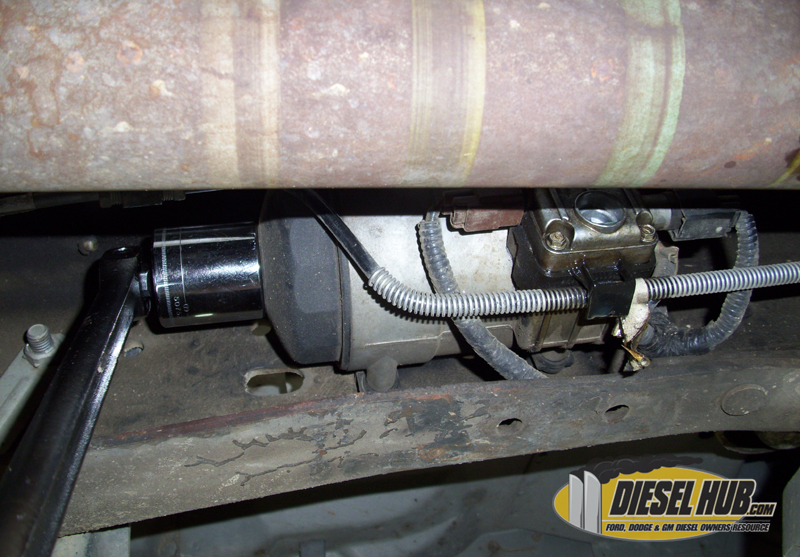
The fuel filter is usually near the fuel tank. On the 6.0 Powerstroke, it sits along the frame rail. This is on the driver’s side under the truck. Look for a round canister with fuel lines attached.
Appearance And Shape Of The Fuel Filter
The fuel filter looks like a small metal cylinder. It has two fuel lines connected at the top or sides. The canister may be black or silver. It often has a plastic housing or metal clamps holding it in place.
Using The Owner’s Manual
Consult the owner’s manual for exact details. It shows diagrams and notes about the fuel system. This helps confirm the location and avoid mistakes. Manuals often list safety tips for handling fuel parts.
Draining Fuel From The Filter
Draining fuel from the filter is a key step in replacing the fuel filter on a 6.0 Powerstroke. It removes old fuel and prevents spills during removal. Proper draining helps keep the engine clean and running smoothly.
This process requires care and the right tools. Follow each step carefully for safety and efficiency.
Gathering The Necessary Tools
Start by collecting tools. You will need a drain pan, gloves, and rags. A small screwdriver might help to open the drain valve. Having everything ready saves time and keeps the area clean.
Locating The Drain Valve
Find the drain valve at the bottom of the fuel filter housing. It looks like a small screw or plug. Knowing its exact spot helps avoid damage and fuel spills.
Opening The Drain Valve
Turn the valve slowly with your hand or screwdriver. Fuel will start to flow out. Keep the drain pan underneath to catch the fuel. Open it just enough to let fuel drain steadily.
Draining All The Fuel
Let the fuel drain completely. This may take a few minutes. Watch the flow until it slows and stops. Close the valve tightly to prevent leaks once done.
Cleaning Up Spills
Wipe any spilled fuel immediately. Use rags and dispose of them safely. A clean workspace reduces fire risk and keeps parts safe.
Removing The Old Fuel Filter
Removing the old fuel filter on a 6.0 Powerstroke is the first step in the replacement process. This task requires care to avoid fuel spills and damage. Following the right steps ensures a smooth removal and prepares the truck for the new filter installation.
Keep tools and a container nearby to catch any leaking fuel. Wear gloves for safety. The fuel system holds pressure, so release it carefully before starting.
Locate The Fuel Filter Assembly
Open the hood and find the fuel filter housing. It sits on the driver’s side near the firewall. The housing is round and metal, with fuel lines connected. Knowing its position helps to plan the removal.
Relieve Fuel System Pressure
Turn off the engine. Remove the fuel pump fuse or relay. Start the engine and let it run until it stops. This clears pressure from the fuel lines. Turn off the ignition to prevent accidental starts.
Disconnect Fuel Lines Safely
Use fuel line disconnect tools or pliers. Press the locking tabs or clips on the fuel lines. Pull the lines gently away from the filter housing. Have a rag ready to catch any drips. Avoid twisting or bending the lines.
Remove The Fuel Filter Cap
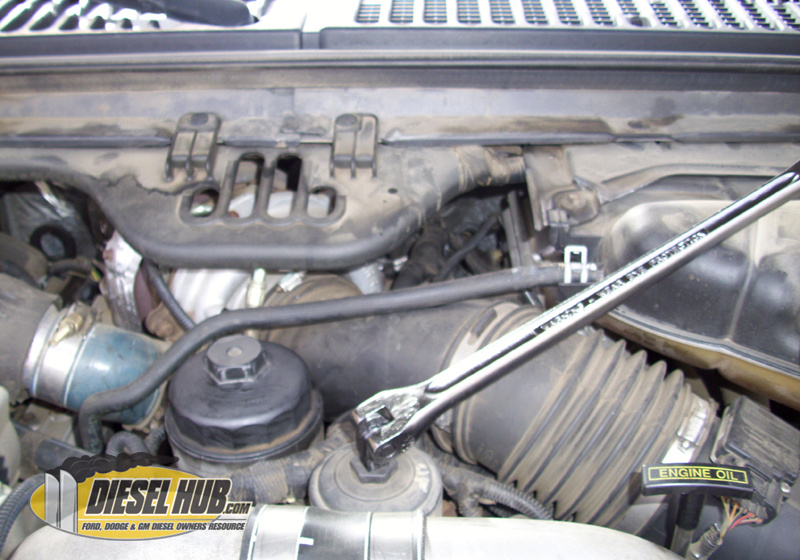
Use a wrench or socket to loosen the filter cap bolts. Turn counterclockwise to unscrew. Lift the cap carefully, as fuel may spill. Set the cap and old filter on a rag or tray. Check the O-ring for damage.
Take Out The Old Fuel Filter
Pull the old filter straight out of the housing. Dispose of it safely. Avoid dropping debris into the housing. Clean the inside of the housing with a clean cloth. Inspect the area for dirt or damage before installing the new filter.
Preparing The New Fuel Filter
Start by checking the new fuel filter for any damage or dirt. Make sure it matches the old one before installation. Keep the filter clean to avoid engine problems later.
Check The New Fuel Filter For Damage
Inspect the new fuel filter carefully before installation. Look for cracks, dents, or other damage. A damaged filter can cause fuel leaks or engine problems. Handle the filter gently to avoid harm.
Prime The Fuel Filter
Priming fills the filter with clean diesel fuel. This step prevents air pockets in the fuel system. Use a clean container and pour fuel into the filter slowly. Allow the fuel to soak into the filter media completely.
Apply Clean Diesel Fuel To Seals
Coat the rubber seals on the new filter with clean diesel fuel. This helps the seals fit tightly and prevents leaks. Avoid using oil or grease. Just a light layer of diesel fuel is enough.
Prepare Tools And Workspace
Gather all tools needed for installation before starting. Keep a clean cloth nearby to wipe spills. A neat workspace reduces the chance of dirt entering the fuel system. Ready tools save time and effort.
Installing The New Fuel Filter
Installing the new fuel filter on your 6.0 Powerstroke is a key step in keeping your engine running smoothly. This process ensures clean fuel flows through the system, protecting vital engine parts. Follow these simple steps to install the new filter correctly and safely.
Prepare The New Fuel Filter
Start by checking the new fuel filter for any damage. Remove any protective caps or plugs. Fill the filter with clean diesel fuel to prime it. This helps avoid air pockets in the fuel system. Make sure the filter is ready before installation.
Position The Fuel Filter Correctly
Locate the fuel filter housing on your truck. Align the new filter with the housing so the fuel inlet and outlet match. Place the filter carefully to avoid spilling fuel. Proper alignment prevents leaks and ensures proper flow.
Secure The Fuel Filter In Place
Use the appropriate tools to tighten the filter housing. Avoid over-tightening; this can damage the filter or housing. Hand-tighten and then use a wrench for a snug fit. Check the filter for any movement after tightening.
Bleed The Fuel System
After installing the filter, bleeding the system removes trapped air. Use the manual fuel pump or follow your truck’s bleeding procedure. Pump until fuel flows steadily without bubbles. This step ensures the engine starts smoothly.
Credit: www.dieselhub.com
Bleeding Air From The Fuel System
Bleeding air from the fuel system is a key step after replacing the fuel filter on a 6.0 Powerstroke. Air trapped in the fuel lines can cause the engine to run poorly or not start at all. Removing this air ensures smooth fuel flow and proper engine performance.
Without bleeding, the fuel injectors may receive air pockets instead of fuel. This can lead to rough idling, loss of power, or engine stalling. Taking time to bleed the system helps avoid these issues and protects the fuel system components.
Locate The Primer Pump
The primer pump is usually near the fuel filter housing. It looks like a small black or gray bulb. Pressing this pump moves fuel through the lines and pushes out trapped air. Knowing its exact location saves time during bleeding.
Press The Primer Pump Slowly
Press the primer pump slowly and steadily. You will feel resistance as fuel moves through the system. Keep pressing until the pump feels firm and no air bubbles appear in the fuel line. This means air is removed and fuel fills the system.
Check For Fuel Leaks
After priming, check all connections near the fuel filter. Look for wet spots or drops of fuel. Tighten any loose fittings to prevent leaks. Fuel leaks can cause engine problems and are a fire hazard.
Start The Engine And Observe
Start the engine after bleeding. Listen for smooth running without sputters. If the engine runs rough, repeat the bleeding process. Proper bleeding clears air and helps the engine run well again.
Testing For Leaks And Proper Operation
Testing for leaks and proper operation is a crucial step after replacing the fuel filter on a 6.0 Powerstroke. It ensures the engine runs smoothly without fuel loss or air entering the system. Careful checking prevents damage and keeps your truck reliable.
Start by observing all connections and the filter area. Look for any signs of fuel dripping or wet spots. A small leak can cause big problems later. Take your time during this step.
Visual Inspection For Fuel Leaks
Check every fitting around the new fuel filter. Tighten clamps and fittings gently if needed. Watch closely as you turn the ignition key to the “on” position. Fuel pressure will build up. Look for any drops or sprays of fuel. No leaks mean you can move on.
Starting The Engine And Monitoring Performance
Start the engine and listen carefully. The engine should run smoothly without sputtering or stalling. A rough start may mean air is trapped in the fuel lines. Let the engine idle for a few minutes. This helps the fuel system stabilize.
Rechecking For Leaks Under Pressure
With the engine running, recheck the fuel filter area. Fuel lines are now under pressure. Watch for any new leaks or wet spots. If you find leaks, shut off the engine and fix the connections. Do not ignore leaks, as they can cause safety risks.

Credit: www.youtube.com
Maintenance Tips For Fuel System Longevity
Proper care of your 6.0 Powerstroke’s fuel system keeps the engine running smooth. Regular maintenance helps avoid costly repairs and breakdowns. Simple steps extend the life of fuel components and improve performance.
Clean fuel and timely part replacement protect the fuel system. Dirt and water harm fuel injectors and pumps. Follow these tips to keep the fuel system in top shape.
Use High-quality Diesel Fuel
Always fill up with clean, high-quality diesel fuel. Poor-quality fuel clogs filters and damages injectors. Choose fuel from trusted stations only. This reduces dirt and water in your fuel system.
Replace The Fuel Filter Regularly
Change the fuel filter as recommended in the owner’s manual. A clogged filter restricts fuel flow and stresses the engine. Frequent replacement prevents dirt buildup and keeps fuel clean.
Drain Water From Fuel Filters
Water in diesel fuel causes rust and corrosion. Drain water from the fuel filter bowl often. Check the filter for water after every fuel fill-up. This protects fuel injectors and the fuel pump.
Inspect Fuel Lines And Connections
Look for cracks, leaks, or loose fittings in fuel lines. Damaged lines let air and dirt enter the fuel system. Repair or replace faulty parts quickly to maintain system pressure and cleanliness.
Keep The Fuel Tank Clean
Ensure the fuel tank is free from debris and water. Contaminants settle at the bottom and clog the system. Clean the tank during major service or if fuel contamination occurs.
Credit: www.dieselhub.com
Frequently Asked Questions
How Often Should I Replace The Fuel Filter On A 6.0 Powerstroke?
Replace the fuel filter every 15,000 to 20,000 miles. Regular changes prevent clogs and maintain engine performance. Check the owner’s manual for specific intervals.
What Tools Are Needed To Replace A 6.0 Powerstroke Fuel Filter?
You need a fuel filter wrench, socket set, screwdrivers, and a drain pan. Safety gloves and eye protection are also recommended during replacement.
Can I Replace The Fuel Filter Myself Safely?
Yes, with proper tools and safety precautions, you can replace it yourself. Always relieve fuel system pressure before starting and work in a well-ventilated area.
What Are Signs Of A Clogged Fuel Filter In A 6.0 Powerstroke?
Symptoms include engine hesitation, reduced power, rough idling, and hard starting. A clogged filter restricts fuel flow and affects engine performance.
Conclusion
Replacing the fuel filter on your 6. 0 Powerstroke keeps your engine running smooth. Clean fuel helps avoid engine problems and saves money. Regularly changing the filter protects your truck from damage. The process is simple and does not need special tools.
Take your time and follow each step carefully. You will feel confident doing this job yourself. Keep your Powerstroke healthy and enjoy better performance on the road.