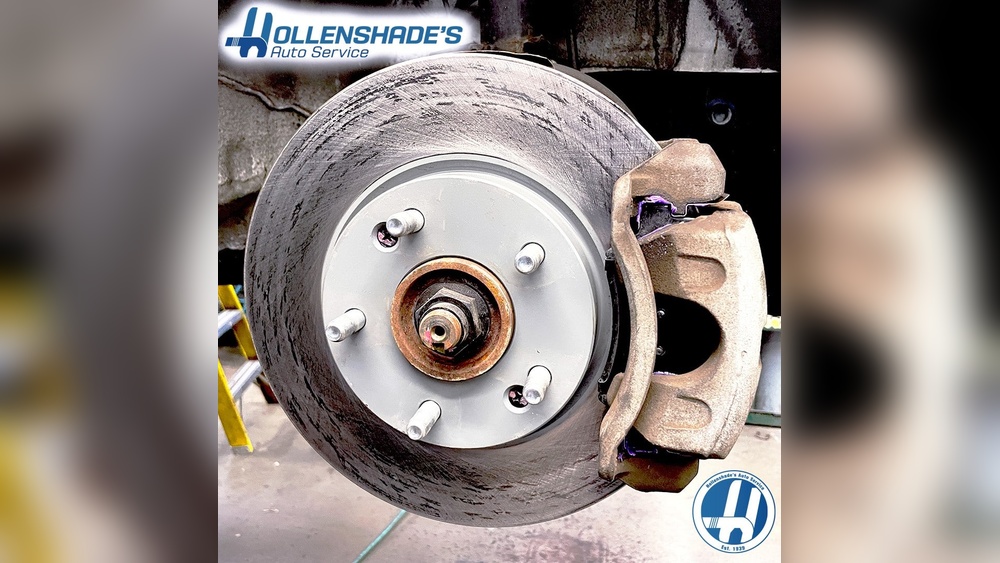
If your car’s brakes are making noise or not stopping as smoothly as before, it’s time to check your rotors and brake pads. Knowing how to replace them yourself can save you money and keep you safe on the road.
This guide will walk you through every step, using simple language and clear instructions. By the end, you’ll feel confident handling this important car maintenance task on your own. Ready to take control of your brake repair? Let’s get started.
Tools And Materials Needed
Replacing rotors and brake pads requires specific tools and materials. Having the right items makes the job easier and safer. Prepare everything before starting the work.
This section lists essential tools and materials. Each piece plays a key role in the replacement process.
Basic Hand Tools
Use wrenches and sockets to remove bolts and screws. A ratchet set with various sizes works best. A flathead screwdriver helps to pry off old parts.
Brake Cleaner And Lubricant
Brake cleaner removes dust and grease from brake parts. Lubricant prevents squeaking and keeps components moving smoothly.
New Brake Pads And Rotors
Choose the correct size and type for your vehicle. Quality parts ensure better performance and longer life.
Jack And Jack Stands
A jack lifts the car safely off the ground. Jack stands hold the car steady while you work underneath.
Torque Wrench
Use a torque wrench to tighten bolts to the correct pressure. This prevents damage and keeps brakes secure.
Protective Gear
Wear gloves and safety glasses. Protect your hands and eyes from dirt and debris.
Safety Precautions
Replacing rotors and brake pads can improve your vehicle’s safety and performance. Taking safety precautions protects you from injury and damage. Follow simple but important steps before starting the job.
Use the right tools and equipment. A safe working area is essential. Never rush the process. Stay alert and focused on the task.
Wear Protective Gear
Always wear gloves to protect your hands from sharp edges. Use safety glasses to shield your eyes from dust and debris. Wear a dust mask to avoid breathing brake dust, which is harmful.
Secure The Vehicle
Park the car on a flat, stable surface. Use wheel chocks to stop the vehicle from moving. Engage the parking brake firmly. Never work under a car supported only by a jack.
Use Jack Stands Properly
After lifting the car with a jack, place jack stands under strong points. Check that the stands hold the car securely. Lower the car slowly onto the stands for stability.
Handle Brake Parts Carefully
Brake parts can be heavy and sharp. Lift rotors with both hands. Avoid dropping parts to prevent damage. Clean brake dust gently using a damp cloth or brake cleaner.
Follow Manufacturer Instructions
Check your vehicle manual for specific guidelines. Use the recommended torque settings for bolts. Follow the steps for brake pad and rotor replacement exactly.
Preparing The Vehicle
Preparing the vehicle is the first step to replacing rotors and brake pads safely. This process makes sure the car stays steady and secure. It also helps you work more easily on the brakes. Start with loosening the lug nuts before lifting the vehicle. Then, lift the car and remove the wheel to access the brake system.
Loosening The Lug Nuts
Begin by loosening the lug nuts on the wheel. Use a lug wrench to turn each nut counterclockwise. Do not remove them completely yet. Just break the tight grip. This step is easier while the car is still on the ground. It stops the wheel from spinning.
Lifting The Vehicle
Next, position a jack under the car’s frame near the wheel. Check the owner’s manual for the exact jack point. Pump the jack handle to lift the vehicle slowly. Raise the car until the wheel is off the ground. Place jack stands under the car for safety. Never work under a car supported only by a jack.
Removing The Wheel
With the vehicle lifted, remove the loosened lug nuts completely. Keep them safe to reuse later. Pull the wheel straight off the hub. If it feels stuck, tap the tire gently with a rubber mallet. Set the wheel aside on a flat surface. Now, the brake parts are ready for inspection and replacement.
Removing Old Brake Components
Removing old brake components is a key step in replacing rotors and brake pads. This part requires care and the right tools. Taking out the worn parts makes space for new ones. It also helps check the condition of your brake system.
Detaching The Caliper
Start by loosening the bolts that hold the caliper. Use a wrench to remove them carefully. Once loose, gently lift the caliper off the rotor. Avoid letting the caliper hang by the brake hose. Use a hook or rest it on a sturdy surface. This prevents damage to the brake hose.
Removing The Brake Pads
Look inside the caliper bracket for the brake pads. They slide out with a little push or pull. Sometimes, clips or pins hold the pads in place. Remove these carefully to free the pads. Check the pads for wear and cracks before disposal.
Taking Off The Rotor
After the caliper and pads are out, the rotor is visible. It might be held by screws or rusted tight. Use a screwdriver to remove any screws. If stuck, tap the rotor gently with a rubber mallet. Pull the rotor straight off the wheel hub. Clean the hub surface before installing the new rotor.
Inspecting Brake Parts
Inspecting brake parts is a key step before replacing rotors and brake pads. It helps spot problems early. This inspection ensures your brakes work safely and smoothly. Take time to check each part carefully. This prevents future issues and costly repairs.
Checking Caliper Condition
Start by examining the brake caliper. Look for leaks or cracks on the caliper body. Check if the caliper moves freely on its slides. Stuck calipers cause uneven brake wear. Also, inspect the piston for rust or damage. Smooth piston movement is vital for proper brake function.
Examining Rotor Surface
Next, check the rotor surface closely. Look for deep grooves or scoring marks. These can reduce braking efficiency. Measure rotor thickness using a micrometer. Thin rotors need replacement to avoid brake failure. Also, check for rust patches and warping signs. A smooth, even rotor surface is best for braking.
Assessing Brake Hardware
Brake hardware includes clips, springs, and pins. Make sure all parts are clean and free of rust. Broken or worn hardware can cause noise and poor brake response. Replace any damaged clips or pins. Proper hardware ensures brake pads stay in place and work well.
Installing New Rotors
Installing new rotors is a key step in brake maintenance. Proper installation ensures your brakes work smoothly and safely. Take your time and follow these simple steps for the best results.
Cleaning The Rotor
Start by cleaning the new rotor. Use brake cleaner to remove oil and dirt. Wipe it with a clean cloth until it looks shiny. This prevents noise and ensures good brake performance.
Securing The Rotor In Place
Place the rotor on the wheel hub carefully. Align the holes with the bolts. Use the screws or bolts to hold the rotor tightly. Tighten them evenly to avoid any wobbling. Check that the rotor sits flat and steady.
Replacing Brake Pads
Replacing brake pads is a key step in maintaining your vehicle’s braking system. Worn-out pads reduce braking power and increase stopping distance. Changing them ensures safety and smooth driving. Follow these simple steps to replace brake pads correctly.
Applying Brake Grease
Start by applying brake grease to the metal parts of the brake pads. This prevents noise and reduces wear. Use a small amount on the back of each pad. Avoid getting grease on the pad surface that touches the rotor.
Inserting New Pads
Place the new brake pads into the caliper bracket. Make sure they fit snugly and align properly. Check that the pads sit flush against the rotor surface. Proper placement prevents uneven wear and noise.
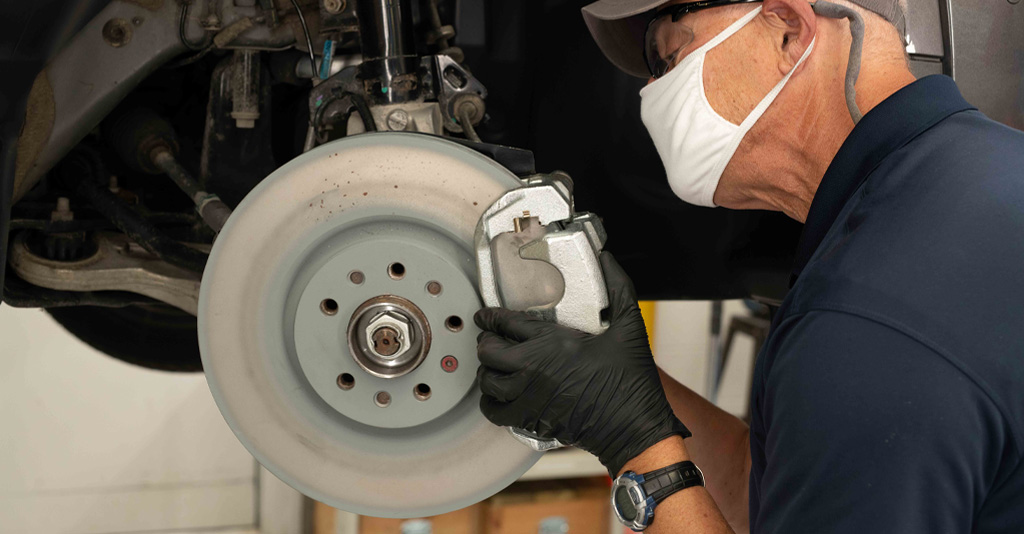
Compressing The Caliper Piston
Push the caliper piston back into its housing using a C-clamp or brake tool. This creates space for the new, thicker pads. Compress the piston slowly and evenly to avoid damage. Once compressed, you can reinstall the caliper over the new pads.
Credit: www.advicsaftermarket.com
Reassembling The Brake System
Reassembling the brake system is a crucial step after replacing rotors and brake pads. It ensures your vehicle stops safely and smoothly. Taking your time to reassemble correctly will prevent future problems and keep your brakes working well.
Follow each step carefully to put all parts back in the right place. Check every component for any damage or dirt. Clean parts help the brakes work better and last longer.
Reattaching The Caliper
Start by placing the caliper over the new brake pads and rotor. Align it carefully with the mounting bracket. Make sure the pads sit properly inside the caliper. Avoid forcing the caliper as it can cause damage.
Slide the caliper onto the rotor smoothly. Check that the brake line is not twisted or pinched. Proper positioning helps the brake system function correctly.
Tightening Bolts To Spec
Use a torque wrench to tighten the caliper bolts. Follow the manufacturer’s torque specifications exactly. Tightening bolts too loose or too tight can cause brake failure.
Tighten bolts evenly and in steps. This ensures the caliper sits firmly without warping. Double-check all bolts before moving to the next step.
Reinstalling The Wheel
Reinstalling the wheel is the final step after replacing rotors and brake pads. This step ensures the wheel fits securely and your vehicle stays safe on the road. Take your time and follow the right process. Proper wheel installation helps avoid vibrations and uneven tire wear.
Mounting The Wheel
Lift the wheel and align it with the wheel hub bolts. Make sure the holes in the wheel match the bolts perfectly. Gently push the wheel onto the hub. Avoid forcing it to prevent damage to the bolts or the wheel. Hold the wheel in place to prepare for tightening.
Tightening Lug Nuts
Start threading the lug nuts by hand. This prevents cross-threading and makes tightening easier. Use a wrench to snug them in a star or crisscross pattern. Tighten each nut a little at a time. This keeps the wheel balanced and properly seated. Finally, torque the lug nuts to the manufacturer’s specifications. Proper torque keeps the wheel secure and safe while driving.

Credit: vatire.com
Final Checks
Final checks are very important after replacing rotors and brake pads. They ensure the brakes work safely and correctly. Skipping these steps can cause problems later. Take your time to complete each step carefully.
Lowering The Vehicle
Use a jack to lift the car off the ground. Remove the jack stands carefully. Slowly lower the vehicle back to the ground. Make sure the car is stable before removing the jack. Never rush this step to avoid injury or damage.
Testing Brake Function
Press the brake pedal several times. It should feel firm, not soft or spongy. Check that the brakes respond immediately. Test in a safe area before driving on the road. Listen for unusual noises or vibrations while braking.
Breaking In New Pads
Drive slowly and apply brakes gently at first. Repeat this for a few miles to help the pads settle. Avoid hard stops until the pads are fully broken in. This process helps the brakes last longer and work better. Proper breaking in improves safety and performance.
.jpg)
Credit: www.cbac.com
Frequently Asked Questions
How Often Should Rotors And Brake Pads Be Replaced?
Rotors and brake pads usually need replacement every 30,000 to 70,000 miles. Inspect them regularly for wear signs like squealing or vibrations. Driving habits and vehicle type affect replacement frequency, so check your owner’s manual for specific recommendations.
What Tools Do I Need To Replace Rotors And Brake Pads?
You need a jack, lug wrench, C-clamp, socket set, screwdriver, and brake cleaner. Safety gloves and eye protection are also essential. Having the right tools ensures a smooth, safe brake replacement process.
Can I Replace Rotors And Brake Pads Myself Safely?
Yes, if you follow instructions carefully and use proper tools. Ensure the car is securely lifted and wear safety gear. If unsure, consult a professional to avoid risks and ensure brakes function correctly.
How Do I Know If My Rotors Need Replacing?
Look for deep grooves, cracks, or warping on the rotor surface. Vibrations when braking or a pulsing brake pedal also indicate rotor issues. Regular inspection helps detect problems early, ensuring safe braking performance.
Conclusion
Replacing rotors and brake pads keeps your car safe and smooth. Regular checks help spot wear early and avoid bigger problems. Follow the steps carefully to do the job right. Take your time and use the right tools for best results.
Brake maintenance saves money and protects you on the road. Simple care can extend your vehicle’s life and improve driving comfort. Remember, safety comes first when working on brakes. Stay alert and confident while handling these parts. Your car will thank you with better stopping power.